Exercises for Seniors: Where to Start in Your 60s, 70s, 80s
By Kristen Nielsen, Founder & Senior Fitness Specialist · Updated · 6 minute read
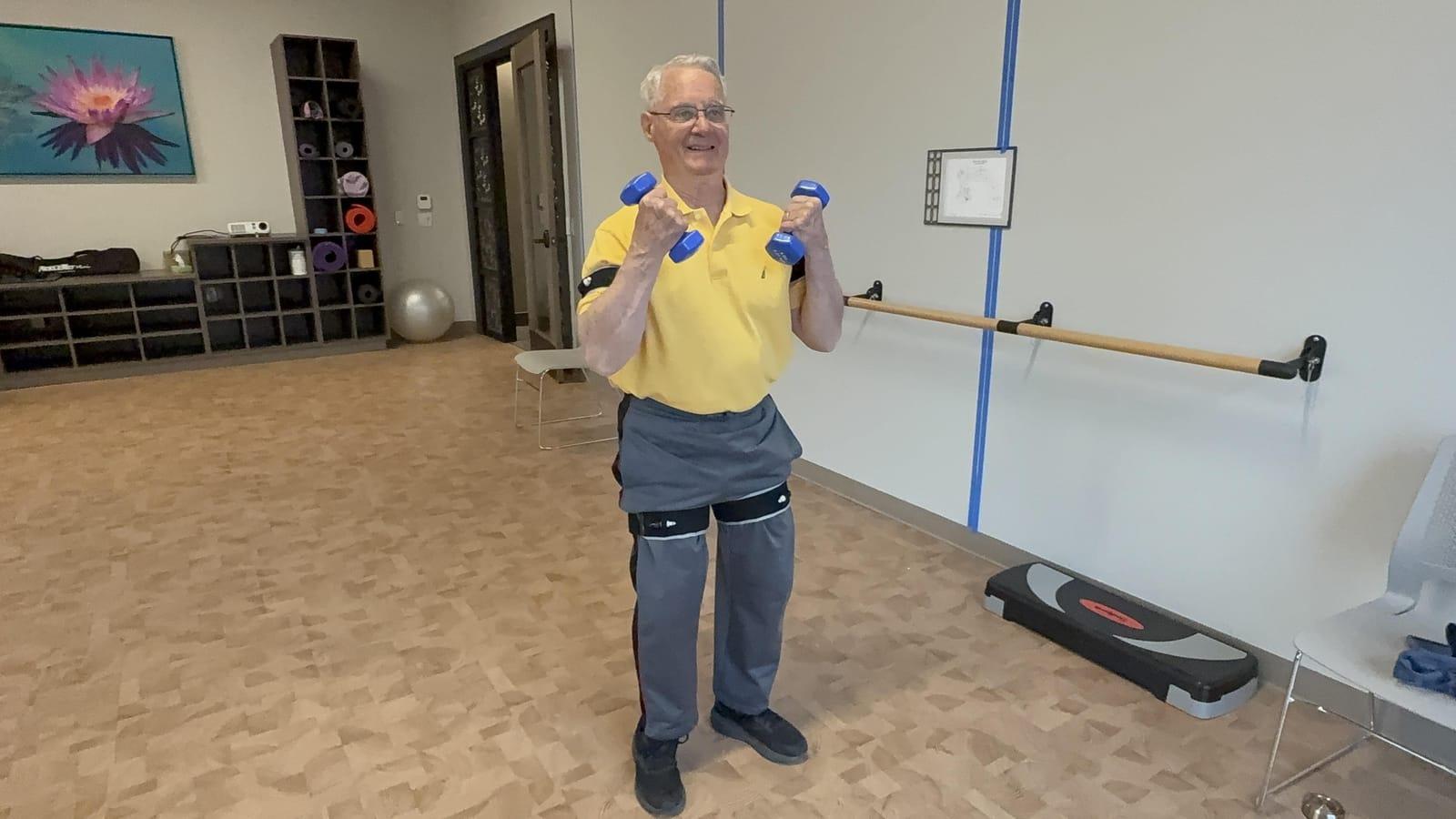
The best exercise plan for seniors mixes four things: strength training on at least two days a week, balance practice, aerobic activity like walking, and some stretching. What changes with age isn't the mix but the starting point and the emphasis: build a strength reserve in your 60s, put balance at the center in your 70s, and in your 80s keep strength and balance work going with plenty of support. It's never too late to start.
Key takeaways
- Older adults need a mix of strength, balance and aerobic activity. National guidelines call it multicomponent activity, plus muscle strengthening on at least two days a week.
- Start from where you are, not your age. A few free self-tests show your starting point and give you something to retest.
- Strength stays trainable at every age. Frail nursing home residents around age 90 nearly tripled their leg strength in just 8 weeks of training.
- If you can't do everything, do what you can. The guidelines say to be as active as your abilities and conditions allow.
The best exercise plan for older adults mixes four things: strength training at least two days a week, balance practice, aerobic activity like walking, and a little stretching. What changes as we age isn't really the mix. It's the starting point and the emphasis. This guide helps you find your starting point, shows what to focus on in your 60s, 70s and 80s, and points you to the right guide for each part. Think of it as the front door to everything we've written.
Over the years, I've learned that age tells me surprisingly little about where someone should start. I've met people in their 60s who struggled to get out of a chair and people in their 80s who hike every week. So before we talk about decades, let's talk about the four kinds of exercise, and how to find out where you stand today.
What Kinds of Exercise Do Seniors Need?
The national guidelines say older adults should do multicomponent physical activity: balance training along with aerobic and muscle-strengthening activity.1 Here's what each one does and where to learn more.
1. Strength. Muscle is your reserve for everyday life: getting up from a chair, carrying groceries, catching yourself after a trip. Aim for at least two days a week that work the major muscle groups.1,6 Start with our strength training guide, or with chair exercises if you'd like support.
2. Balance. Balance is a skill, and like any skill it improves with practice. The National Institute on Aging suggests about three sessions of balance exercises a week.2 Exercise programs that include balance and functional training reduce falls in older adults.3 See our balance exercises guide.
3. Aerobic activity. Walking, biking, swimming and dancing keep your heart, lungs and brain healthy. The goal is 150 minutes of moderate activity a week, built up gradually.6 Our walking guide is the easiest place to begin.
4. Flexibility and mobility. Stretching keeps your joints moving freely so the strength you build can do its job. See our guides to stretching and, if you're curious, Pilates.
The brain benefits from all four, especially when you add a thinking task. And none of it works as well without enough protein and recovery.
How Do You Find Your Starting Point?
A few simple tests tell you far more than your age does. Each takes a few minutes at home and compares your result with others your age:
- 30-second chair stand test: leg strength, the foundation for getting up and staying independent.
- Timed Up and Go: how quickly and steadily you stand, walk, turn and sit.
- 4-stage balance test: the CDC's quick balance check.
- 2-minute step test: aerobic endurance, without needing room to walk.
Record your results on our printable score sheet and retest every four to eight weeks. Watching the numbers move is one of the best motivators I know.
Exercises for Seniors in Their 60s
In your 60s, the big opportunity is to build a strength reserve before you need it. Everyday tasks only feel easy when they use a small part of your strength. As strength fades, the same chair or staircase starts to take most of what you have. I explain this in how strong do you need to be to stay independent?
Focus on:
- Challenging strength training, two or three days a week. This is the decade to learn to lift with good form and to make it genuinely challenging. For reference, the normal range on the chair stand test for adults aged 60–64 is 12–17 stands for women and 14–19 for men.5
- Power, not just strength: moving with some speed, like standing up briskly from a chair or climbing stairs at a good pace.
- Balance practice before you have a problem, when it's easiest to improve.
- Aerobic activity you enjoy, including some brisker efforts if your doctor agrees.
Richard, a TogetherWON client who was 66 when BEACON Senior News featured him, began training in July 2024. A hip stretch that was hard at first became an easy weekend habit, and short bursts of cardio are building his stamina. Read the BEACON feature.
Exercises for Seniors Over 70
In your 70s, balance moves to the center of the plan, alongside strength. Falls become more common as we age, and exercise programs that combine several types of exercise reduce the rate of falls in older adults.3
Focus on:
- Strength two or three days a week, with plenty of sit-to-stands, step-ups and carries, the moves that look like daily life.
- Balance practice most days: a few minutes standing on one foot by the counter, heel-to-toe walking, or the moves in our balance guide.
- Walking that suits your joints, and our knee pain guide if your knees complain.
- Thinking while moving, like dual-task walking, because real life rarely lets us balance without distractions.
My mom, Julie, is my favorite example. She became my first client in 2016, came back strong after a hip replacement, and at 75 calls her replaced hip one of her better joints. Read her story.
Jaan, 77, had started falling, even with hiking poles. After almost two years of balance work with his trainer, like stepping over small cones and onto floor markers, he says it's much better. Here he is in his own words:
Read the transcript
Kristen, the thing I appreciate, what you’ve been doing, is number one: when I first started working with you, I was having serious problems with my balance. You have taken me from where I’m at to where I need to be going. I still have a long ways to go, but you’re taking me step by step.
And I appreciate the fact that when we get together, you immediately look at, “Okay, where are we at now?” And then throughout the session, I see improvements, and I see confidence in myself in doing the things that I need to be doing.
So, Kristen, I appreciate the fact you meet me where I’m at, and you take me to where I need to go. Thank you.
Exercises for Seniors Over 80
In your 80s and beyond, your muscles still respond to training, often more than people expect.
One of my favorite studies showed this decades ago. Ten frail nursing home residents, average age 90, did eight weeks of strength training. The nine who finished nearly tripled their leg strength, their thigh muscles grew, and their walking speed in a balance test improved by almost half.4
Pat is proof in our own practice. At 82, he trained with light weights and blood flow restriction and got stronger in every category we measured, including a 316.7% gain on the leg press:
Read the transcript
Hello, I’m Pat. I’m 82 years old, and I just completed six weeks, two times a week, training with blood flow restriction. Incredible results.
It wasn’t particularly easy, but it was very fun. This is such a new way to exercise. Kristen, she was a drill instructor and really kept me going. But we completed it, and I’m just so pleased with the results.
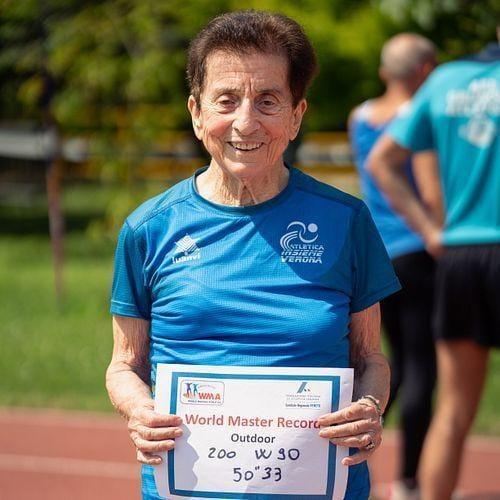
His full results are in can you get stronger at 82? And if you need more inspiration, read about the 91-year-old sprinter researchers studied to learn how muscle stays trainable.
Focus on:
- Strength for the essentials: standing up, stepping up, gripping and carrying, starting with chair exercises and progressing to standing work.
- Balance with support, always near a counter or a sturdy chair, and with someone nearby for the harder moves.
- Short, frequent bouts of movement spread through the day, like the ones in exercise snacks.
- Getting up from the floor, practiced safely, because knowing you can get up is a big part of confidence.
If anything feels too hard to start alone, that's exactly when a trainer who specializes in older adults helps most.
What If You Have a Health Condition?
Most health conditions make exercise more important, not less. You may just need a different starting point:
- Knee or hip arthritis: see exercises for knee pain after 60.
- Osteoporosis or low bone density: see bone and joint health after 60 and our osteoporosis exercise program.
- Parkinson's disease: see our Parkinson's exercise program.
- Memory loss or dementia: see exercise for brain health and our dementia and memory program.
- After surgery or physical therapy: start with personal trainer or physical therapist? and see our training after physical therapy.
How Much Exercise Is Enough?
The weekly targets for older adults are 150 minutes of moderate aerobic activity, muscle strengthening on at least two days, and balance activities.6 Our guide to how much exercise seniors need turns that into a sample week.
But here's the line from the national guidelines I'd like everyone to remember: when older adults can't do the full amount because of health conditions, they should be as physically active as their abilities and conditions allow.1 Ten minutes counts. A walk to the mailbox counts. Starting counts most of all. I wrote about that in is it too late to start exercising?
Every TogetherWON Guide
Each guide pulls together the best of my letters on one topic, with the research behind it and simple steps to start.
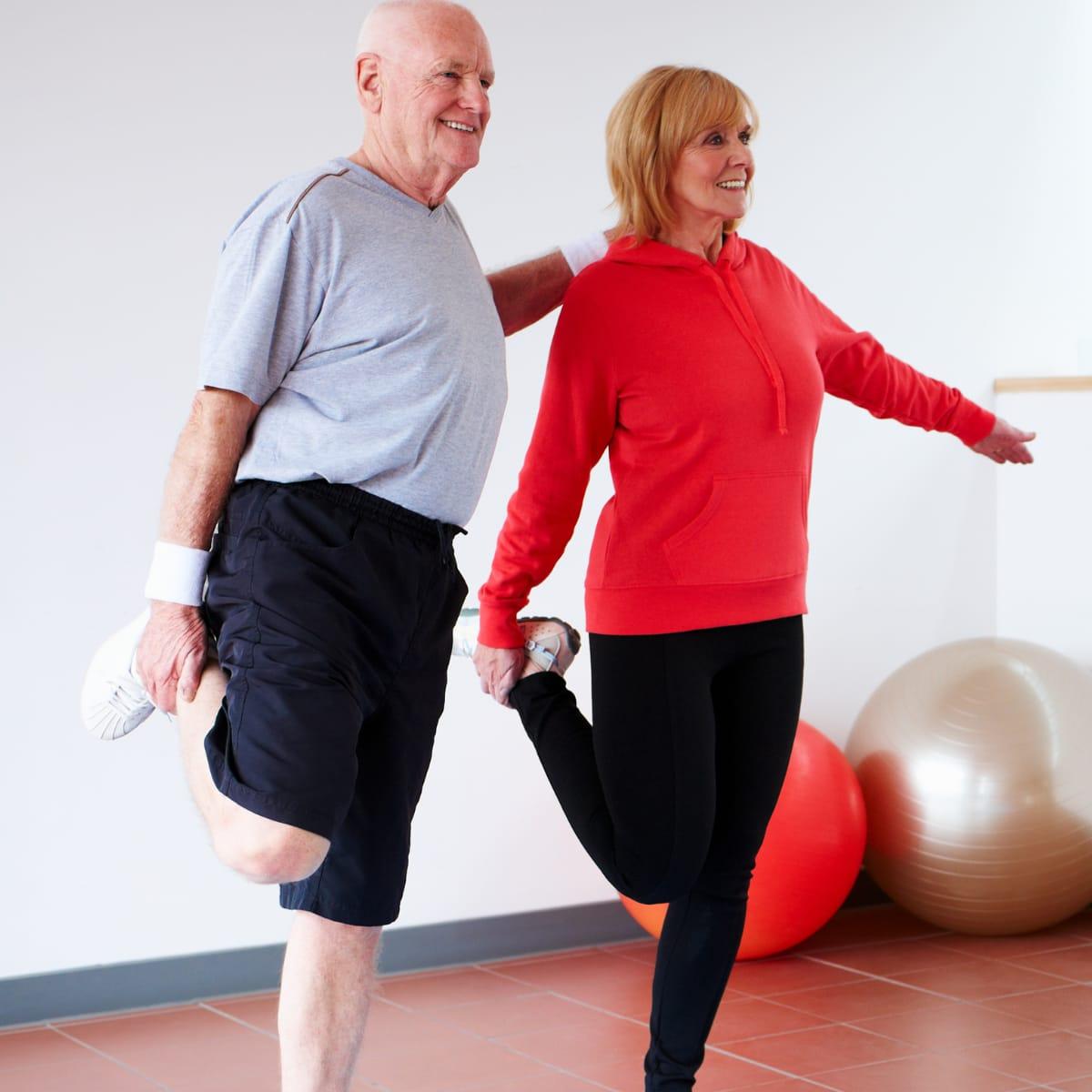 Balance and fall preventionSimple balance exercises for seniors with step-by-step instructions, plus how strength, your feet, eyes, inner ear and medications affect fall risk.Read the guide
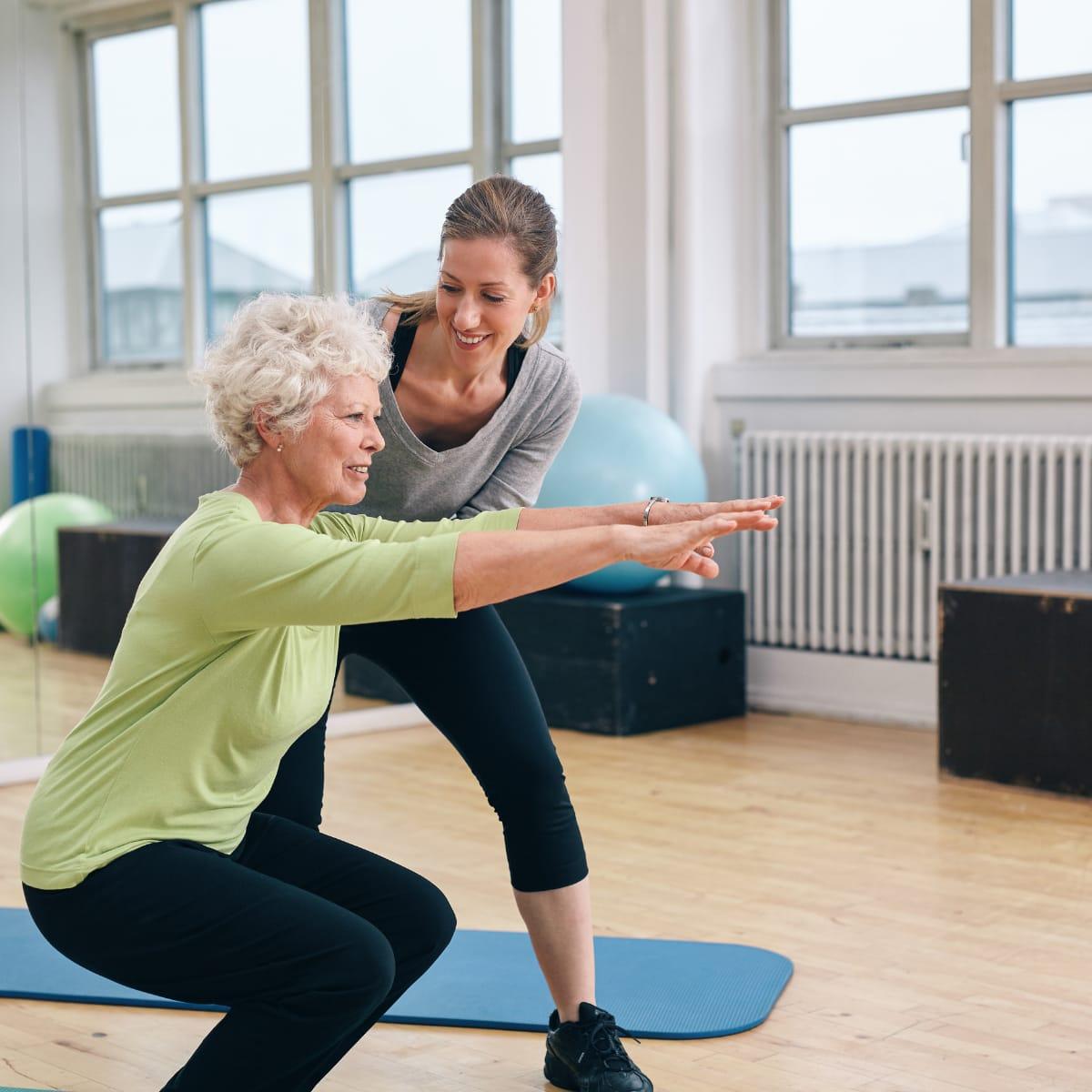 Bones & jointsHow adults over 60 can build bone density, ease arthritic knees, hips and back pain, and lower fracture risk with safe strength training and good nutrition.Read the guide
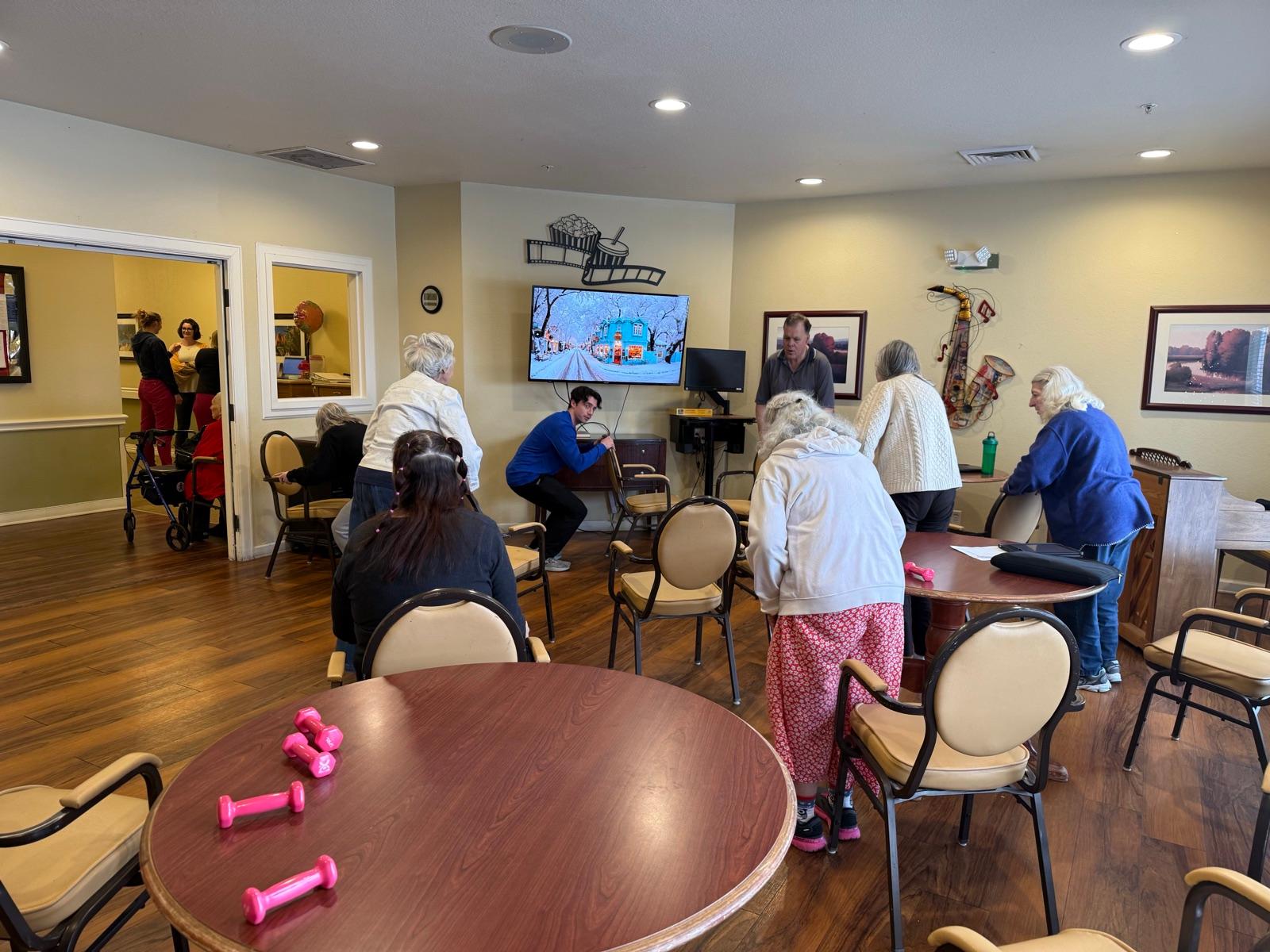 Chair exercisesTwelve chair exercises for seniors, seated and standing with support, put together in a 15-minute routine with a free printable PDF.Read the guide
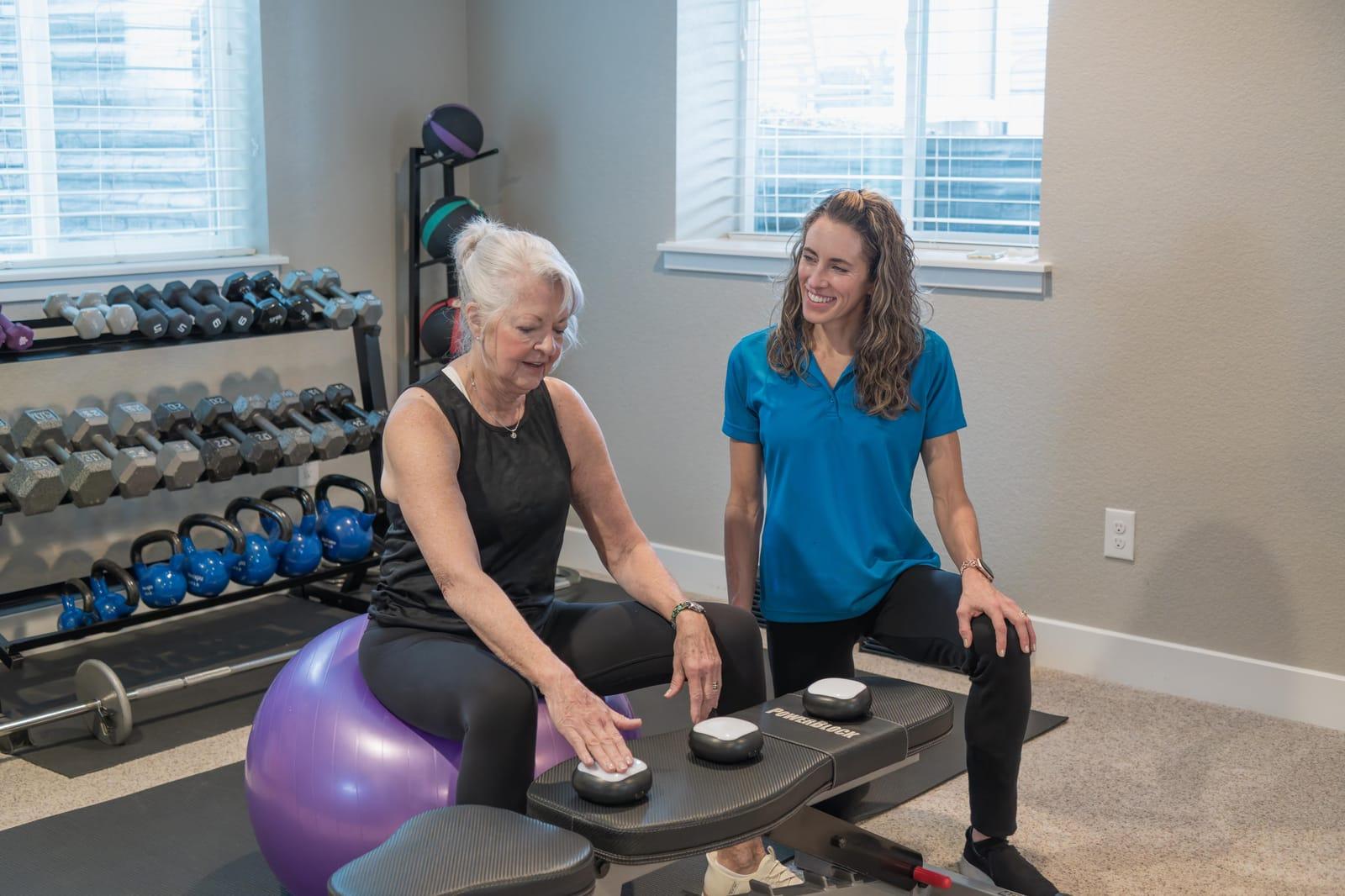 Brain healthWhich exercises keep your brain sharp after 60, how movement changes the brain, and simple brain-body drills to try at home, with steps.Read the guide
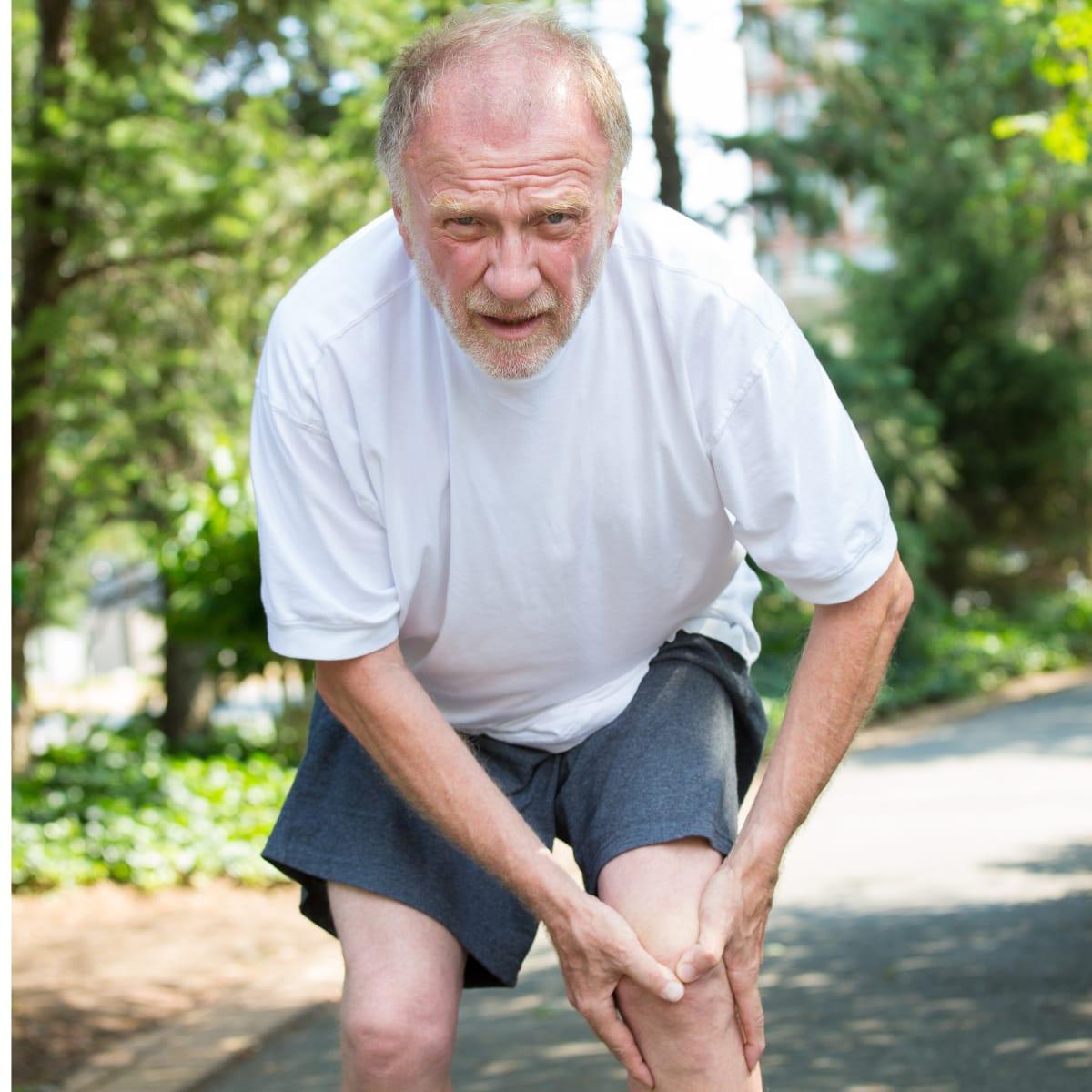 Knee pain and arthritisSafe exercises for knee pain and arthritis after 60, how much pain is okay while you exercise, a three-stage plan, and when to see a doctor.Read the guide
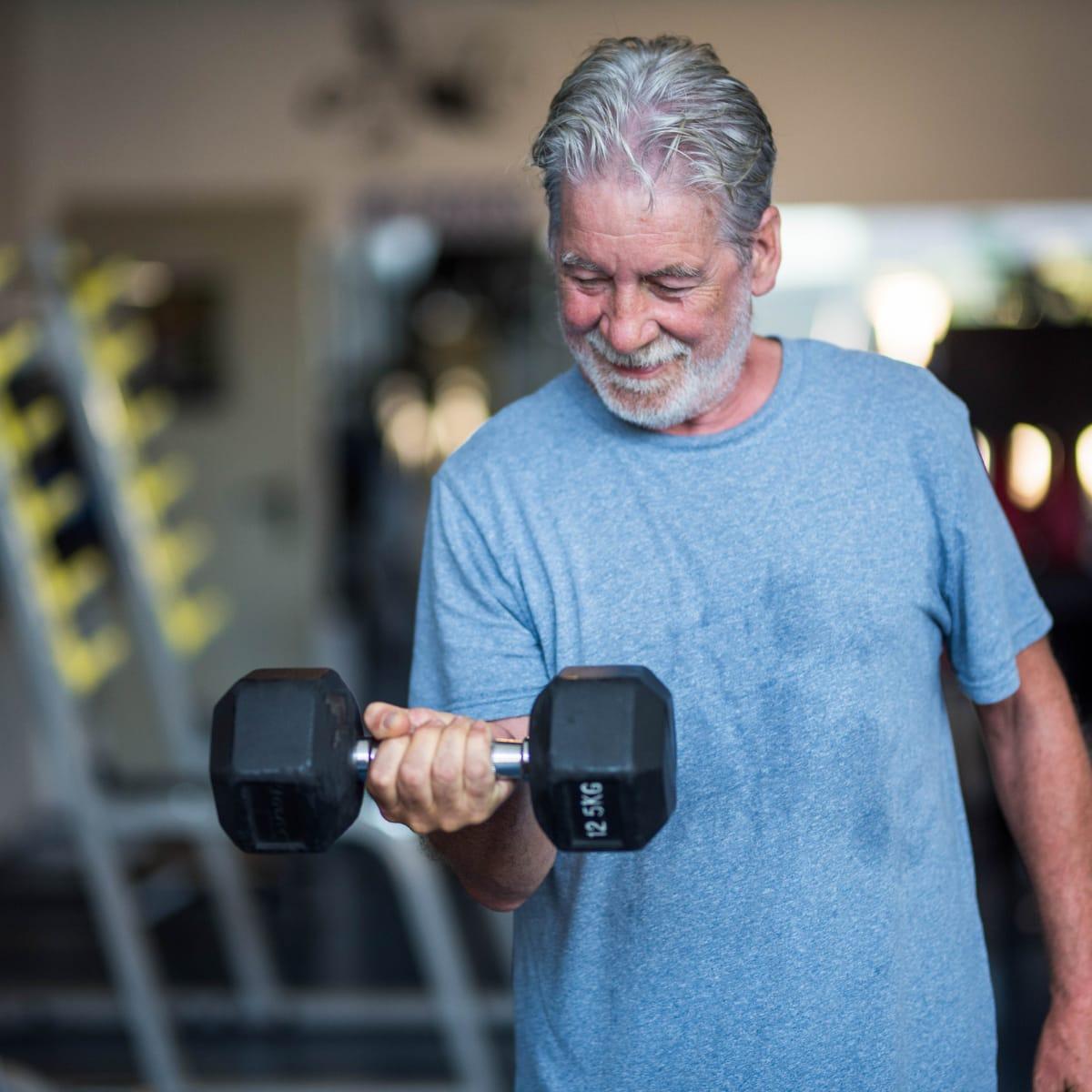 How much exerciseHow often older adults should exercise each week for strength, balance and cardio, with a sample weekly plan and a smaller starter week.Read the guide
 Helping a parent exerciseWhy aging parents resist exercise, what to say (and not say), when to check with a doctor, and a simple 4-week plan families can use together.Read the guide
 NutritionWhat to eat after 60 to stay strong, from water, sugar and blood sugar to calcium, vitamin D, B12, healthy fats, fiber and which supplements are safe.Read the guide
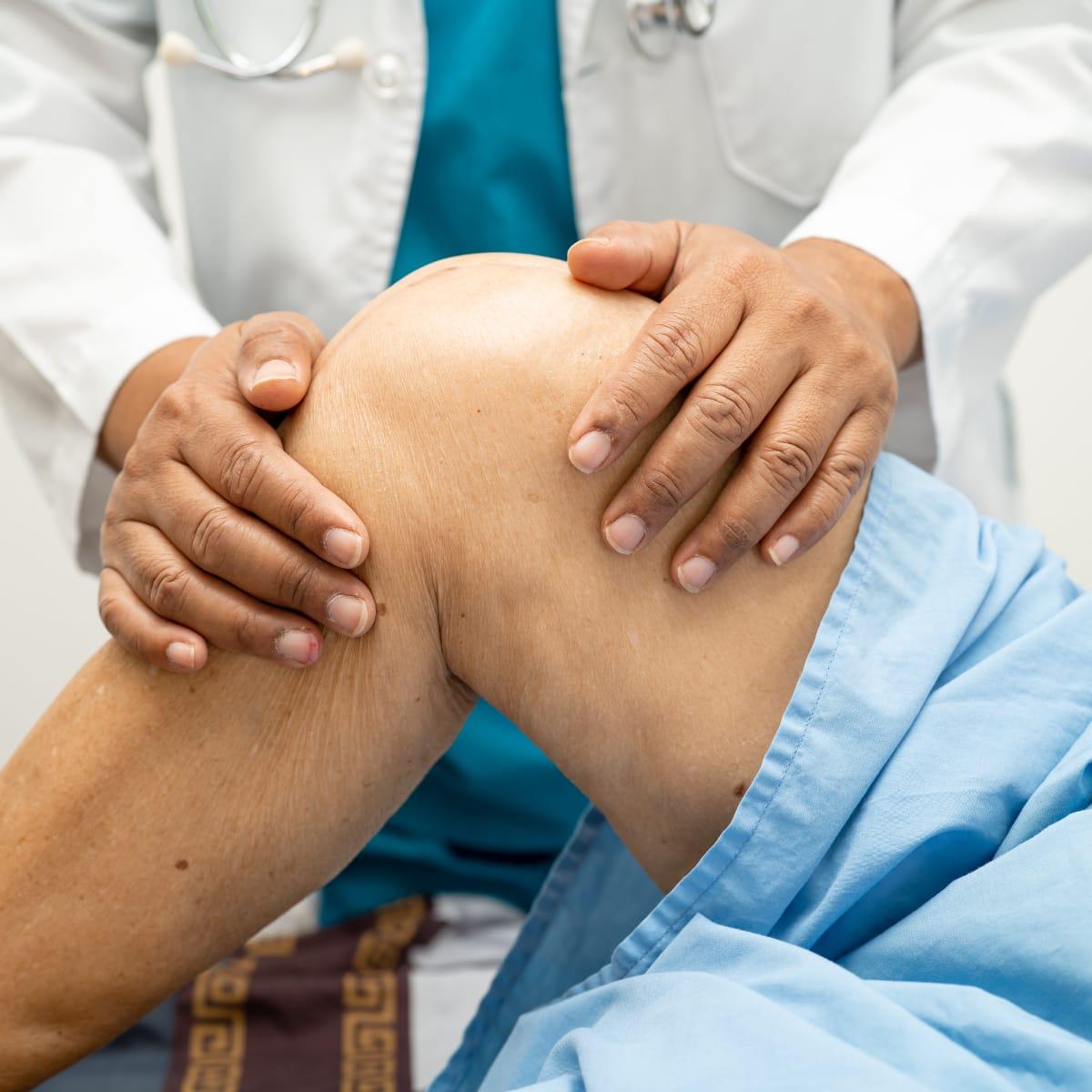 Trainer or physical therapist?Physical therapist or personal trainer after 60? What each one does, when you need which, how insurance treats them and how they work together.Read the guide
 Pilates and wall PilatesIs Pilates good for seniors? What the research says about balance, strength and bones, the truth about wall Pilates, and a safe six-move routine.Read the guide
 ProteinHow much protein adults over 60 need each day, why it matters for muscle and bone, and easy ways to reach 25–30 grams at every meal.Read the guide
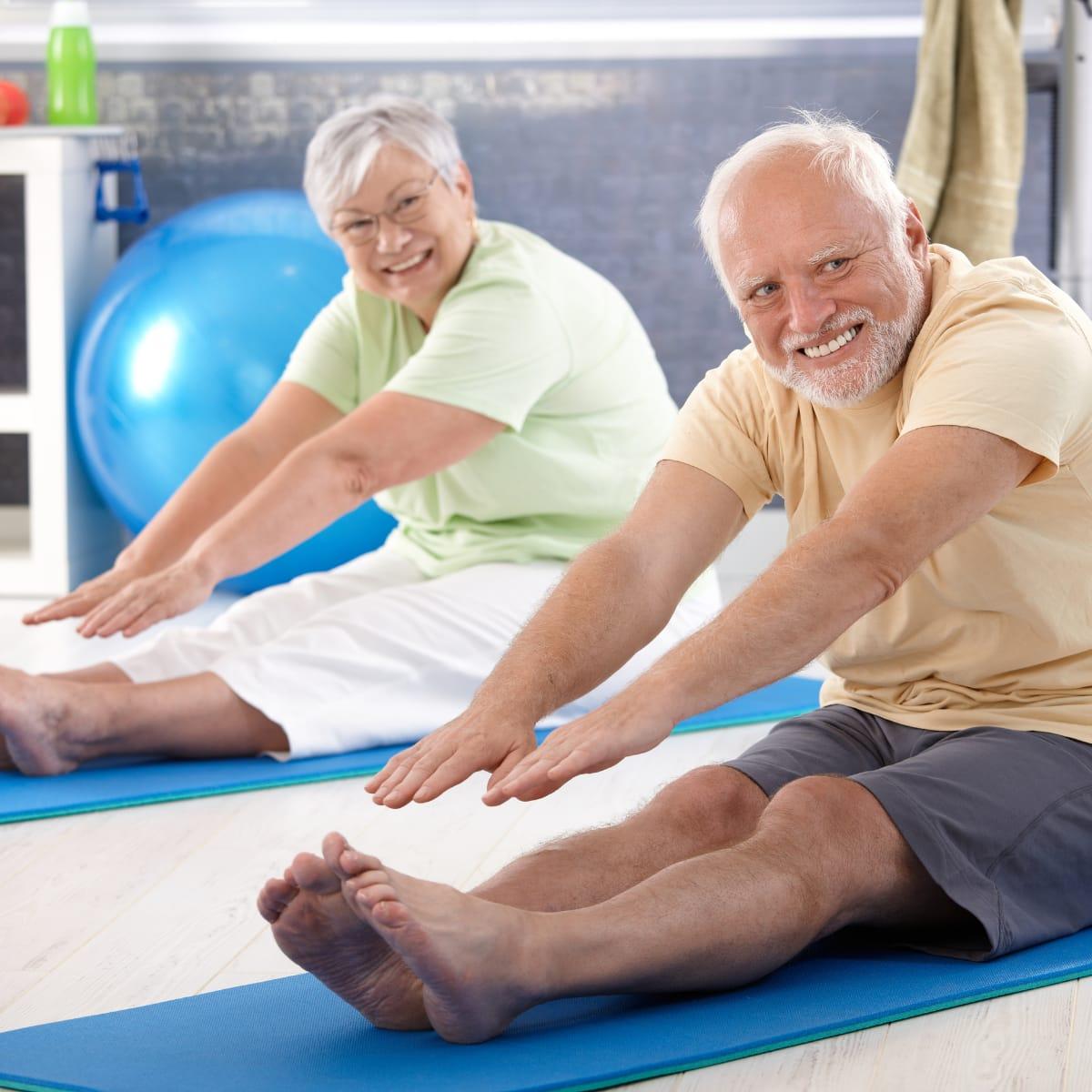 RecoveryHow to recover from exercise as you get older, from rest days and overtraining signs to better sleep, calmer stress and coming back from injury.Read the guide
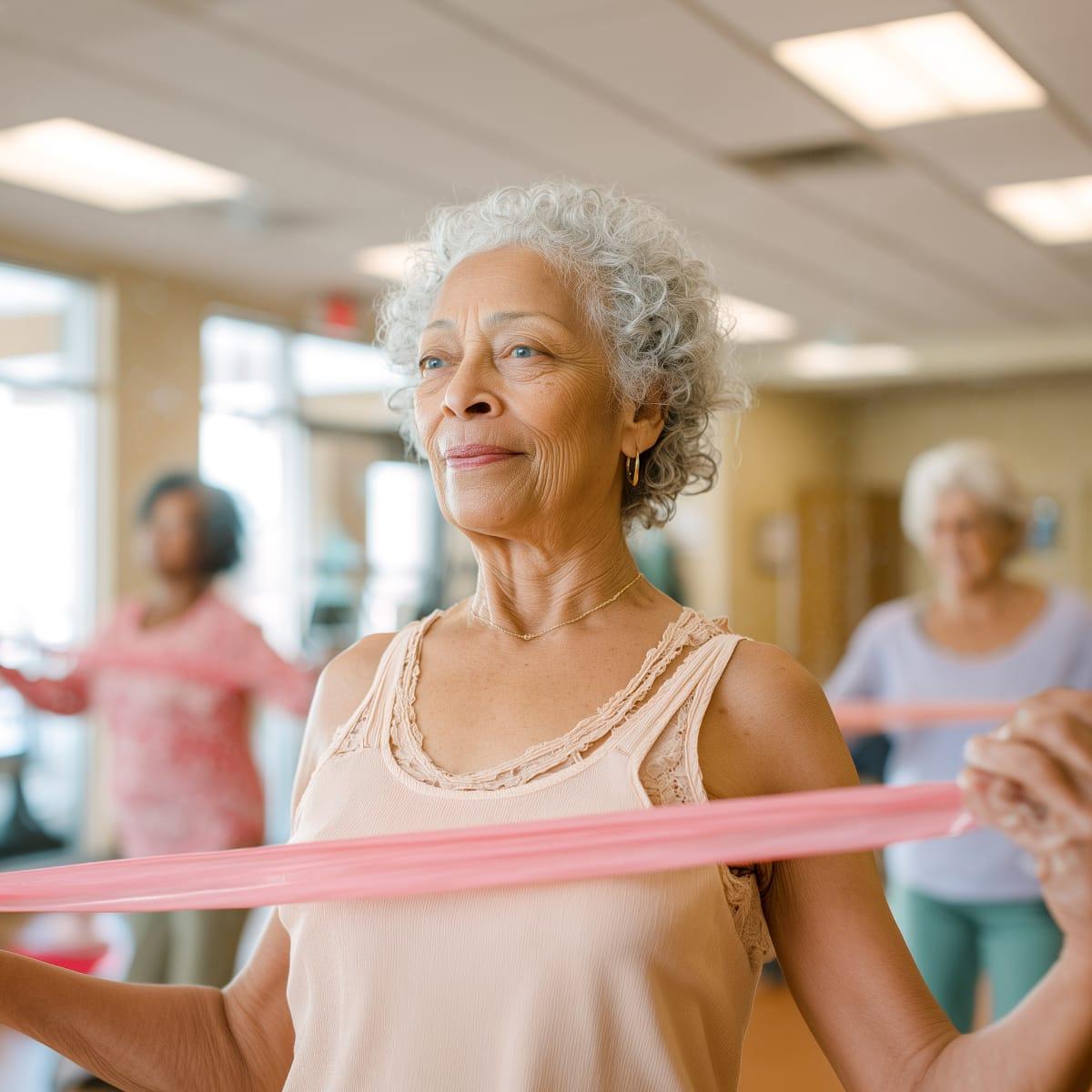 Strength trainingHow adults over 60 can start strength training safely, how often and how hard to train, simple exercises with steps, and mistakes to avoid.Read the guide
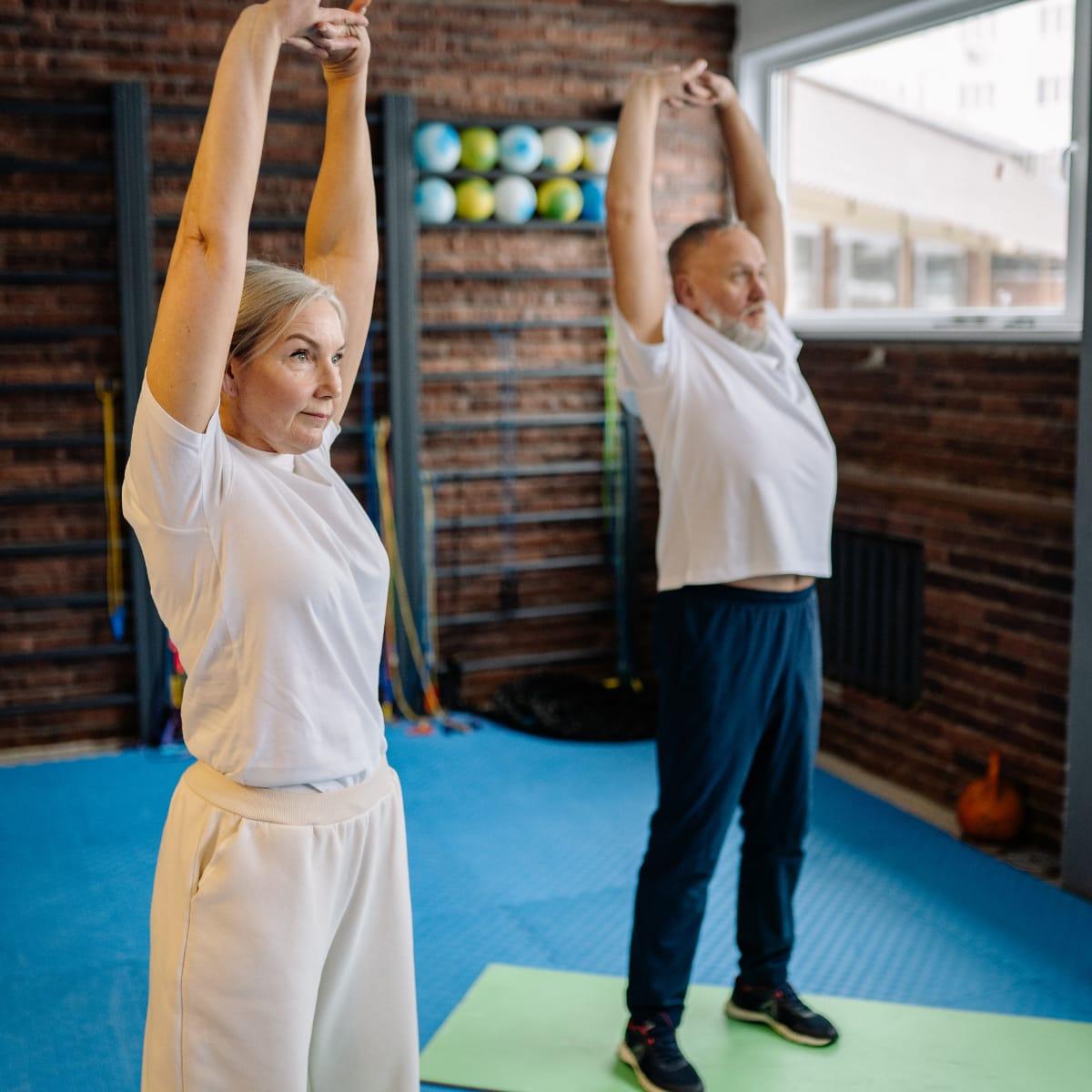 StretchingHow long seniors should hold a stretch, how often to stretch, eight daily stretches with seated options, and simple morning and evening routines.Read the guide
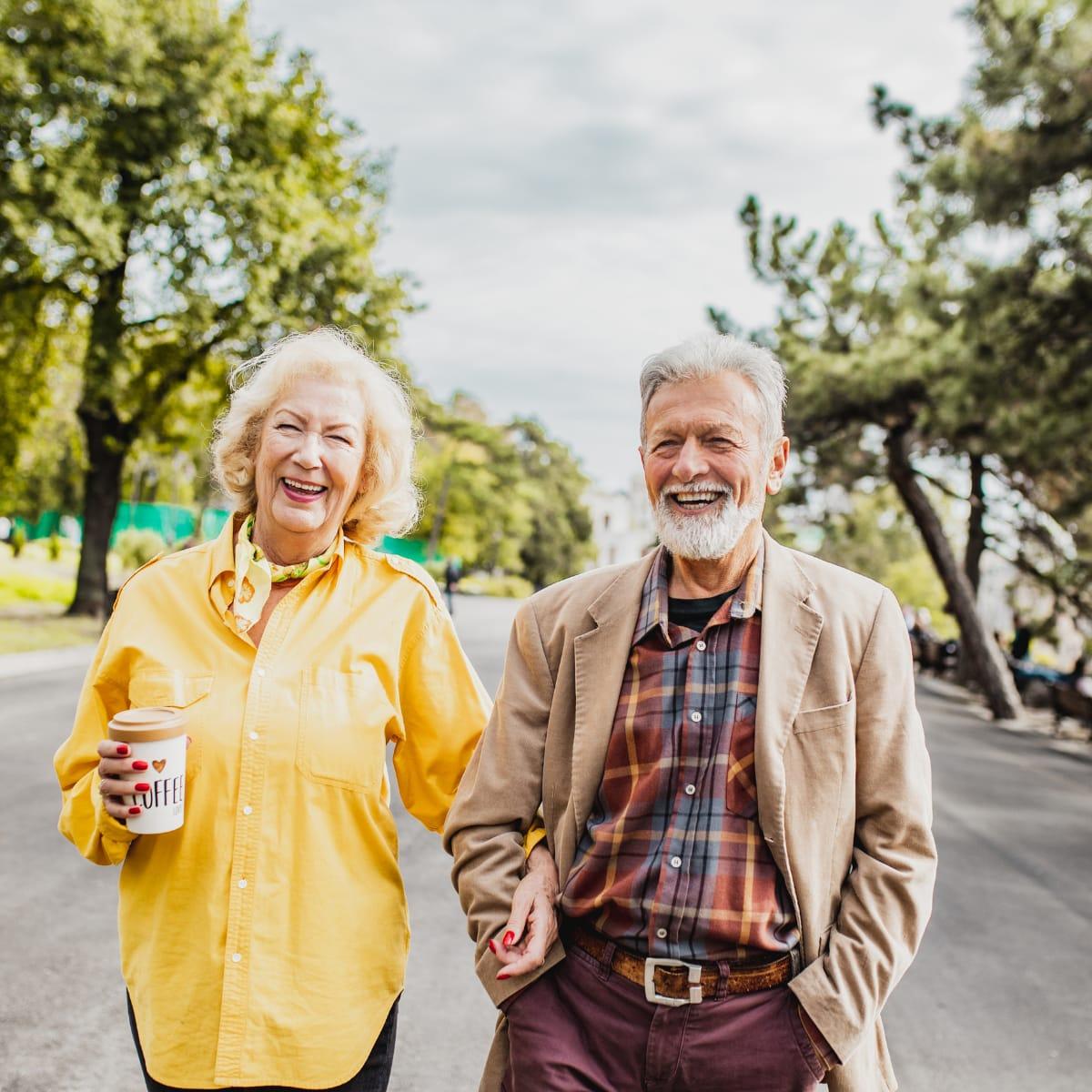 WalkingWhat walking does for your heart, brain and joints after 60, how many steps to aim for, and how to start small or build on the walking you already do.Read the guide
This guide is for general education and isn't medical advice. Please talk with your doctor before starting a new exercise, nutrition or supplement routine.
Read more from Kristen

Stories · Body
Is It Too Late to Start Exercising? A Trainer's Answer
It's not too late to start exercising. A trainer on the one thing her successful clients share, whatever their starting point — hope that today matters.
May 3, 2025 · 2 min read
Body
How Strong Do You Need to Be to Stay Independent?
Staying independent takes more strength than today's tasks need. What a strength reserve is, 8 everyday tasks to check, and how to rebuild it after 60.
October 10, 2026 · 4 min read
Stories · Body
Can You Get Stronger at 82? Pat's BFR Training Results
In 13 blood flow restriction (BFR) sessions, 82-year-old Pat got stronger in every measured category using light weights. Here are his results.
May 16, 2026 · 4 min read
Body · Stories
Building Muscle at 91: What a Sprinter Teaches Us
Researchers tested the muscles of a 91-year-old world-record sprinter. What they found shows why strength and power stay trainable as we age.
September 19, 2026 · 3 min read
Stories
Strong at 75 After a Hip Replacement: Julie's Story
For Mother's Day, Kristen interviews her first and longest-standing client, her mom Julie, on hip replacement, consistency and being strong at 75.
May 10, 2025 · 5 min read
Body · Balance
Sample 7-Day Workout Schedule for Adults Over 60
How much cardio, strength, balance and flexibility older adults need each week, with a sample 7-day workout plan that builds in recovery days.
February 22, 2025 · 3 min read
Frequently asked questions
What is the best exercise for seniors over 70?
There isn't one single best exercise, but if I had to pick one move, it would be the sit-to-stand: standing up from a chair and sitting back down with control. It strengthens the legs and hips you rely on for getting up, climbing stairs and catching yourself after a stumble.
Build around it with a few more strength moves, daily balance practice and regular walking.
Should seniors exercise every day?
Some movement every day is a great goal, but not hard exercise every day. Strength train the same muscles two or three days a week with a rest day in between, and fill the other days with walking, balance practice and gentle stretching.
How do I know which exercises are safe for me?
Start with the gentlest version of each move and a free self-test or two to see where you're starting. If you have a heart or lung condition, a recent fall, surgery or a new diagnosis, check with your doctor first, and consider working with a trainer who specializes in older adults to set up your first program.
Sources
- US Department of Health and Human Services. Physical Activity Guidelines for Americans. 2nd ed. HHS; 2018. View source
- National Institute on Aging. Three types of exercise can improve your health and physical ability. View source
- Sherrington C, Fairhall NJ, Wallbank GK, et al. Exercise for preventing falls in older people living in the community. Cochrane Database Syst Rev. 2019;1(1):CD012424. doi:10.1002/14651858.CD012424.pub2 View source
- Fiatarone MA, Marks EC, Ryan ND, Meredith CN, Lipsitz LA, Evans WJ. High-intensity strength training in nonagenarians: effects on skeletal muscle. JAMA. 1990;263(22):3029-3034. View source
- Rikli RE, Jones CJ. Functional fitness normative scores for community-residing older adults, ages 60–94. J Aging Phys Act. 1999;7(2):162–181. View source
- Centers for Disease Control and Prevention. Physical activity guidelines for older adults. View source
This guide is for general education and isn't medical advice. Please talk with your doctor before starting a new exercise, nutrition or supplement routine. See our health disclaimer.

About the author
Kristen Nielsen
Kristen founded TogetherWON after watching what strength training could do for older adults — including her own grandparents. She's an ACE Certified Personal Trainer with 10+ years in functional aging, a University of Central Florida graduate, and a former Division I swimmer and track & field athlete.
Senior Fitness Specialist · Functional Aging Specialist · Parkinson's Disease Specialist · Brain Health Trainer · Corrective Exercise Specialist
want these in your inbox?
Get my Saturday letters
One idea for your body, brain or balance each week, usually with a recipe. Unsubscribe any time.