Body
Which Exercises Build Bone Density? Weights vs. Walking
Resistance training, walking and impact exercise can slow bone loss and modestly build bone density. What works best, plus tips to stay motivated.
September 14, 2024 · 4 min read
The right exercise is one of the best things you can do for thinning bones. Progressive strength training gives your bones a reason to stay strong, balance training makes falls less likely, and a few simple changes keep your spine safe, even if you already have osteoporosis.
TogetherWON builds that program for you, in your home in the Colorado Springs area or online, with trainers who specialize in older adults. Exercise works alongside the treatment your doctor recommends, not instead of it.
Last updated
Progressive strength training for the hips and spine, where the most serious fractures happen, built up gradually over weeks and months.3,4
We swap toe touches, crunches and rounded-back lifting for hip hinges and exercises that strengthen your back.8
Balance practice in every session, because falls cause most hip fractures. Stronger bones and fewer falls work together.9
Osteoporosis is common and often silent. You can’t feel your bones thinning, so the first sign is often a broken bone.
Walking is great for your heart, mood and joints, so keep doing it. Your bones need something more on top of it.
| Walking on its own | Progressive strength training | |
|---|---|---|
| Spine bone density | No meaningful effect in a review of walking programs | Improved by about 3% in 8 months in the LIFTMOR trial |
| Hip bone density | A small benefit | Held steady in LIFTMOR, while a light-exercise group lost about 2% |
| How to do it | Most days, as a foundation for heart and mood | 2–3 days a week, built up gradually with guidance |
Exercise is recommended with osteoporosis, with a few changes that protect the front of your spinal bones.6,7,8
Bring your latest bone density (DXA) results and any restrictions from your doctor to your first session.
Your free consultation covers your bone density results, any fractures, your medications and your doctor’s guidance, then checks your strength and balance.
Bones respond to challenge, so we raise the weight step by step, with a trainer watching your form, never by jumping straight to heavy lifting.
You learn to hinge from your hips, lift with a flat back and strengthen the muscles that hold you upright, so everyday tasks feel safer too.
Gentle impact like heel drops comes in only if your doctor says it’s safe for you.
Osteoporosis training uses our in-person plans, from $198 to $720 a month, month to month. Weekly sessions on Consistent ($447 a month) let your trainer guide each step up in weight.
$198a month
For people who are comfortable exercising independently but want an expert to create their program, oversee their progress and provide accountability.
Most popular
$447a month
For people who want regular coaching, progression and accountability.
$720a month
For people who want the highest level of live coaching, hands-on guidance and support.
Worried about a parent with osteoporosis, especially after a fall or a fracture? You can book the free consultation for them and be there for it, and we’ll build a bone-safe program they can follow at home between visits.
How to help an aging parent start exercisingBook a consultation for a parent
“I feel so fortunate to be given the opportunity to participate in TogetherWON. Having a program designed specifically for my needs with the added bonus of being able to do it at home is wonderful. I was encouraged to have a goal and that has really kept me focused. My last assessment with my trainer showed great improvement in just a few months. I highly recommend this program because I am now able to do some things I thought were part of my past.”
Body
Resistance training, walking and impact exercise can slow bone loss and modestly build bone density. What works best, plus tips to stay motivated.
September 14, 2024 · 4 min read

Body · Nutrition
What the COMB micronutrient study found about bone density, and how resistance training, impact exercise and balance work can build on it.
May 31, 2025 · 3 min read
Body · Balance
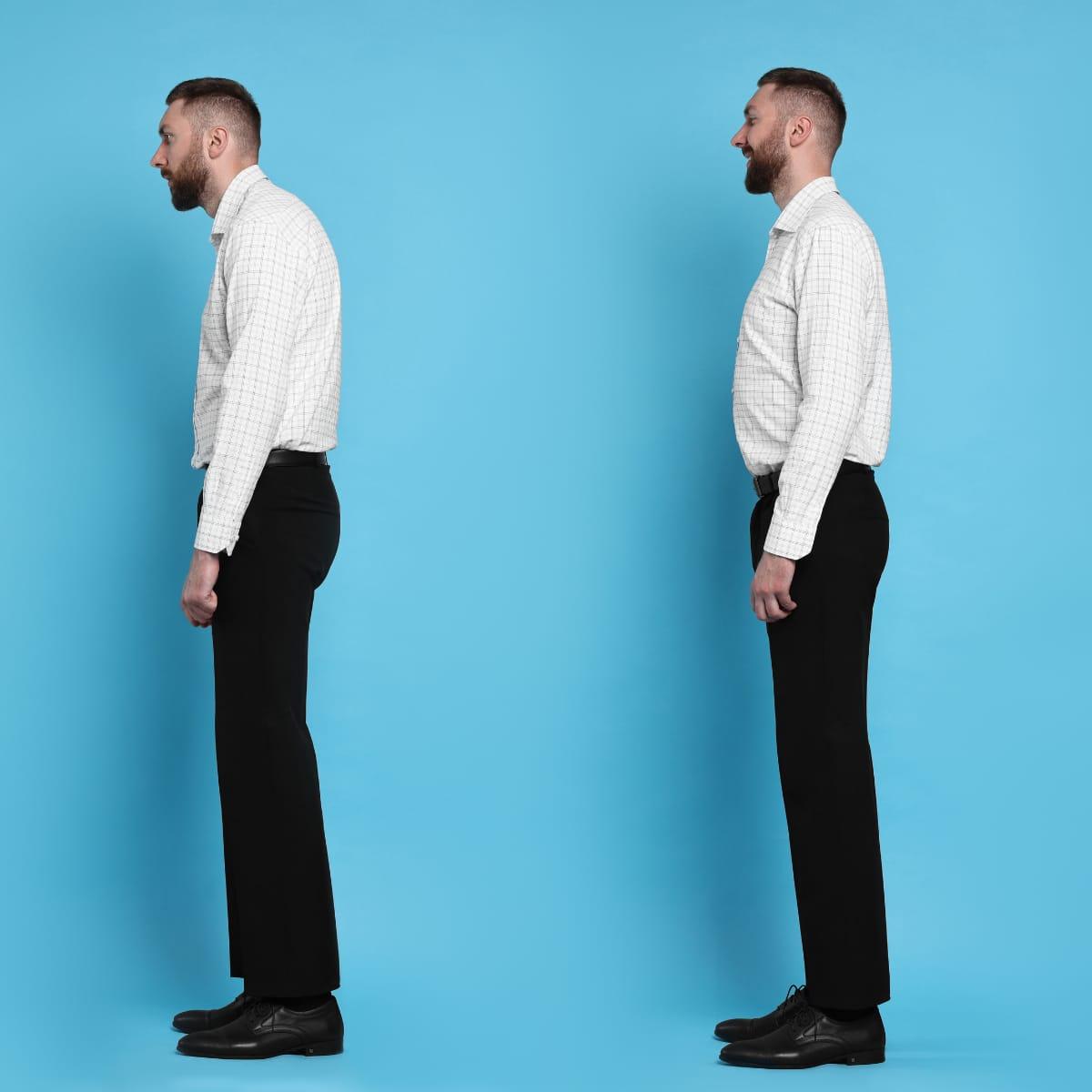
Good posture is about more than looks. It affects your balance, breathing and back. Try a quick arm-lift test, then five simple posture exercises.
January 11, 2025 · 5 min read
For most people, yes, when the weight is built up gradually and the form is right. An international expert panel recommends that people with osteoporosis do strength and balance training, not just walking.
In the LIFTMOR trial, women with low bone mass who did closely supervised heavy strength training improved their spine bone density, with only one minor injury. Check with your doctor first, especially if you’ve had a fracture.
Exercise can slow bone loss and modestly increase bone density, but on its own it usually doesn’t reverse osteoporosis. In the LIFTMOR trial, spine bone density improved by about 3% in 8 months.
Exercise also makes you stronger and steadier, which lowers your chance of the fall that causes most fractures.
Yes, unless your doctor tells you otherwise. Exercise works alongside the treatment your doctor recommends, not instead of it.
Ask your doctor about supplements too. Some, like strontium, can make bone density scans read higher than the true change.
Bone density, supplements and exerciseUsually, once your doctor clears you. You may need to skip high-impact exercise, but strength, balance and back-strengthening exercises are still encouraged.
Many people start with a physical therapist after a fracture and move on to training once they’re cleared.
Personal trainer or physical therapist?Your first session is free: a one-hour consultation and movement assessment where we learn your goals and build a plan that fits your life.