The COMB Study: Can Supplements Raise Bone Density?
By Kristen Nielsen, Founder & Senior Fitness Specialist
· Updated · Body & Nutrition · 3 minute read
Part of our guide: Bone and Joint Health After 60: Exercises That Help
Key takeaways
- Supplements may help. In the 2012 COMB study, 77 adults with low bone density took a daily micronutrient regimen and saw bone density gains after one year, especially in the spine and hip.
- Strontium can make bone density scans read higher than the true change, so talk with your doctor before trying the supplement protocol.
- Resistance training 2–3 times a week, gentle impact like heel drops if you're medically cleared, and daily balance work can build on those results.
Can supplements raise bone density? In one 2012 study, a daily combination of micronutrients was linked to measurable bone density gains in a year, and adding strength training, impact and balance work may build on that. It's one piece of bone and joint health after 60.
If you've been told that your bones are weakening — or that you have osteopenia or osteoporosis — it can feel overwhelming. But I want to offer you something powerful: a research-backed, natural way to rebuild bone strength. Even better? It's accessible, and you can start right away.
What Did the COMB Study Find About Bone Density?
The COMB study found bone density gains after one year of daily micronutrients. The COMB Study (Combination of Micronutrients for Bone), published in the Journal of Environmental and Public Health in 2012, followed 77 adults with low bone density (most of them postmenopausal women) who had chosen not to take pharmaceutical treatments.
Instead, they took a daily supplement regimen, including:
- Calcium (from food rather than supplements)
- Vitamin D3 (2,000 IU)
- Vitamin K2 (MK-7) (100 mcg)
- Magnesium (25 mg elemental)
- Strontium Citrate (680 mg)
- DHA (omega-3 fatty acid) (250 mg)
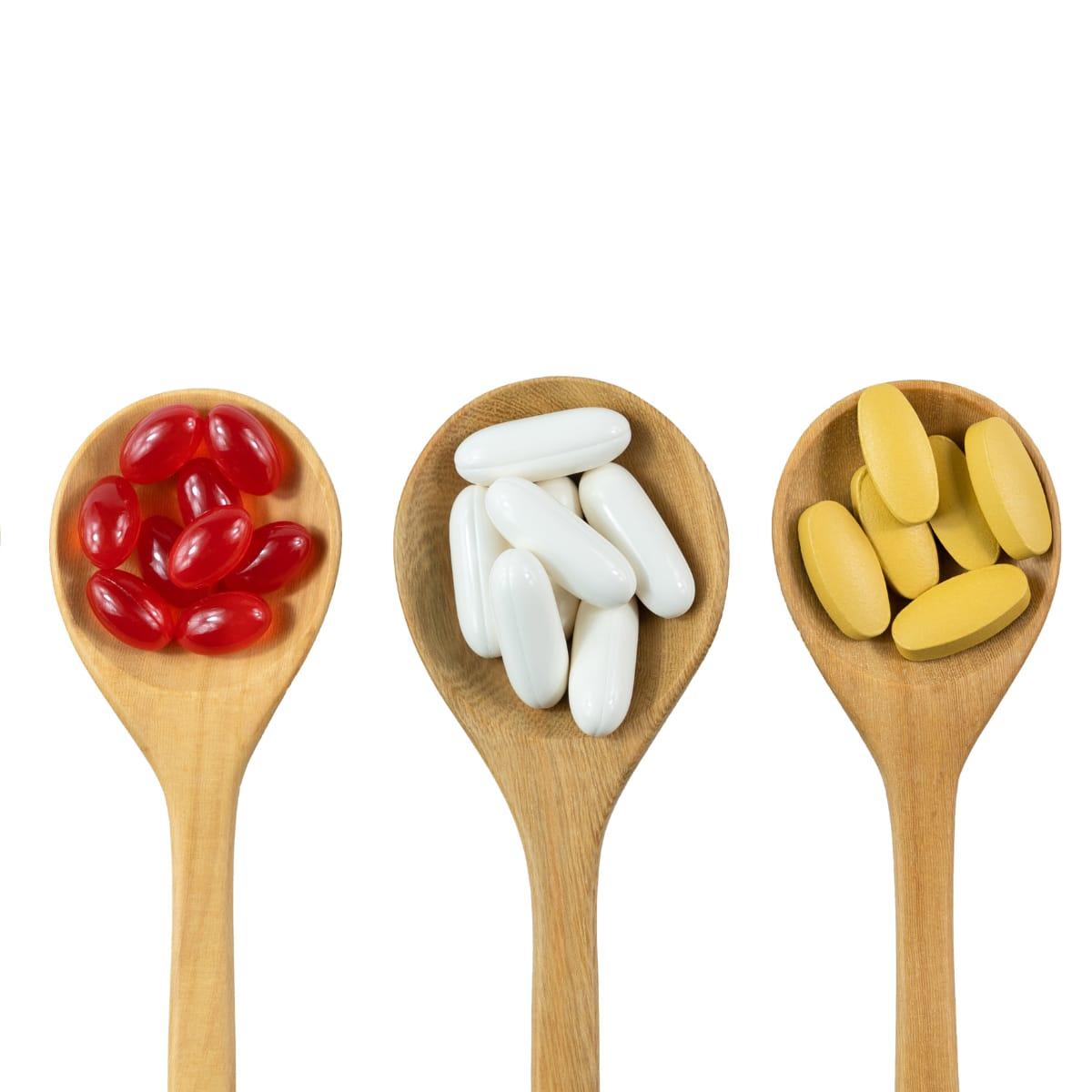
The results? After one year, participants experienced measurable increases in bone mineral density — especially in the spine and hip — all without pharmaceutical drugs.
One caution: strontium is heavier than calcium, so it can make bone density scans read higher than the true change. Talk with your doctor before taking strontium.
This study gives us something many people need: evidence-based hope.
What the Study Didn't Include — and Why That Matters
Interestingly, the COMB study's only exercise was simple daily impact exercise, like jumping jacks or skipping. It didn't include any strength training — which means we can build on that success even further.
Here's why: your bones are dynamic tissue. When you apply mechanical load — like lifting weights or even walking — you stimulate osteoblasts, the cells responsible for building new bone. The nutrients in the COMB protocol support this process, but exercise is the spark that sets it in motion.
Which Exercises Help Build Bone Density?
Resistance training, gentle impact and balance work all help. If you want to go beyond what COMB alone offers, here's the science-backed approach:
Resistance Training
The LIFTMOR trial (Watson et al., 2015) showed that heavy resistance training (supervised, safe, and progressive) can increase spinal and hip bone density in older women — even those already diagnosed with osteoporosis. I share more ways to increase bone density with exercise in another post.
Gentle Impact Training
A 2021 review by Kistler-Fischbacher et al. found that low-volume, low-repetition impact exercises, like heel drops or gentle stomps, can stimulate bone without risking injury. These types of movements mimic the benefits of jumping while staying joint-safe.
Balance & Mobility Work
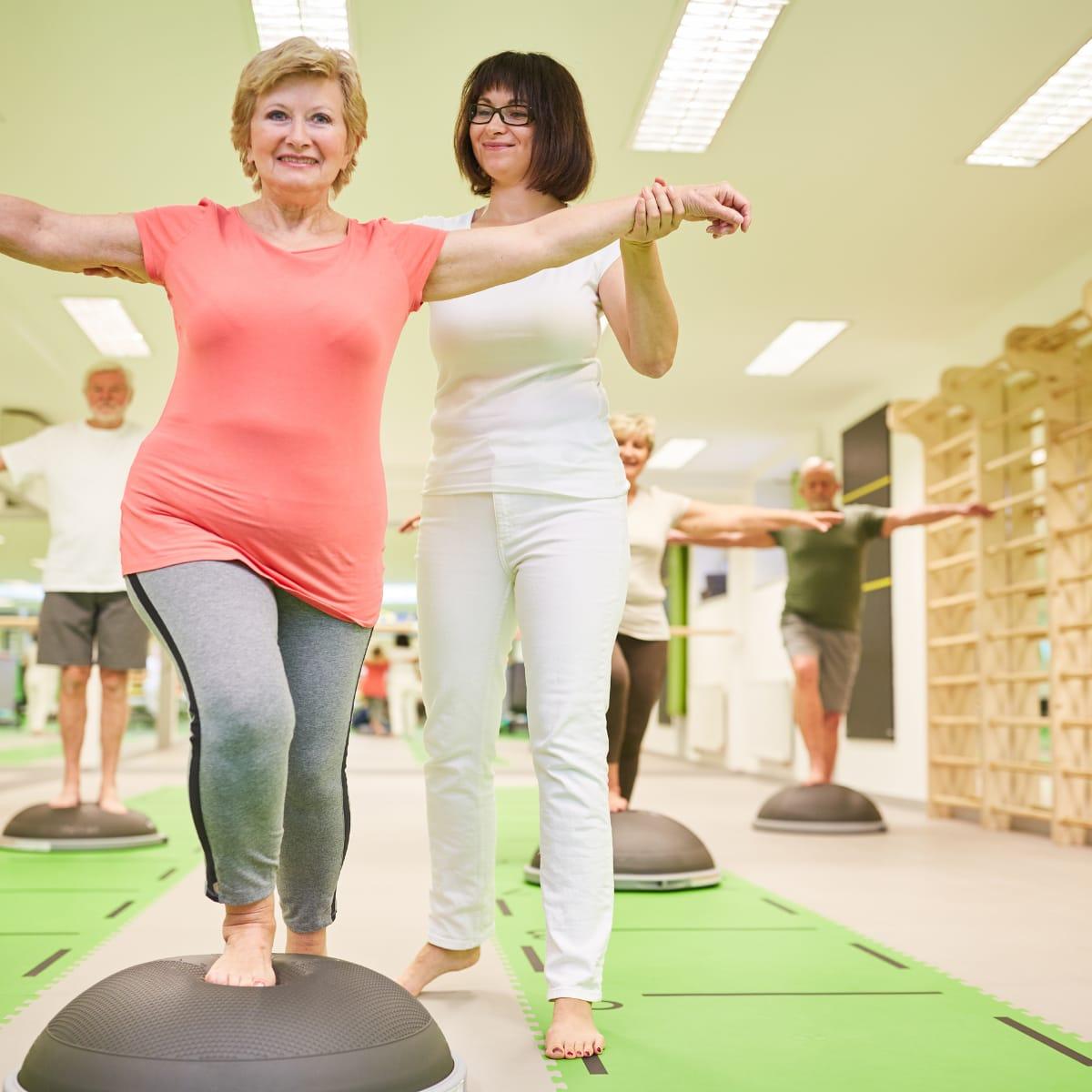
Improved balance means fewer falls — and fewer falls mean fewer fractures. Exercises like marching in place, toe raises, and chair stands (try our 30-second chair stand test to see where you're starting) help strengthen the muscles that support your joints and stabilize your movement.
How to Start Building Stronger Bones
- Talk to your medical expert about trying the COMB supplement protocol
- Start resistance training 2–3x/week, ideally with guidance at first, like our in-home personal training
- Incorporate low-impact, bone-loading movements like heel drops if you're medically cleared
- Add daily balance & mobility drills — even 5 minutes helps
- Stay consistent — results come from doing a little bit, often
Can You Increase Bone Density Naturally?
The COMB Study gives us real hope: there is something you can do to naturally increase your bone density. And the best part? By incorporating even part of this approach, you're not just supporting your bones — you're also gaining all the other health benefits that come with better nutrition and movement.
Kristen
Try the recipe: Dairy sometimes upsets my stomach, so here's a delicious dairy-free soup that's high in calcium — get the recipe.
Sources
- Genuis SJ, Bouchard TP. Combination of Micronutrients for Bone (COMB) Study: bone density after micronutrient intervention. J Environ Public Health. 2012;2012:354151. View source
- Liao J, Blake GM, McGregor AH, Patel R. The effect of bone strontium on BMD is different for different manufacturers' DXA systems. Bone. 2010;47(5):882-887. View source
- Watson SL, Weeks BK, Weis LJ, Horan SA, Beck BR. Heavy resistance training is safe and improves bone, function, and stature in postmenopausal women with low to very low bone mass: novel early findings from the LIFTMOR trial. Osteoporos Int. 2015;26(12):2889-2894. View source
- Watson SL, Weeks BK, Weis LJ, Harding AT, Horan SA, Beck BR. High-intensity resistance and impact training improves bone mineral density and physical function in postmenopausal women with osteopenia and osteoporosis: the LIFTMOR randomized controlled trial. J Bone Miner Res. 2018;33(2):211-220. View source
- Kistler-Fischbacher M, Weeks BK, Beck BR. The effect of exercise intensity on bone in postmenopausal women (part 2): a meta-analysis. Bone. 2021;143:115697. View source
This article is for general education and isn't medical advice. Please talk with your doctor before starting a new exercise, nutrition or supplement routine. See our health disclaimer.


About the author
Kristen Nielsen
Kristen founded TogetherWON after watching what strength training could do for older adults — including her own grandparents. She's an ACE Certified Personal Trainer with 10+ years in functional aging, a University of Central Florida graduate, and a former Division I swimmer and track & field athlete.
Senior Fitness Specialist · Functional Aging Specialist · Parkinson's Disease Specialist · Brain Health Trainer · Corrective Exercise Specialist
want these in your inbox?
Get my Saturday letters
One idea for your body, brain or balance each week, usually with a recipe. Unsubscribe any time.
Keep reading
Body · Nutrition
GLP-1s and Muscle Loss: What Strength Training Can Do
A trainer's look at GLP-1 medications like Ozempic and Zepbound — how much lean mass is lost, and why strength training and protein matter.
August 22, 2026 · 4 min read

Nutrition · Body
How to Avoid Blood Sugar Spikes: Simple Glucose Tips
How you eat, not just what you eat, shapes blood sugar. Simple glucose hacks like veggies first and a walk after meals can steady energy and cut cravings.
September 13, 2025 · 3 min read

Nutrition · Body
Vitamin D and Muscle Strength in Older Adults
Vitamin D is linked to muscle strength, physical performance, immunity and mood as we age. What the research shows, safe dosing and the best food sources.
May 17, 2025 · 3 min read