
Recovery · Body
How to Rebuild Strength After an Injury Over 60
Coming back from an injury after 60? Six steps to rebuild strength safely, from respecting healing time and easing back into load to using pain as a guide.
July 12, 2025 · 3 min read
Physical therapy ends when you reach your therapy goals, but that’s often not the same as feeling ready for everyday life. Without a next step, many people slowly lose the progress they worked so hard for.
TogetherWON is the missing link between rehab and real life. We help adults over 60 keep building strength, balance and confidence after a joint replacement, surgery, injury or hospital stay.
Last updated
We build on your physical therapy, keeping any guidance from your doctor or therapist at the center of your plan.
We reintroduce load gradually and use pain as a guide, not something to push through.
Techniques like Blood Flow Restriction (BFR) training build strength with light weights while you heal.
They work best one after the other. Here’s how they differ.
| Physical therapy | Post-rehab training with TogetherWON | |
|---|---|---|
| Main goal | Treat a specific injury or condition and restore basic function | Build the strength, balance and stamina for everyday life and the activities you love |
| Who leads it | A licensed physical therapist | A trainer who specializes in exercise for older adults |
| Focus | Healing, range of motion and moving safely | Progressive strength, balance, confidence and brain-body training |
| When it ends | Usually once you reach your therapy goals and it’s no longer medically necessary | When you decide. Many clients keep training with us long after their recovery |
| Where | A clinic, or home health visits | Your home, a small group or online |
Sources3
Time in bed and in the hospital takes a real toll on older adults, even when the illness itself is treated.
The more we know about your recovery, the better we can build on it.
Don’t have your notes? That’s okay. We’ll start with a gentle assessment of where you are today.
Share your discharge notes or home exercises and we build your plan around them.
Exercises like sit-to-stands, step-ups and supported squats rebuild the movements you use every day.
Balance training helps your body relearn stability after an injury, which is key for preventing falls.
Your trainer increases the challenge gradually and backs off when your body says so.
One-on-one training starts at $198 a month, month to month, and your first one-hour consultation is free.
“I am happy that this program addresses my individual problems.”
Recovery · Body
Coming back from an injury after 60? Six steps to rebuild strength safely, from respecting healing time and easing back into load to using pain as a guide.
July 12, 2025 · 3 min read
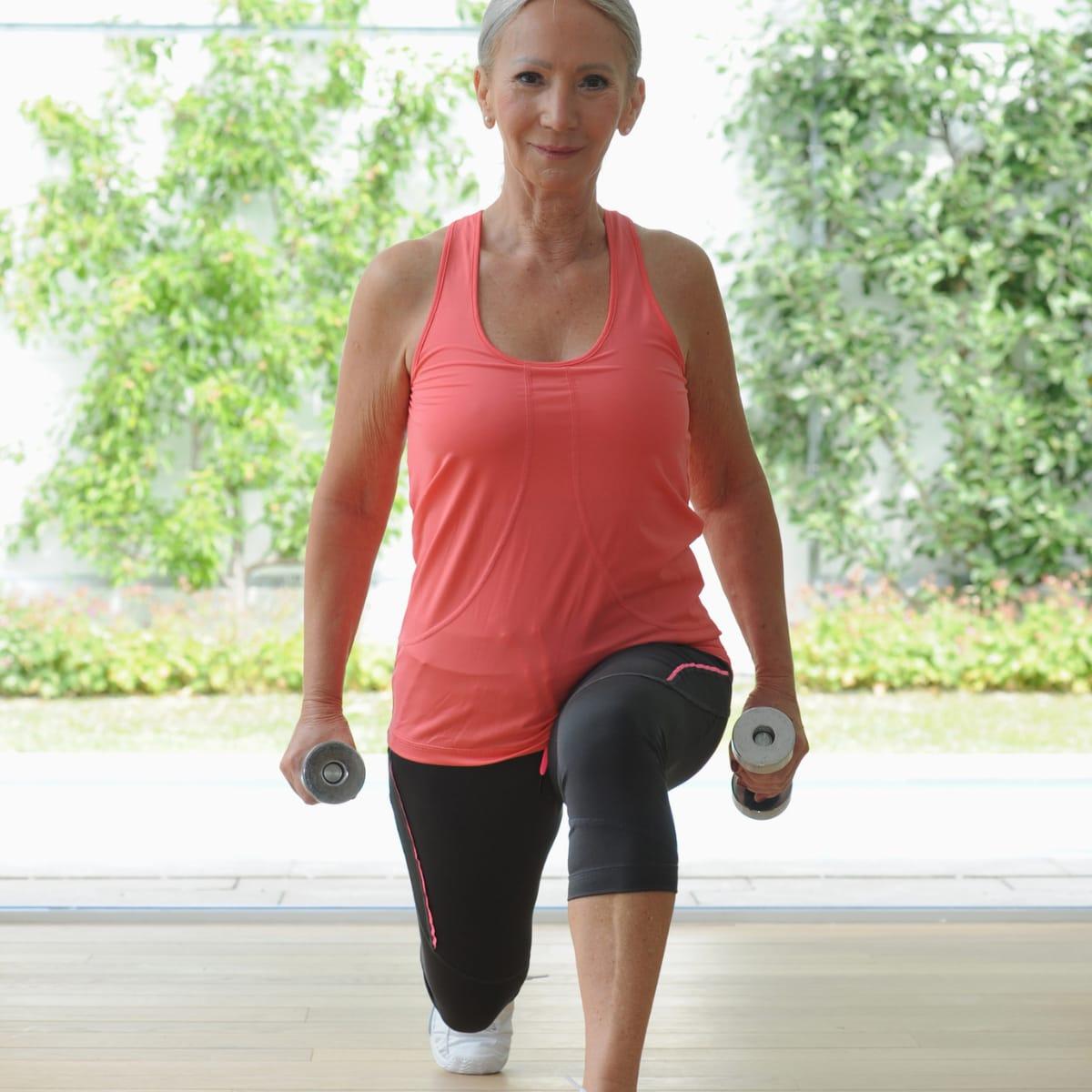
Recovery · Body
Plan 1–2 rest days a week. What happens in your muscles while you rest, and how alternating hard and easy workout days keeps you getting stronger.
December 21, 2024 · 3 min read
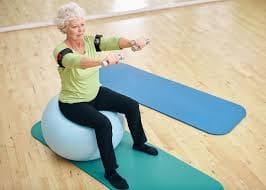
Body
Blood flow restriction (BFR) training builds muscle with very light weights. How it works, what the research says, and why it may be kinder to joints.
February 21, 2026 · 2 min read
Physical therapy treats a specific injury or condition, and it usually ends once you reach your therapy goals. TogetherWON picks up where therapy leaves off, building the strength, balance and confidence you need for everyday life.
We often describe it as the missing link between rehab and real life.
Yes. Our joint replacement programs help you get stronger before surgery and keep progressing after physical therapy ends.
Training after joint replacementPain is a signal, not something to push through. Mild discomfort can be fine, but moderate or sharp pain means we modify or back off. Your trainer checks in throughout every session.
Your first session is free: a one-hour consultation and movement assessment where we learn your goals and build a plan that fits your life.