Prehab training before knee or hip replacement in Colorado Springs
Go into surgery stronger, steadier and more confident. TogetherWON helps adults over 60 in Colorado Springs, Monument and online prepare for a knee or hip replacement with body, brain and balance training, starting with a free consultation.
Last updated
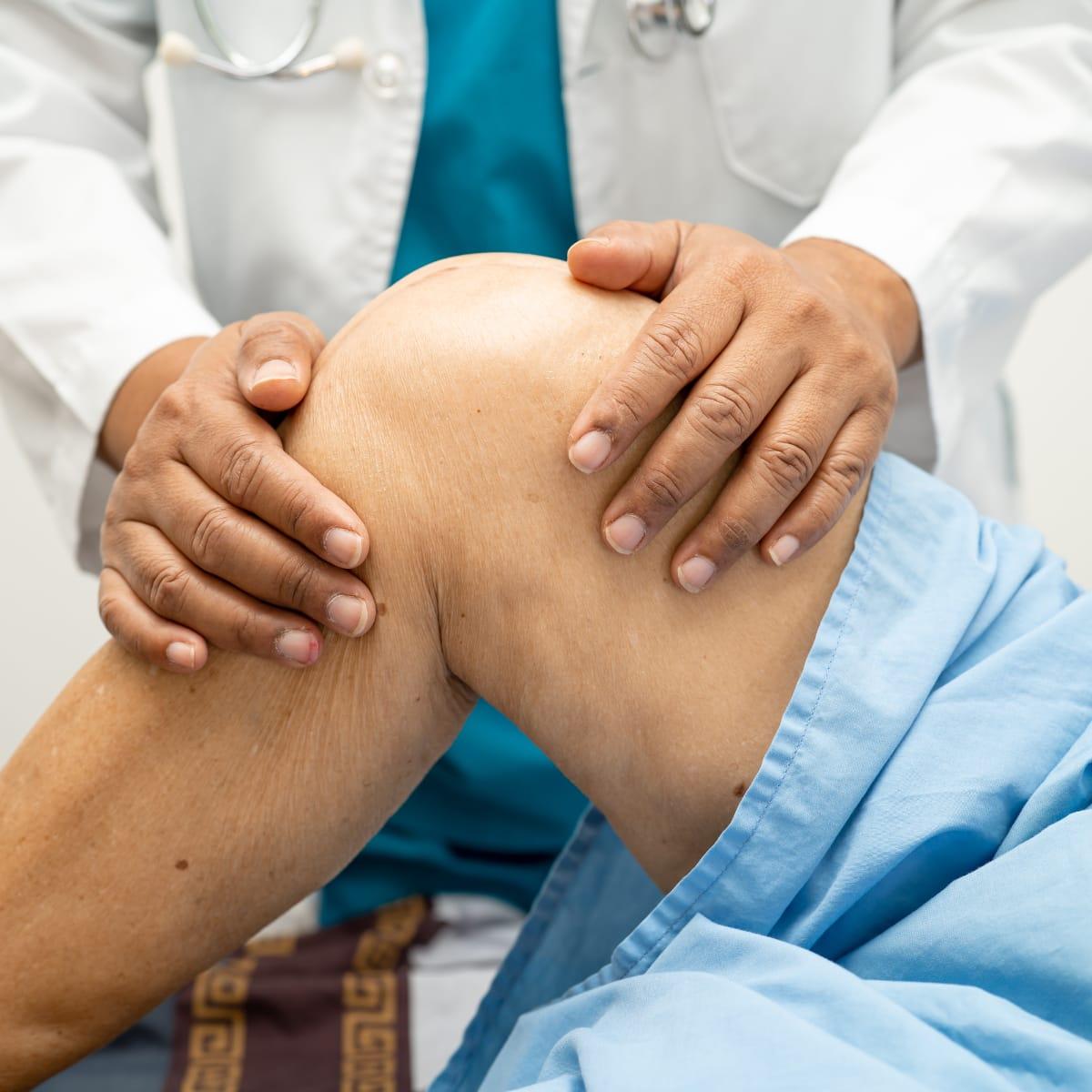
Stronger around your joint
Build the muscles that support your knee or hip now, so you have a head start when recovery begins.
Recovery moves, practiced ahead
Getting up from a chair, stepping onto a curb and using a walker are easier to learn before surgery than after it.
Peace of mind going in
Know what to expect, have a plan for after, and a trainer in your corner the whole way.
Surgery is on the calendar. Now what?
Your knee or hip has been limiting what you can do for a while. Surgery will fix the joint, but the muscles around it have gotten weaker, and there’s often little guidance on what to do in the weeks before your operation.
Maybe you’re worried about the pain, about how long recovery will take, or about falling on the way to the bathroom that first week home. Maybe you’re wondering whether you’ll get back to the things you love.
No one should walk into a major surgery feeling unprepared. You deserve a plan for before, not just after.
Sound familiar?
- Your knee or hip replacement is scheduled, or you’re talking with your surgeon about one
- Joint pain has made you less active, and you’ve lost strength
- You feel unsteady on your feet and worry about falling before surgery
- You’re nervous about recovery and want to do everything you can to prepare
Joint health in Colorado Springs, by the numbers
Arthritis is common here, our older population is growing fast, and joint replacement is one of the most common surgeries in the country.

TogetherWON will help you prepare
At TogetherWON, we know the weeks before a joint replacement can be hard: living with the pain, waiting for your date, and wondering how recovery will go. We regularly work with clients who have had joint replacements, and going in with a plan and a team in your corner makes the whole process less daunting.
- A Colorado Springs company focused only on adults over 60, helping clients get stronger since 2016
- Trainers who specialize in older adults and know how to build strength around a painful knee or hip
- Blood Flow Restriction (BFR) training when it fits, so your muscles get a strong training signal from very light loads
- We come to your home in Colorado Springs, Monument and the Tri-Lakes area, so you don’t have to drive to a gym on a sore joint
How prehab helps your body, brain and balance
Here’s what the research says about preparing for joint replacement. The benefits of prehab are real but modest, and they’re strongest in the first months of recovery, when you need them most.
Body
Better strength and function after surgery
Across 35 randomized trials, people who exercised before knee replacement had stronger thigh muscles, better function and shorter hospital stays afterward. People who exercised before hip replacement also had better function.5
Fewer complications early on
A 2025 overview of the research found that structured prehab reduced complications and improved strength, function and quality of life, with most of the benefit in the first six months.6
Brain
Keep your mind sharp for recovery
About 1 in 7 adults over 60 has a period of confusion called delirium after joint replacement. Regular exercise improves thinking skills in adults over 50, and in one trial, older adults who did some brain training before major surgery had less delirium afterward.7,8,9
Know what to expect
In a study of over 1,700 knee replacements, about 1 in 5 patients weren’t satisfied, and unmet expectations were the strongest reason. We talk through what recovery really looks like, so there are fewer surprises.10
Balance
Stay steady while you wait
Falls are common before surgery: in one study, about 1 in 4 people waiting for a knee replacement fell in the three months before their operation. Balance and leg strength training help you stay steady on a painful joint.11
A better chance of going straight home
In a study of 4,733 Medicare patients, those who had physical therapy before joint replacement used about 29% less post-surgery care such as skilled nursing and home health. The study shows a link, not proof, but it’s encouraging.12
Prepare for surgery in 3 simple steps
Book your free consultation
Call or send a message. In one free hour, we learn about your joint, your surgery date and your goals, and check your strength and balance.
Get your prehab plan
Your trainer builds a plan that strengthens the muscles around your joint without aggravating it, follows your surgeon’s guidance, and rehearses the moves you’ll need after surgery.
Go into surgery ready
Train at home or online until your surgery date. After physical therapy, we’re here to help you keep getting stronger.
Your prehab timeline
What we focus on from the day surgery is scheduled to the day you go in.
Assess and plan
When surgery is scheduled
Your free consultation measures your starting strength, balance and walking, so we know exactly what to build and can track your progress.
Build strength around the joint
In the weeks before surgery
Thigh, hip and core strength, balance practice, and walking or cycling as your joint allows, adjusted for pain and your surgeon’s guidance.
Rehearse recovery
In the last week or two
Practice getting in and out of a chair, bed and car, taking stairs one step at a time, and walking with a walker or cane, so the first days home feel familiar.
Therapy, then back to training
After surgery
Your physical therapist leads early recovery. When therapy ends, we pick up again to keep you getting stronger.
What’s at stake if you wait
- Going into surgery weaker, with more strength to rebuild afterward
- A higher risk of falling on a painful joint before your operation
- Starting recovery nervous and unsure what to expect
What it looks like with a plan
- You go into surgery stronger, steadier and more confident
- You already know how to get up from a chair, handle a step and use your walker
- You start physical therapy ready to work, with a trainer cheering you on
- You have a clear path back to walks, travel and time with the people you love
Stories from the TogetherWON community
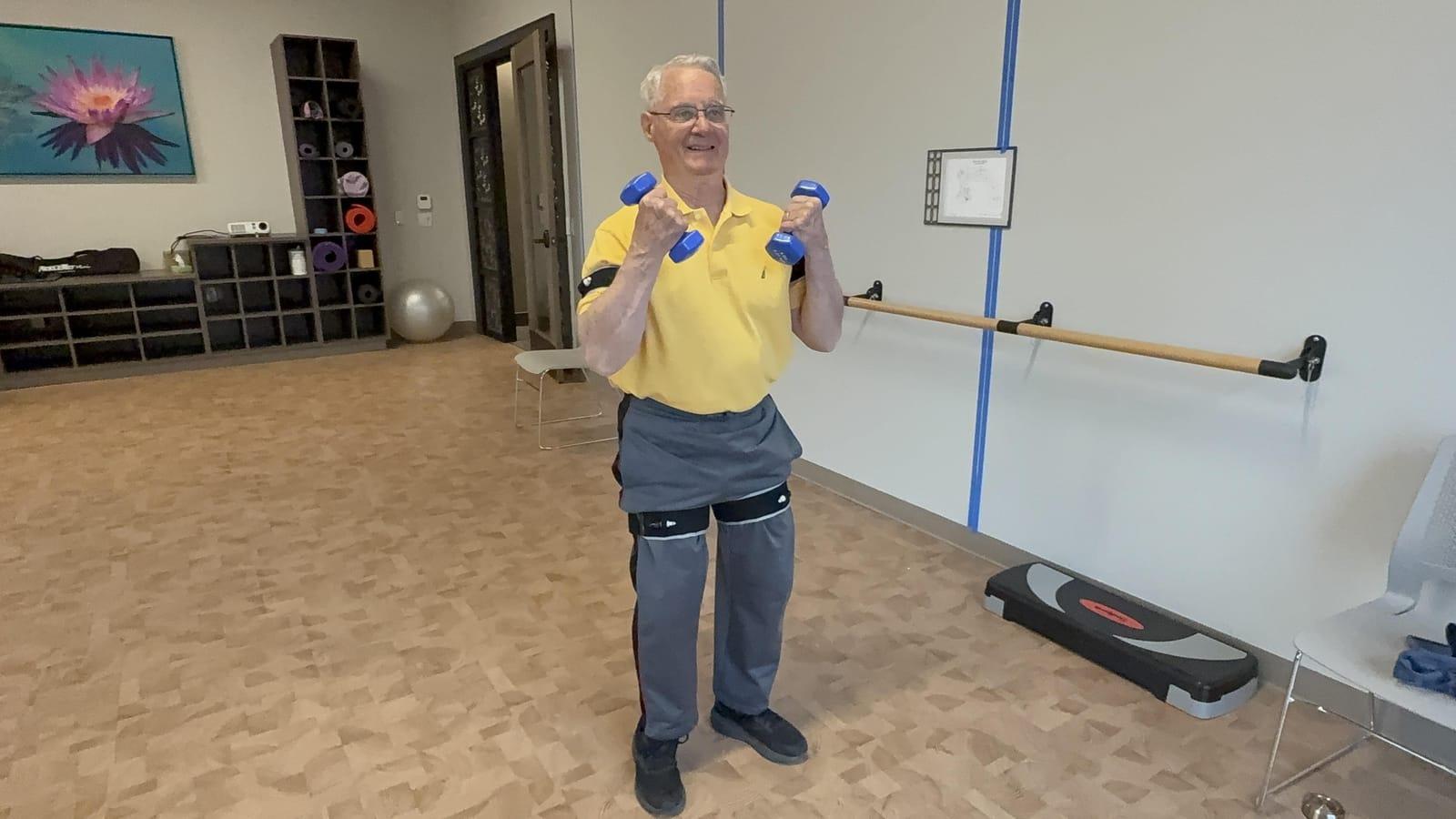
“For someone dealing with knee arthritis, being able to train the legs and improve endurance without making the knee worse is still a meaningful outcome.”
Kristen, on training with 82-year-old Pat Can You Get Stronger at 82? Pat's BFR Training Results
Read the story
“When we are working toward something specific, exercise starts to feel less like a task and more like preparation.”
From our Senior Games athletes’ story Senior Games Training: Why Having a Goal Motivates
Read the story
“It is not always the person who is the strongest at the first assessment.”
Kristen, on who does well in training How a Positive View of Aging Helps You Age Better
Read the story
Joint replacement prehab in Colorado Springs, explained
Prehab is exercise you do in the weeks before surgery to prepare your body for recovery. Before a knee or hip replacement, it focuses on strengthening the muscles around the joint, improving balance so you stay steady on a painful joint, and practicing the everyday movements you’ll need right after surgery.
A good prehab plan starts as soon as surgery is scheduled. TogetherWON begins with a free one-hour assessment of your strength, balance and walking, then builds a plan around your joint and any guidance from your surgeon. Research shows prehab can improve strength and function after surgery, with the biggest benefits in the first months of recovery.
Getting to a gym can be hard on a painful joint, so our trainers come to you anywhere in Colorado Springs, Monument, Palmer Lake and the Tri-Lakes area. If you live farther away, you can prepare with us online.
want these in your inbox?
Get my Saturday letters
One idea for your body, brain or balance each week, usually with a recipe. Unsubscribe any time.
One-on-one training starts at $198 a month, month to month, and your first one-hour consultation is free.
Frequently asked questions
What is prehab before joint replacement?
Prehab is exercise you do in the weeks before surgery to build strength, balance and confidence for your recovery. For a knee or hip replacement, it focuses on the muscles around the joint, getting up and down safely, and walking with good balance.
How far before surgery should I start prehab?
As soon as you know surgery is coming. Many prehab programs in the research last about 4 to 8 weeks, but even a few weeks of training helps you learn the movements you’ll use during recovery.
Is it safe to exercise with a knee or hip that needs replacing?
Yes, with the right exercises. We choose movements that strengthen the muscles around your joint without aggravating it, use pain as a guide, and follow any restrictions from your surgeon. For some people, Blood Flow Restriction training lets the muscles work hard while the joint carries very little load.
Sources
- Centers for Disease Control and Prevention. PLACES: local data for better health, arthritis among adults, Colorado Springs, CO. 2025 release (2023 data). View source
- Centers for Disease Control and Prevention. U.S. Chronic Disease Indicators: arthritis among adults aged 65 and older, Colorado, 2023. View source
- Colorado State Demography Office. Single year of age population estimates and forecasts, El Paso County, 2020 and 2035. View source
- Shichman I, Roof M, Askew N, et al. Projections and epidemiology of primary hip and knee arthroplasty in Medicare patients to 2040-2060. JB JS Open Access. 2023;8(1):e22.00112. View source
- Moyer R, Ikert K, Long K, Marsh J. The value of preoperative exercise and education for patients undergoing total hip and knee arthroplasty: a systematic review and meta-analysis. JBJS Rev. 2017;5(12):e2. View source
- Keogh JAJ, Keng I, Dhillon DS, et al. The effects of structured prehabilitation on postoperative outcomes following total hip and total knee arthroplasty: an overview of systematic reviews and meta-analyses of randomized controlled trials. J Orthop Sports Phys Ther. 2025;55(5):344-365. View source
- Ni Y, Yang X, Yang Y, Zhang H, Peng S. Incidence and factors associated with postoperative delirium after primary total joint arthroplasty in older adults: a systematic review and meta-analysis. Front Med (Lausanne). 2025;12:1664605. View source
- Northey JM, Cherbuin N, Pumpa KL, Smee DJ, Rattray B. Exercise interventions for cognitive function in adults older than 50: a systematic review with meta-analysis. Br J Sports Med. 2018;52(3):154-160. View source
- Humeidan ML, Reyes JC, Mavarez-Martinez A, et al. Effect of cognitive prehabilitation on the incidence of postoperative delirium among older adults undergoing major noncardiac surgery: the Neurobics randomized clinical trial. JAMA Surg. 2021;156(2):148-156. View source
- Bourne RB, Chesworth BM, Davis AM, Mahomed NN, Charron KD. Patient satisfaction after total knee arthroplasty: who is satisfied and who is not? Clin Orthop Relat Res. 2010;468(1):57-63. View source
- Swinkels A, Newman JH, Allain TJ. A prospective observational study of falling before and after knee replacement surgery. Age Ageing. 2009;38(2):175-181. View source
- Snow R, Granata J, Ruhil AV, et al. Associations between preoperative physical therapy and post-acute care utilization patterns and cost in total joint replacement. J Bone Joint Surg Am. 2014;96(19):e165. View source
Ready to get started?
Your first session is free: a one-hour consultation and movement assessment where we learn your goals and build a plan that fits your life.