How a Positive View of Aging Helps You Age Better
By Kristen Nielsen, Founder & Senior Fitness Specialist
· Updated · Brain & Stories · 4 minute read


Part of our guide: Exercise for Brain Health After 60
Key takeaways
- Believing "I can improve" makes older adults more likely to start and stick with exercise, and a 2002 study linked positive views of aging to living an average of 7.5 years longer.
- Kristen often finds that the clients who do well are the ones who believe, even quietly, that they can improve.
- Mindset can be trained. Small wins like one extra walk or one more sit-to-stand become evidence, and evidence builds belief.
A positive view of aging helps you age better because believing "I can improve" makes you more likely to start, stick with and progress in exercise. In one well-known 2002 study, people with more positive self-perceptions of aging even lived an average of 7.5 years longer. That's why I think mindset belongs in any conversation about exercise for brain health.
The One Thing I Can Often See Before a Client Ever Starts
After years of working with older adults, I've noticed something that has become hard to ignore.
Before we ever pick up a weight, practice balance, or do a single brain activity, I can often sense who is going to do well.
It is not always the person who is the strongest at the first assessment. It is not always the person with the fewest aches and pains. It is not even always the person who has exercised the most in the past.
Very often, it is the person who believes, even quietly, "I can improve."
That belief matters more than most people realize.
What Is Self-Efficacy, and Why Does It Matter for Exercise?
Self-efficacy is what researchers call this belief: your belief in your ability to succeed at a specific task. In exercise research, older adults with higher self-efficacy are more likely to start, continue, and stick with physical activity over time.
That makes sense. If someone believes, "This is pointless; I'm too old; my body can't change," they are less likely to keep going when exercise feels hard.
But if someone believes, "This may take time, but I can get stronger," that person is much more likely to practice, repeat, recover from setbacks, and improve.

Can a Positive Attitude About Aging Help You Live Longer?
Research suggests it may. There is fascinating research on beliefs about aging itself.
Studies from Yale have found that older adults with more positive beliefs about aging tend to have better long-term health outcomes.
In one well-known study, people with more positive self-perceptions of aging lived an average of 7.5 years longer than those with more negative views. Other research has linked positive age beliefs with better recovery from disability and improvements in walking speed and cognitive function.
That does not mean we can simply "think away" arthritis, pain, disease, or real physical limitations.
But it does mean this:
What we believe about aging can influence what we attempt. What we attempt influences what we practice. And what we practice changes the body.
I see this all the time.
How Can You Build a More Positive Mindset About Aging?
You build it the same way you build strength: with small, truthful statements and small wins that prove them.
Two people may begin with similar challenges. One says, "I'm just old now. This is what happens." The other says, "I know I have limitations, but I want to see what I can still improve."
Those two mindsets often lead to very different outcomes.
The good news is that mindset is not fixed. It can be trained.
You can begin with small, truthful statements:
- "I can improve a little."
- "My body still responds to practice."
- "Strength can be rebuilt."
- "Balance can be trained."
- "It is not too late to start."
And then you prove those statements to yourself through action:
One extra walk. One more sit-to-stand. One balance drill at the kitchen counter. One strength session completed when you did not feel like doing it.
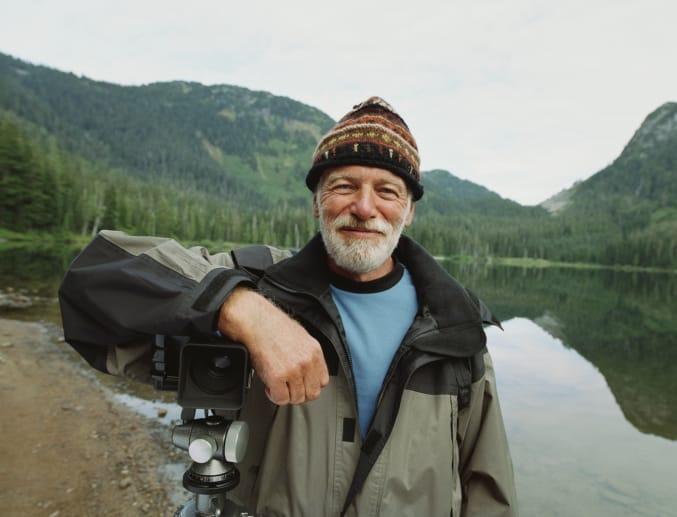
Over time, those small wins become evidence. And evidence builds belief.
Aging does bring changes. But decline is not the only story. Your body is still listening. Your brain is still adapting. Your muscles still respond to challenge. Your balance system can still be trained.
You may not control everything about your health.
But you have more influence than you may think.
And sometimes the first step toward getting stronger is believing that improvement is still possible. If you'd like someone in your corner while you prove it to yourself, that's what our in-home personal training is for.
Research on Mindset, Aging and Exercise
Here are five of the most influential and well-supported peer-reviewed articles behind the connection between mindset, aging, exercise adherence, and physical outcomes in older adults.
- Longevity Increased by Positive Self-Perceptions of Aging. Becca Levy's landmark Yale study found that older adults with more positive beliefs about aging lived an average of 7.5 years longer. Read the study
- Self-Efficacy and the Maintenance of Exercise Participation in Older Adults. A foundational study showing that belief in one's ability to exercise strongly predicts long-term participation in exercise programs. Read the study
- Self-Efficacy: Implications for Physical Activity, Function, and Functional Limitations in Older Adults. A comprehensive review explaining how self-efficacy influences physical activity, mobility, and independence in aging adults. Read the review
- Longitudinal Benefit of Positive Self-Perceptions of Aging on Functional Health. This study found that older adults with more positive views of aging maintained better functional health over many years. Read the study
- Self-Regulatory Processes and Exercise Adherence in Older Adults: Executive Function and Self-Efficacy Effects. This research demonstrated that self-efficacy plays a major role in whether older adults sustain exercise behaviors long term. Read the study
Kristen
Try the recipe: This broccoli crunch salad combines fiber, protein, healthy fats, and plenty of texture without relying on added sugar — get the recipe.
Sources
- Levy BR, Slade MD, Kunkel SR, Kasl SV. Longevity increased by positive self-perceptions of aging. J Pers Soc Psychol. 2002;83(2):261-270. View source
- Levy BR, Slade MD, Murphy TE, Gill TM. Association between positive age stereotypes and recovery from disability in older persons. JAMA. 2012;308(19):1972-1973. View source
- Hausdorff JM, Levy BR, Wei JY. The power of ageism on physical function of older persons: reversibility of age-related gait changes. J Am Geriatr Soc. 1999;47(11):1346-1349. View source
- McAuley E, Szabo A, Gothe N, Olson EA. Self-efficacy: implications for physical activity, function, and functional limitations in older adults. Am J Lifestyle Med. 2011;5(4):361-369. View source
This article is for general education and isn't medical advice. Please talk with your doctor before starting a new exercise, nutrition or supplement routine. See our health disclaimer.


About the author
Kristen Nielsen
Kristen founded TogetherWON after watching what strength training could do for older adults — including her own grandparents. She's an ACE Certified Personal Trainer with 10+ years in functional aging, a University of Central Florida graduate, and a former Division I swimmer and track & field athlete.
Senior Fitness Specialist · Functional Aging Specialist · Parkinson's Disease Specialist · Brain Health Trainer · Corrective Exercise Specialist
want these in your inbox?
Get my Saturday letters
One idea for your body, brain or balance each week, usually with a recipe. Unsubscribe any time.
Keep reading
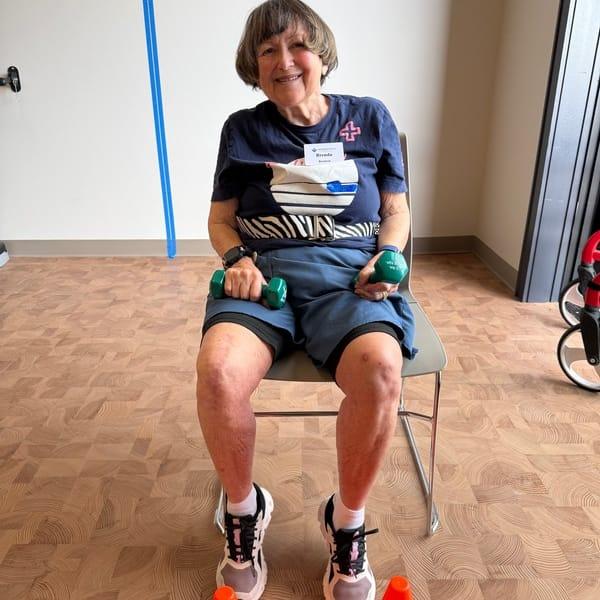
Stories · Brain
Exercise with Dementia and Parkinson's: Brenda's Story
Brenda lives with Parkinson's-type symptoms and dementia. See how music, visual cues and simple, one-step instructions help her keep moving.
June 6, 2026 · 4 min read
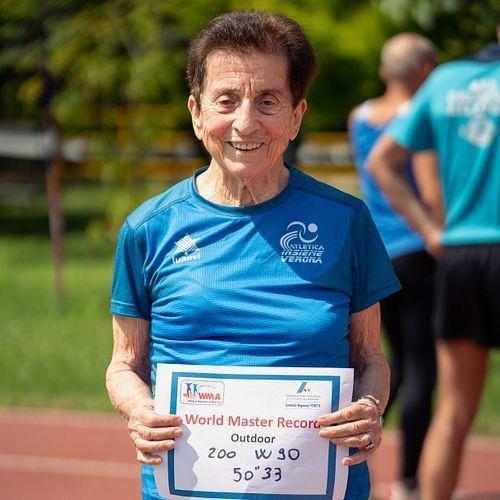
Body · Stories
Building Muscle at 91: What a Sprinter Teaches Us
Researchers tested the muscles of a 91-year-old world-record sprinter. What they found shows why strength and power stay trainable as we age.
September 19, 2026 · 3 min read

Brain · Body
Music and Movement: A Brain-Body Workout to a Song
Pick a favorite song and let it set your pace. This simple music-and-movement workout challenges your brain and body at any fitness level.
September 12, 2026 · 2 min read