Exercise for Brain Health After 60
By Kristen Nielsen, Founder & Senior Fitness Specialist · Updated · 10 minute read
The best exercises to keep your brain sharp after 60 combine movement with thinking. Moderate-to-challenging cardio like brisk walking intervals, strength training two to three times a week, and brain-body drills such as counting backward while you stand up from a chair all support memory, focus and cognitive reserve. Short, consistent sessions work.
Key takeaways
- Some slowing with age is normal, but significant cognitive decline is not inevitable. The brain stays adaptable throughout life, and many risk factors can be changed.
- Regular aerobic exercise increased the size of the hippocampus, a key memory area, in older adults, and strength training benefits memory, attention and decision-making.
- Moving while thinking helps the brain even more than either alone. Try counting backward by 3s during sit-to-stands or naming items in a category while you march.
- Food, sleep, stress, purpose and even your beliefs about aging all shape how your brain ages.
A common question I hear is: "Isn't cognitive decline just part of getting older?"
Here's the honest answer: some slowing is normal. But significant decline is not inevitable, and many of the risk factors for dementia can be changed.1
The brain is not fixed. It stays adaptable throughout life. This ability is called neuroplasticity, the brain's capacity to form new connections in response to challenge. Brain training is a key part of my practice because the health of the brain affects the entire body, and exercise is one of the most powerful ways to train it.
This guide brings together what I've written about exercise and the brain: what the research shows, which kinds of exercise help most, brain-body drills you can try today, and the everyday habits that support them.
Is Memory Loss Just Normal Aging?
Have you ever walked into a room and forgotten why you went there? Or searched for a name that used to come easily? Some changes in memory are a normal part of aging. Our brains may process information a little more slowly, and retrieving something we know can take longer.
But how our brains age isn't completely out of our control. Our brains respond to many of the same things that affect blood pressure: exercise, sleep, stress, nutrition and environment. I explain this more in is it memory loss or normal aging?
The goal is to build cognitive reserve, the brain's ability to handle challenges like aging, injury or disease by finding other ways to keep thinking and memory working.2 When your cognitive reserve is high, your brain can function at a higher level even in the face of natural aging. Read brain exercises for seniors: build cognitive reserve.
Researchers who study "super agers," adults over 80 with exceptional memory, recently found they had more new or immature brain cells in the hippocampus than typical older adults.3 We don't fully understand why. But people who age well tend to share a few habits: they stay active, remain mentally engaged, and consistently challenge both body and brain. More in what super agers teach us about brain health.
How Exercise Changes Your Brain
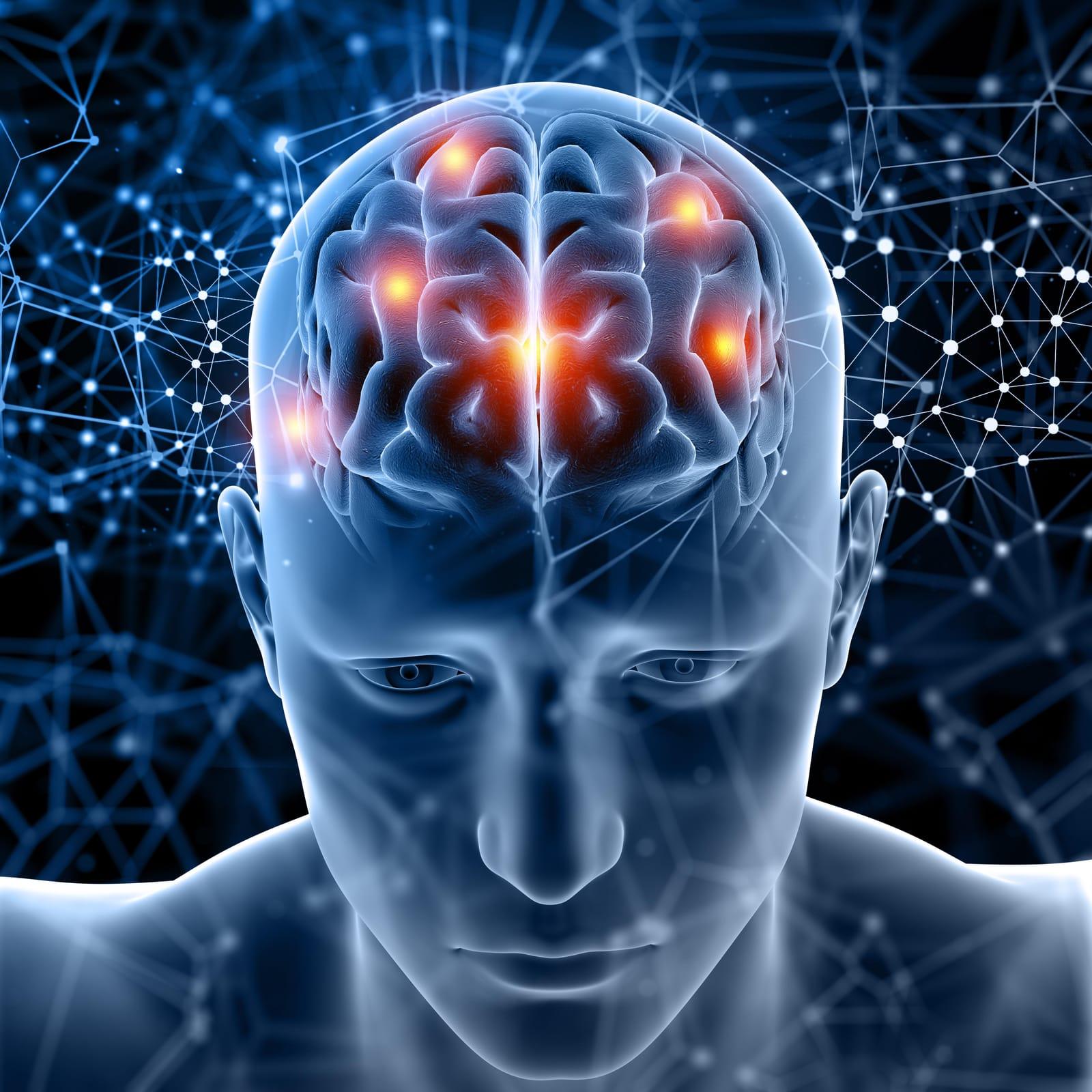
It can grow the memory center. In one randomized study, a year of aerobic exercise increased the size of the hippocampus, an area heavily involved in memory, by about 2% in older adults, and was associated with better memory.4 That's not just maintaining function. That's structural change.
It releases "fertilizer" for the brain. When you exercise, your body releases BDNF (brain-derived neurotrophic factor), a protein that helps grow new brain cells and strengthens connections between them.5,6 When your muscles work hard, lactate rises, travels to the brain and helps trigger BDNF release.7 In simple terms: a little hard work tells your brain to grow stronger. I explain this in why cardio helps your brain.
It improves blood flow. Stronger muscles and a healthier heart mean more oxygen and nutrients reaching your brain.
Your legs matter. In a 10-year study of middle-aged and older women, those with more leg power at the start had better cognitive function a decade later. Among twins, the one with stronger legs often had better brain function later, despite sharing the same genes.8 Read more in leg strength and brain health, and check your own leg strength with the 30-second chair stand test.
The Best Types of Exercise for Your Brain
Cardio That Gets You Breathing
Moderate-to-challenging exercise seems to help most, the kind that makes you breathe faster, feel warm and think, "I'm working hard, but I can keep going." You do not need extreme workouts or long gym sessions.
Strength Training
Strength training is one of the brain's biggest allies. Exercise, including resistance training, improves cognitive function in adults over 50.9 In a Canadian study, women aged 65–75 who did resistance training twice a week improved attention and decision-making,10 had slower growth of white matter lesions in the brain,11 and kept some of those benefits a year after training ended.12 Resistance training benefits several areas of thinking in older adults, including executive function.13 Learn more in does strength training help your brain and memory? and the strength training for seniors guide.
Moving While Thinking
This is where it gets exciting. Studies show that combining physical activity with a cognitive challenge can improve both thinking and physical function in older adults, and may help more than either alone.14,15
- Movement helps the brain.
- Thinking helps the brain.
- Moving while thinking helps it even more.
When you balance while counting backward, step in patterns while responding to cues, or coordinate movement with attention, you activate several brain networks at once. That strengthens communication between the areas responsible for memory, reaction time, processing speed, executive function and balance.
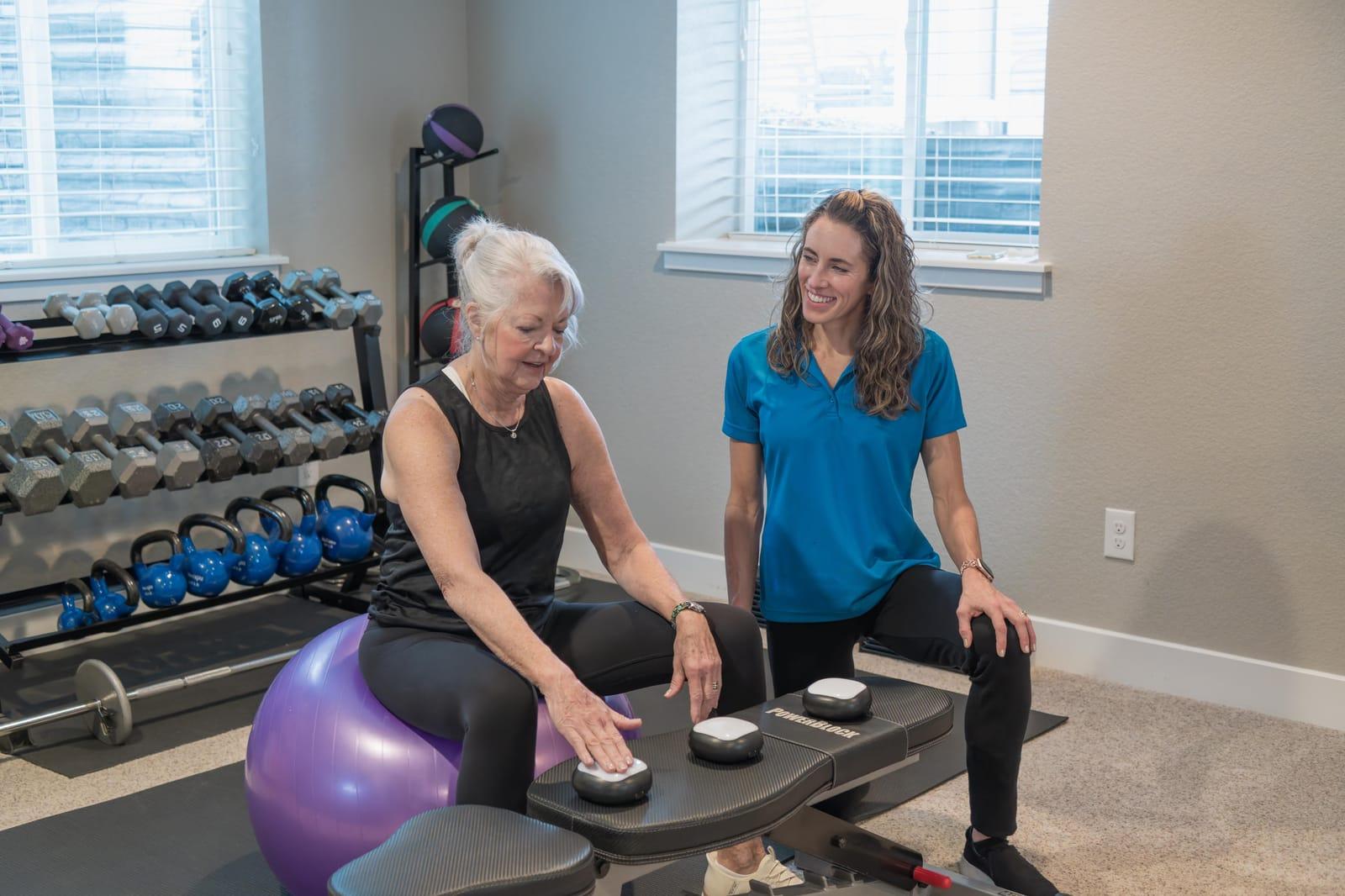
In the photo at the top of this guide, my client Shirley is doing a neuromotor (brain and body) activity with interactive lights. But you don't need special equipment. You also don't need to "train your brain" for hours. Short, intentional bouts, done consistently, are powerful. Many of these exercises are partner-based, which adds another protective factor: social connection. Here's a partner neuromotor exercise from our TogetherWON app, starring my awesome parents: Rules Toss Partner, Level 3.
Small, consistent challenges build cognitive reserve over time.
Balance Work
Balance itself requires your brain to process a tremendous amount of information: what you see, what you feel under your feet, where your body is in space, and how to respond. Dual-task training may also improve balance in older adults.16 See the balance exercises for seniors guide and dual-task walking exercises.
Brain-Body Exercises to Try at Home
Start near a kitchen counter, wall or sturdy chair. If the thinking part makes you unsteady, slow the movement down, simplify the mental task, or do it seated. The goal is not to go fast.
1. The Rule-Switch March
- March slowly in place.
- Each time your right knee comes up, say the next number: 1, 2, 3…
- Each time your left knee comes up, say the next letter: A, B, C…
- After 20–30 seconds, switch the rules: right knee gets letters, left knee gets numbers.
Seated option: sit tall toward the front of a sturdy chair and alternate lifting your feet. Start with 30 seconds. Marching works your hips, legs and balance, while switching rules trains working memory and cognitive flexibility. Full details are in brain-body exercises for seniors.
2. Counting Sit-to-Stands
- Sit toward the front of a sturdy chair, feet flat and shoulder-width apart.
- Stand up and sit down with control while counting backward from 100 by 3s.
- Do 10 repetitions. For a bigger challenge, count backward by 4s.
3. The Peace/OK Challenge
This playful finger exercise wakes up your brain in seconds, and it's great for coordination between both sides of the brain.
- With one hand, make a peace sign.
- With the other hand, make an OK sign.
- Now switch hands. Keep switching back and forth.
Sounds easy, right? Try it a few times. It challenges your focus, coordination and ability to switch tasks quickly.
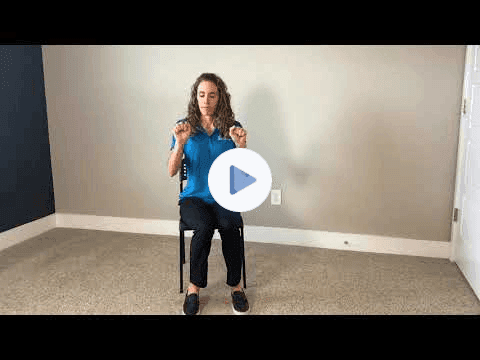
Watch the Peace/OK Challenge video on YouTube and try it alongside me.
4. Category Presses
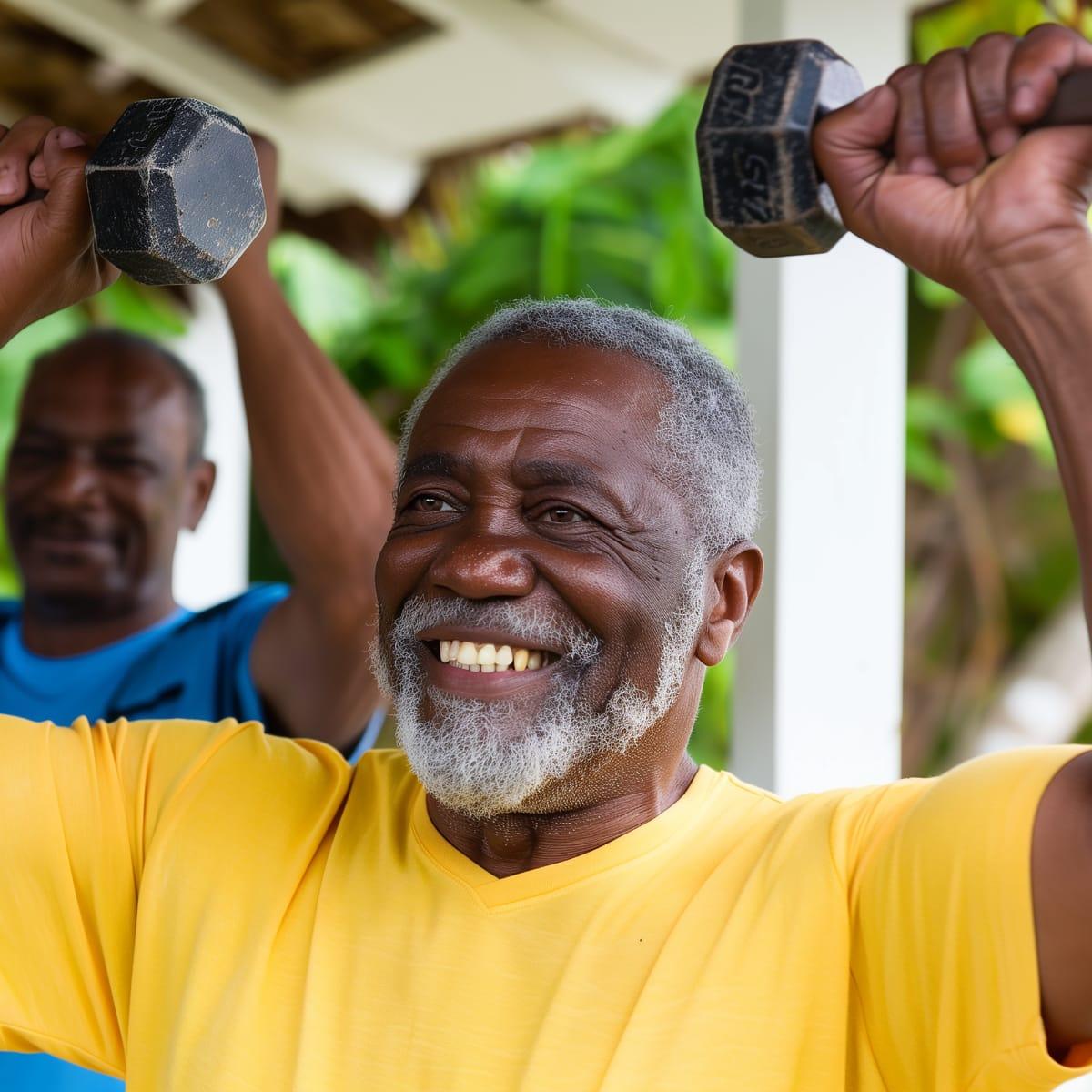
Hold light dumbbells, soup cans or a resistance band. As you press overhead, name as many items as you can in a category, like capital cities, fruits or animals. Other ideas: toss and catch a ball while marching, or memorize a poem while walking.
5. The Song Workout
This is one of my personal favorites. Pick one favorite song. Walk (or march seated) at an easy pace during the verses, pick up your pace during the chorus, and slow back down when the verse returns. For an extra challenge, choose one repeated word and take three bigger steps each time you hear it. Research with older adults suggests music-based multitask training can challenge both brain and body.17,18 Read music and movement: a brain-body workout to a song.
6. The Brain-Boosting Mini-Circuit
Do one round, 2–3 times a week:
- Chair sit-to-stands: 10 reps
- Overhead press with weights or cans: 10 reps
- Marching in place with arm swings: 30 seconds, counting backward by 3s
- Wall push-ups: 10 reps
How Much and How Often
You don't need to exercise forever or exercise perfectly. You just need to challenge yourself a little, often enough to tell your brain, "Hey, we're still using this!"
A simple week might look like this:
- Cardio: aim for at least 150 minutes of activity a week.19 Add brisk walking intervals once or twice a week: walk at a comfortable pace for 2 minutes, then faster for 30–60 seconds, and repeat 5–10 times.
- Strength: 2–3 sessions a week of sit-to-stands, step-ups, wall push-ups, band rows and carries.
- Brain-body drills: a few minutes most days, layered into your walks and strength work.
- Balance: a little every day.
If you'd like a program that trains all three together, that's exactly what we do in in-home personal training and online training. I call it training the Body, Brain and Balance.
Beyond Exercise: Food, Sleep and Purpose
Calm inflammation. Chronic inflammation is linked to heart disease, diabetes and arthritis, and growing evidence connects it to brain aging and Alzheimer's disease.20 Regular exercise lowers inflammatory markers,21 and so do good sleep, stress management and cutting back on processed foods and sugary drinks. See inflammation and brain health.
Eat a brain-friendly pattern. More inflammatory diets have been associated with a greater risk of dementia,22 while Mediterranean-style eating, rich in vegetables, fruits, beans, nuts, whole grains, fish and olive oil, has shown promising effects on cognition.23 It's the overall pattern that matters, not any one "brain food." Nearly 60% of your brain's dry weight is fat, so the kind you eat matters too. Read healthy fats for brain health.
Protect your sleep. Deep sleep helps the brain store memories from the day.24
Find purpose, outdoors if you can. Gardening combines movement, planning, sunlight and purpose. One large study found that older adults who regularly did garden work had a lower risk of developing dementia, though that doesn't prove gardening alone prevents it.25 More in gardening for brain health.
Believe you can improve. In one well-known study, people with more positive views of aging lived an average of 7.5 years longer.26 Older adults with higher self-efficacy, the belief that they can succeed, are also more likely to stick with exercise.27 Read how a positive view of aging helps you age better.
Exercise with Parkinson's or Dementia
Exercise doesn't cure Parkinson's. But in the SPARX trial, people with early Parkinson's who did high-intensity aerobic exercise had slower worsening of motor symptoms than those receiving usual care.28 A 2023 Cochrane review found that structured exercise improves motor symptoms, balance, walking and quality of life, especially when it is ongoing and progressively challenging.29 I explain why in exercise for Parkinson's: why the effort is worth it.
For people living with cognitive changes, training looks different. My client Brenda lives with Parkinson's-type symptoms and dementia. We use her favorite music and visual cues for foot placement, which can give the brain another signal to follow when movement feels stuck,30 and we keep instructions simple: one step at a time, at a slower pace. Recently she has taken some steps without her walker. Read Brenda's story, and learn about our Parkinson's exercise program.
Common Mistakes to Avoid
Training the brain only while sitting still. Puzzles are worthwhile, but real life asks us to think while we move.
Keeping it too easy. Your brain responds to challenge. If a drill feels automatic, add a rule, a new category or a little speed.
Letting the thinking task make movement unsafe. If you wobble, slow down, hold on, or practice the pieces separately.
Waiting until there's a problem. Cognitive decline doesn't start at 80. It's shaped by habits in your 40s, 50s, 60s and 70s.
When to Talk With Your Doctor
If memory changes are getting in the way of daily life, or you or your family are worried, talk with your doctor. Check with them before starting a new program if you have heart disease, Parkinson's or another neurological condition, or a recent change in your health.
The main goal with brain-body training isn't to avoid aging. It's to actively stimulate the brain instead of letting it go unstimulated. And that's something you can start today.
This guide is for general education and isn't medical advice. Please talk with your doctor before starting a new exercise, nutrition or supplement routine.
Read more from Kristen
Brain · Body
Brain Exercises for Seniors: Build Cognitive Reserve
Brain health is fluid, not fixed. Learn what cognitive reserve is and try five simple brain-and-body exercises that pair movement with mental challenges.
September 21, 2024 · 3 min read
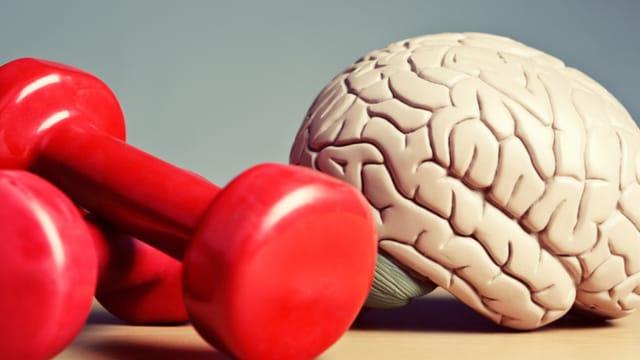
Brain · Body
Brain-Body Exercises for Seniors: The Rule-Switch March
Brain-body exercises pair movement with a mental challenge. Try the Rule-Switch March, a simple standing or seated drill for focus and balance.
July 11, 2026 · 3 min read

Brain · Body
Does Strength Training Help Your Brain and Memory?
Strength training helps your brain as well as your muscles. What the research shows, how BDNF works, and a simple mini-circuit to try at home.
April 26, 2025 · 2 min read
Brain · Body
How Exercise Boosts BDNF, Your Brain's Fertilizer
When you exercise hard enough to breathe faster, lactate helps trigger BDNF, a brain "fertilizer." Here are simple ways for adults over 60 to get there.
January 17, 2026 · 2 min read

Brain
Forgetful After 60? 7 Habits That Help Protect Your Memory
Forgetting why you walked into a room is often normal with age. Seven habits, from strength training to sleep, that help protect your memory after 60.
August 15, 2026 · 4 min read
Brain · Body
What Super Agers Teach Us About Brain Health
A Nature study found super agers over 80 have more immature neurons in the hippocampus. What that means, and why we train body and brain together.
April 18, 2026 · 2 min read
Recipes to try
Dessert
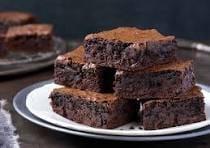
Flourless Black Bean Brownies
Fudgy flourless brownies made with black beans, cocoa and monk fruit — no refined sugar, high in fiber and a healthier sweet treat.
9 brownies
Snack
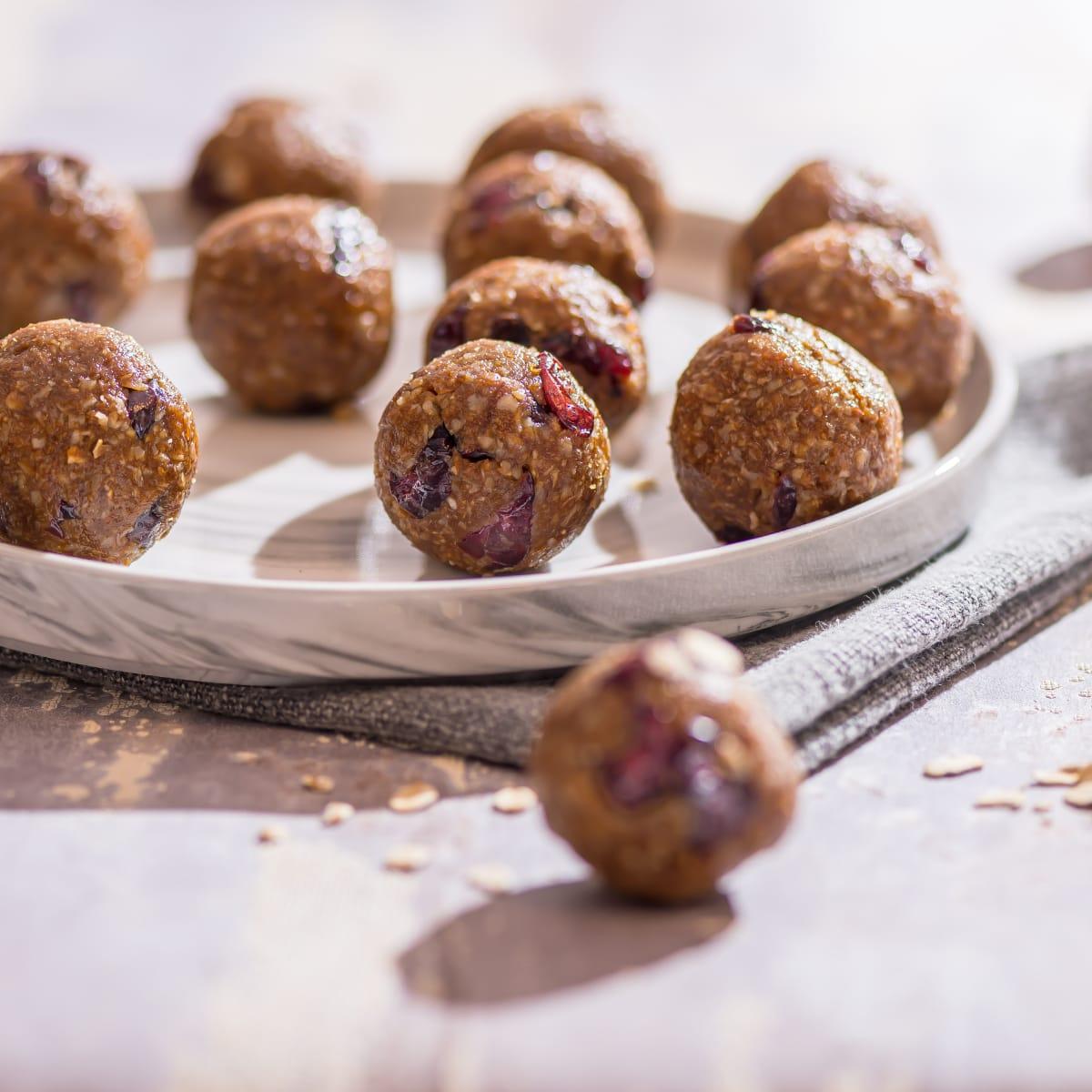
No-Bake Walnut Energy Bites
No-bake oat bites with walnuts, dried blueberries, flaxseed and almond butter, sweetened with a touch of honey or ripe banana.
About 12 bites

Side
Cucumber, Watermelon & Mint Salad with Lime
Watermelon, cucumber, red onion and fresh mint tossed in a simple lime dressing, topped with feta and seeds. A hydrating, light summer salad.
2–4 servings
Frequently asked questions
What type of exercise is best for brain health in older adults?
A mix works best: moderate-to-challenging cardio that makes you breathe faster, strength training two to three times a week, and exercises that combine movement with a thinking task. Combining physical and mental challenge appears to help more than either one alone.
Can exercise improve memory after 60?
Yes. In one randomized study, a year of aerobic exercise increased the size of the hippocampus, a brain area heavily involved in memory, by about 2% in older adults and was linked to better memory. Strength training also benefits memory, attention and decision-making.
Are crossword puzzles enough to keep your brain sharp?
Puzzles are worthwhile, but they aren't the whole picture. In real life we rarely use our brains while sitting still, and pairing a mental challenge with movement, like naming capital cities while doing overhead presses, builds more new connections between brain and body.
Is it normal to forget words and names as you get older?
Some memory changes are a normal part of aging. The brain may process information more slowly, and retrieving a name or word can take longer. But how your brain ages isn't completely out of your control, and exercise, sleep and food all play a role. If memory changes are getting in the way of daily life, talk with your doctor.
How long do brain exercises for seniors need to take?
Not long. You don't need to train your brain for hours. Short, intentional bouts of combined movement and thinking, like 30 seconds of a marching drill or one favorite song, done consistently, can build cognitive reserve over time.
Sources
- Livingston G, Huntley J, Liu KY, et al. Dementia prevention, intervention, and care: 2024 report of the Lancet standing Commission. Lancet. 2024;404(10452):572-628. View source
- Stern Y. Cognitive reserve in ageing and Alzheimer's disease. Lancet Neurol. 2012;11(11):1006-1012. View source
- Disouky A, Sanborn MA, Sabitha KR, et al. Human hippocampal neurogenesis in adulthood, ageing and Alzheimer's disease. Nature. 2026;652(8112):1264-1273. View source
- Erickson KI, Voss MW, Prakash RS, et al. Exercise training increases size of hippocampus and improves memory. Proc Natl Acad Sci U S A. 2011;108(7):3017-3022. View source
- Szuhany KL, Bugatti M, Otto MW. A meta-analytic review of the effects of exercise on brain-derived neurotrophic factor. J Psychiatr Res. 2015;60:56-64. View source
- Marinus N, Hansen D, Feys P, Meesen R, Timmermans A, Spildooren J. The impact of different types of exercise training on peripheral blood brain-derived neurotrophic factor concentrations in older adults: a meta-analysis. Sports Med. 2019;49(10):1529-1546. View source
- Müller P, Duderstadt Y, Lessmann V, Müller NG. Lactate and BDNF: key mediators of exercise induced neuroplasticity? J Clin Med. 2020;9(4):1136. View source
- Steves CJ, Mehta MM, Jackson SHD, Spector TD. Kicking back cognitive ageing: leg power predicts cognitive ageing after ten years in older female twins. Gerontology. 2016;62(2):138-149. View source
- Northey JM, Cherbuin N, Pumpa KL, Smee DJ, Rattray B. Exercise interventions for cognitive function in adults older than 50: a systematic review with meta-analysis. Br J Sports Med. 2018;52(3):154-160. View source
- Liu-Ambrose T, Nagamatsu LS, Graf P, Beattie BL, Ashe MC, Handy TC. Resistance training and executive functions: a 12-month randomized controlled trial. Arch Intern Med. 2010;170(2):170-178. View source
- Bolandzadeh N, Tam R, Handy TC, et al. Resistance training and white matter lesion progression in older women: exploratory analysis of a 12-month randomized controlled trial. J Am Geriatr Soc. 2015;63(10):2052-2060. View source
- Best JR, Chiu BK, Liang Hsu C, Nagamatsu LS, Liu-Ambrose T. Long-term effects of resistance exercise training on cognition and brain volume in older women: results from a randomized controlled trial. J Int Neuropsychol Soc. 2015;21(10):745-756. View source
- Li Z, Peng X, Xiang W, Han J, Li K. The effect of resistance training on cognitive function in the older adults: a systematic review of randomized clinical trials. Aging Clin Exp Res. 2018;30(11):1259-1273. View source
- Gavelin HM, Dong C, Minkov R, et al. Combined physical and cognitive training for older adults with and without cognitive impairment: a systematic review and network meta-analysis of randomized controlled trials. Ageing Res Rev. 2021;66:101232. View source
- Gheysen F, Poppe L, DeSmet A, et al. Physical activity to improve cognition in older adults: can physical activity programs enriched with cognitive challenges enhance the effects? A systematic review and meta-analysis. Int J Behav Nutr Phys Act. 2018;15(1):63. View source
- Ercan Yildiz S, Fidan O, Gulsen C, Colak E, Genc GA. Effect of dual-task training on balance in older adults: a systematic review and meta-analysis. Arch Gerontol Geriatr. 2024;121:105368. View source
- Trombetti A, Hars M, Herrmann FR, Kressig RW, Ferrari S, Rizzoli R. Effect of music-based multitask training on gait, balance, and fall risk in elderly people: a randomized controlled trial. Arch Intern Med. 2011;171(6):525-533. View source
- Hars M, Herrmann FR, Gold G, Rizzoli R, Trombetti A. Effect of music-based multitask training on cognition and mood in older adults. Age Ageing. 2014;43(2):196-200. View source
- Bull FC, Al-Ansari SS, Biddle S, et al. World Health Organization 2020 guidelines on physical activity and sedentary behaviour. Br J Sports Med. 2020;54(24):1451-1462. View source
- Kinney JW, Bemiller SM, Murtishaw AS, Leisgang AM, Salazar AM, Lamb BT. Inflammation as a central mechanism in Alzheimer's disease. Alzheimers Dement (N Y). 2018;4:575-590. View source
- Gleeson M, Bishop NC, Stensel DJ, Lindley MR, Mastana SS, Nimmo MA. The anti-inflammatory effects of exercise: mechanisms and implications for the prevention and treatment of disease. Nat Rev Immunol. 2011;11(9):607-615. View source
- Charisis S, Ntanasi E, Yannakoulia M, et al. Diet inflammatory index and dementia incidence: a population-based study. Neurology. 2021;97(24):e2381-e2391. View source
- Valls-Pedret C, Sala-Vila A, Serra-Mir M, et al. Mediterranean diet and age-related cognitive decline: a randomized clinical trial. JAMA Intern Med. 2015;175(7):1094-1103. View source
- Mander BA, Rao V, Lu B, et al. Prefrontal atrophy, disrupted NREM slow waves and impaired hippocampal-dependent memory in aging. Nat Neurosci. 2013;16(3):357-364. View source
- Simons LA, Simons J, McCallum J, Friedlander Y. Lifestyle factors and risk of dementia: Dubbo Study of the elderly. Med J Aust. 2006;184(2):68-70. View source
- Levy BR, Slade MD, Kunkel SR, Kasl SV. Longevity increased by positive self-perceptions of aging. J Pers Soc Psychol. 2002;83(2):261-270. View source
- McAuley E, Szabo A, Gothe N, Olson EA. Self-efficacy: implications for physical activity, function, and functional limitations in older adults. Am J Lifestyle Med. 2011;5(4):361-369. View source
- Schenkman M, Moore CG, Kohrt WM, et al. Effect of high-intensity treadmill exercise on motor symptoms in patients with de novo Parkinson disease: a phase 2 randomized clinical trial. JAMA Neurol. 2018;75(2):219-226. View source
- Ernst M, Folkerts AK, Gollan R, et al. Physical exercise for people with Parkinson's disease: a systematic review and network meta-analysis. Cochrane Database Syst Rev. 2023;1(1):CD013856. View source
- Lee SJ, Yoo JY, Ryu JS, Park HK, Chung SJ. The effects of visual and auditory cues on freezing of gait in patients with Parkinson disease. Am J Phys Med Rehabil. 2012;91(1):2-11. View source
This guide is for general education and isn't medical advice. Please talk with your doctor before starting a new exercise, nutrition or supplement routine. See our health disclaimer.

About the author
Kristen Nielsen
Kristen founded TogetherWON after watching what strength training could do for older adults — including her own grandparents. She's an ACE Certified Personal Trainer with 10+ years in functional aging, a University of Central Florida graduate, and a former Division I swimmer and track & field athlete.
Senior Fitness Specialist · Functional Aging Specialist · Parkinson's Disease Specialist · Brain Health Trainer · Corrective Exercise Specialist
want these in your inbox?
Get my Saturday letters
One idea for your body, brain or balance each week, usually with a recipe. Unsubscribe any time.