Leg Strength and Brain Health: A 10-Year Study
By Kristen Nielsen, Founder & Senior Fitness Specialist
· Updated · Brain & Body · 2 minute read
Part of our guide: Exercise for Brain Health After 60
Key takeaways
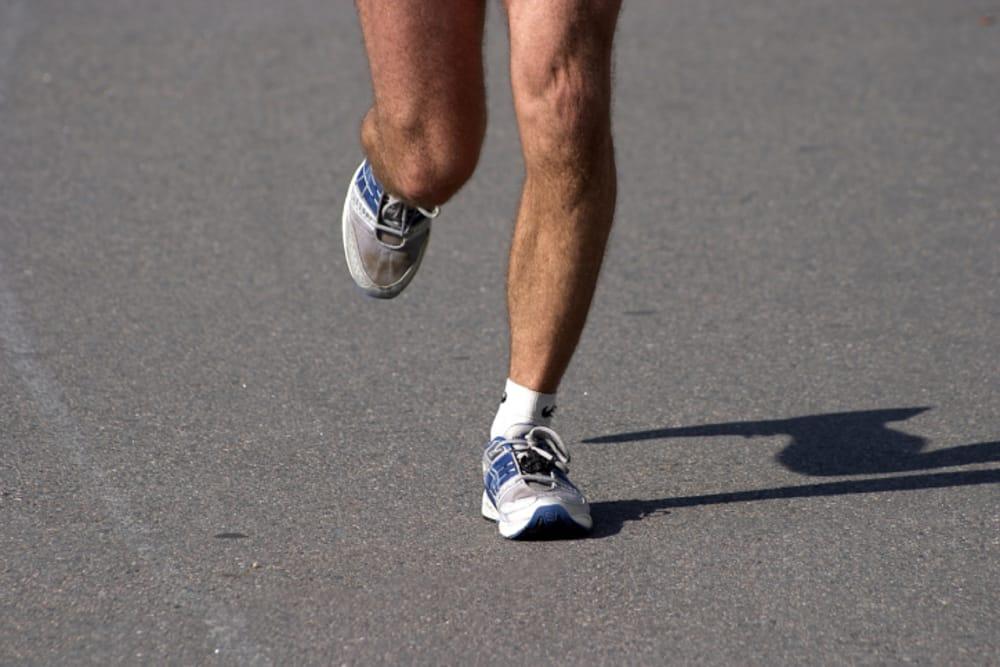
- Yes, leg strength is linked to brain health: in a 10-year study of women, those with stronger legs at the start had significantly better cognitive function a decade later.
- Among twins, the one with greater leg strength often had better brain function later, suggesting strength itself mattered, not just genes.
- Leg strength may help your brain through better blood flow, more BDNF and the coordination that movement requires.
Stronger legs today may mean a sharper brain tomorrow. In a 10-year study, women with more leg power held on to their thinking skills better than women with weaker legs, which is one more reason exercise for brain health should include your lower body.
I often tell people that when it comes to exercise, I don't need convincing. I get to see firsthand, every day, how much it impacts our quality of life as we age. Just 20–30 minutes of exercise a day, a few days a week, can make such an enormous physical difference that it's staggering.
Can Leg Strength Predict Brain Health Years Later?
It can. In a fascinating 2016 study published in Gerontology, leg strength predicted how well women's thinking held up a decade later. Researchers followed hundreds of middle-aged women over a 10-year period. They measured leg strength at the beginning — and then looked at cognitive function years later.
What the Researchers Found
Women with stronger legs at the start of the study had significantly better cognitive function 10 years later.
Even more interesting: among twins, the one with greater leg strength often had better brain function later on — despite sharing the same genetics and similar environments.

In other words: this wasn't just "good genes." Strength itself mattered.
Why Would Leg Strength Affect the Brain?
There are a few key reasons:
1. Blood flow to the brain. Stronger muscles mean better circulation, and better circulation means more oxygen and nutrients reaching the brain.
2. Brain-stimulating chemicals. Exercise increases things like BDNF (brain-derived neurotrophic factor), which helps the brain grow and adapt.
3. Movement complexity. Using your legs — walking, balancing, stepping — activates coordination, timing and spatial awareness. That's brain work, not just muscle work.
When Should You Start Building Leg Strength for Your Brain?
Earlier than you might think. Most people think about brain health after problems begin. But this study shows something important:
- Cognitive decline doesn't start at 80
- It's influenced by habits in your 40s, 50s, 60s and 70s
And one of the simplest predictors? Lower body strength.
How Can You Build Leg Strength for a Healthier Brain?
You can build leg strength with simple, everyday moves; it doesn't need to be complicated. It can include activities such as:
- Standing up and sitting down without using your hands (the 30-second chair stand test shows where you're starting)
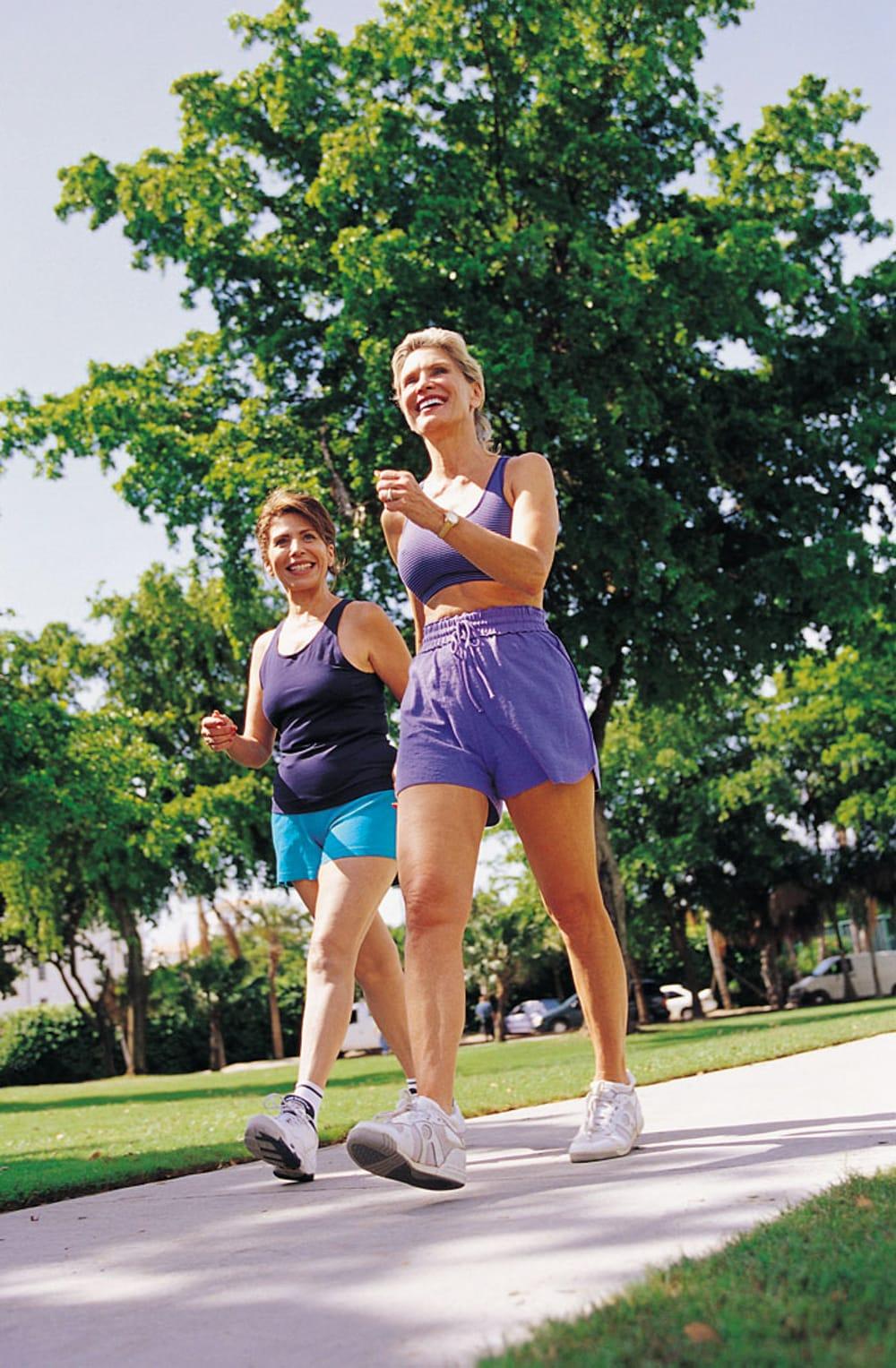
- Walking regularly (especially with purpose and pace)
- Stepping, climbing stairs, or working on balance
- Strength training for the legs and hips, like these glute exercises
Small, consistent effort = long-term brain protection. If you'd like guidance, this kind of leg work is a big part of in-home personal training.
If you needed one more reason to get that workout in today, remember — it affects more than just your legs. It's also helping you think!
Kristen
Try the recipe: Dr. Stacy Sims' chocolate date bites are my go-to when a sweet craving hits — get the recipe.
Sources
- Steves CJ, Mehta MM, Jackson SHD, Spector TD. Kicking back cognitive ageing: leg power predicts cognitive ageing after ten years in older female twins. Gerontology. 2016;62(2):138-149. View source
- Szuhany KL, Bugatti M, Otto MW. A meta-analytic review of the effects of exercise on brain-derived neurotrophic factor. J Psychiatr Res. 2015;60:56-64. View source
This article is for general education and isn't medical advice. Please talk with your doctor before starting a new exercise, nutrition or supplement routine. See our health disclaimer.


About the author
Kristen Nielsen
Kristen founded TogetherWON after watching what strength training could do for older adults — including her own grandparents. She's an ACE Certified Personal Trainer with 10+ years in functional aging, a University of Central Florida graduate, and a former Division I swimmer and track & field athlete.
Senior Fitness Specialist · Functional Aging Specialist · Parkinson's Disease Specialist · Brain Health Trainer · Corrective Exercise Specialist
want these in your inbox?
Get my Saturday letters
One idea for your body, brain or balance each week, usually with a recipe. Unsubscribe any time.
Keep reading

Brain · Body
Music and Movement: A Brain-Body Workout to a Song
Pick a favorite song and let it set your pace. This simple music-and-movement workout challenges your brain and body at any fitness level.
September 12, 2026 · 2 min read
Brain · Body
Brain-Body Exercises for Seniors: The Rule-Switch March
Brain-body exercises pair movement with a mental challenge. Try the Rule-Switch March, a simple standing or seated drill for focus and balance.
July 11, 2026 · 3 min read

Brain · Body
What Super Agers Teach Us About Brain Health
A Nature study found super agers over 80 have more immature neurons in the hippocampus. What that means, and why we train body and brain together.
April 18, 2026 · 2 min read