Exercise for Parkinson's: Why the Effort Is Worth It
By Kristen Nielsen, Founder & Senior Fitness Specialist
· Updated · Body & Brain · 3 minute read
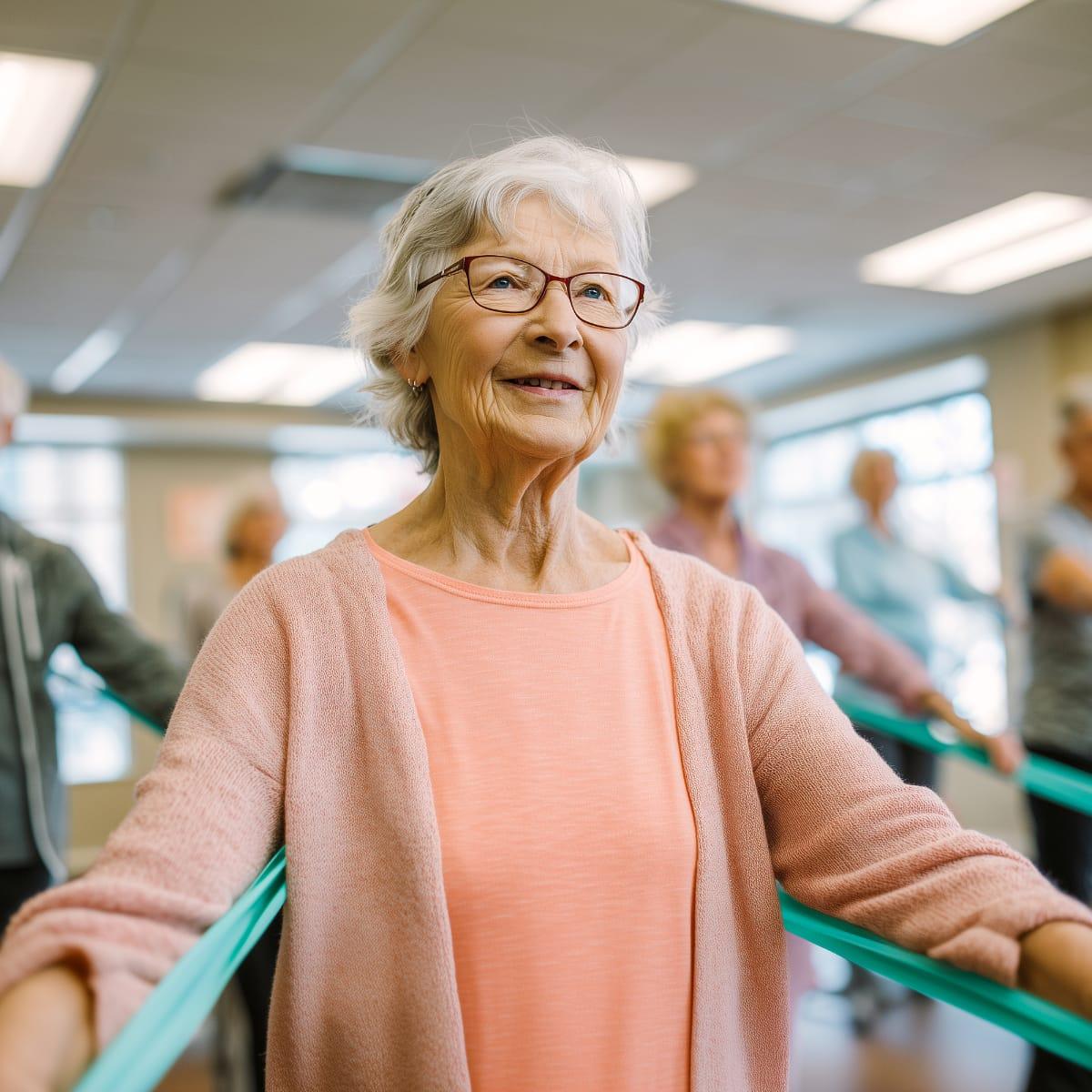
Part of our guide: Exercise for Brain Health After 60
Key takeaways
- Exercise doesn't cure Parkinson's, but research shows consistent, challenging exercise can slow the worsening of motor symptoms.
- Structured activity can improve strength, balance, walking and quality of life, especially when it is ongoing and progressively challenging.
- Training body, brain and balance together fits Parkinson's well, and balance is one of the most trainable changes the disease brings.
Exercise is worth the effort with Parkinson's: it can't cure the disease, but consistent, challenging exercise can slow the worsening of motor symptoms and build strength, balance and confidence. Living with Parkinson's comes with real challenges — but it also comes with real opportunities to influence how the disease shows up day to day.
One of the clearest opportunities we have is exercise, and it's a big part of exercise for brain health more broadly.
Exercise doesn't cure Parkinson's, and it doesn't make symptoms disappear. But research — and our experience working directly with people living with Parkinson's — shows that intentional, consistent exercise can make a meaningful, measurable difference over time.
That difference is why we do this work.
Can Exercise Slow Parkinson's Progression?
Research suggests it can slow the worsening of motor symptoms. One of the most well-known studies on exercise and Parkinson's is the SPARX trial: Schenkman et al., 2018, JAMA Neurology, "Effect of High-Intensity Treadmill Exercise on Motor Symptoms in Parkinson Disease."
In this phase 2 randomized clinical trial, people with early Parkinson's who performed high-intensity aerobic exercise experienced slower worsening of motor symptoms compared to those receiving usual care.
This didn't mean symptoms vanished.
It meant the rate of decline changed.
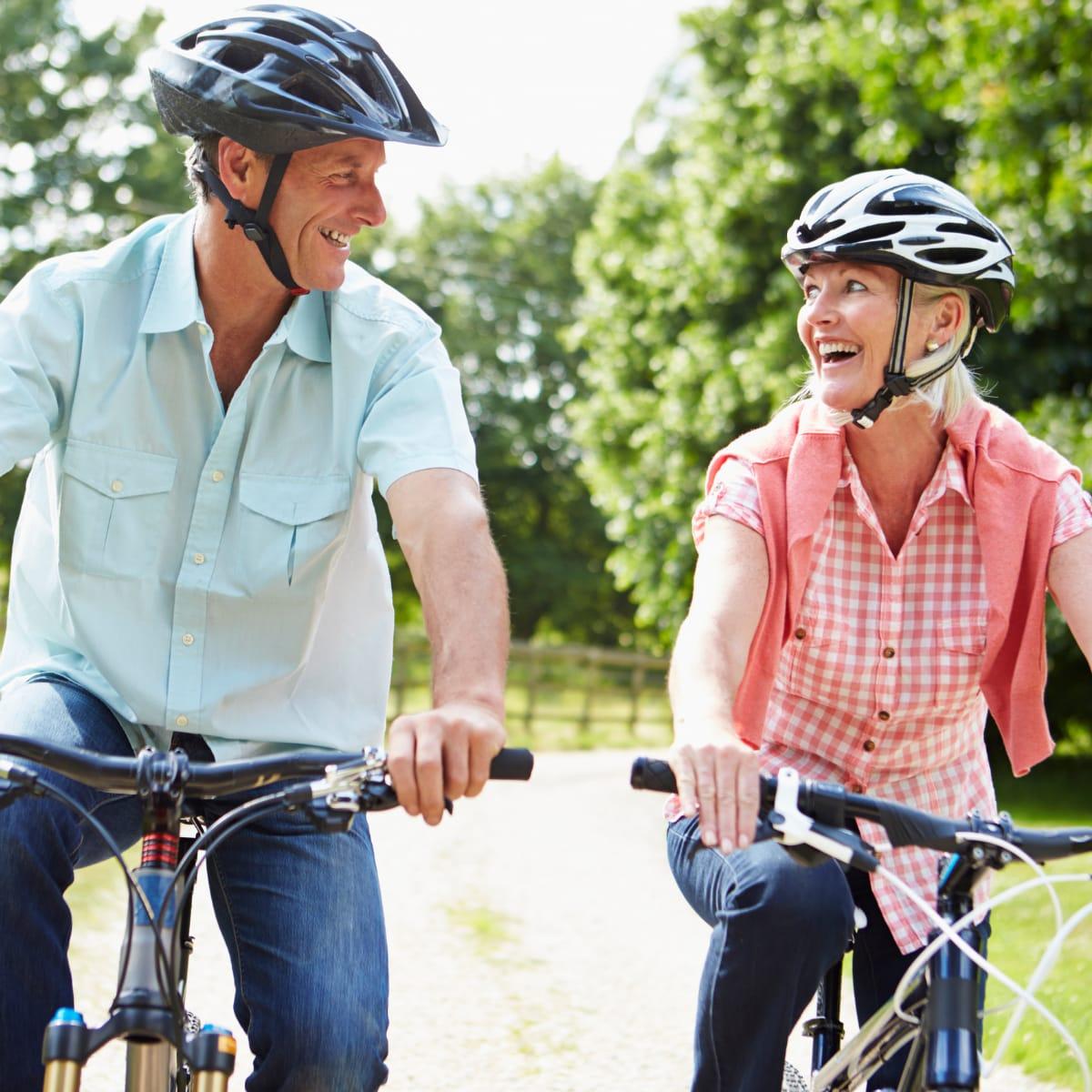
A large Cochrane Review (2023) reviewing dozens of exercise studies reached a similar conclusion: structured physical activity improves motor symptoms, balance, walking ability, and quality of life — especially when exercise is ongoing and progressively challenging.
The message from the research is clear and realistic: Exercise helps — when it's done consistently and with purpose.
Why Does Body, Brain and Balance Training Fit Parkinson's?
Parkinson's affects more than one system, which is why single-focus exercise programs often fall short.
Our Body • Brain • Balance approach aligns naturally with what Parkinson's actually demands.
Body: Strength and Capacity Can Be Built
Parkinson's often leads to smaller movements, reduced strength, and slower reactions. Research shows that resistance training and aerobic exercise can improve strength, walking ability, and daily function — but only when the training is challenging enough to create change.
In practice, that means:
- Training strength intentionally
- Encouraging effort (not exhaustion)
- Progressing safely, not passively
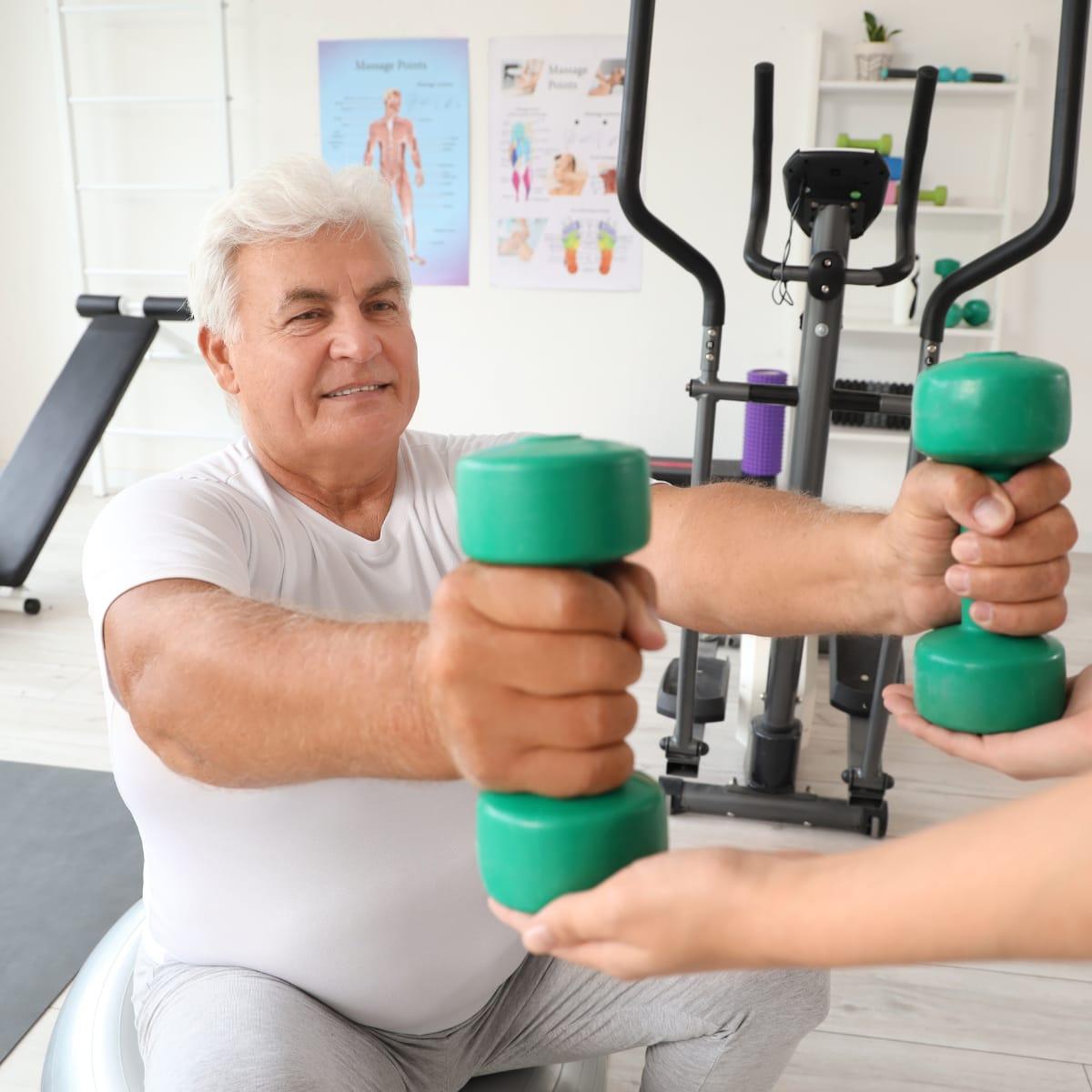
Strength doesn't return overnight — but it does return with work.
Brain: Training Movement Means Training the Nervous System
Because Parkinson's is neurological, movement needs to be practiced with focus.
Exercise has been shown to support neuroplasticity — the brain's ability to adapt — in part by increasing brain-derived neurotrophic factor (BDNF), which supports learning and neural health.
This is why we pair movement with:
- Coordination
- Attention
- Decision-making
These challenges take effort — and that effort is exactly what helps the nervous system respond.
Balance: Confidence Grows With Practice
Balance is often one of the most frustrating changes in Parkinson's — and also one of the most trainable.
Research shows balance-specific exercise improves stability and reduces fall risk, especially when it's practiced consistently and progressively. That's the focus of our fall prevention and balance training.
We see this often:
- Balance improves gradually
- Confidence grows alongside it
- Independence lasts longer
Balance doesn't improve by avoiding movement — it improves by training it thoughtfully.
What Progress Looks Like With Parkinson's
Progress with Parkinson's is rarely dramatic — and it's almost never instant.
But when people commit to training their body, brain, and balance, we consistently see:
- Better movement control
- More confidence with daily activities
- A stronger sense of capability
Not because Parkinson's goes away — but because capacity grows.
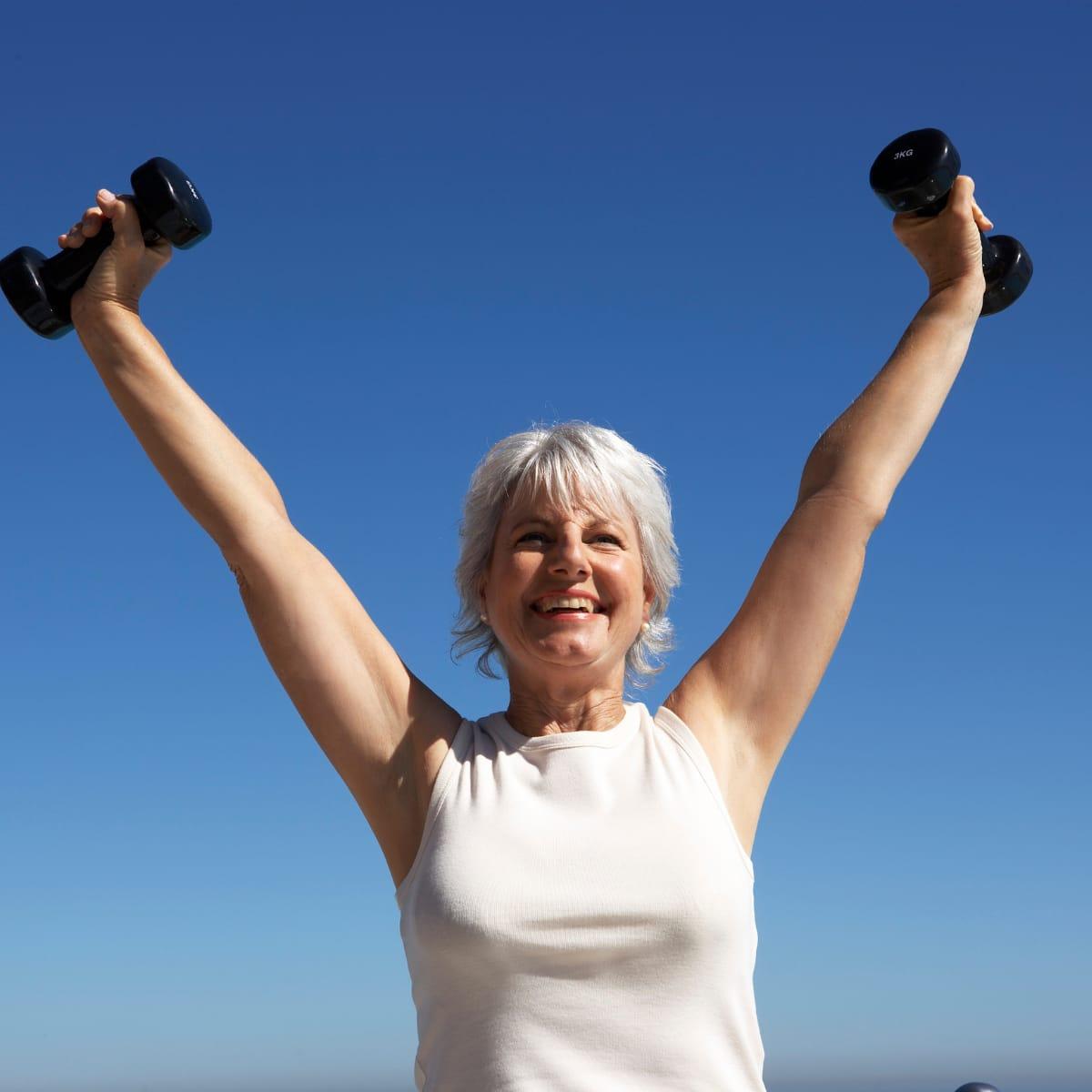
Is Exercise Worth the Effort With Parkinson's?
Yes. Exercise isn't a quick fix for Parkinson's. It is one of the most reliable tools we have.
It takes work. It takes consistency. And it takes patience.
But research and real-world experience agree: the effort pays off. If memory changes are part of the picture too, I share more in exercising with dementia or Parkinson's.
Kristen
Try the recipe: Try this cozy lentil soup for a warm, healthy dinner — get the recipe.
Sources
- Schenkman M, Moore CG, Kohrt WM, et al. Effect of high-intensity treadmill exercise on motor symptoms in patients with de novo Parkinson disease: a phase 2 randomized clinical trial. JAMA Neurol. 2018;75(2):219-226. View source
- Ernst M, Folkerts AK, Gollan R, et al. Physical exercise for people with Parkinson's disease: a systematic review and network meta-analysis. Cochrane Database Syst Rev. 2023;1(1):CD013856. View source
- Allen NE, Canning CG, Almeida LRS, et al. Interventions for preventing falls in Parkinson's disease. Cochrane Database Syst Rev. 2022;6(6):CD011574. View source
- Frazzitta G, Maestri R, Ghilardi MF, et al. Intensive rehabilitation increases BDNF serum levels in parkinsonian patients: a randomized study. Neurorehabil Neural Repair. 2014;28(2):163-168. View source
This article is for general education and isn't medical advice. Please talk with your doctor before starting a new exercise, nutrition or supplement routine. See our health disclaimer.


About the author
Kristen Nielsen
Kristen founded TogetherWON after watching what strength training could do for older adults — including her own grandparents. She's an ACE Certified Personal Trainer with 10+ years in functional aging, a University of Central Florida graduate, and a former Division I swimmer and track & field athlete.
Senior Fitness Specialist · Functional Aging Specialist · Parkinson's Disease Specialist · Brain Health Trainer · Corrective Exercise Specialist
want these in your inbox?
Get my Saturday letters
One idea for your body, brain or balance each week, usually with a recipe. Unsubscribe any time.
Keep reading
Brain · Body
Music and Movement: A Brain-Body Workout to a Song
Pick a favorite song and let it set your pace. This simple music-and-movement workout challenges your brain and body at any fitness level.
September 12, 2026 · 2 min read
Brain · Body
Brain-Body Exercises for Seniors: The Rule-Switch March
Brain-body exercises pair movement with a mental challenge. Try the Rule-Switch March, a simple standing or seated drill for focus and balance.
July 11, 2026 · 3 min read
Brain · Body
What Super Agers Teach Us About Brain Health
A Nature study found super agers over 80 have more immature neurons in the hippocampus. What that means, and why we train body and brain together.
April 18, 2026 · 2 min read