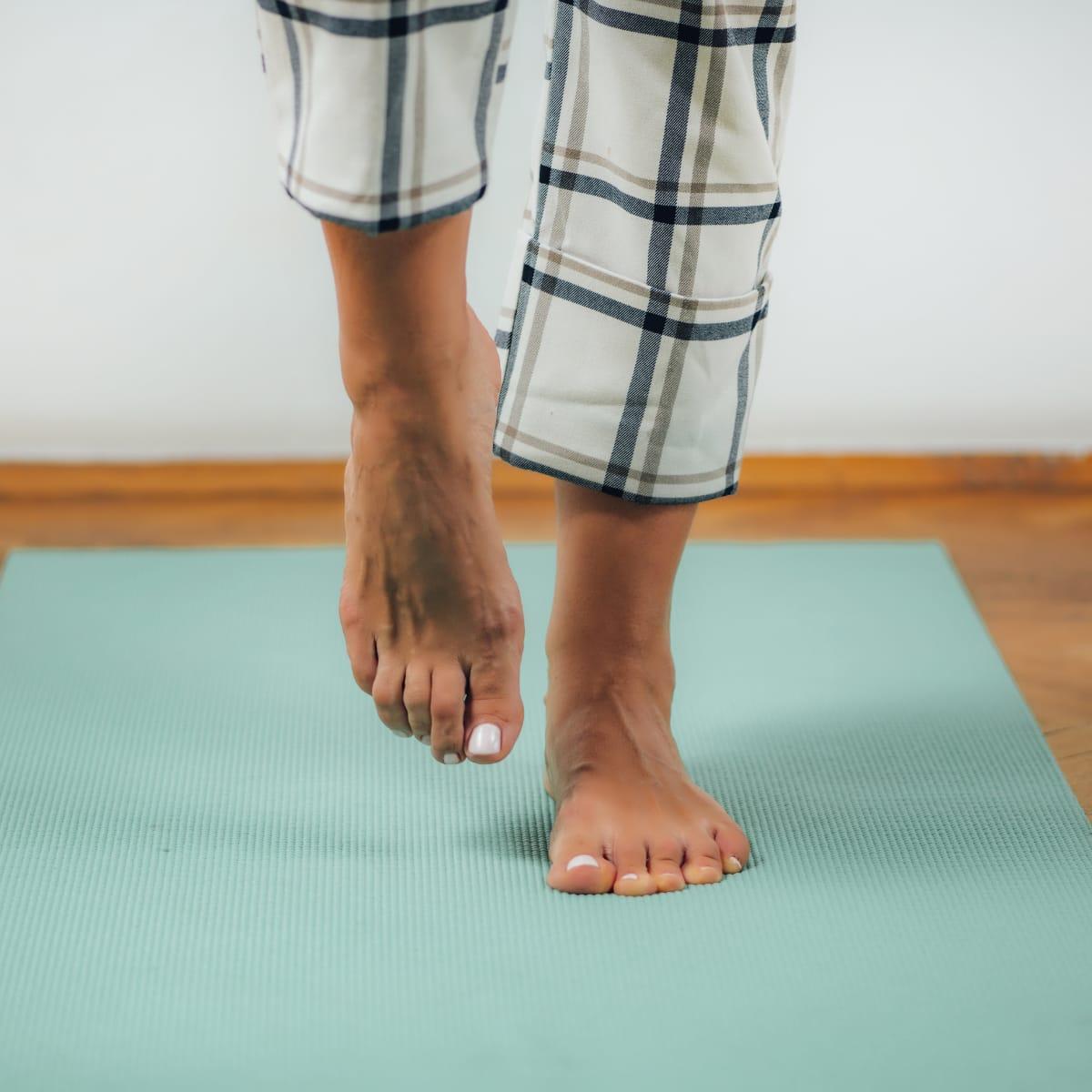
Balance · Brain
Vestibular Balance Exercise: Head Turns on One Foot
Your inner ear's vestibular system keeps you steady, and it's trainable. Try head turns on one foot to sharpen gaze stability and balance.
November 15, 2025 · 2 min read
More than 1 in 4 adults 65 and older falls each year, but balance is one of the most trainable abilities at any age. TogetherWON’s balance training builds the leg, hip and core strength, reaction speed and confidence that help keep you steady on your feet.
Sessions take place in your home in the Colorado Springs area, or online from anywhere in the country.
Last updated
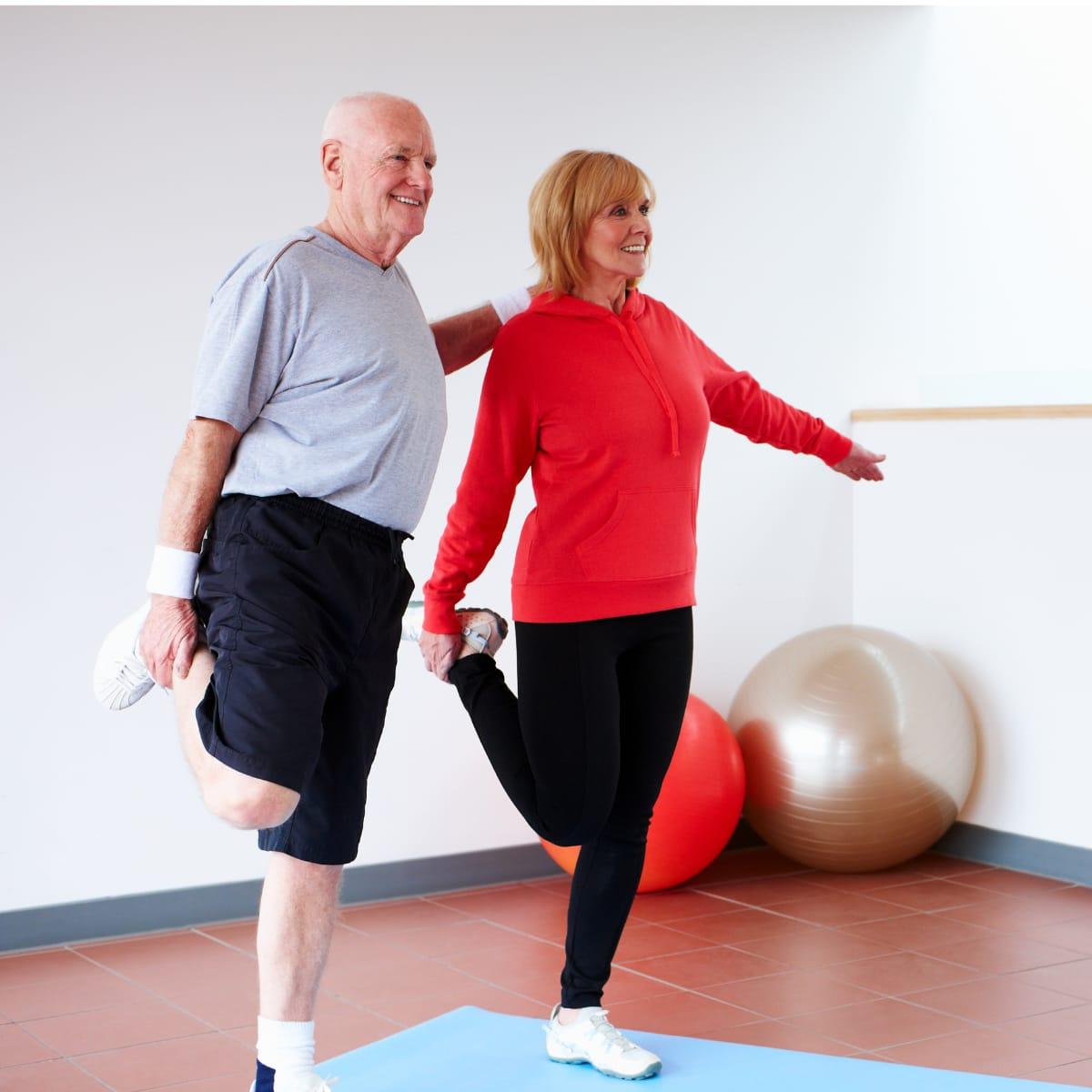
In the largest review of the research, programs that combined balance and functional exercise with strength training cut falls by about a third, so your program includes both.5
Catching yourself from a stumble takes quick thinking. We add brain challenges, like light-up reaction pods, to train that response.
We practice the situations that worry you, like stairs, curbs, getting up from the floor and turning quickly, in a safe, supported way.
This short checklist from the CDC takes about a minute. It’s a starting point for a conversation with your doctor, not a diagnosis.
Add up the points for each statement you checked. A total of 4 or more means you may be at risk for falling.
From the CDC STEADI “Stay Independent” brochure. Developed by the Greater Los Angeles VA Geriatric Research Education Clinical Center and affiliates, and validated by Rubenstein et al.; adapted with permission of the authors.1,2
Many of the risks in the checklist can be trained. Here’s how we work on them.
Heel-to-toe walking, turns and stepping over small obstacles, getting a little harder as you improve.
Sit-to-stands, step-ups and hip work, so rising from a chair gets easier without your arms.
Practice on a real step, at your own pace, until curbs feel routine again.
We practice the situations that worry you with support close by, so fear stops shrinking your world.
Falling once doubles your chance of falling again. Practicing how to get down and back up means you’ll know what to do.3
Some medicines make you light-headed or drowsy. If we notice a pattern, we’ll encourage you to ask your doctor for a medication review.
Falls are common in Colorado, where 29% of adults 65 and older fell in the past year. But falling isn’t just part of getting older, and exercise is one of the best-proven ways to prevent it.4
Your free consultation includes simple tests of your balance, strength and walking, so we know exactly where to start.
Stronger muscles make it easier to stay upright and to recover when you trip, so strength is part of every plan.
Exercises like stepping over small cones, heel-to-toe walking and single-leg work get gradually more challenging as you improve.
Balance while thinking, reacting or moving your head, the way real life asks you to, with support close by.
One-on-one training starts at $198 a month, month to month, and your first one-hour consultation is free.
Balance · Brain
Your inner ear's vestibular system keeps you steady, and it's trainable. Try head turns on one foot to sharpen gaze stability and balance.
November 15, 2025 · 2 min read
Balance · Body
One in four adults over 65 falls each year. Four simple balance exercises to practice two to three times a week, plus how medications can affect balance.
November 9, 2024 · 3 min read

Balance
Taking four or more medications is linked to higher fall risk. Which types can affect balance, a quick self-check, and the question to ask your doctor.
March 21, 2026 · 2 min read
Yes. Studies of adults in their 60s, 70s and beyond show balance improves with regular practice, especially when it’s paired with strength training. A Cochrane review of 108 trials found exercise reduced the rate of falls by 23% in adults 60 and older living at home.
Balance training is designed for people who feel unsteady, and your trainer always keeps you supported with a wall, counter or their own hands close by. We start with what feels safe and build from there. If your fall caused an injury, check with your doctor first.
Research favors short, regular practice over occasional long sessions. Most people do best with strength work for their legs, hips and core at least twice a week, plus a few minutes of balance practice most days.
Yes. The 30-second chair stand test checks leg strength and is part of the CDC’s STEADI fall-risk screening. Count how many times you can stand up from a chair in 30 seconds with your arms crossed, then compare your score with the normal range for your age.
A score below the range for your age is a sign to work on leg strength and balance, and a good reason to book a balance assessment.
Take the chair stand testYour first session is free: a one-hour consultation and movement assessment where we learn your goals and build a plan that fits your life.