Fitness Guides for Adults Over 60
Each guide pulls together the best of Kristen's letters on one topic, with the research behind it and simple steps to start today.
Guides for staying strong, sharp and steady
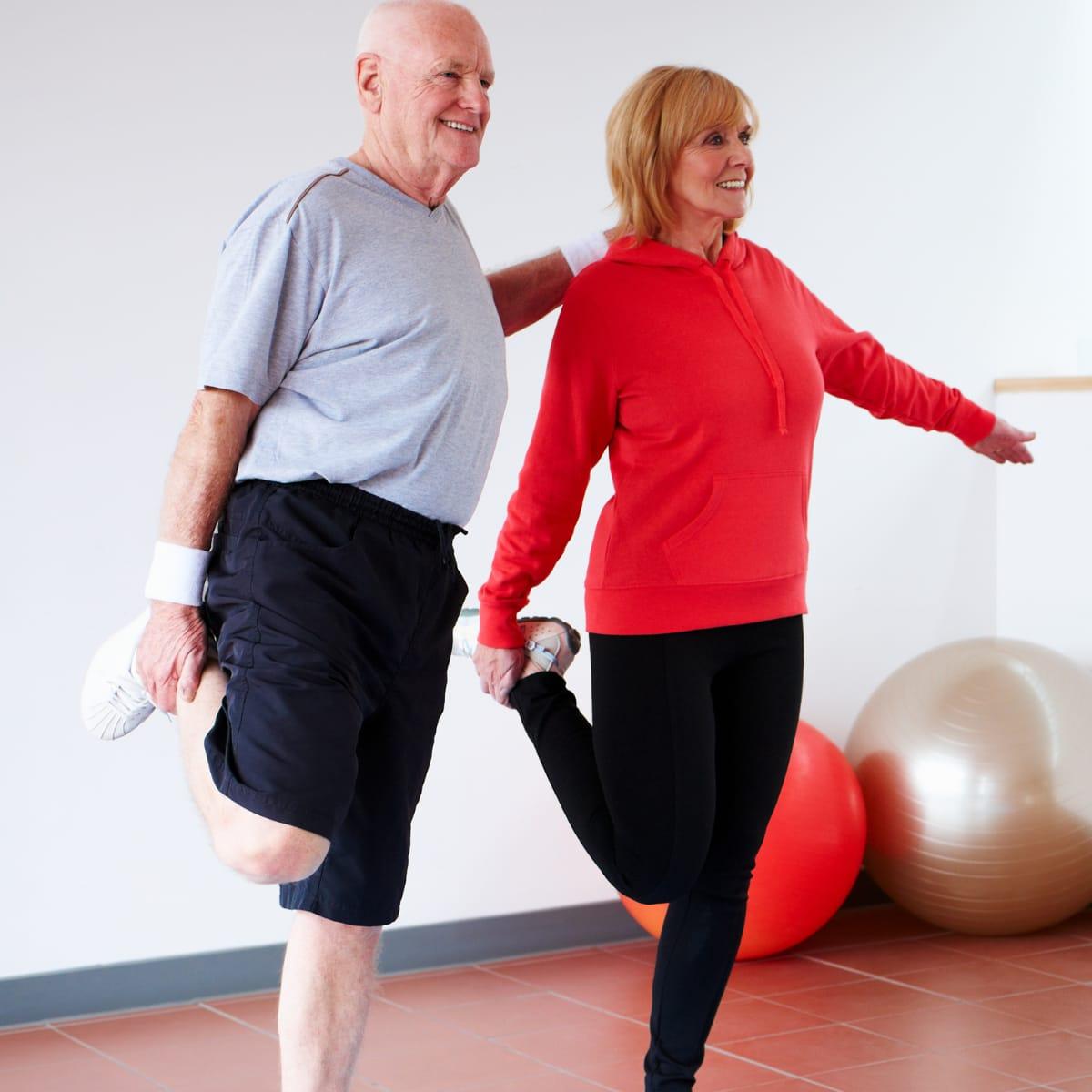 Balance and fall preventionSimple balance exercises for seniors with step-by-step instructions, plus how strength, your feet, eyes, inner ear and medications affect fall risk.Read the guide
  Bones & jointsHow adults over 60 can build bone density, ease arthritic knees, hips and back pain, and lower fracture risk with safe strength training and good nutrition.Read the guide
  Brain healthWhich exercises keep your brain sharp after 60, how movement changes the brain, and simple brain-body drills to try at home, with steps.Read the guide
  How much exerciseHow often older adults should exercise each week for strength, balance and cardio, with a sample weekly plan and a smaller starter week.Read the guide
  NutritionWhat to eat after 60 to stay strong, from water, sugar and blood sugar to calcium, vitamin D, B12, healthy fats, fiber and which supplements are safe.Read the guide
 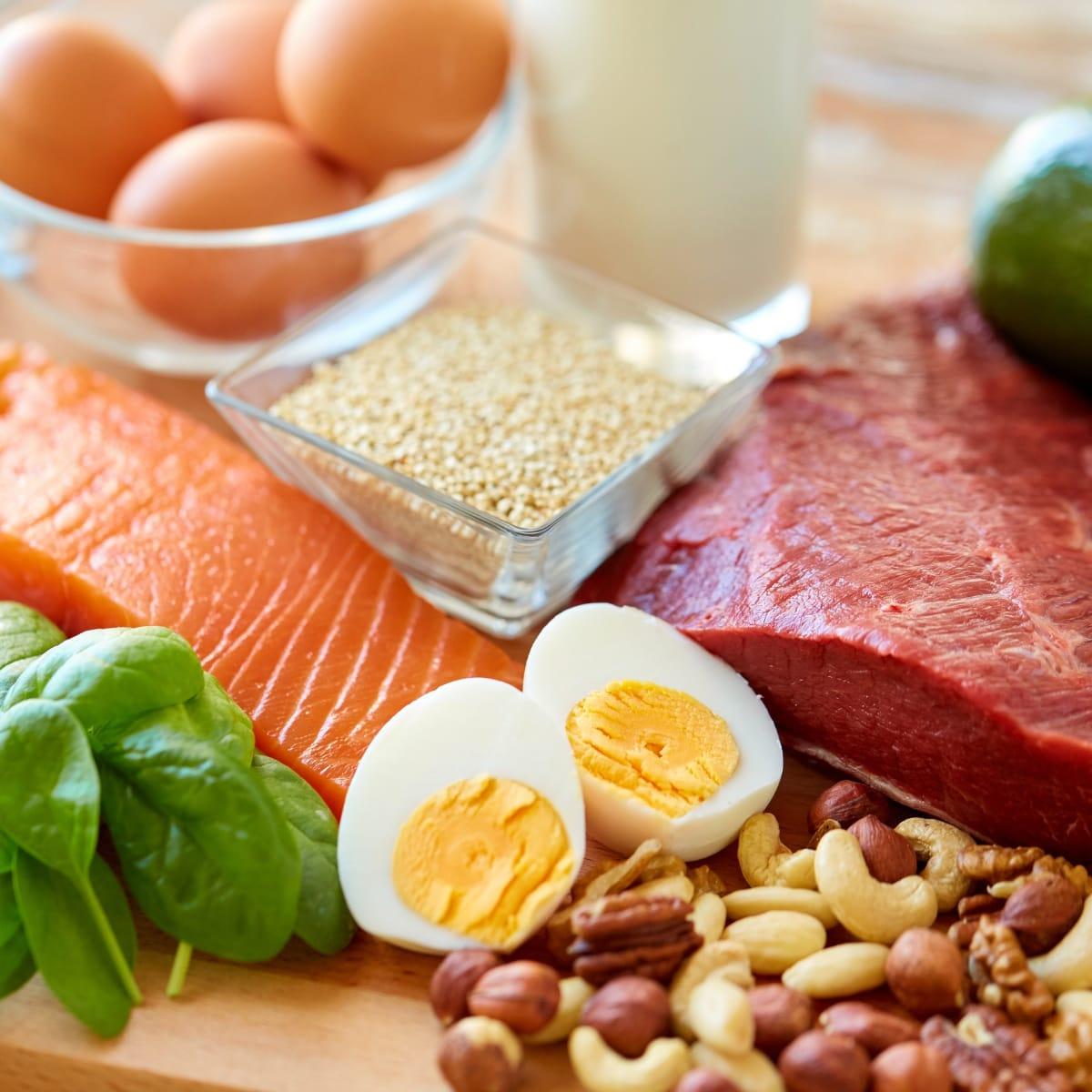 ProteinHow much protein adults over 60 need each day, why it matters for muscle and bone, and easy ways to reach 25–30 grams at every meal.Read the guide
 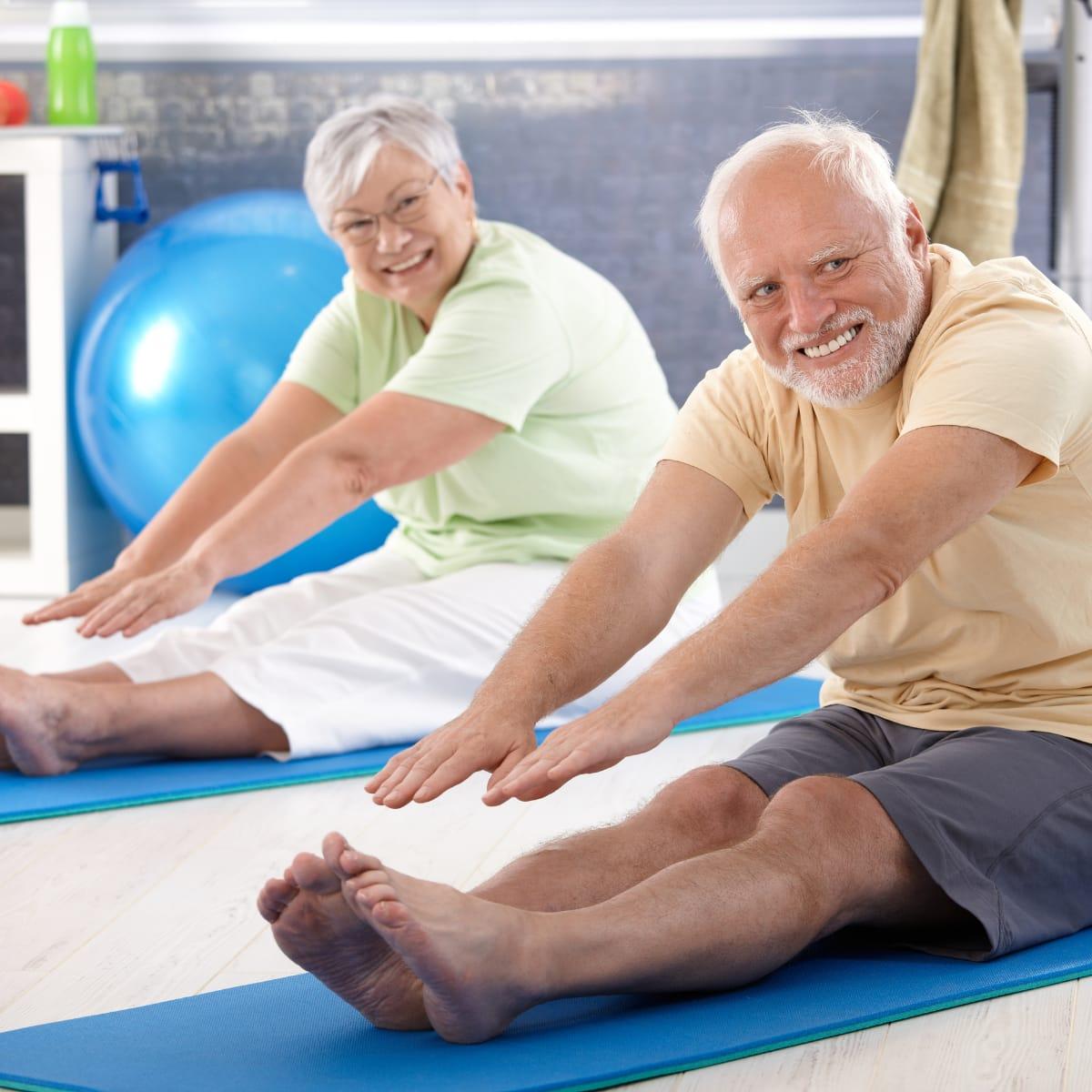 RecoveryHow to recover from exercise as you get older, from rest days and overtraining signs to better sleep, calmer stress and coming back from injury.Read the guide
 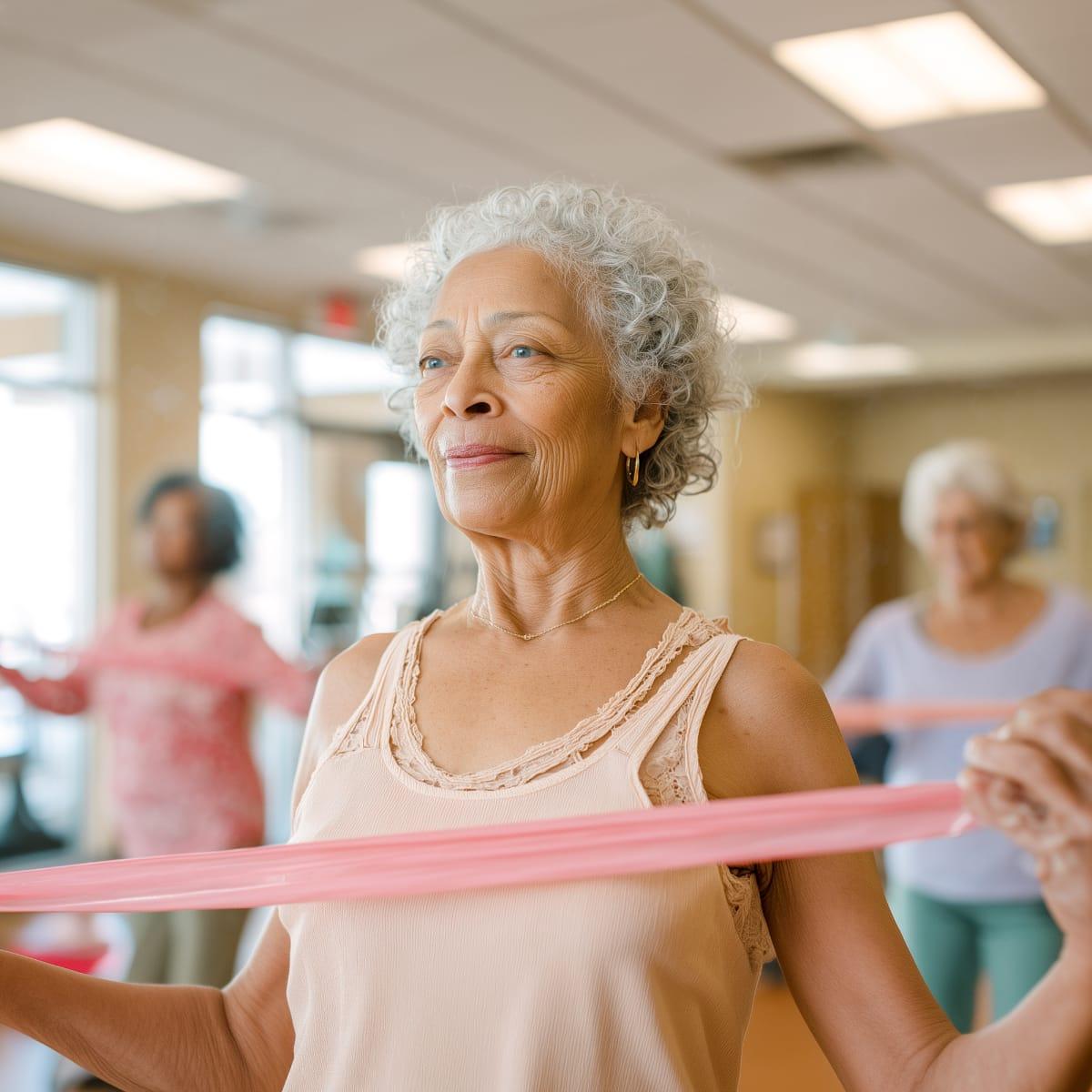 Strength trainingHow adults over 60 can start strength training safely, how often and how hard to train, simple exercises with steps, and mistakes to avoid.Read the guide
  WalkingWhat walking does for your heart, brain and joints after 60, how many steps to aim for, and how to start small or build on the walking you already do.Read the guide
 For families and caregivers

Free self-tests
- 30-second chair stand testCount how many times you can stand up from a chair in 30 seconds and compare your leg strength with others your age.Take the test
- Grip strength calculatorEnter your grip strength reading to see how it compares with norms for your age and gender, and whether it falls in the low range.Take the test