Balance Exercises for Seniors: How to Prevent Falls
By Kristen Nielsen, Founder & Senior Fitness Specialist · Updated · 10 minute read
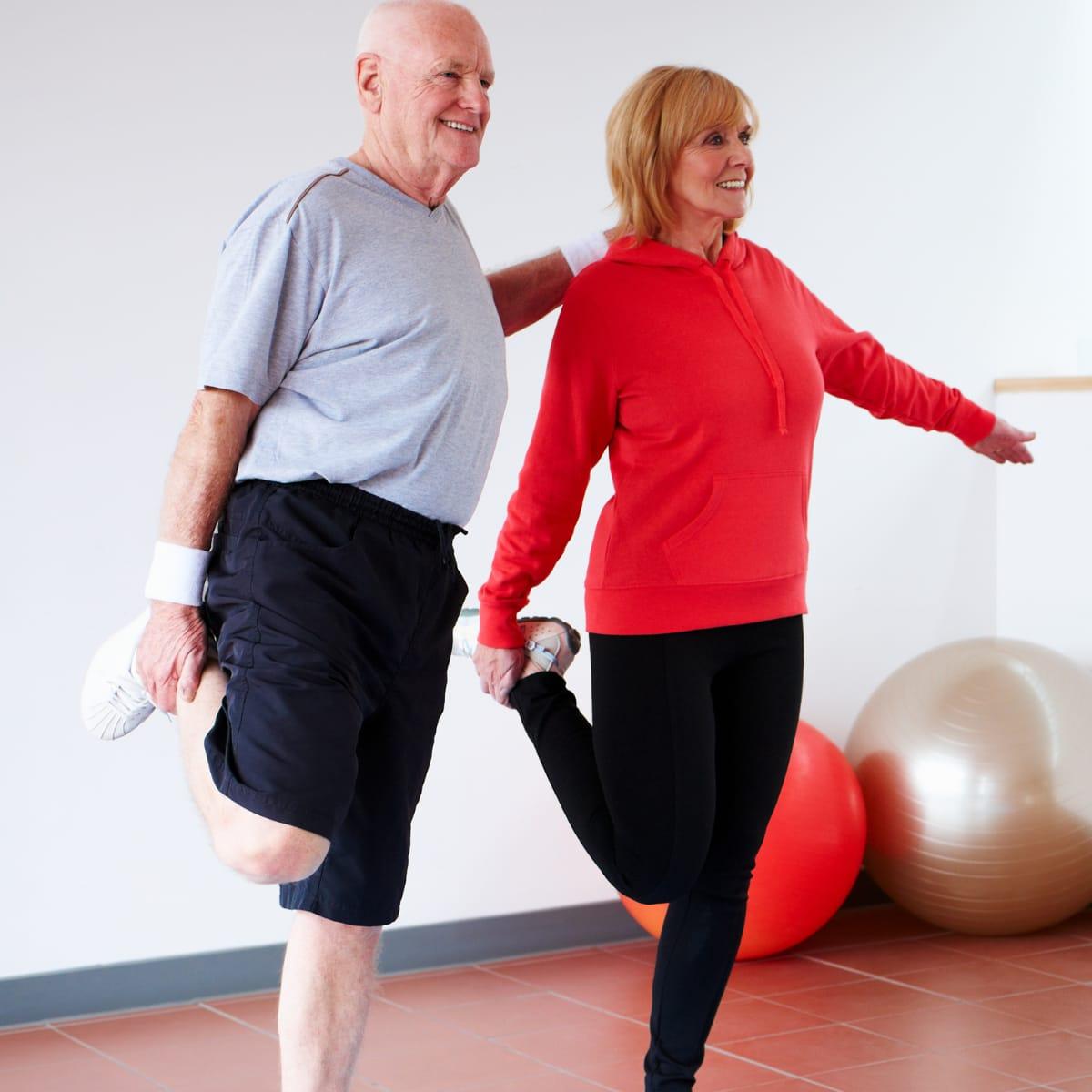
The best balance exercises for seniors include single-leg stands, heel-to-toe walking, standing marches and chair squats, done near a counter or sturdy chair at least two to three times a week. Pair them with strength training for your legs, hips and core, and gradually use less support to build steadiness and lower your risk of falling.
Key takeaways
- Each year about 1 in 4 adults over 65 in the U.S. has a fall, and a fall often leads to fear of falling, less activity and even weaker balance.
- Balance can be trained at any age. Combining strength training with balance exercises brings bigger gains than lifting weights alone, and regular exercise reduces falls.
- Balance depends on your muscles, feet, eyes, inner ear, brain and even your breathing, so the best programs challenge all of them.
- If you take four or more medications or feel dizzy when you stand up, ask your doctor or pharmacist whether anything you take could be affecting your balance.
Feeling steady on your feet isn't just about avoiding falls. It's about moving through life with confidence: carrying groceries across a parking lot, stepping off a curb, turning when someone calls your name, playing on the floor with the grandkids.
The exciting news is that research shows balance can be improved at any age, and exercise is one of the most powerful tools to make it happen. This guide brings together everything I've written about balance: why it changes as we age, the systems it depends on, the exercises I use with my clients, and the hidden factors (like medications) that are easy to overlook.
Why Balance Matters After 60
Each year, about 1 in 4 adults over 65 in the U.S. experiences a fall.1,2 After a fall, many older adults develop a fear of falling. That fear often leads to less physical activity, which leads to weaker muscles and worse balance, which further increases the risk of another fall.3
That cycle is exactly what balance training is designed to break.
Many people think balance just "goes away with age." It doesn't have to. Balance is a skill that can be trained and improved, just like strength. The problem is that most workouts ignore it entirely.
What Balance Depends On
Balance isn't one thing. Your brain is constantly combining information from several systems and sending quick corrections to your muscles. When any part of that team weakens, you feel less steady.
- Your muscles. Strong legs, hips and core let you shift your weight quickly and catch yourself when you trip. Trunk strength plays a big role in balance and fall prevention,4 and the hip muscles on the side of your body help you take a quick protective step sideways.5
- Your feet. They're your foundation, packed with sensors that tell your brain about the ground beneath you.
- Your eyes. They work with your inner ear to keep your world stable while you move.
- Your inner ear. The vestibular system senses motion and head position. Balance and vestibular problems are common in U.S. adults and become more common with age.6
- Your brain. It has to process all of this, often while you're also talking, carrying something or looking for your car.
- Your breathing. Your diaphragm helps stabilize your spine,7 and slow, calm breathing helps regulate the nervous system.8
- Your medications. Many common medications can affect reaction time, blood pressure, alertness and coordination (more on this below).
This is why the best balance programs don't just train your legs. They challenge every one of these systems.
Can You Really Improve Your Balance? What Research Shows
Yes, and here's what the studies show:
- Strength plus balance is the winning combination. A 24-week study of adults in their 60s and 70s found that people who combined strength training with balance exercises made bigger gains in walking speed, leg strength and stability than those who only lifted weights.9
- Exercise means fewer falls. Looking at dozens of studies of adults over 65, researchers found that regular exercise not only improved balance but also reduced the number of falls and the number of people who fell. Regular strength and balance training can reduce fall risk by up to 30%.10
- It works after a setback, too. A review of 13 clinical trials found that exercise improved mobility and balance for people recovering from stroke.11
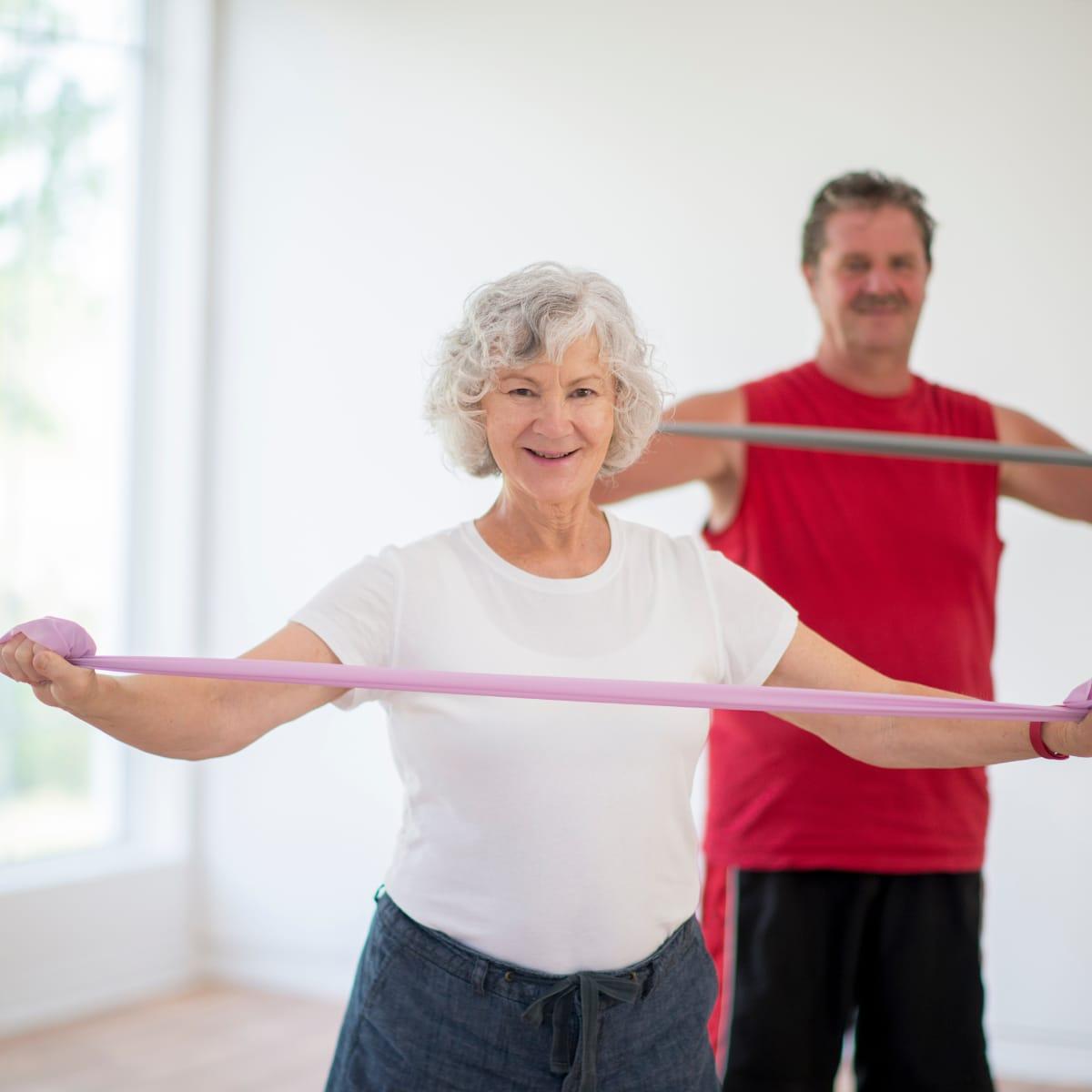
That's why I always pair balance work with strength work. If you want to build the strength side, start with the strength training for seniors guide. And if you want to know where your leg strength stands today, try the 30-second chair stand test.
Balance Exercises You Can Do at Home
These are the exercises I include in almost every client's program. Always practice next to a kitchen counter, a wall or a sturdy chair, and hold on as much as you need. Wear supportive shoes or practice barefoot on a non-slip floor, and clear the area of rugs and clutter first.
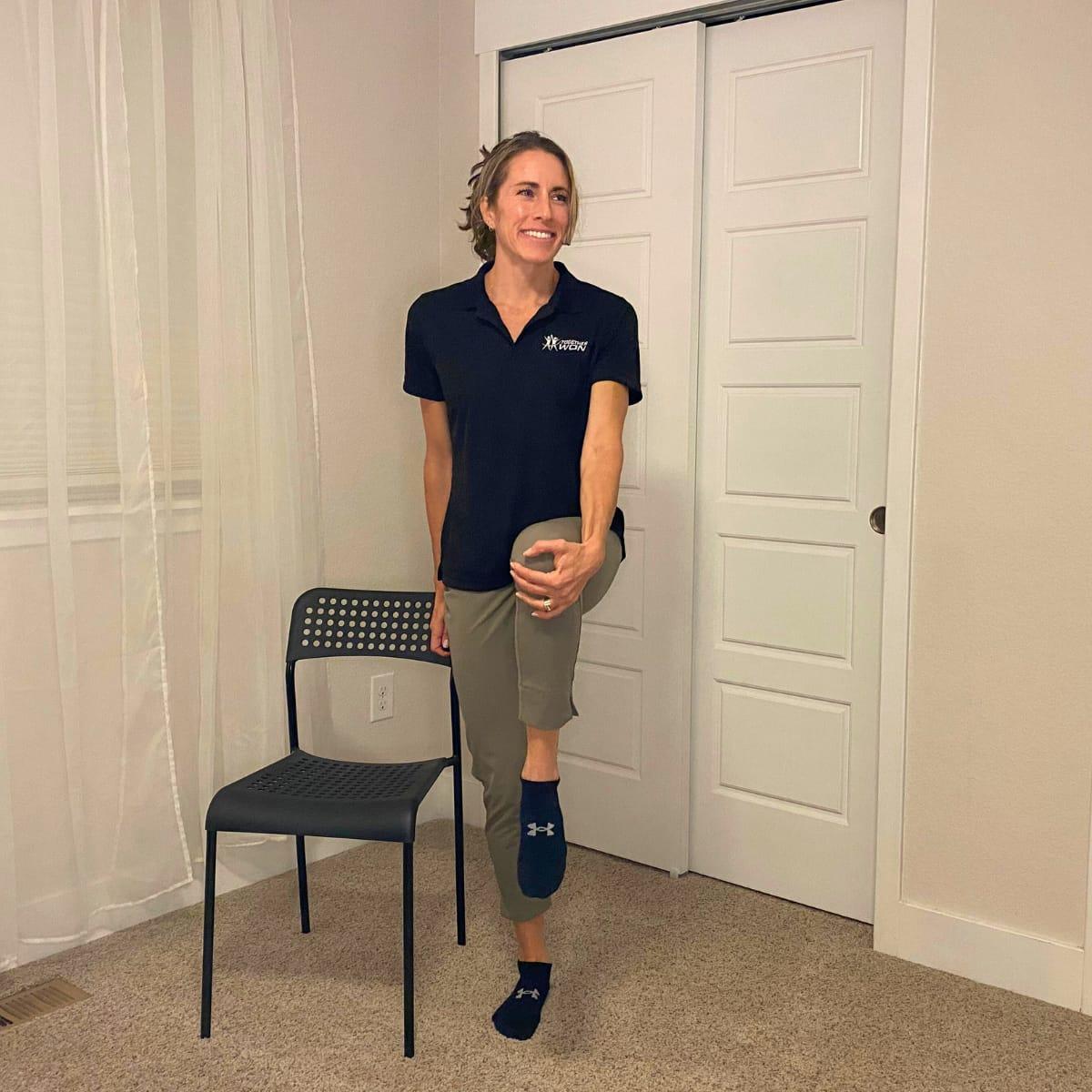
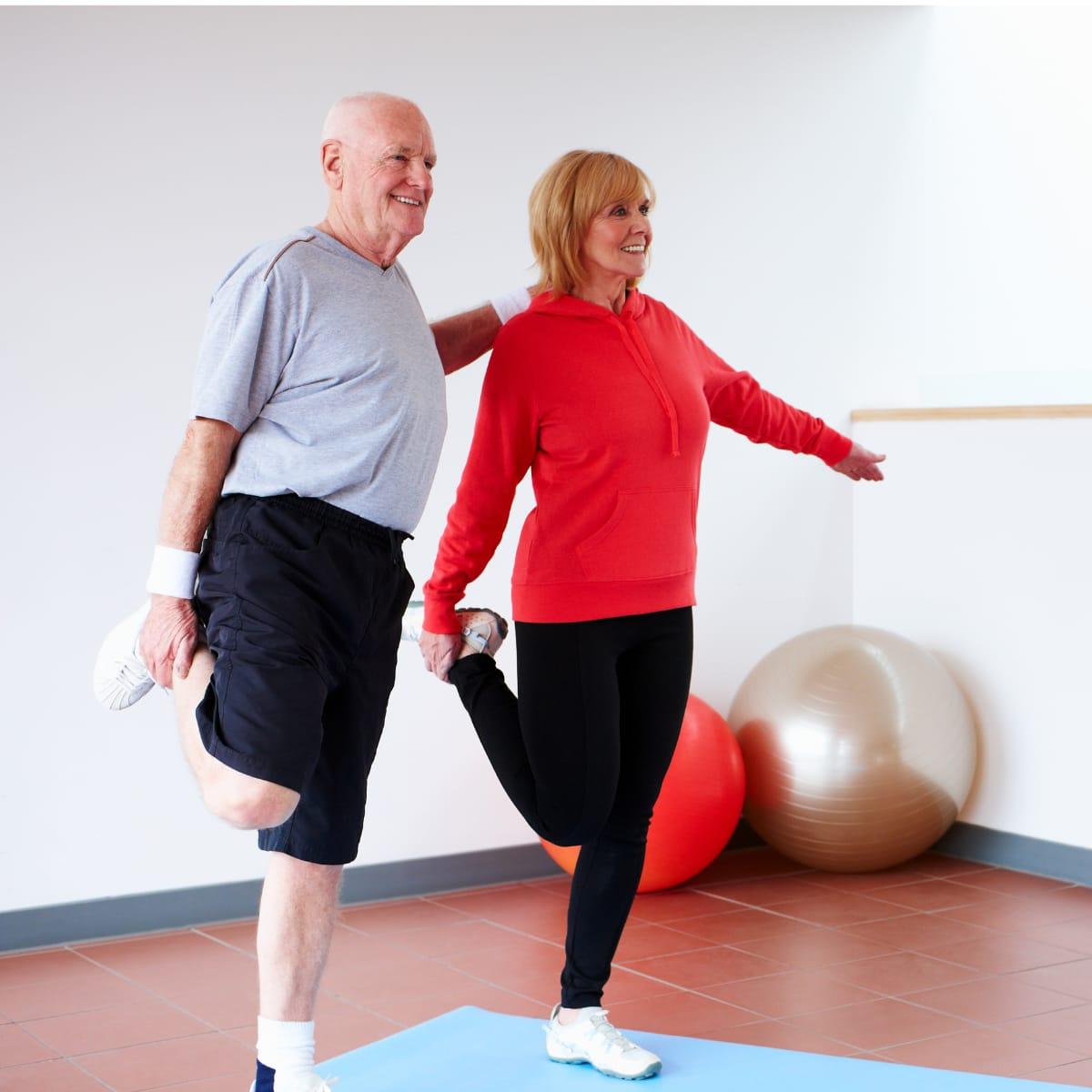
1. Single-Leg Stand
- Stand next to a wall or chair, holding it for balance if needed.
- Lift the knee farthest from the chair and hold it with your free hand.
- Gradually reduce support by hovering your hand above the chair.
- When you're ready, try balancing without holding on. Switch legs.
Strengthens ankles, knees and core while improving balance.
2. Heel-to-Toe Walk
- Stand tall beside a wall or counter.
- Walk in a straight line, placing the heel of one foot directly in front of the toes of the other.
- If that's too hard, place your foot next to the other and slightly ahead instead.
Enhances coordination and balance.
3. Standing March
- Stand tall, holding a sturdy chair or wall if needed.
- Lift one knee as high as is comfortable, then lower it.
- Repeat with the other leg, like marching slowly in place.
Improves balance and hip strength, mimicking natural walking.
4. Chair Squats
- Stand in front of a chair.
- Lower yourself until you're about to sit, then return to standing without fully sitting down.
- Use the armrests or a table for help at first, and gradually work up to doing it without your arms.
Strengthens legs and core, improving stability and posture.
5. Clock Taps
- Holding a counter, stand on one foot and imagine a clock on the floor in front of you.
- Tap your other foot lightly to 12 o'clock, 3 o'clock and 6 o'clock, then reverse.
- Switch legs after about a minute.
6. Heel-to-Toe Rocking
- Stand near a counter or wall.
- Shift your weight forward onto your toes, lifting your heels.
- Rock back onto your heels, lifting your toes. Repeat slowly.
Improves ankle mobility and balance, especially helpful for walking. See more mobility moves in mobility vs. flexibility.
For photos of the first four, see 4 simple balance exercises you can do at home.
Train Your Inner Ear and Eyes
Have you ever noticed that quick head turns or walking in dim light make you feel a little off? That's your vestibular system at work. It can lose sensitivity with age, especially if it isn't challenged, but the great news is that it's trainable. Research shows gaze stability exercises improve balance and reduce dizziness in older adults.12
Head Turns on One Foot
- Stand tall holding a counter, with one foot lifted slightly off the ground.
- Keep your eyes on a distant point and slowly turn your head side to side.
- Do 10 head turns, then switch legs. Practice 1–2 sets a day.
Full details are in vestibular balance exercise: head turns on one foot.
Gaze Shifts with Thumbs
- Extend both arms in front of you, thumbs up, one about 8 inches above the other.
- Focus on the top thumb and slowly bring your chin down.
- With your chin down, shift your gaze to the bottom thumb.
- Keeping your eyes on the bottom thumb, lift your chin back up. Repeat several times.
Stroke survivors who practiced gaze-stability exercises improved balance, walking and confidence,13 and gaze exercises in vestibular rehabilitation help reduce dizziness during head movement.14 Watch me demonstrate it in gaze stability exercise for better balance and focus.
Don't Forget Your Feet and Your Breath
Your Feet
Your feet contain over 7,000 nerve endings that constantly tell your brain about your position, and 26 bones, 33 joints and more than 100 muscles, tendons and ligaments. Heavily cushioned shoes reduce that sensory input. Walking barefoot has been linked to better postural control in older adults,15 and minimal shoes increase foot muscle activation.16
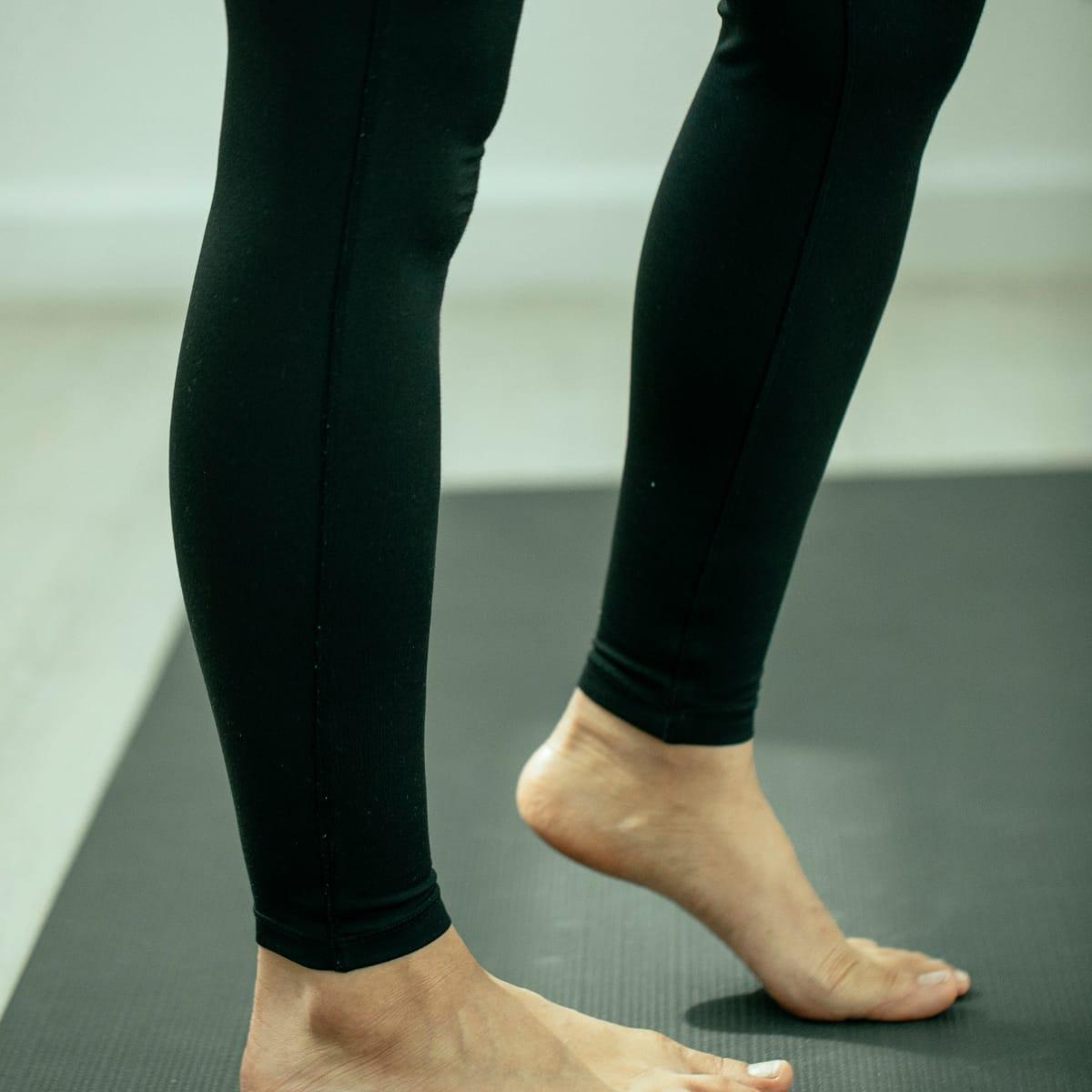
Start slowly: stand barefoot on a hard floor for a few minutes a day, then add single-leg stands. Try scrunching up a towel with your toes. If bare feet aren't an option, grippy yoga socks or minimal shoes offer many of the same benefits. More in barefoot training for better balance.
Your Breath
When breathing is shallow or tense, balance often feels less secure. Try the 4–6 balance breath: sit tall or stand near a counter, inhale through your nose for 4 seconds, and exhale through your mouth for 6 seconds, for 6–10 breaths. Once that's comfortable, do 3–5 slow breaths with feet hip-width apart, then 3–5 more in a gentle staggered stance. Read how breathing affects balance.
Simply put: calmer breathing often leads to steadier balance.
Add a Thinking Task
Real life is rarely quiet and predictable. We walk while talking, carrying things and watching for traffic. Many people slow down or become less steady when a mental task is added to walking.17 Practicing balance alone may not fully prepare us to balance when our attention is divided.
The encouraging news is that this can be trained. A 2024 review found that dual-task training may improve balance in healthy older adults,18 and older adults who practiced balance exercises while doing a mental task improved their walking speed while dual-tasking.19
Try these near a counter or chair:
- March and name. March slowly in place while naming animals, foods or cities.
- Walk and count. Walk through a clear area while counting backward from 20.
- Step and switch. Step side to side while passing a light object from hand to hand.
If you become noticeably unsteady, simplify the mental task or slow down. More ideas are in dual-task walking exercises, and the brain side is covered in exercise for brain health after 60.
How Often to Practice and How to Progress
Aim for balance exercises at least 2–3 times a week, alongside strength training for your legs, hips and core at least twice a week. Older adults benefit from including both muscle-strengthening and balance activities in their routine.20 Consistency matters more than length: small, regular sessions beat occasional long workouts.
An easy way to make it a habit is to pair an exercise with something you already do. Do a few chair squats before you sit down, or a single-leg stand while you brush your teeth.
When an exercise starts to feel easy, make it a little harder, one change at a time:
- Use less support (two hands, one hand, fingertips, hovering).
- Hold the position a few seconds longer.
- Add head turns or look up and down.
- Stand on a softer surface, like a folded towel or foam pad.
- Add a thinking task.
Never progress past the point where you feel safe.
Common Balance Mistakes
Skipping balance training altogether. It's the most common mistake I see. Even a few minutes a day makes a difference. See 3 common exercise mistakes older adults make.
Training balance without strength. Weak muscles can't respond with the speed or control you need to catch yourself.
Always favoring your stronger side. Leading every staircase with the same foot or pushing up from a chair mostly through one leg can hide weakness until the handrail is on the other side. Side-to-side strength differences are linked to less steady walking in older women.21 Learn how to spot it in is one side weaker?
Avoiding challenge. Balance doesn't improve by avoiding movement. It improves by training it thoughtfully, with support nearby.
Rushing. The goal is control, not speed.
Medications, Dizziness and When to Get Help
If you've felt more unsteady than usual and aren't sure why, look at your medicine cabinet. Research has shown that taking four or more medications is associated with an increased risk of falls in older adults, and certain types are known as "fall-risk-increasing drugs."22,23,24 These include:
- Sleep aids: lingering drowsiness or slower reaction time
- Anti-anxiety medications: reduced alertness and coordination
- Blood pressure medications: dizziness, especially when standing up quickly
- Antidepressants: can affect balance, particularly during adjustments
- Pain medications, especially opioids: sedation and slower reflexes
- Diuretics ("water pills"): dehydration or electrolyte imbalances
This doesn't mean these medications are "bad." But at your next appointment, bring a full list of everything you take, including supplements, and ask: "Could any of these be affecting my balance or increasing my fall risk?" Never stop a medication on your own. The quick self-check in medications that can affect balance can help you decide whether to ask.
Talk with your doctor right away about sudden dizziness, a new change in your walking, new numbness or weakness, or a recent fall. And if you've already fallen or feel nervous on your feet, you don't have to figure this out alone. Our fall prevention and balance training starts with where you are today, often right in your home, and builds your strength, steadiness and confidence step by step.
Staying steady starts with moving regularly. What step can you take this week to challenge your balance?
This guide is for general education and isn't medical advice. Please talk with your doctor before starting a new exercise, nutrition or supplement routine.
Read more from Kristen
Balance · Body
4 Easy Balance Exercises to Practice 2–3 Times a Week
One in four adults over 65 falls each year. Four simple balance exercises to practice two to three times a week, plus how medications can affect balance.
November 9, 2024 · 3 min read
Balance · Brain
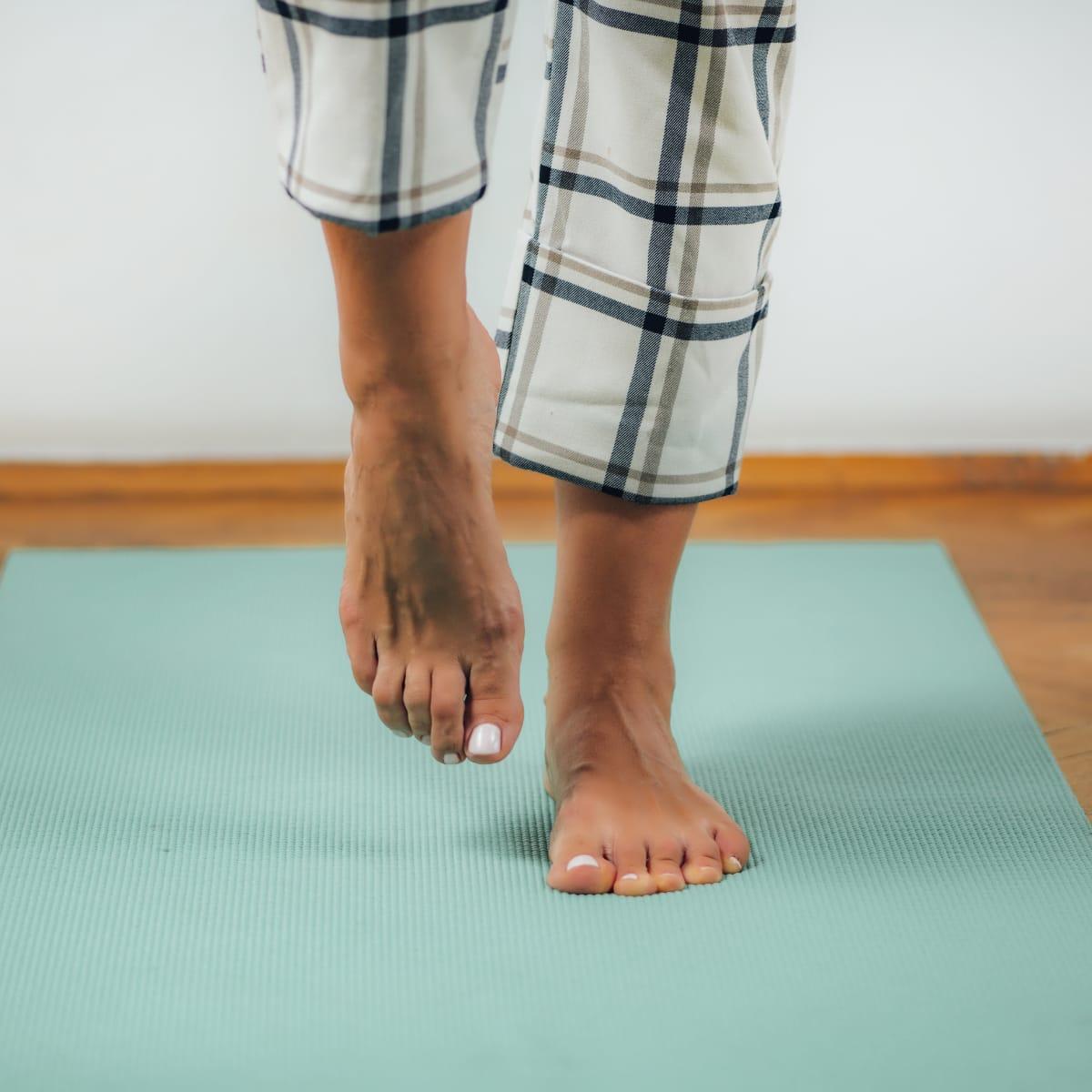
Vestibular Balance Exercise: Head Turns on One Foot
Your inner ear's vestibular system keeps you steady, and it's trainable. Try head turns on one foot to sharpen gaze stability and balance.
November 15, 2025 · 2 min read
Balance · Brain
Gaze Stability Exercise for Better Balance and Focus
Your eyes play a key role in balance. Learn the "Gaze Shifts with Thumbs" drill to train eye-head coordination, with a video demonstration.
October 25, 2025 · 3 min read
Balance
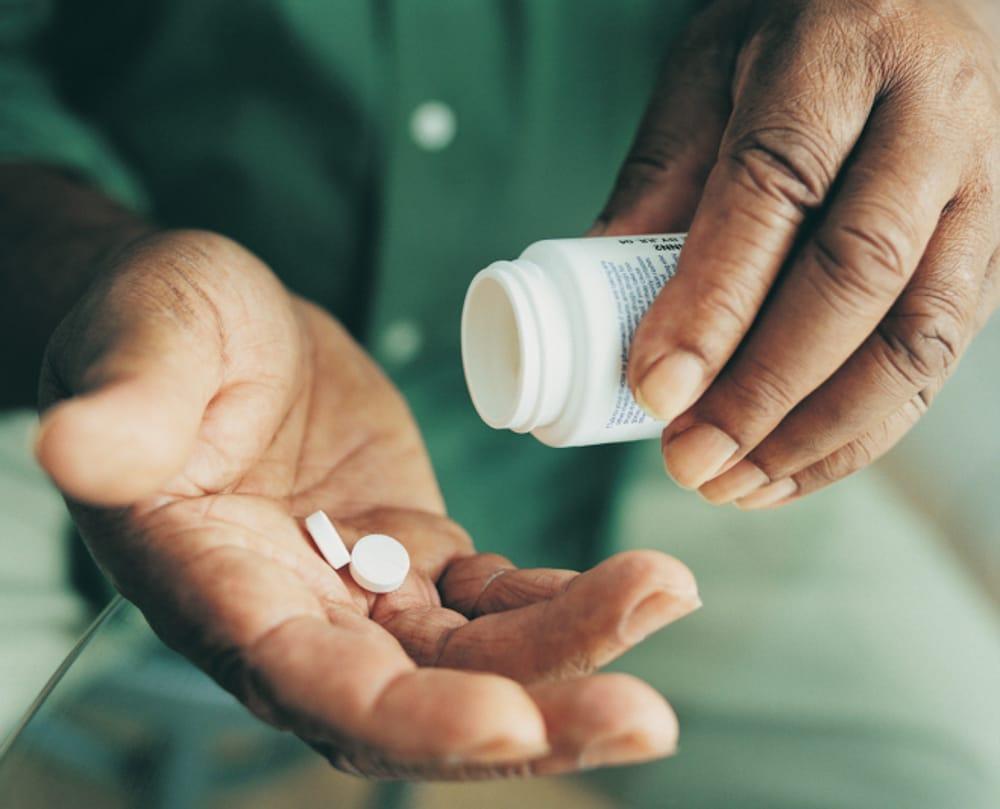
Medications That Can Affect Balance and Raise Fall Risk
Taking four or more medications is linked to higher fall risk. Which types can affect balance, a quick self-check, and the question to ask your doctor.
March 21, 2026 · 2 min read
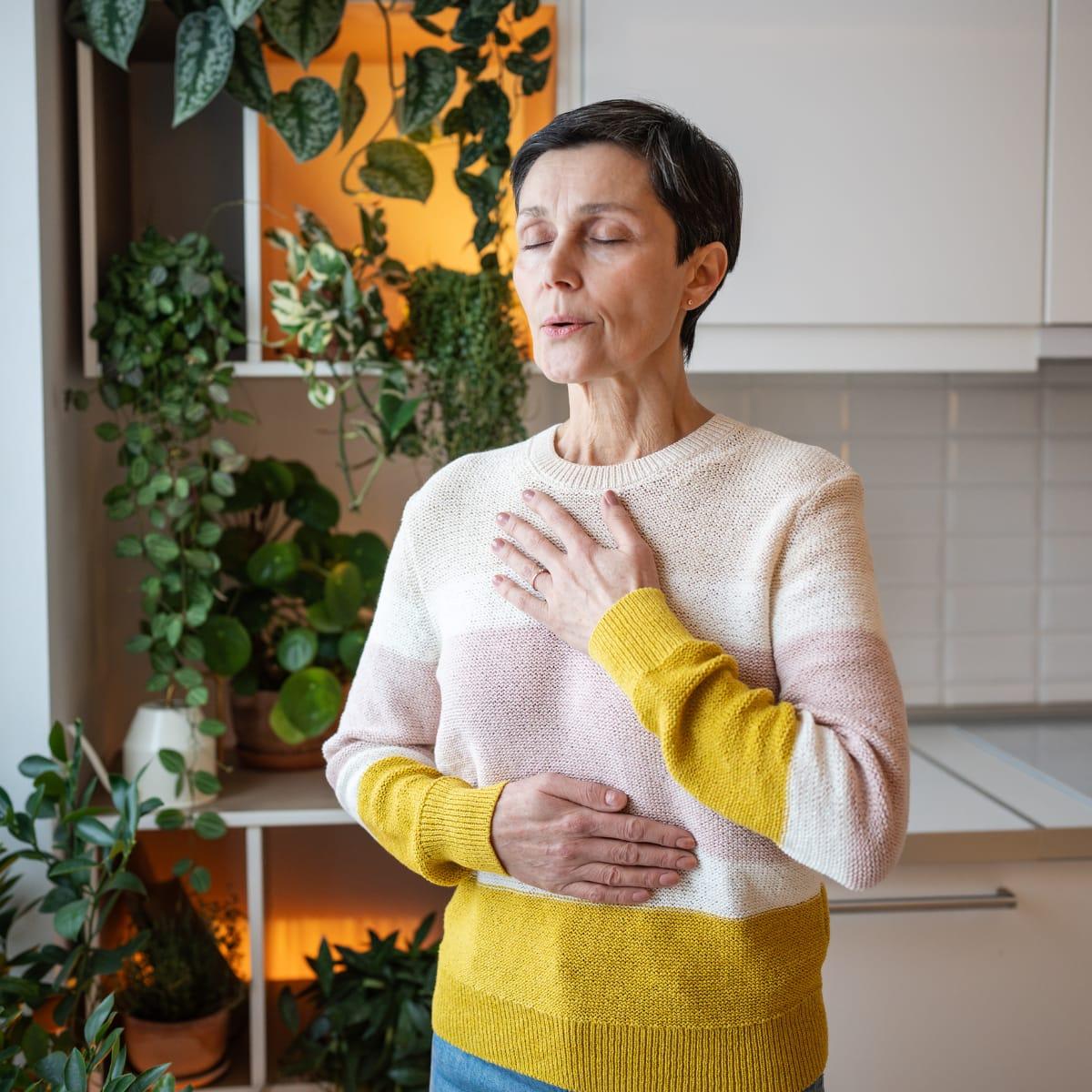
Balance
How Breathing Affects Balance (and an Exercise to Try)
How you breathe affects your posture, core stability and balance. Learn why, plus a simple 4–6 breathing exercise you can pair with balance practice.
January 31, 2026 · 2 min read
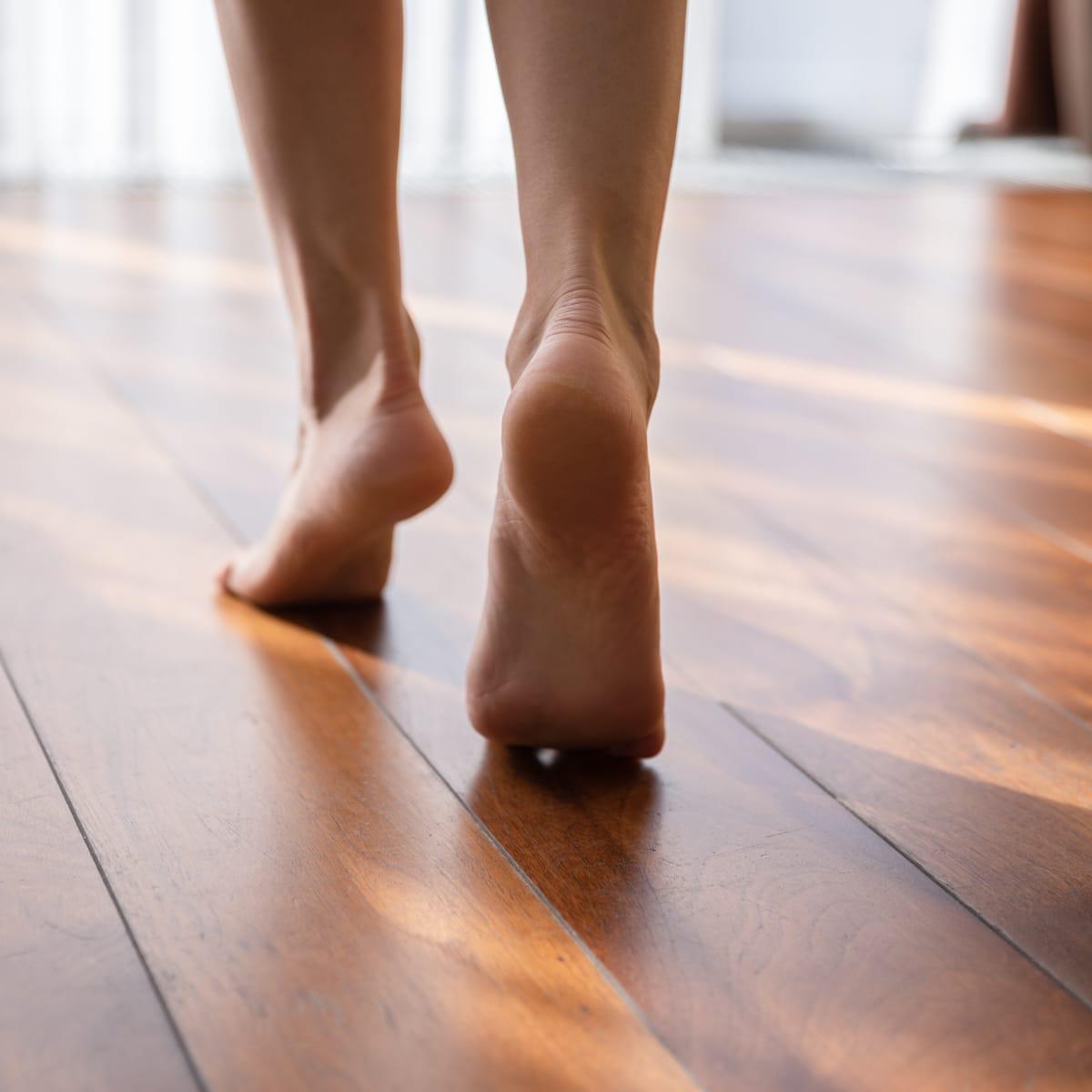
Balance · Body
Barefoot Training for Better Balance
Training barefoot or in minimal shoes wakes up the nerves and muscles in your feet for better balance. How to start safely, plus shoes and socks to try.
March 1, 2025 · 4 min read
Recipes to try

Dinner
Lemon Garlic Sheet Pan Salmon & Veggies
Salmon roasted on one pan with broccoli, carrots and bell pepper in lemon, garlic and olive oil — a quick, protein-packed dinner with easy cleanup.
2–4 servings

Side
Blueberry Walnut Salad with Coconut
Mixed greens with fresh blueberries, walnuts and toasted coconut in a simple lemon and olive oil dressing — refreshing and nutrient-packed.
Frequently asked questions
What is the best balance exercise for seniors to start with?
The single-leg stand next to a counter or sturdy chair is a great place to start. Hold on as much as you need, then gradually hover your hand and try balancing without support.
Once that feels steady, add heel-to-toe walking, standing marches and chair squats, and practice them at least two to three times a week.
Why do I feel off balance when I turn my head quickly?
Quick head turns challenge your vestibular system, the balance sensors in your inner ear, and the reflex that keeps your vision steady while your head moves. This system can lose sensitivity with age, but it is trainable with simple drills like head turns while standing on one foot near support.
If dizziness is new, severe or comes with other symptoms, see your doctor.
Can medications make you lose your balance?
Yes. Sleep aids, anti-anxiety medications, blood pressure medications, antidepressants, pain medications and diuretics can all affect balance, especially in combination. Bring a full list of everything you take, including supplements, to your doctor or pharmacist and ask whether any could be raising your fall risk.
Is it better for seniors to do balance exercises barefoot?
Often, yes. Your feet have over 7,000 nerve endings that tell your brain where you are, and thick, cushioned shoes reduce that feedback. Start with a few minutes barefoot on a hard floor near support, or use grippy socks or minimal shoes if bare feet aren't an option for you.
Why is my balance worse when I talk while walking?
Walking while thinking, called dual-tasking, makes movement and thought compete for your attention, so many people slow down or feel less steady. The encouraging news is that it can be trained by practicing simple balance exercises while doing a mental task, like naming foods while you march in place.
Sources
- Moreland B, Kakara R, Henry A. Trends in nonfatal falls and fall-related injuries among adults aged ≥65 years—United States, 2012-2018. MMWR Morb Mortal Wkly Rep. 2020;69(27):875-881. doi:10.15585/mmwr.mm6927a5 View source
- Centers for Disease Control and Prevention. Older adult falls data / facts about falls. CDC; accessed 2026. View source
- National Institute on Aging. Falls and fractures in older adults: causes and prevention. NIH; accessed 2026. View source
- Granacher U, Gollhofer A, Hortobágyi T, Kressig RW, Muehlbauer T. The importance of trunk muscle strength for balance, functional performance, and fall prevention in seniors: a systematic review. Sports Med. 2013;43(7):627-641. View source
- Addison O, Inacio M, Bair WN, Beamer BA, Ryan AS, Rogers MW. Role of hip abductor muscle composition and torque in protective stepping for lateral balance recovery in older adults. Arch Phys Med Rehabil. 2017;98(6):1223-1228. View source
- Agrawal Y, Carey JP, Della Santina CC, Schubert MC, Minor LB. Disorders of balance and vestibular function in US adults: data from the National Health and Nutrition Examination Survey, 2001-2004. Arch Intern Med. 2009;169(10):938-944. View source
- Kocjan J, Gzik-Zroska B, Nowakowska K, et al. Impact of diaphragm function parameters on balance maintenance. PLoS One. 2018;13(12):e0208697. View source
- Zaccaro A, Piarulli A, Laurino M, et al. How breath-control can change your life: a systematic review on psycho-physiological correlates of slow breathing. Front Hum Neurosci. 2018;12:353. View source
- Jiang G, Tan X, Zou J, Wu X. A 24-week combined resistance and balance training program improves physical function in older adults: a randomized controlled trial. J Strength Cond Res. 2025;39(1):e62-e69. View source
- Sherrington C, Fairhall NJ, Wallbank GK, et al. Exercise for preventing falls in older people living in the community. Cochrane Database Syst Rev. 2019;1(1):CD012424. doi:10.1002/14651858.CD012424.pub2 View source
- Liu Y, Jiang M, Pan X, Geng J. Effects of exercise on mobility, balance and gait in patients with the chronic stroke: a systematic review and meta-analysis. Sci Rep. 2025;15(1):24158. View source
- Hall CD, Heusel-Gillig L, Tusa RJ, Herdman SJ. Efficacy of gaze stability exercises in older adults with dizziness. J Neurol Phys Ther. 2010;34(2):64-69. View source
- Cui Z, Tang YY, Lee MH, Kim MK. The effects of gaze stability exercises on balance, gait ability, and fall efficacy in patients with chronic stroke: a 2-week follow-up from a randomized controlled trial. Medicine (Baltimore). 2024;103(32):e39221. View source
- McDonnell MN, Hillier SL. Vestibular rehabilitation for unilateral peripheral vestibular dysfunction. Cochrane Database Syst Rev. 2015;1:CD005397. View source
- Ren X, Kebbach M, Bruhn S, et al. Barefoot walking is more stable in the gait of balance recovery in older adults. BMC Geriatr. 2022;22(1):904. View source
- Cudejko T, Gardiner J, Akpan A, D'Août K. Minimal shoes improve stability and mobility in persons with a history of falls. Sci Rep. 2020;10(1):21755. View source
- Al-Yahya E, Dawes H, Smith L, Dennis A, Howells K, Cockburn J. Cognitive motor interference while walking: a systematic review and meta-analysis. Neurosci Biobehav Rev. 2011;35(3):715-728. View source
- Ercan Yildiz S, Fidan O, Gulsen C, Colak E, Genc GA. Effect of dual-task training on balance in older adults: a systematic review and meta-analysis. Arch Gerontol Geriatr. 2024;121:105368. View source
- Silsupadol P, Shumway-Cook A, Lugade V, et al. Effects of single-task versus dual-task training on balance performance in older adults: a double-blind, randomized controlled trial. Arch Phys Med Rehabil. 2009;90(3):381-387. View source
- Piercy KL, Troiano RP, Ballard RM, et al. The Physical Activity Guidelines for Americans. JAMA. 2018;320(19):2020-2028. View source
- LaRoche DP, Cook SB, Mackala K. Strength asymmetry increases gait asymmetry and variability in older women. Med Sci Sports Exerc. 2012;44(11):2172-2181. View source
- Woolcott JC, Richardson KJ, Wiens MO, et al. Meta-analysis of the impact of 9 medication classes on falls in elderly persons. Arch Intern Med. 2009;169(21):1952-1960. doi:10.1001/archinternmed.2009.357 View source
- Seppala LJ, Wermelink AMAT, de Vries M, et al. Fall-risk-increasing drugs: a systematic review and meta-analysis: II. Psychotropics. J Am Med Dir Assoc. 2018;19(4):371.e11-371.e17. View source
- de Vries M, Seppala LJ, Daams JG, van de Glind EMM, Masud T, van der Velde N. Fall-risk-increasing drugs: a systematic review and meta-analysis: I. Cardiovascular drugs. J Am Med Dir Assoc. 2018;19(4):371.e1-371.e9. View source
This guide is for general education and isn't medical advice. Please talk with your doctor before starting a new exercise, nutrition or supplement routine. See our health disclaimer.

About the author
Kristen Nielsen
Kristen founded TogetherWON after watching what strength training could do for older adults — including her own grandparents. She's an ACE Certified Personal Trainer with 10+ years in functional aging, a University of Central Florida graduate, and a former Division I swimmer and track & field athlete.
Senior Fitness Specialist · Functional Aging Specialist · Parkinson's Disease Specialist · Brain Health Trainer · Corrective Exercise Specialist
want these in your inbox?
Get my Saturday letters
One idea for your body, brain or balance each week, usually with a recipe. Unsubscribe any time.