3 Common Exercise Mistakes Older Adults Make
By Kristen Nielsen, Founder & Senior Fitness Specialist
· Updated · Body & Balance · 3 minute read
Part of our guide: Balance Exercises for Seniors: How to Prevent Falls
Key takeaways
- The 3 most common exercise mistakes older adults make are doing only cardio, skipping balance training, and pushing too hard or not hard enough.
- Include strength exercises 2–3 times per week and add simple balance challenges, like heel-to-toe standing, to your workouts.
- Most of the time you should feel your muscles working while still being able to speak in short sentences, with a few short bursts of harder effort.
The three most common exercise mistakes I see older adults make are doing only cardio, skipping balance training, and exercising at the wrong intensity, either too hard or not hard enough. Each one is easy to fix.
Exercise is one of the most powerful tools we have for maintaining independence, energy, and confidence as we age. But how we exercise matters just as much as whether we exercise. I often see older adults working hard with great intentions, yet making a few simple mistakes that slow their progress or even increase injury risk.
Let's look at each one — and what to do instead. (For the balance piece, our guide to balance exercises for seniors goes deeper.)
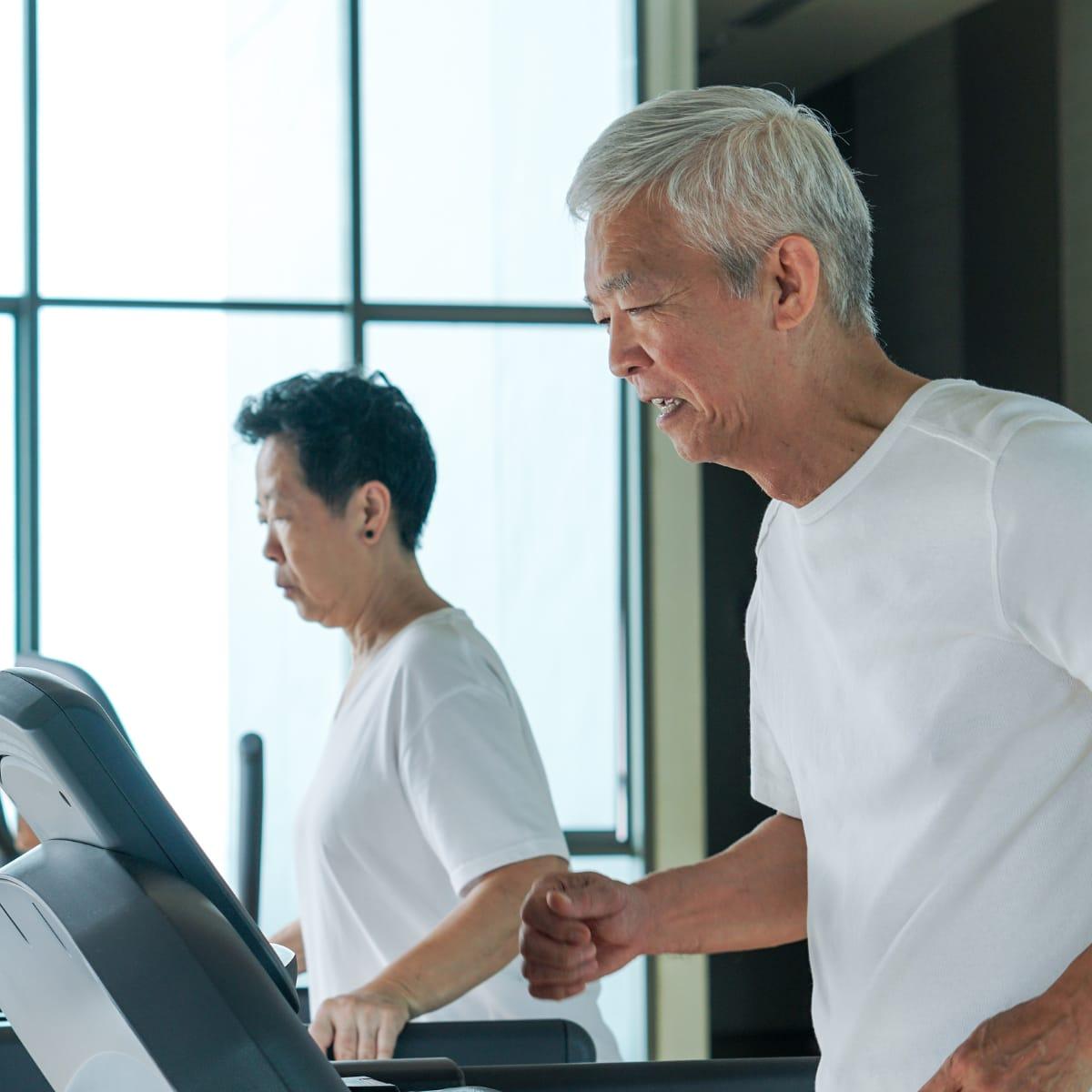
1. Doing Only Cardio: Why Walking Isn't Enough
Walking is fantastic. Biking is great. Swimming is wonderful. But cardio alone is not enough (here are ideas for what to add to your walking routine).
As we age, we naturally lose muscle mass and bone density. This loss can lead to weakness, balance issues, and higher fall risk — and strength training is one of the best ways to slow it.
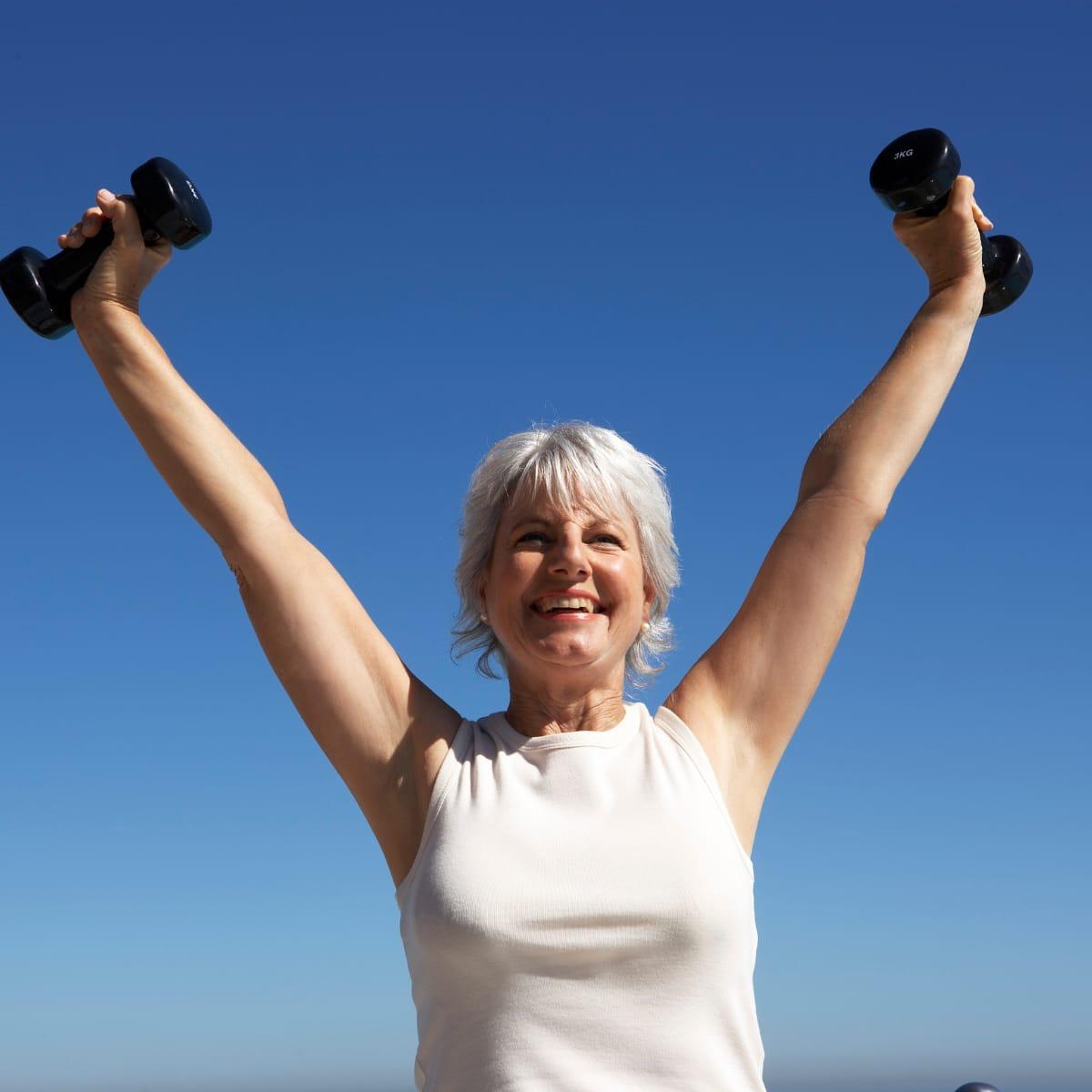
What to do instead: Aim to include strength exercises 2–3 times per week. This doesn't have to mean heavy weights or a gym membership. Resistance bands, light dumbbells, or even bodyweight exercises like sit-to-stands can make a huge difference. The 30-second chair stand test is a simple way to see where your leg strength is now.
2. Skipping Balance Training
Many people think balance just "goes away with age," but balance is actually a skill that can be trained and improved — just like strength.
The problem is that most workouts ignore it entirely.
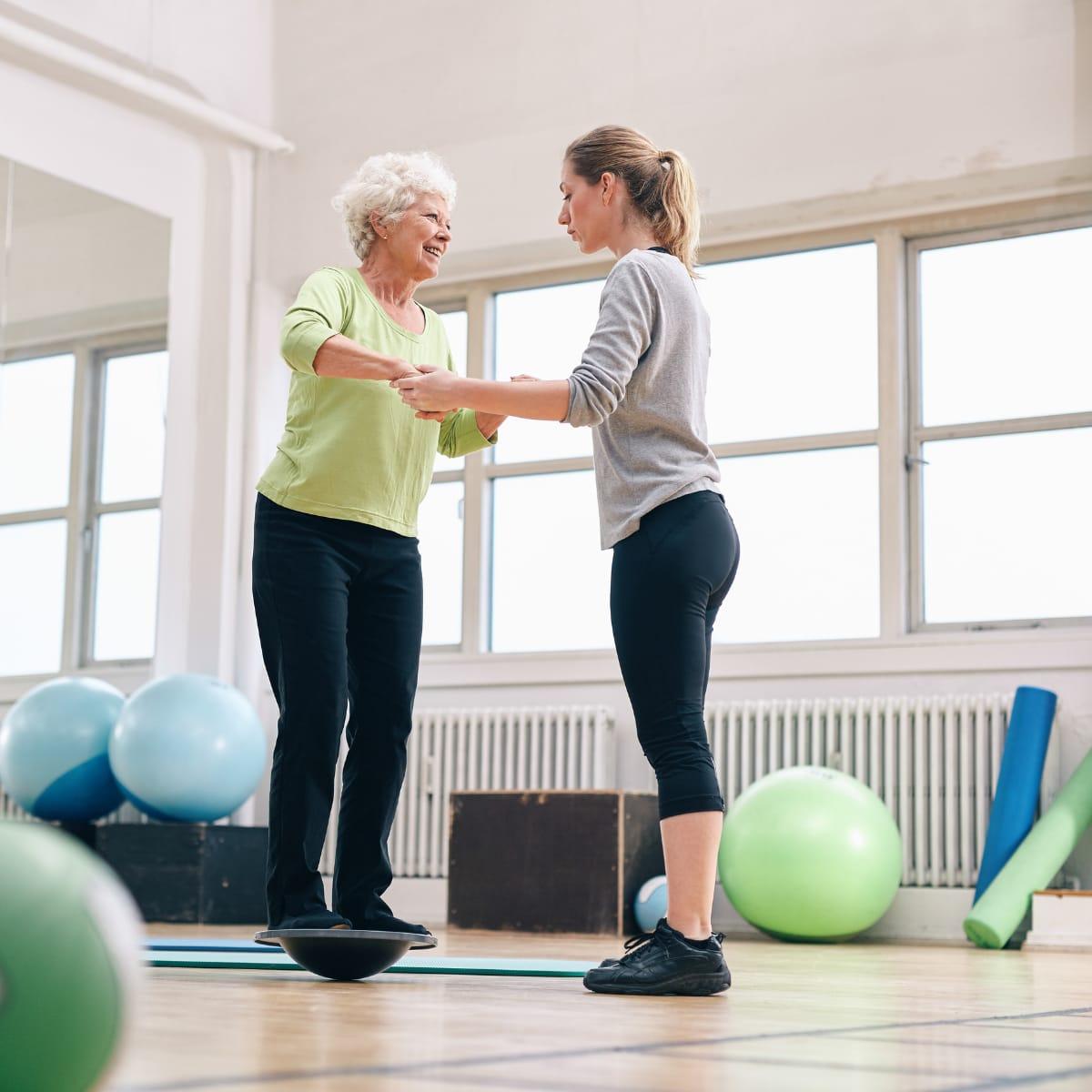
What to do instead: Add simple balance challenges into regular workouts, or work with a trainer on fall prevention and balance training:
- Standing heel-to-toe
- Shifting weight side to side
- Light single-leg holds near a counter or chair
- Turning the head slowly while standing tall
Small daily practice can dramatically increase stability and confidence.
3. Pushing Too Hard — or Not Hard Enough
This is a big one. Some older adults try to exercise like they did 30 years ago and end up super sore or injured. Others stay so cautious that their bodies never get the stimulus needed to grow stronger.
Both extremes slow progress.
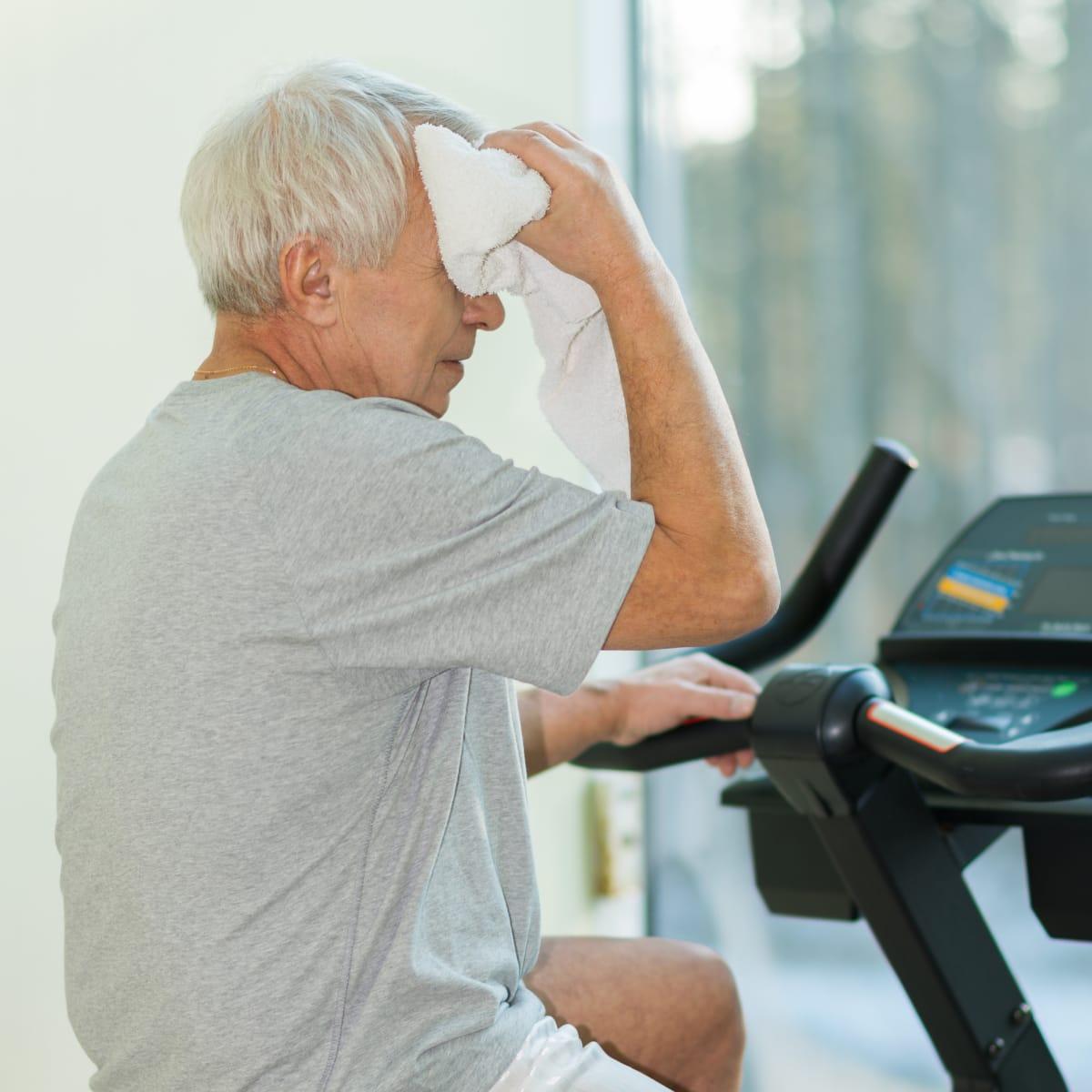
What to do instead: Most of the time, you should feel your muscles working and notice your heart rate rise slightly, while still being able to speak in short sentences. Adding a few strategic bursts of higher intensity can be very effective for improving heart and lung health, and they don't need to last long. Just several 20–30-second intervals of working hard during an exercise session — enough to feel breathless — can make a big impact. If you want to try it, here's how to start interval training safely.
What Should an Exercise Plan for Older Adults Include?
The best exercise plan for older adults includes strength, balance, mobility, and a bit of cardio — all at an appropriate intensity.
When these elements work together, the results are powerful: better posture, steadier walking, stronger muscles, sharper thinking, and more confidence doing everyday activities.
A few smart, well-chosen movements done regularly will always outperform occasional "all-in-one" workouts.
Stay steady, stay strong, and keep moving forward.
As always, check with your physician or qualified healthcare provider before beginning any new exercise program, especially if you have existing medical conditions, injuries, or concerns. Exercise should be tailored to your individual needs and abilities.
Kristen
Try the recipe: Try this apple cinnamon protein oat bake for a great start to your day — get the recipe.
Sources
- Volpi E, Nazemi R, Fujita S. Muscle tissue changes with aging. Curr Opin Clin Nutr Metab Care. 2004;7(4):405-410. View source
- Piercy KL, et al. Physical Activity Guidelines for Americans. JAMA. 2018;320(19):2020-2028. View source
- Sherrington C, Fairhall NJ, Wallbank GK, et al. Exercise for preventing falls in older people living in the community. Cochrane Database Syst Rev. 2019;1(1):CD012424. View source
- Marriott CFS, Petrella AFM, Marriott ECS, Boa Sorte Silva NC, Petrella RJ. High-intensity interval training in older adults: a scoping review. Sports Med Open. 2021;7(1):49. View source
- Oliveira A, Fidalgo A, Farinatti P, Monteiro W. Effects of high-intensity interval and continuous moderate aerobic training on fitness and health markers of older adults: a systematic review and meta-analysis. Arch Gerontol Geriatr. 2024;124:105451. View source
This article is for general education and isn't medical advice. Please talk with your doctor before starting a new exercise, nutrition or supplement routine. See our health disclaimer.


About the author
Kristen Nielsen
Kristen founded TogetherWON after watching what strength training could do for older adults — including her own grandparents. She's an ACE Certified Personal Trainer with 10+ years in functional aging, a University of Central Florida graduate, and a former Division I swimmer and track & field athlete.
Senior Fitness Specialist · Functional Aging Specialist · Parkinson's Disease Specialist · Brain Health Trainer · Corrective Exercise Specialist
want these in your inbox?
Get my Saturday letters
One idea for your body, brain or balance each week, usually with a recipe. Unsubscribe any time.
Keep reading
Body · Balance
Is One Side Weaker? How to Fix Muscle Imbalances
Favoring your stronger side can hide weakness and widen the gap between sides. How to notice the pattern and give your weaker side safe practice.
August 8, 2026 · 5 min read
Body · Balance
What to Add to Your Walking Routine After 60
Walking is a great foundation after 60, but it doesn't train everything. How to add strength, balance and brain-body work to your walks.
July 25, 2026 · 5 min read

Body · Balance
Suitcase Carry: The Best Core Exercise for Real Life
The one-arm carry trains your core to keep you centered under uneven loads like groceries. Why it helps balance, and how to practice it safely at home.
January 10, 2026 · 2 min read