Barefoot Training for Better Balance
By Kristen Nielsen, Founder & Senior Fitness Specialist
· Updated · Balance & Body · 4 minute read
Part of our guide: Balance Exercises for Seniors: How to Prevent Falls
Key takeaways
- Training barefoot or in minimal shoes can help your balance by giving your feet more feedback from the ground and strengthening the small muscles in your feet.
- Your feet have over 7,000 nerve endings that tell your brain about your position, and heavily cushioned shoes can reduce that feedback.
- Start slowly by standing barefoot a few minutes a day on a hard floor, and try toe exercises like scrunching up a towel.
- If going fully barefoot isn't an option, toe socks, grippy yoga socks or minimal shoes offer many of the same benefits.
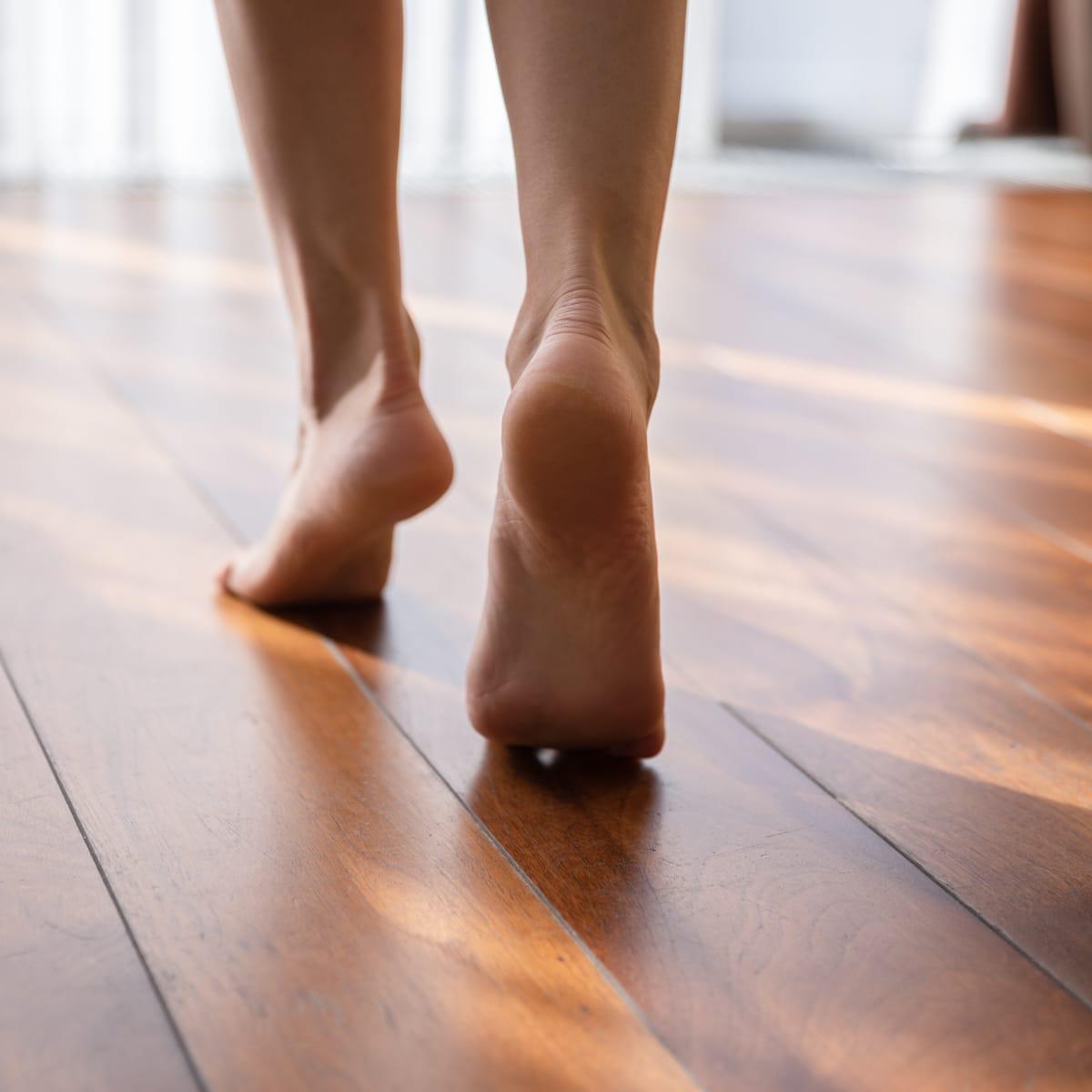
Yes, training barefoot can improve your balance, because it lets the thousands of nerve endings in your feet feel the ground and makes the small foot muscles work. It's one of my favorite add-ons to regular balance exercises for seniors.
In fact, one of the reasons I often train at home instead of the gym is that I like to do my strength and balance training barefoot or in grippy socks. This is sometimes frowned upon at gyms (don't ask me how I know!). In this post, we'll explore why barefoot training is so beneficial. I'll also share some alternatives if you prefer to wear shoes but still want to experience most of the benefits of barefoot training.
Does Training Barefoot Improve Balance?
It can. When it comes to balance, your feet are your foundation. But if you've spent most of your life in supportive, cushioned shoes, your feet may not be as strong or responsive as they could be. Training barefoot — or in minimal footwear — can enhance balance, strengthen foot muscles, and improve your body's ability to react to uneven surfaces.
Why Are Your Feet So Important for Balance?
Your feet are a built-in balance system. The human foot is an engineering marvel, containing over 7,000 nerve endings (proprioceptors) that send constant feedback to your brain about your position, movement, and stability. The foot has 26 bones, 33 joints, and more than 100 muscles, tendons, and ligaments — all working together to provide structure and movement.
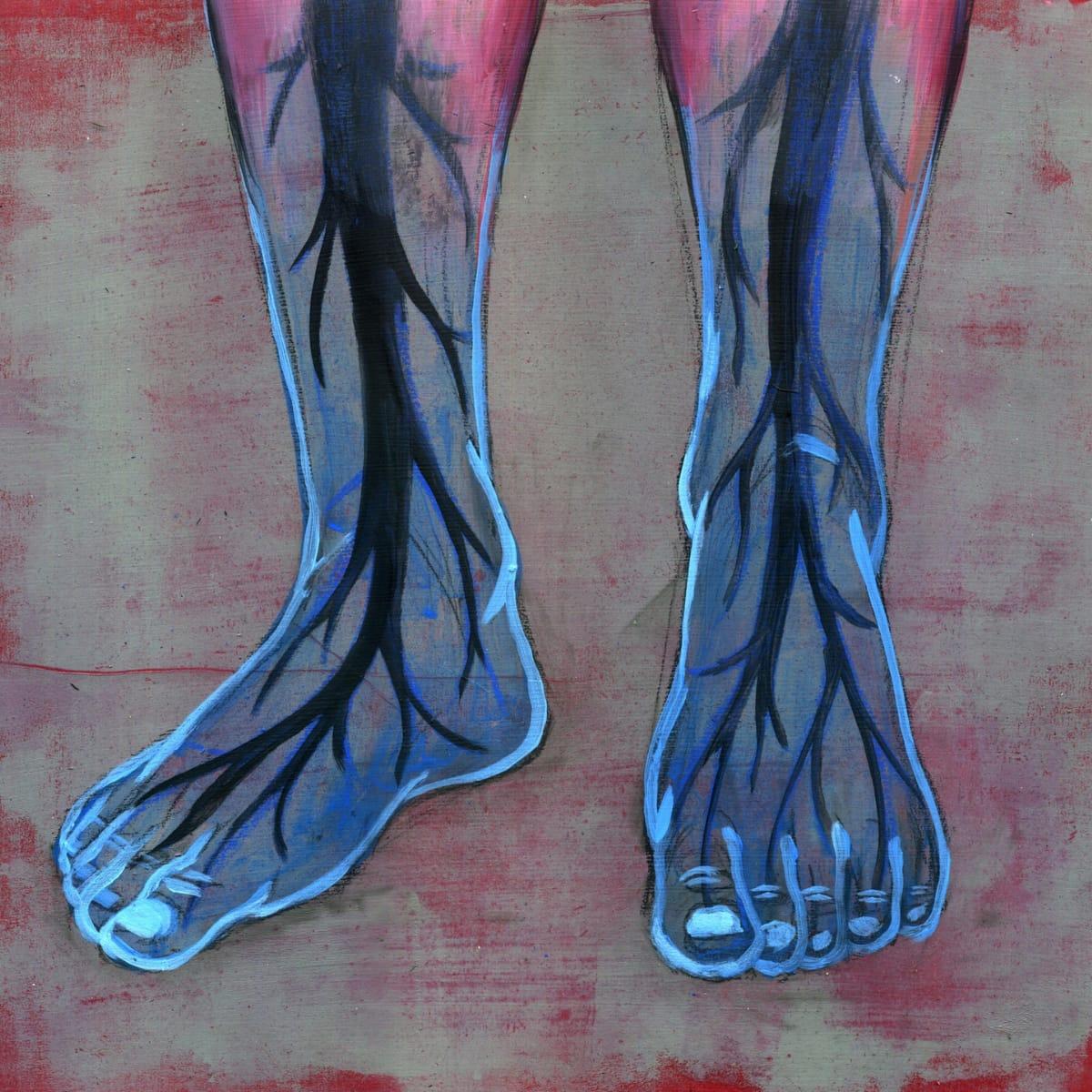
When you wear heavily cushioned or rigid shoes, you reduce the sensory input from the ground, making it harder for your body to adjust to changes in terrain and maintain balance. Research shows that going barefoot enhances proprioception, leading to better stability, reduced fall risk, and improved movement efficiency.
What Does Research Say About Barefoot Training?
Studies support the idea that training barefoot strengthens the muscles in the feet and ankles, leading to better balance and stability.
- Minimal Shoes Hold Their Own – A 2023 study in the Journal of Foot and Ankle Research found that older women had similar standing balance and walking stability in minimalist shoes as in supportive shoes designed to prevent falls. (Journal of Foot and Ankle Research)
- Improved Postural Control – A 2022 study published in BMC Geriatrics found that older adults walked more steadily barefoot than in shoes while recovering from a trip-like stumble on a treadmill. (BMC Geriatrics)
- Better Stability and Mobility – A 2020 study in Scientific Reports showed that, in people with a history of falls, minimal shoes improved standing and walking stability and mobility compared with conventional shoes. (Scientific Reports)
How Do You Start Barefoot Balance Training Safely?
Start slowly, on a stable surface, with support nearby. If you're new to barefoot balance training, here's how to start:
- Start Slow – Begin by standing barefoot for a few minutes a day and progress to balance exercises, like single-leg stands or heel raises. These simple balance exercises at home work well barefoot.
- Use a Stable Surface First – Start on a hard floor before progressing to softer surfaces like a yoga mat or grass.
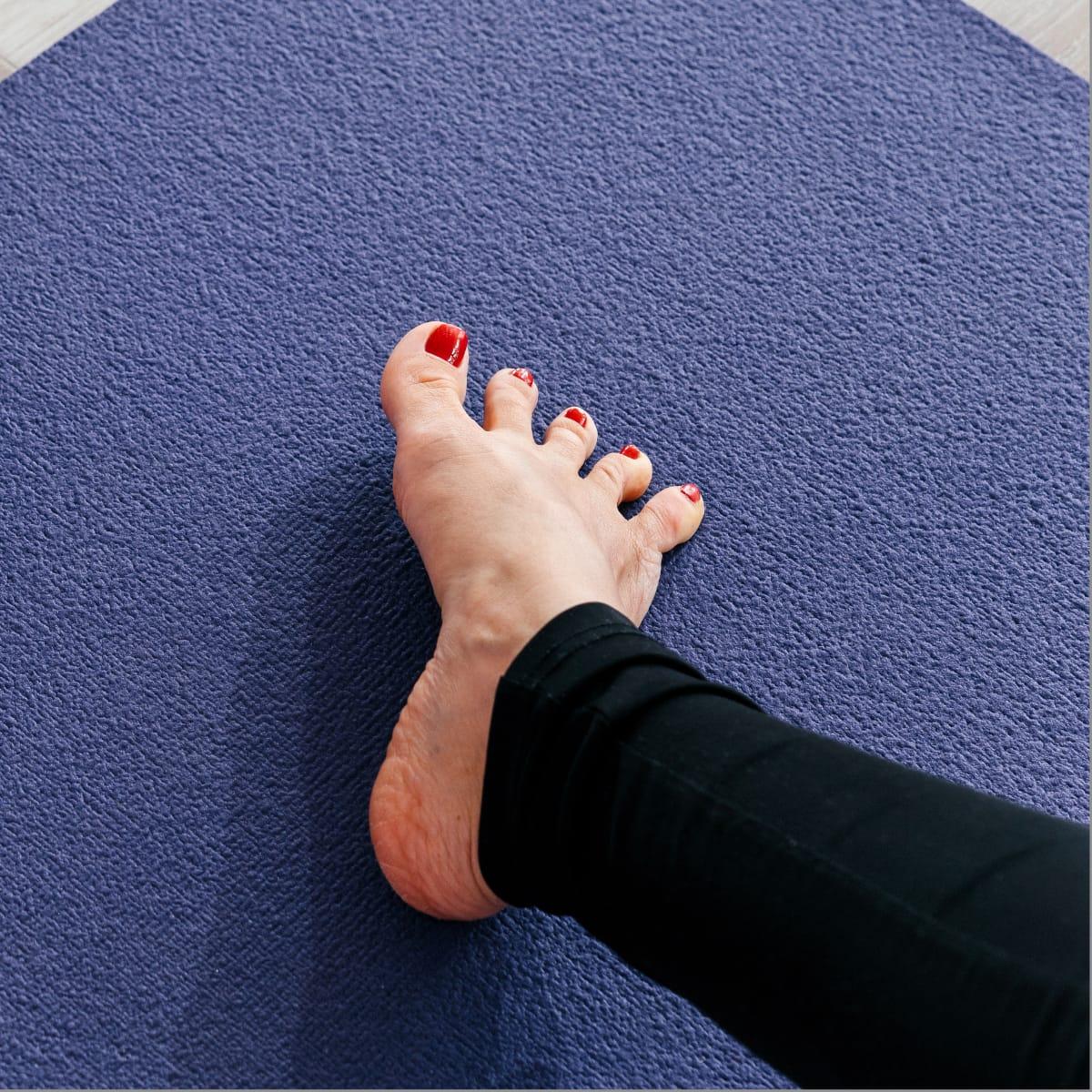
- Engage in Toe Exercises – Try toe spreads and short foot exercises to strengthen intrinsic foot muscles that aid balance. Scrunching a towel up with your toes is a great exercise!
- Try Minimal Shoes or Socks – If going fully barefoot isn't an option, minimal footwear or sensory-stimulating socks can help strengthen foot muscles while offering slight protection.
Best Minimal Shoes & Socks for Balance Training
If you would like to try barefoot training but need a little something extra on your feet, here are some suggestions for some minimal socks and shoes that are designed for this purpose. I've included the links to each company if you are interested in checking them out.
- Toe Socks (like Injinji or Naboso) – Designed to stimulate foot muscles and improve sensory feedback for better balance. For a less expensive (though less stimulating) option, any kind of "yoga" socks will work, as they grip the ground well.
- Xero Shoes – Xero Shoes are my personal favorite for minimal shoes! These lightweight, flexible shoes strengthen foot muscles while providing a bit of protection. Plus, you can wear them at the gym without getting sideways looks.
- Vibram FiveFingers – Vibram FiveFingers are ultra-minimal shoes that allow for full foot movement and ground contact, enhancing stability.
- Lems Shoes – Lems Shoes are a good transitional option, offering a wide toe box for better foot function without excessive cushioning. They have lots of options for everyday wear.
Your feet are built to sense, adapt, and stabilize you, but traditional footwear can limit their ability to do so. By training barefoot — or in minimal footwear — you can improve balance, reduce fall risk, and strengthen your foundation for better movement. If falls are a worry, our fall prevention and balance training program can help you build that foundation safely.
Have you tried balance training barefoot? Let me know what you think!
Kristen
Try the recipe: These easy baked meatballs are great to make in bulk and freeze for an easy protein snack or meal — get the recipe.
Sources
- Azhar AN, Munteanu SE, Menz HB. Effects of supportive and minimalist footwear on standing balance and walking stability in older women. J Foot Ankle Res. 2023;16(1):38. View source
- Ren X, Kebbach M, Bruhn S, et al. Barefoot walking is more stable in the gait of balance recovery in older adults. BMC Geriatr. 2022;22(1):904. View source
- Cudejko T, Gardiner J, Akpan A, D'Août K. Minimal shoes improve stability and mobility in persons with a history of falls. Sci Rep. 2020;10(1):21755. View source
This article is for general education and isn't medical advice. Please talk with your doctor before starting a new exercise, nutrition or supplement routine. See our health disclaimer.


About the author
Kristen Nielsen
Kristen founded TogetherWON after watching what strength training could do for older adults — including her own grandparents. She's an ACE Certified Personal Trainer with 10+ years in functional aging, a University of Central Florida graduate, and a former Division I swimmer and track & field athlete.
Senior Fitness Specialist · Functional Aging Specialist · Parkinson's Disease Specialist · Brain Health Trainer · Corrective Exercise Specialist
want these in your inbox?
Get my Saturday letters
One idea for your body, brain or balance each week, usually with a recipe. Unsubscribe any time.
Keep reading
Body · Balance
Is One Side Weaker? How to Fix Muscle Imbalances
Favoring your stronger side can hide weakness and widen the gap between sides. How to notice the pattern and give your weaker side safe practice.
August 8, 2026 · 5 min read
Body · Balance
What to Add to Your Walking Routine After 60
Walking is a great foundation after 60, but it doesn't train everything. How to add strength, balance and brain-body work to your walks.
July 25, 2026 · 5 min read
Body · Balance
3 Common Exercise Mistakes Older Adults Make
Doing only cardio, skipping balance work and training at the wrong intensity are three common exercise mistakes after 60. Here's what to do instead.
February 7, 2026 · 3 min read