How Breathing Affects Balance (and an Exercise to Try)
By Kristen Nielsen, Founder & Senior Fitness Specialist
· Updated · Balance · 2 minute read


Part of our guide: Balance Exercises for Seniors: How to Prevent Falls
Key takeaways
- Yes, breathing affects balance. Your diaphragm helps stabilize your spine, and calm, slow breathing helps your body make smoother balance corrections.
- Try the 4–6 balance breath: inhale through your nose for 4 seconds, exhale through your mouth for 6 seconds, and repeat for 6–10 breaths.
- Once that feels comfortable, practice slow breathing while standing in a gentle staggered stance, keeping a hand near support if needed.
Yes, the way you breathe affects your balance. Breathing influences your posture, your core stability, and how steady your body feels when you stand, walk, or change direction.
When people think about balance exercises for seniors, they usually think about leg strength or ankle stability. Those are important — but there's another key factor that often gets overlooked:
How you breathe.
Is Your Diaphragm a Balance Muscle?
In a way, yes. Your main breathing muscle — the diaphragm — does more than move air in and out of your lungs.
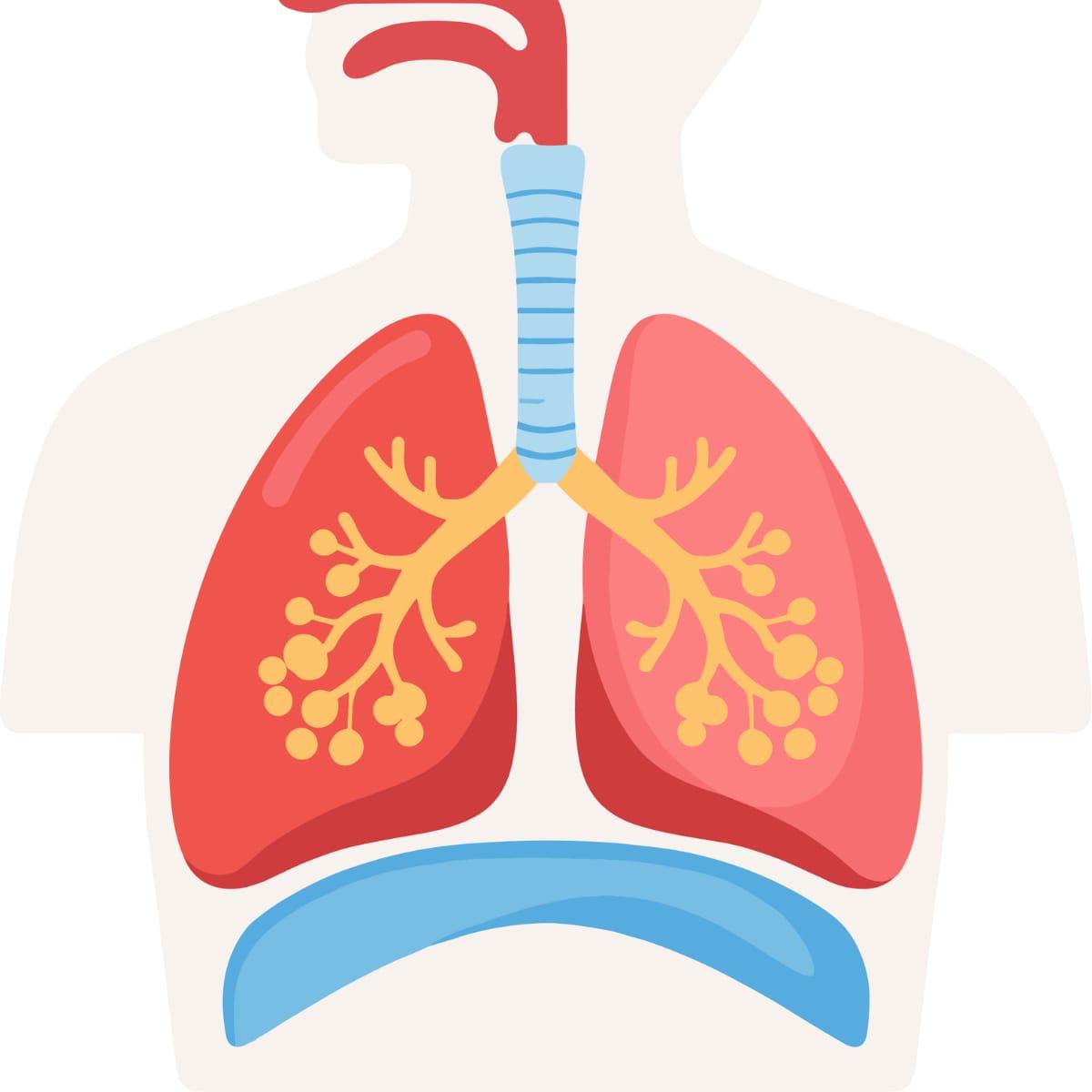
Each time you inhale:
- The diaphragm moves downward
- Gentle pressure is created inside your torso
- That pressure helps stabilize your spine
This internal stability gives your arms and legs a stronger, more controlled base to move from. When breathing is shallow or rushed, that stability is reduced — and balance can feel less secure.
Can Calm Breathing Make You Steadier?
It often can, because balance is not just mechanical — it's neurological.
Your brain is constantly integrating information from:
- Your eyes
- Your inner ear
- Your feet and joints
Slow, controlled breathing helps regulate the nervous system, improving coordination and responsiveness. When breathing is calm and steady, the body tends to make smoother, quicker balance corrections.
Simply put: calmer breathing often leads to steadier balance.
What Breathing Exercise Helps Balance?
The 4–6 Balance Breath
Try the 4–6 balance breath, which needs no equipment. This exercise helps improve trunk stability and nervous system regulation.
Position: Sit tall in a chair or stand near a counter or chair for support.
How to do it:
- Inhale gently through your nose for 4 seconds
- Exhale slowly through your mouth for 6 seconds
- Repeat for 6–10 breaths
Your breathing should feel smooth and controlled — not forced.
Add Balance (Optional Progression)
Once the breathing feels comfortable:
- Stand with feet hip-width apart
- Perform 3–5 slow breaths
- Step one foot slightly forward into a gentle staggered stance
- Perform 3–5 more slow breaths
If needed, keep one hand near a support surface.
This teaches your body to stay calm and stable while balance is challenged, which is exactly what's required in daily life. Once this feels easy, add slow breathing to other simple balance exercises at home.
When Does Breathing Affect Balance in Daily Life?
Many balance challenges happen during:
- Turning
- Reaching
- Standing up
- Walking in busy environments
If breathing becomes shallow or tense during these moments, balance often worsens. Practicing calm breathing alongside balance work helps the body stay controlled under mild challenge. (For stressful moments, the cyclic sigh is another breathing tool I love.)
Balance Depends on More Than Strong Legs
Balance depends on more than strong legs.
It also relies on:
- Trunk stability
- Nervous system regulation
- Efficient breathing patterns
By practicing intentional breathing — especially while standing — you're training one of the foundational systems that supports safe, confident movement as we age. It's a regular part of our fall prevention and balance training.
Kristen
Try the recipe: For an easy, high-protein dinner, try this simple chickpea pasta — get the recipe.
Sources
- Kocjan J, Gzik-Zroska B, Nowakowska K, et al. Impact of diaphragm function parameters on balance maintenance. PLoS One. 2018;13(12):e0208697. View source
- Zaccaro A, Piarulli A, Laurino M, et al. How breath-control can change your life: a systematic review on psycho-physiological correlates of slow breathing. Front Hum Neurosci. 2018;12:353. View source
This article is for general education and isn't medical advice. Please talk with your doctor before starting a new exercise, nutrition or supplement routine. See our health disclaimer.


About the author
Kristen Nielsen
Kristen founded TogetherWON after watching what strength training could do for older adults — including her own grandparents. She's an ACE Certified Personal Trainer with 10+ years in functional aging, a University of Central Florida graduate, and a former Division I swimmer and track & field athlete.
Senior Fitness Specialist · Functional Aging Specialist · Parkinson's Disease Specialist · Brain Health Trainer · Corrective Exercise Specialist
want these in your inbox?
Get my Saturday letters
One idea for your body, brain or balance each week, usually with a recipe. Unsubscribe any time.
Keep reading
Body · Balance
Is One Side Weaker? How to Fix Muscle Imbalances
Favoring your stronger side can hide weakness and widen the gap between sides. How to notice the pattern and give your weaker side safe practice.
August 8, 2026 · 5 min read

Brain · Balance
Dual-Task Walking Exercises: Train to Walk and Think
Dual-tasking, or moving while thinking, can get harder with age, but it can be trained. Try three simple exercises that pair walking with a mental task.
August 1, 2026 · 3 min read
Body · Balance
What to Add to Your Walking Routine After 60
Walking is a great foundation after 60, but it doesn't train everything. How to add strength, balance and brain-body work to your walks.
July 25, 2026 · 5 min read