Nutrition After 60: What to Eat to Stay Strong
By Kristen Nielsen, Founder & Senior Fitness Specialist · Updated · 13 minute read

Adults over 60 should build most meals around protein, vegetables, fruit, beans, whole grains, nuts, olive oil and fish, and limit added sugar and highly processed foods. Drink water throughout the day, and pay extra attention to calcium, vitamin D, vitamin B12, magnesium, potassium and fiber, which often run short with age.
Key takeaways
- After 60, many of us need fewer calories but the same or more protein, calcium, vitamin D and B12. Every bite has to work a little harder.
- Thirst fades with age, so drink water on a schedule. Keep added sugar low, and eat vegetables and protein before starches to keep blood sugar steady.
- A short walk after meals lowers blood sugar spikes. In one study of adults 60 and older, three 15-minute walks after meals lowered after-dinner blood sugar more than one 45-minute walk.
- Food first. If you do take supplements, stay under the NIH upper limits, such as 4,000 IU of vitamin D and 350 mg of supplemental magnesium a day.
I talk about exercise all day long, but I've learned that what my clients eat can make or break their progress. You can do every squat and balance drill I give you, but if your body doesn't have the right building blocks, it's hard to get stronger, recover well and keep your energy up.
Here's what makes nutrition after 60 a little different: many of us need fewer calories, but the same or even more of certain nutrients. The 2025–2030 Dietary Guidelines for Americans point out that older adults still need equal or greater amounts of protein, vitamin B12, vitamin D and calcium, even when they eat less.1 That means every bite has to work a little harder.
This guide pulls together what I've written about nutrition: water, sugar and blood sugar, the minerals and vitamins that tend to run short with age, healthy fats, fiber, supplements, and a simple way to build your meals. You don't need to do it all at once. Pick one thing and start there.
What Should Adults Over 60 Eat?
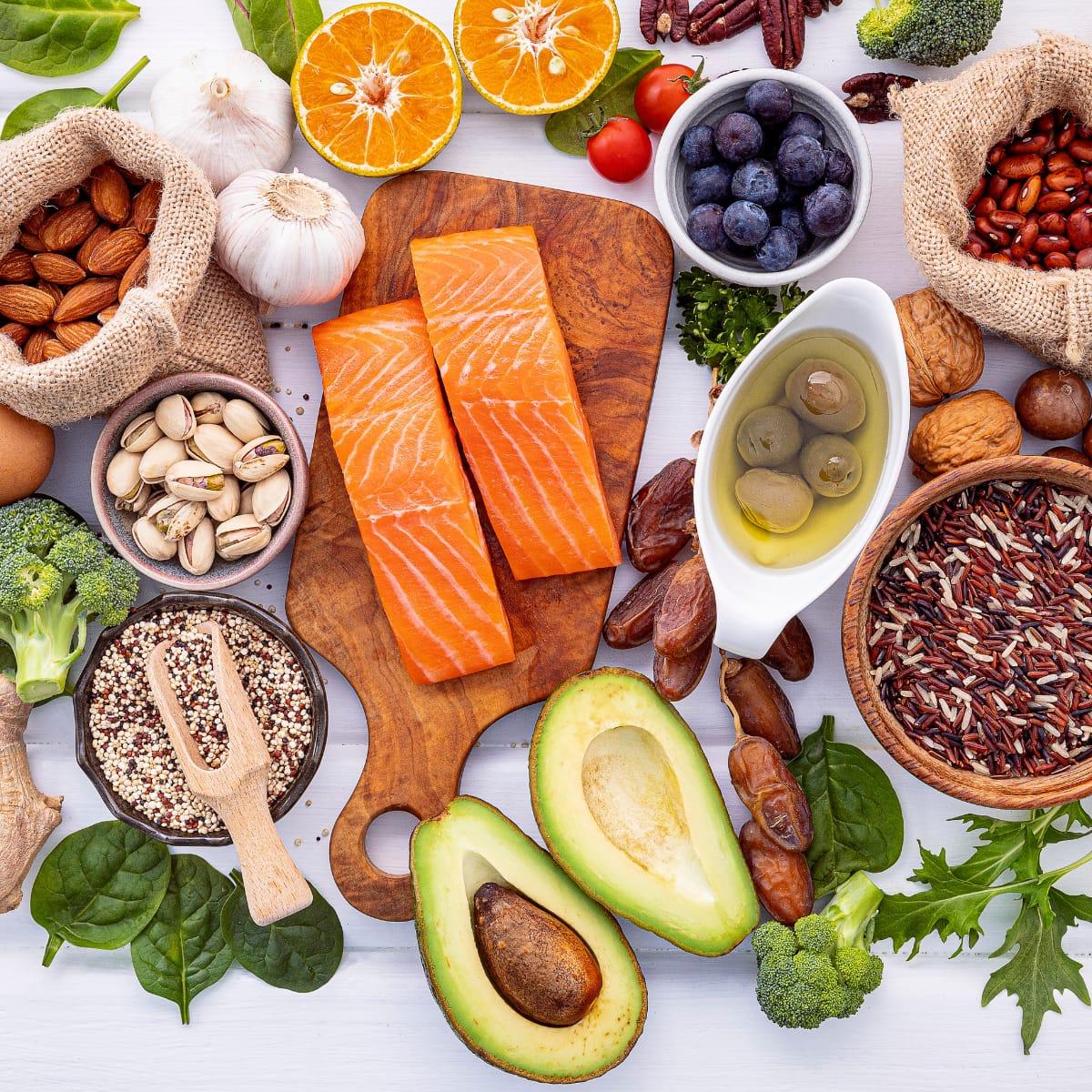
The healthiest way of eating after 60 isn't a fad diet. It's mostly real, whole foods, built around protein. The Dietary Guidelines encourage older adults to prioritize nutrient-dense foods like dairy, meat, seafood, eggs, beans and whole plant foods, including vegetables, fruits, whole grains, nuts and seeds.1
When I plan meals, I use a simple formula:
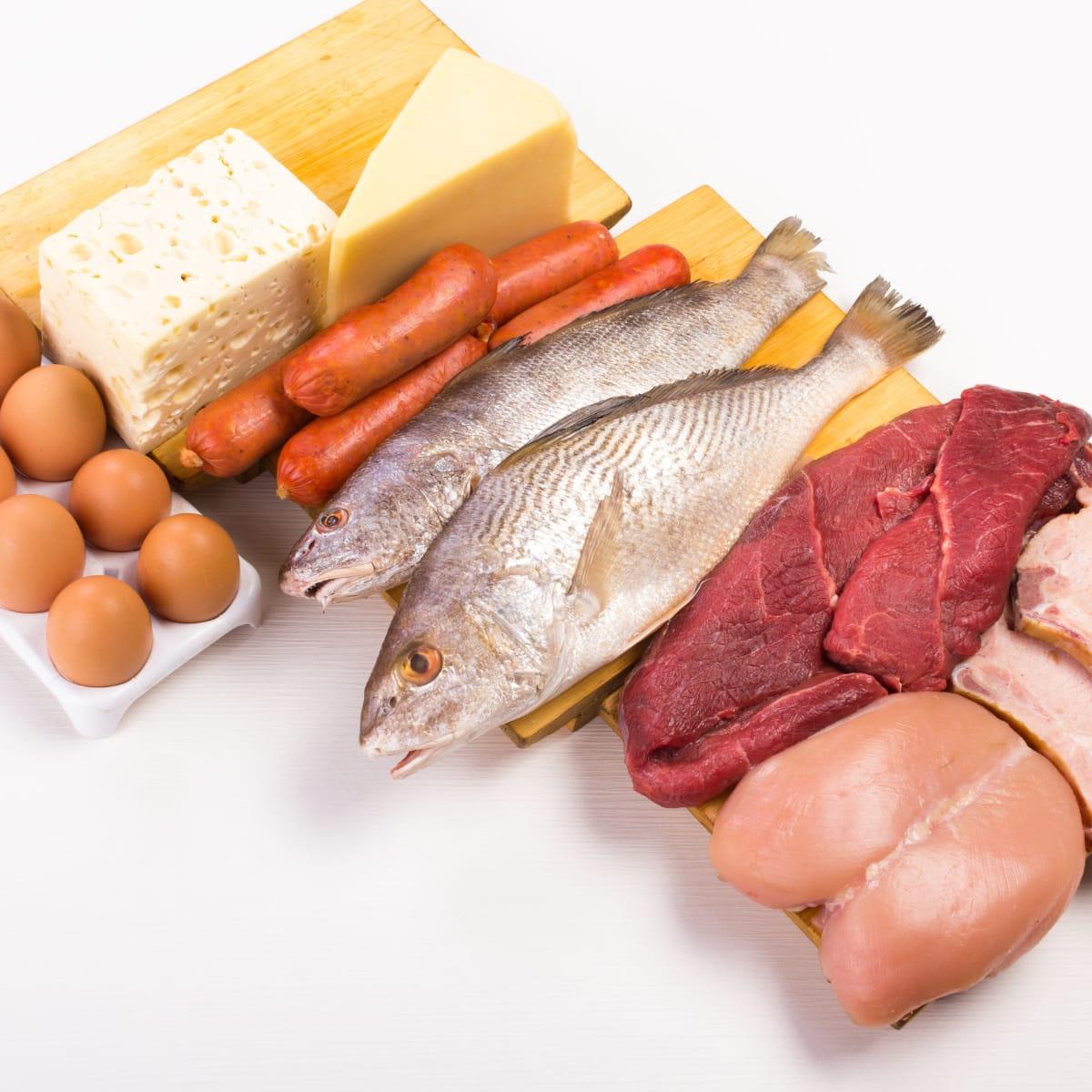
- Protein: chicken, fish, eggs, Greek yogurt, beans, turkey or lean beef
- Produce: vegetables and fruit for vitamins, minerals and fiber
- Healthy fat: olive oil, avocado, nuts or seeds
- Smart carb (optional): potatoes, sweet potatoes, quinoa, brown rice or beans
And a few things to keep to a minimum: added sugar, sugary drinks, and highly processed foods that come in a box or bag with a long ingredient list.
How Much Protein Do You Need After 60?
Protein is the nutrient I bring up most with clients, because it's the one most tied to staying strong. As we age, our muscles respond less to the protein we eat, and many older adults don't eat enough of it to begin with. The new Dietary Guidelines set a protein goal of 1.2–1.6 grams per kilogram of body weight a day, and encourage protein at every meal.1
The short version: aim for about 25–30 grams of protein at each meal, starting with breakfast. That's roughly a palm-sized portion of chicken or fish, or two eggs with a cup of Greek yogurt.
I've written a whole guide on this, including a chart by body weight: Protein for Older Adults: How Much and How to Get It. If your appetite is small, see How to Eat More Protein When You're Not Hungry.
How Much Water Should Seniors Drink?
So often, symptoms we might blame on something more serious, like fatigue, headaches, cramps, constipation or feeling foggy, can be linked to not drinking enough.
General guidelines suggest about 9 cups (72 ounces) of fluid a day for women and about 13 cups (104 ounces) for men, from all beverages.2 Food, especially fruit, vegetables and soup, adds more on top of that.
The catch is that thirst signals weaken with age. Research shows that when older adults are low on fluids, for example after exercising in the heat, they feel less thirsty and drink less than younger adults, so it takes longer to get back to normal.3 So don't wait until you're thirsty:
- Drink a glass of water when you wake up, and one with each meal.
- Keep a water bottle where you can see it.
- Drink a little extra around exercise and on hot days.
- Choose water (still or sparkling) or unsweetened drinks most of the time, as the Dietary Guidelines recommend.1
On long, sweaty days, a no-sugar electrolyte drink can help. Try my DIY citrus mint electrolyte water. If you have high blood pressure, heart failure or kidney disease, check with your doctor before using salty electrolyte products or changing how much you drink. Read more in How Much Water Should Seniors Drink?
How Much Sugar Is OK After 60?
Less than most of us eat. I still enjoy a treat now and then, but I've noticed I feel so much better when I keep sugar low, and I crave it less the longer I stick with it.
The 2025–2030 Dietary Guidelines are clear: no amount of added sugar is considered part of a healthy diet, and a single meal should contain no more than 10 grams of added sugar.1 That's about 2½ teaspoons. Added sugar hides in flavored yogurts, granola bars and bottled sauces, so it adds up fast.
Sugary drinks are the easiest place to start. In a review of studies with more than 300,000 people, those who drank the most sugar-sweetened beverages (usually 1–2 servings a day) had a 26% higher risk of type 2 diabetes than those who rarely drank them.4
A few swaps that help:
- Drink water, sparkling water or unsweetened tea instead of soda, sweet tea or juice.
- Read labels. Look at the "added sugars" line, and watch for ingredients like cane sugar, corn syrup, dextrose and fruit juice concentrate.
- Eat enough protein and healthy fat. Meals that keep you full make sweets less tempting.
- Give it two weeks. Cravings usually ease as your taste buds adjust.
For why sugar matters at the cellular level, see What Sugar Does to Your Body as You Age. For practical tips, see How to Cut Sugar Cravings: What Actually Works.

How Can You Keep Your Blood Sugar Steady?
How you eat can change the way your body handles sugar, not just what you eat. Big blood sugar spikes, and the crashes that follow, can leave you tired, hungry and craving more sweets. Over time, they make it harder for your body to manage blood sugar.
Three simple habits make a real difference:
- Eat your vegetables and protein first. In a small study of adults with type 2 diabetes, blood sugar and insulin after a meal were significantly lower when they ate the vegetables and protein before the carbohydrates, compared with eating the carbohydrates first.5
- Pair your carbs. Combine bread, rice, potatoes or fruit with protein, fiber or healthy fat, and choose a savory breakfast like eggs and vegetables over a sweet one.
- Move after meals. In a study of inactive adults 60 and older, three 15-minute walks after meals controlled blood sugar better after dinner than one 45-minute walk in the morning or afternoon.6 In another study of adults with type 2 diabetes, a 10-minute walk after each meal lowered blood sugar after meals more than a single 30-minute daily walk, especially after dinner.7
That walk doesn't have to be long. A stroll around the block, a few sit-to-stands or tidying the kitchen all count. And strength training helps too: muscle is one of the main places your body stores sugar, so the more muscle you have, the more places it has to go.
Read more in How to Avoid Blood Sugar Spikes: Simple Glucose Tips.
Which Minerals Do Older Adults Need Most?
Minerals help your muscles contract, your nerves communicate, your bones stay strong and your heart keep a steady rhythm. Here are the ones I pay the most attention to:
- Calcium builds and protects bones. Women over 50 and everyone over 70 need 1,200 mg a day; men 51–70 need 1,000 mg.8 Good sources: yogurt (about 415 mg in 8 ounces of plain low-fat yogurt), milk, cheese, canned sardines or salmon with the bones, tofu made with calcium, kale and broccoli.
- Magnesium supports muscles, nerves, blood sugar and blood pressure. Adults over 50 need 420 mg (men) or 320 mg (women) a day. Older adults tend to eat less of it, absorb less and lose more through the kidneys.9 Good sources: pumpkin seeds (156 mg per ounce), almonds, spinach, black beans, oats and whole grains.
- Potassium supports muscles, nerves and healthy blood pressure. The goal for adults over 50 is about 3,400 mg for men and 2,600 mg for women, and most Americans fall short.10 Good sources: lentils (731 mg per cup), potatoes, sweet potatoes, bananas, beans, yogurt, tomatoes and leafy greens.
- Zinc and iron support immunity, healing and energy. You'll find them in beef, poultry, seafood, eggs, beans, lentils and pumpkin seeds.
An important caution on potassium: if you have kidney disease or take certain blood pressure medications, like ACE inhibitors or potassium-sparing diuretics, your potassium can climb too high, even from food. Salt substitutes are often made with potassium, so check with your doctor before using them.10
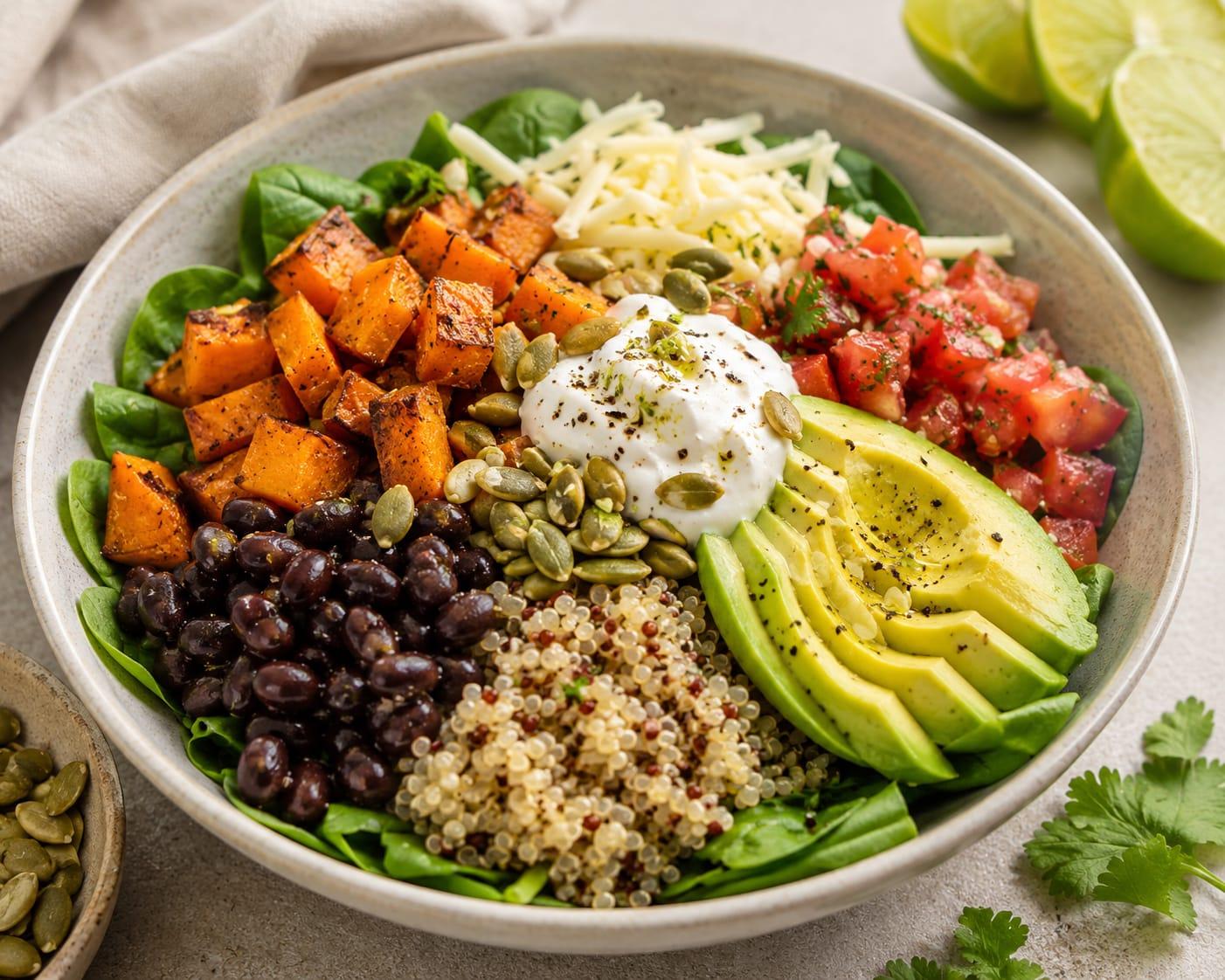
My rule of thumb is food first. Try adding one mineral-rich food a day, like pumpkin seeds on yogurt, a baked sweet potato, or beans in your soup. My mineral-rich sweet potato and black bean bowl checks several boxes at once. More ideas in Essential Minerals for Older Adults and Food Sources.
Do Older Adults Need Vitamin D and B12?
These are the two vitamins most likely to run low as we age, for different reasons.
Vitamin D
Vitamin D helps your body absorb calcium, and it matters for muscle strength and balance too. Older adults are at higher risk of low vitamin D, partly because the skin makes less of it as we age.11 Adults need 600 IU a day through age 70 and 800 IU after 70.
Very few foods are rich in it. Some of the best are salmon (about 570 IU in 3 ounces of cooked sockeye), trout, UV-exposed mushrooms, and fortified milk, which has about 120 IU per cup.11 Because it's hard to get enough from food alone, ask your doctor to check your level (the test is called 25(OH)D). If you supplement, the NIH upper limit for adults is 4,000 IU a day unless your doctor recommends more. Read more in Vitamin D and Muscle Strength in Older Adults.
Vitamin B12
B12 keeps your nerves and blood cells healthy, and low levels can cause fatigue, numbness, balance problems and memory changes. Adults need 2.4 mcg a day, but absorbing it gets harder with age. B12 in food is bound to protein, and your stomach acid has to release it. Atrophic gastritis, a condition that reduces stomach acid, affects about 8% to 9% of adults 65 and older.12
Certain medications can also lower B12, including metformin for diabetes and acid reducers like omeprazole for heartburn.12 That's why the NIH suggests that people over 50 get most of their B12 from fortified foods or supplements, which the body absorbs more easily.13 B12 has no upper limit because of its low risk of toxicity, but a real deficiency needs a diagnosis, so ask your doctor about a blood test.
What Are the Healthiest Fats After 60?
Remember when fat was the enemy? We now know that the type of fat matters more than the amount, and some fats are among the best things you can eat for your heart and brain.
- Fish, especially fatty fish. Salmon, trout, sardines and mackerel are rich in the omega-3 fats EPA and DHA. The American Heart Association recommends 1–2 seafood meals a week to lower the risk of heart disease, stroke and heart failure.14
- Extra-virgin olive oil and nuts. In a large Spanish trial of adults 55 to 80 at high risk of heart disease, those who followed a Mediterranean diet with extra olive oil or nuts had about 30% fewer heart attacks, strokes and heart-related deaths than those told to follow a low-fat diet.15
- Avocados, walnuts, chia and flaxseed. Walnuts, chia and flax also provide ALA, a plant omega-3.16
If you don't eat fish, a fish oil or algae oil supplement is an option. The FDA considers supplements providing up to 5 grams a day of EPA and DHA combined to be safe, but higher doses can affect bleeding, so talk with your doctor first if you take warfarin or another blood thinner.16
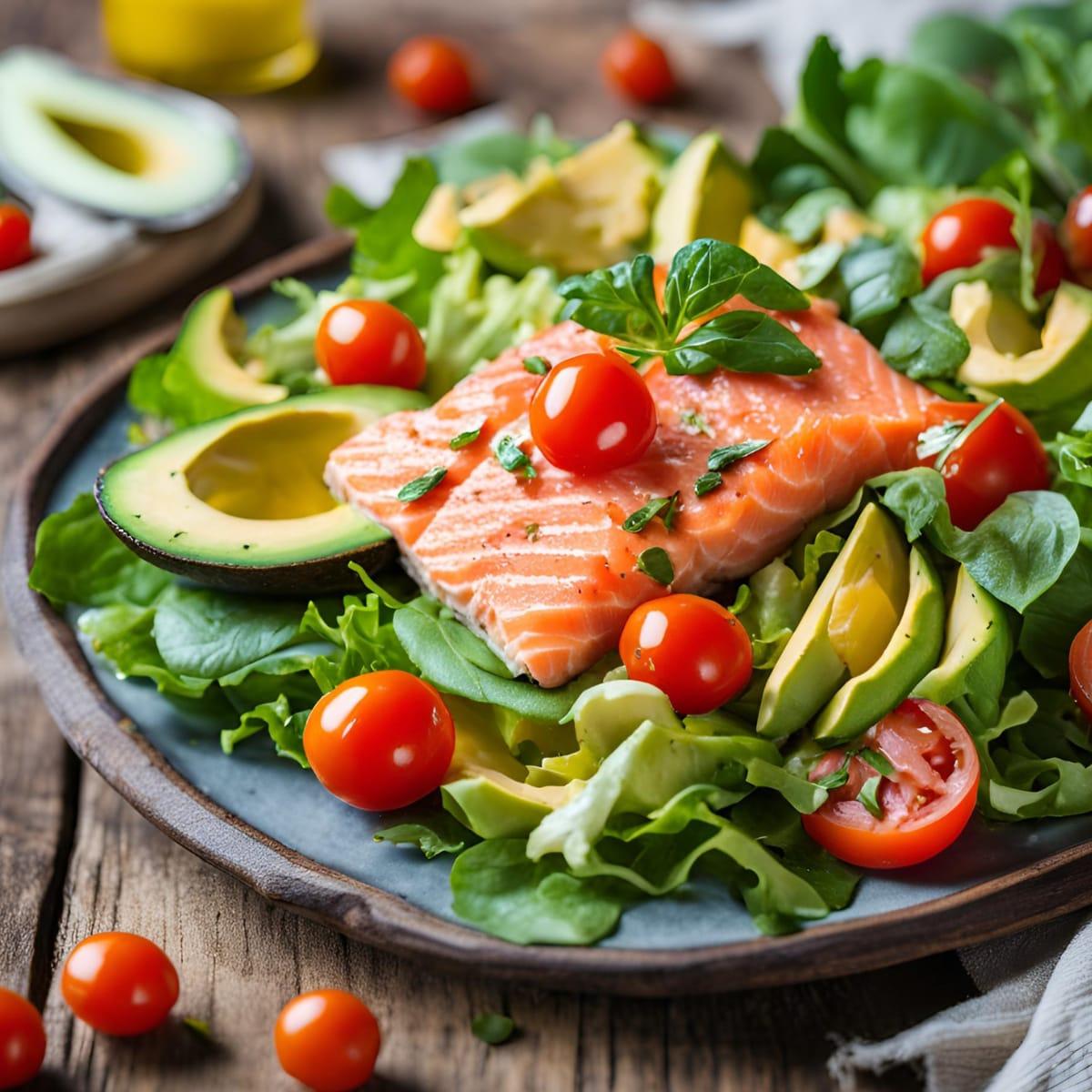
Try my avocado and salmon salad for an easy dose of both. Read more in Healthy Fats for Brain Health: What to Eat.
Why Does Fiber Matter More With Age?
Fiber keeps you regular, feeds the healthy bacteria in your gut, helps you feel full and slows the rise in blood sugar after meals. Adults over 50 need about 30 grams a day for men and 21 grams for women.17
A large review of 185 studies and 58 clinical trials found that people who ate the most fiber had a 15–30% lower risk of death from any cause and from heart disease, as well as less heart disease, stroke, type 2 diabetes and colon cancer, than those who ate the least. The biggest benefits came at about 25–29 grams a day.18
Easy ways to get more:
- Add beans or lentils to soups, salads and chili. A bowl of my cozy lentil soup is a great start.
- Choose whole fruit instead of juice.
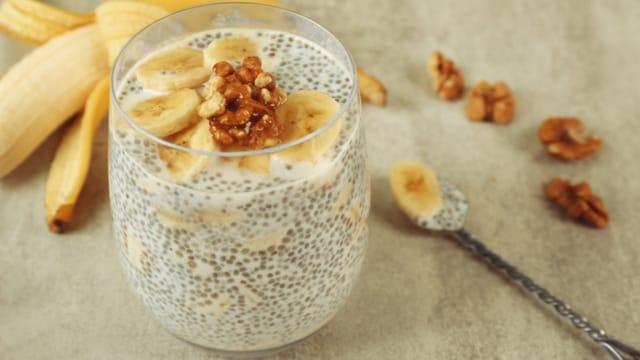
- Sprinkle chia or ground flaxseed on oatmeal or yogurt.
- Swap white bread and rice for whole grains.
Add fiber gradually, and drink more water as you do, so your body has time to adjust.
Which Supplements Are Safe After 60?
I'm asked about supplements all the time. My honest answer is that food should come first, but supplements can fill real gaps, especially as absorption changes with age. The Dietary Guidelines agree that when diet or absorption falls short, fortified foods or supplements may be needed, under medical supervision.1
If you take supplements, more isn't better. Here are the NIH upper limits for the ones I get asked about most:
| Supplement | Daily need after 60 | NIH upper limit for adults |
|---|---|---|
| Vitamin D | 600 IU (800 IU after 70) | 4,000 IU a day11 |
| Calcium | 1,000–1,200 mg | 2,000 mg a day from food and supplements combined8 |
| Magnesium | 320–420 mg | 350 mg a day from supplements (food doesn't count)9 |
| Vitamin B12 | 2.4 mcg | No upper limit set12 |
| Fish oil (EPA + DHA) | No set amount | Up to 5 g a day considered safe by the FDA16 |
A few safety notes:
- Calcium: your body absorbs it best in doses of 500 mg or less at a time, and high supplement intakes may raise the risk of kidney stones. Count the calcium in your food before adding a pill.8
- Magnesium: too much from supplements can cause diarrhea, nausea and cramping.9
- Potassium: don't take potassium supplements unless your doctor prescribes them.
- Medications: vitamin K can interfere with warfarin, and fish oil can affect bleeding. Bring your supplement bottles to your next checkup so your doctor or pharmacist can check for interactions.
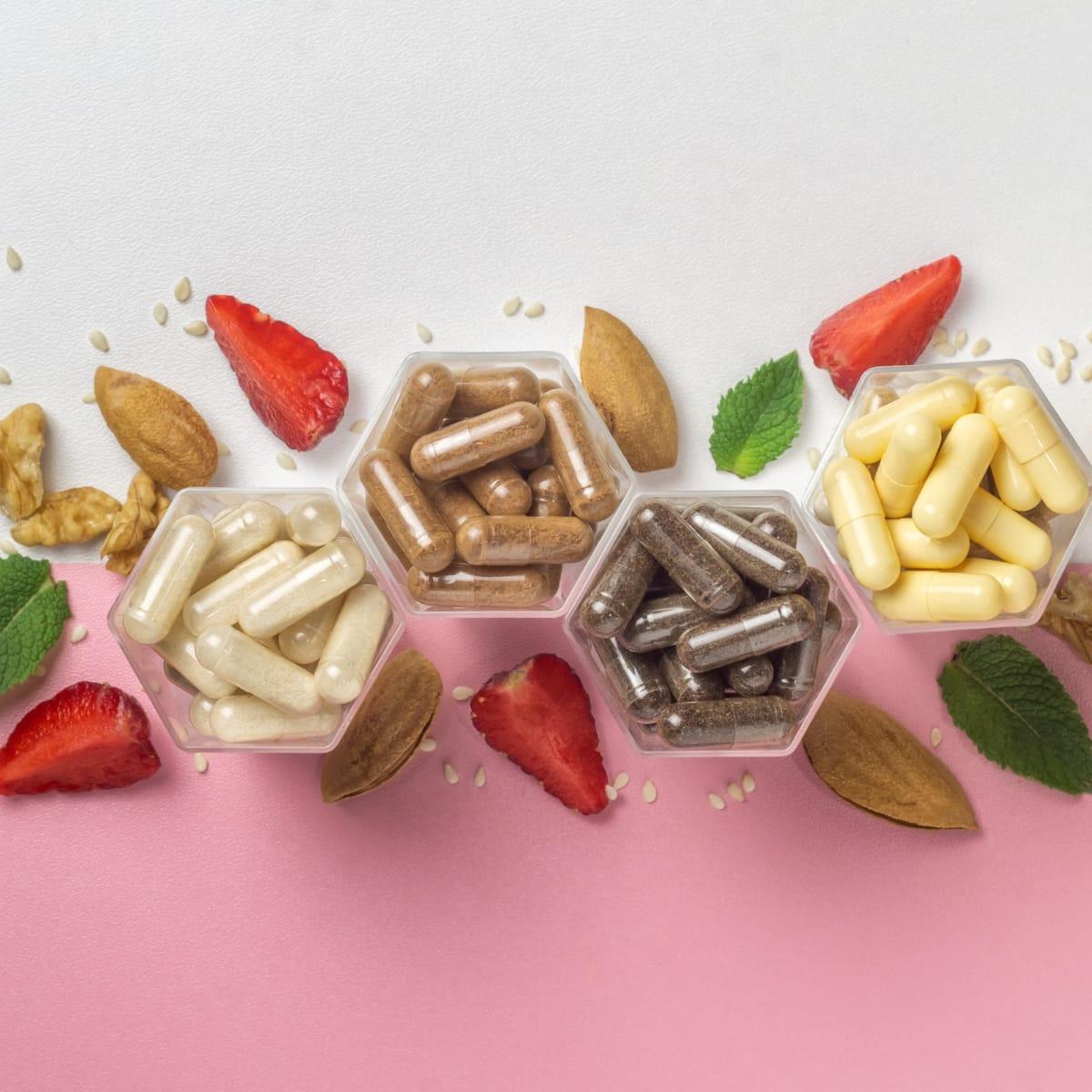
I share what I personally take, including vitamin D with K2, omega-3s, magnesium, B12 and creatine, in Best Supplements for Adults Over 60.
How to Build a Healthy Plate After 60
Healthy meals don't need to be fancy. They just need to be simple, repeatable and balanced. Use the formula from above at every meal: protein + produce + healthy fat + an optional smart carb.
Here's what a simple day might look like:
- Breakfast: 2 eggs scrambled with spinach, a slice of whole-grain toast, and a glass of water
- Lunch: a big salad with chicken or chickpeas, olive oil dressing and pumpkin seeds
- Snack: plain Greek yogurt with berries and walnuts
- Dinner: baked salmon, roasted broccoli and a small sweet potato, followed by a 10-minute walk
Two strategies make this easier:
- Batch once, use often. Cook extra chicken, beans or grains early in the week so later meals take half the time.
- Repeat and rotate. You don't need seven different dinners. Repeating meals you like saves money, time and decision fatigue.
For a full week of dinners built on this formula, see Easy Healthy Dinners: A Simple 7-Day Plan.
Nutrition and Exercise Work Together
Good food gives your body the building blocks, and exercise gives it a reason to use them. Protein builds more muscle when you strength train. A walk after dinner does more for your blood sugar than the walk you skip. And strong muscles help your body handle sugar better all day long.
A good way to track whether it's all working is strength, not the scale. Try our grip strength test and recheck it every few months.
If you'd like help putting it all together, our in-home personal training and online personal training include practical nutrition guidance alongside your workouts, so you're not figuring it out on your own.
Start With One Change
You don't have to overhaul everything. Pick one thing from this guide, like a glass of water with every meal, a walk after dinner, or beans in your soup, and do it this week. Then add another.
Small steps, done regularly, lead to lasting results. Your body will thank you!
This guide is for general education and isn't medical advice. Please talk with your doctor before starting a new exercise, nutrition or supplement routine.
Read more from Kristen

Nutrition · Brain
How Much Water Should Seniors Drink? Hydration Tips
Why hydration matters more as we age, how much fluid women and men need each day, and when a no-sugar electrolyte drink beats plain water.
March 15, 2025 · 3 min read

Nutrition
What Sugar Does to Your Body as You Age
What excess sugar may do inside your cells, from inflammation and oxidative stress to telomeres and AGEs, and why learning this changed how I eat.
October 19, 2024 · 4 min read

Nutrition
How to Cut Sugar Cravings: What Actually Works
Why cutting back on sugar is so hard, eight practical ways to reduce cravings after 60, and what to expect in the first few weeks as your body adjusts.
October 26, 2024 · 6 min read

Nutrition · Body
How to Avoid Blood Sugar Spikes: Simple Glucose Tips
How you eat, not just what you eat, shapes blood sugar. Simple glucose hacks like veggies first and a walk after meals can steady energy and cut cravings.
September 13, 2025 · 3 min read
Nutrition
Essential Minerals for Older Adults and Food Sources
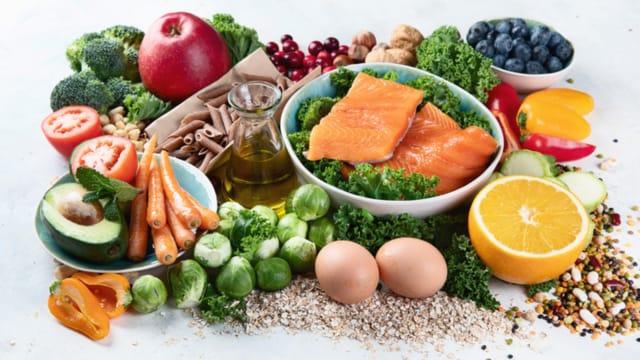
Calcium, magnesium, potassium, zinc and iron help muscles, nerves and bones work as we age. Here's where to find them in everyday foods, food first.
May 30, 2026 · 2 min read

Nutrition · Body
Vitamin D and Muscle Strength in Older Adults
Vitamin D is linked to muscle strength, physical performance, immunity and mood as we age. What the research shows, safe dosing and the best food sources.
May 17, 2025 · 3 min read
Nutrition · Brain
Healthy Fats for Brain Health: What to Eat
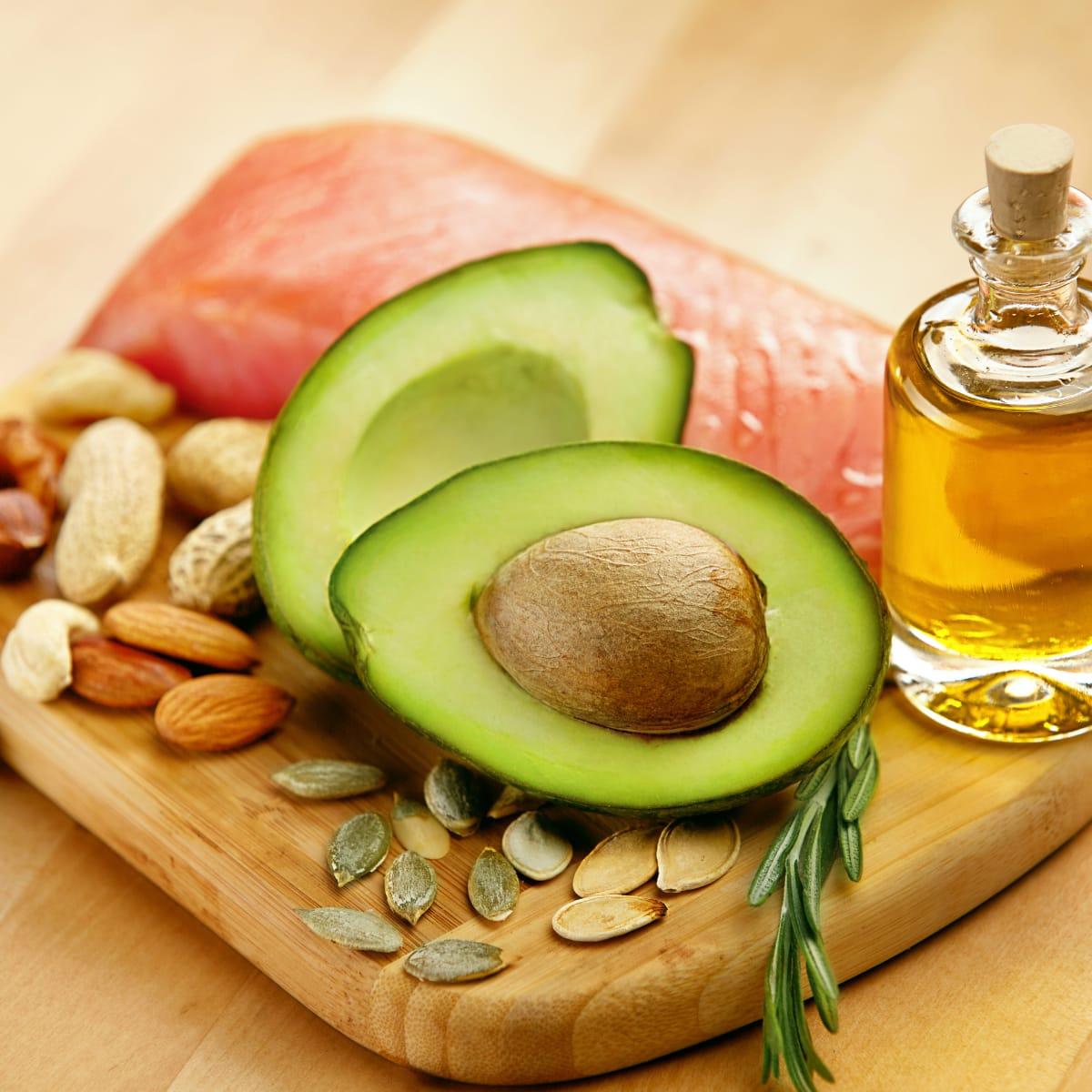
Your brain is built largely from fat, so the type you eat matters. Why omega-3s and other good fats support the brain, and easy ways to add more.
January 25, 2025 · 4 min read
Nutrition
Best Supplements for Adults Over 60: What You Need
The supplements I take and recommend after 60 — vitamin D and K2, omega-3s, magnesium, B12, probiotics, collagen and creatine — with safe dosage notes.
March 22, 2025 · 6 min read

Nutrition
Easy Healthy Dinners: A Simple 7-Day Plan
A simple formula for balanced dinners (protein, produce, healthy fat, smart carb) and a 7-day dinner plan you can reuse week after week.
February 14, 2026 · 3 min read
Nutrition
How to Eat More Protein When You're Not Hungry
Low appetite, cost, chewing trouble, no time to cook or boredom can make protein hard to get after 60. Practical fixes for each, plus easy protein snacks.
May 9, 2026 · 3 min read
Recipes to try
Lunch
Mineral-Rich Sweet Potato & Black Bean Bowl
Roasted sweet potato, black beans, quinoa, spinach, avocado, pumpkin seeds and Greek yogurt, packed with potassium, magnesium, calcium, iron and zinc.
1 bowl
Lunch
Avocado and Salmon Salad
Mixed greens topped with salmon, avocado and tomatoes, dressed with olive oil and lemon — a quick salad rich in omega-3s and healthy fats.
1 serving
Dinner
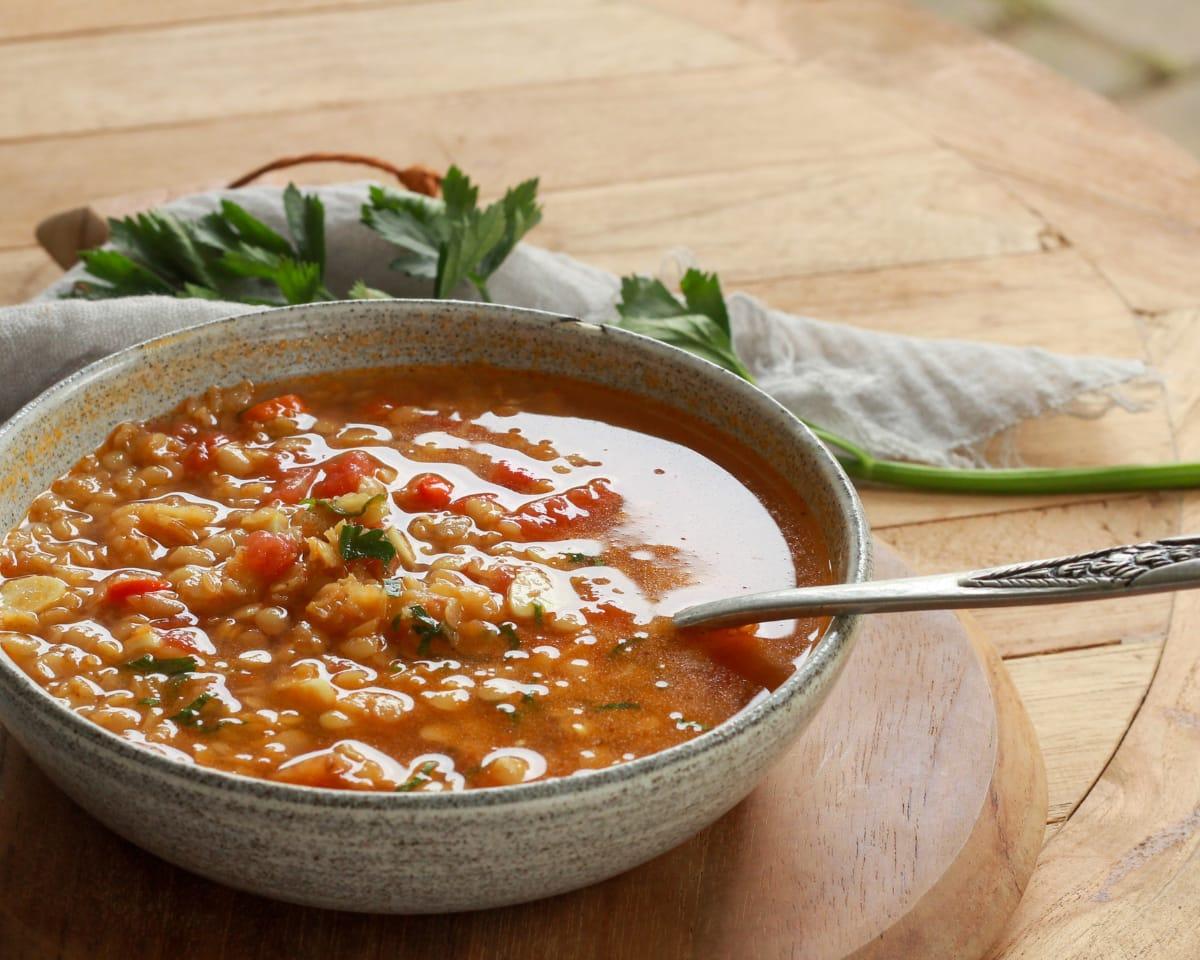
Cozy Lentil Soup
A cozy lentil soup with carrots, celery, tomatoes, cumin and smoked paprika, finished with lemon juice for a warm, healthy dinner.
6 servings

Drink
DIY Citrus Mint Electrolyte Water
Homemade electrolyte water with lemon, coconut water, fresh mint and a pinch of sea salt — a refreshing, no-added-sugar way to stay hydrated.
About 4½ cups
Frequently asked questions
What is the healthiest diet for someone over 60?
There isn't one perfect diet, but the healthiest patterns share the same building blocks: protein at every meal, plenty of vegetables and fruit, beans and whole grains for fiber, healthy fats like olive oil, nuts and fish, and very little added sugar or highly processed food.
A simple way to put that on your plate is protein, produce, a healthy fat and, if you like, a smart carb like potatoes, quinoa or beans.
What vitamins are older adults most likely to be low in?
Vitamin D and vitamin B12 are the two most talked about. Your skin makes less vitamin D as you age, and many older adults absorb B12 from food less well. Many adults also fall short on magnesium and potassium.
Ask your doctor whether it makes sense to check your vitamin D and B12 levels, especially if you take metformin or an acid-reducing medication for heartburn.
How much water should a 70-year-old drink a day?
General guidelines suggest about 9 cups of fluid a day for women and about 13 cups for men, from all beverages. Food adds more on top of that.
Because thirst signals weaken with age, it helps to drink on a routine, like a glass with each meal and one between meals. If you have heart failure or kidney disease, ask your doctor how much is right for you.
Should seniors take a multivitamin or other supplements?
Food should come first, but supplements can fill real gaps, most often vitamin D, B12 and sometimes calcium or magnesium. The 2025–2030 Dietary Guidelines say fortified foods or supplements may be needed under medical supervision when diet or absorption falls short.
Stay under the NIH upper limits, bring your supplement bottles to your next checkup, and ask about interactions with any medications you take.
How can I lower my blood sugar after meals without medication?
Eat your vegetables and protein before the bread, rice or potatoes, pair carbs with protein, fiber or healthy fat, and choose water or unsweetened drinks instead of soda or juice.
Then move. Even a 10- to 15-minute walk after eating helps your muscles pull sugar out of your blood. If you have diabetes, keep working with your doctor on your overall plan.
Sources
- US Department of Agriculture, US Department of Health and Human Services. Dietary Guidelines for Americans, 2025–2030. January 2026. View source
- Institute of Medicine. Dietary Reference Intakes for Water, Potassium, Sodium, Chloride, and Sulfate. National Academies Press; 2005. View source
- Kenney WL, Chiu P. Influence of age on thirst and fluid intake. Med Sci Sports Exerc. 2001;33(9):1524-1532. View source
- Malik VS, Popkin BM, Bray GA, Després JP, Willett WC, Hu FB. Sugar-sweetened beverages and risk of metabolic syndrome and type 2 diabetes: a meta-analysis. Diabetes Care. 2010;33(11):2477-2483. View source
- Shukla AP, Iliescu RG, Thomas CE, Aronne LJ. Food order has a significant impact on postprandial glucose and insulin levels. Diabetes Care. 2015;38(7):e98-e99. View source
- DiPietro L, Gribok A, Stevens MS, Hamm LF, Rumpler W. Three 15-min bouts of moderate postmeal walking significantly improves 24-h glycemic control in older people at risk for impaired glucose tolerance. Diabetes Care. 2013;36(10):3262-3268. View source
- Reynolds AN, Mann JI, Williams S, Venn BJ. Advice to walk after meals is more effective for lowering postprandial glycaemia in type 2 diabetes mellitus than advice that does not specify timing: a randomised crossover study. Diabetologia. 2016;59(12):2572-2578. View source
- National Institutes of Health Office of Dietary Supplements. Calcium: fact sheet for health professionals. View source
- National Institutes of Health Office of Dietary Supplements. Magnesium: fact sheet for health professionals. View source
- National Institutes of Health Office of Dietary Supplements. Potassium: fact sheet for health professionals. View source
- National Institutes of Health Office of Dietary Supplements. Vitamin D: fact sheet for health professionals. View source
- National Institutes of Health Office of Dietary Supplements. Vitamin B12: fact sheet for health professionals. View source
- National Institutes of Health Office of Dietary Supplements. Vitamin B12: fact sheet for consumers. View source
- Rimm EB, Appel LJ, Chiuve SE, et al. Seafood long-chain n-3 polyunsaturated fatty acids and cardiovascular disease: a science advisory from the American Heart Association. Circulation. 2018;138(1):e35-e47. View source
- Estruch R, Ros E, Salas-Salvadó J, et al. Primary prevention of cardiovascular disease with a Mediterranean diet supplemented with extra-virgin olive oil or nuts. N Engl J Med. 2018;378(25):e34. View source
- National Institutes of Health Office of Dietary Supplements. Omega-3 fatty acids: fact sheet for health professionals. View source
- Institute of Medicine. Dietary Reference Intakes for Energy, Carbohydrate, Fiber, Fat, Fatty Acids, Cholesterol, Protein, and Amino Acids. National Academies Press; 2005. View source
- Reynolds A, Mann J, Cummings J, Winter N, Mete E, Te Morenga L. Carbohydrate quality and human health: a series of systematic reviews and meta-analyses. Lancet. 2019;393(10170):434-445. View source
This guide is for general education and isn't medical advice. Please talk with your doctor before starting a new exercise, nutrition or supplement routine. See our health disclaimer.

About the author
Kristen Nielsen
Kristen founded TogetherWON after watching what strength training could do for older adults — including her own grandparents. She's an ACE Certified Personal Trainer with 10+ years in functional aging, a University of Central Florida graduate, and a former Division I swimmer and track & field athlete.
Senior Fitness Specialist · Functional Aging Specialist · Parkinson's Disease Specialist · Brain Health Trainer · Corrective Exercise Specialist
want these in your inbox?
Get my Saturday letters
One idea for your body, brain or balance each week, usually with a recipe. Unsubscribe any time.