Protein for Older Adults: How Much and How to Get It
By Kristen Nielsen, Founder & Senior Fitness Specialist · Updated · 10 minute read
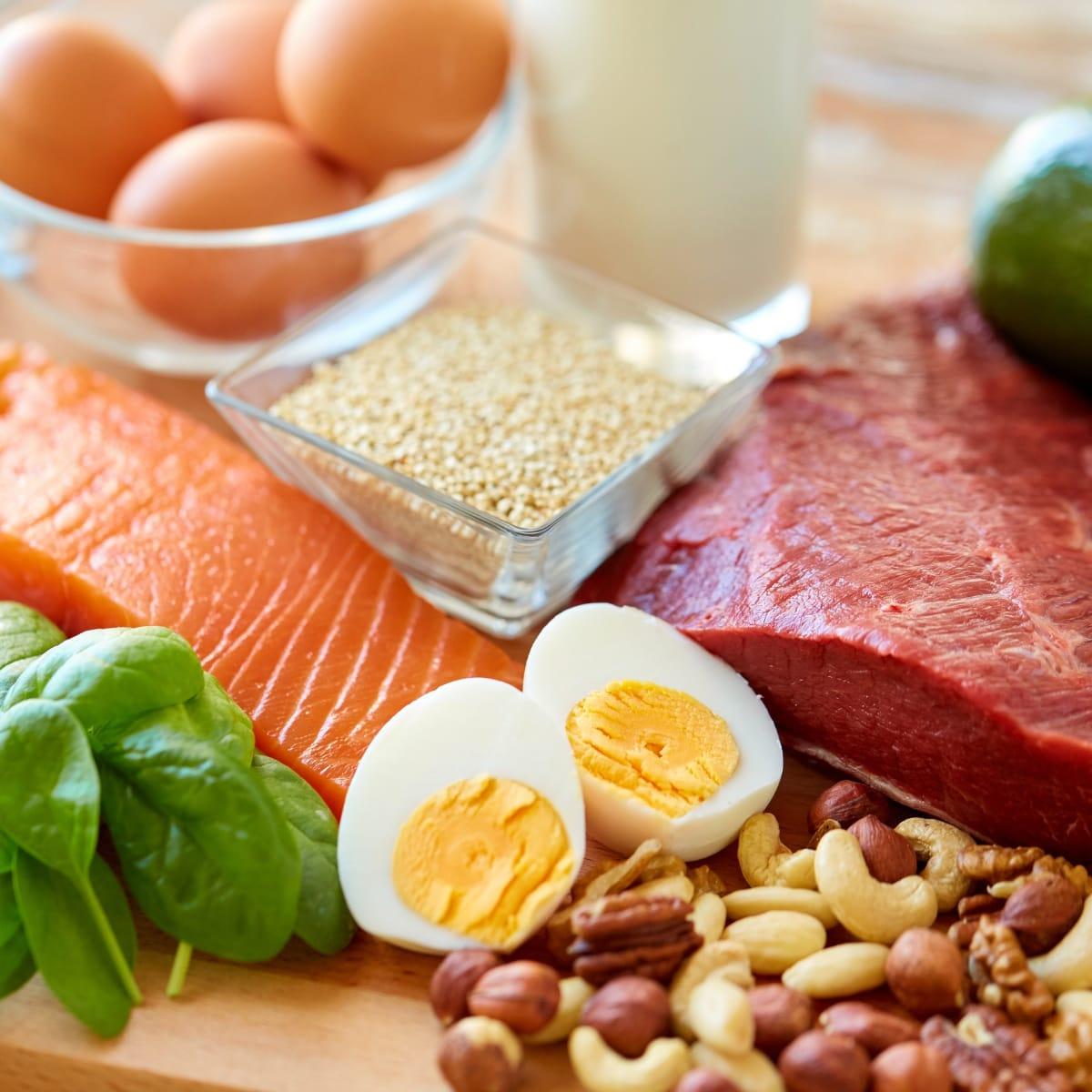
Most adults over 60 need at least 1.0–1.2 grams of protein per kilogram of body weight a day, and about 1.2 grams or more if you strength train or are recovering from illness. For a 150-pound person, that's roughly 70–80 grams a day at minimum, ideally 80 grams or more, spread across meals.
Key takeaways
- The old advice of 0.8 g per kg a day is a minimum. Expert groups recommend at least 1.0–1.2 g per kg for healthy older adults, and more if you're active or ill.
- For a 150-pound (68 kg) person, that's about 68–82 grams a day, and up to about 110 grams if you strength train regularly.
- Aim for 25–30 grams at each meal instead of saving most of your protein for dinner. A palm-sized portion of chicken or fish is about 20–25 grams.
- Protein works best with strength training. Together they help you keep the muscle you need to get out of a chair, climb stairs and stay steady.
A topic that comes up regularly with clients is protein. If you're over 60, protein isn't just about muscles. It's about staying strong, steady and independent. It helps you get up from a chair, carry groceries, recover from workouts, and keep your metabolism humming.
But here's the thing: many older adults aren't getting enough. A large U.S. nutrition survey found that many older adults fall short of even the basic protein recommendation, and those with low intakes were more likely to have functional limitations, like trouble with daily physical tasks.1
Part of the reason is that as we age, we tend to eat less. That often means eating about the same amount of carbs but less protein. We actually need to do the opposite! This guide explains why protein matters more after 60, how much you really need, and practical ways to get it.
Why Protein Matters More After 60
As we get older, our bodies become less efficient at using the protein we eat to rebuild and maintain muscle. It's a natural process called "anabolic resistance."2
That means the same chicken breast that built muscle easily at age 30 doesn't go as far at 70. Without enough high-quality protein, and regular movement, we gradually lose muscle mass and strength, which can make daily tasks harder and balance less steady.
Here's what protein does for you:
- Prevents muscle loss (sarcopenia). Muscle mass naturally declines with age, leading to weakness and mobility issues.3 Protein helps maintain and rebuild muscle, especially when combined with regular exercise.
- Supports bone health. Protein works alongside calcium and vitamin D to maintain strong bones and reduce the risk of fractures.4
- Boosts immune function. Amino acids from protein help build and repair immune cells.
- Improves wound healing. Whether it's recovering from surgery or a minor injury, protein supports tissue repair.
- Helps prevent malnutrition. Protein-rich foods provide essential nutrients and can prevent unintentional weight loss, a common issue for older adults.
How Much Protein Do Seniors Need?
For years, the common advice was 0.8 grams of protein per kilogram of body weight per day, the official Recommended Dietary Allowance for adults.5 That works out to about 55 grams for a 150-pound person. But that number was set to prevent deficiency in adults generally. It wasn't designed around the extra needs of aging muscle.
Two expert groups that looked specifically at older adults, the PROT-AGE Study Group and the European Society for Clinical Nutrition and Metabolism (ESPEN), recommend more:6,7
- Healthy older adults: at least 1.0–1.2 g per kg a day.
- Older adults who exercise, especially with strength training: 1.2 g per kg or more.
- Older adults with an acute or chronic illness: 1.2–1.5 g per kg, and more with severe illness or injury, under medical guidance.
- Severe kidney disease is the main exception. If your kidney function is significantly reduced, your doctor may recommend less.
What about the upper end? In a large review of strength training studies, extra protein helped build muscle and strength, but the benefit leveled off at around 1.6 g per kg a day.8 Researchers like Dr. Rhonda Patrick, on Dr. Peter Attia's podcast The Drive, have made the case that many older adults may benefit from aiming toward this higher range.9
My recommendation
You may have seen me give two different numbers over the years: 1.0–1.2 g per kg in one post, and 1.2–1.6 g per kg in another. Here's how they fit together:
- Everyone over 60: make 1.0–1.2 g per kg your daily minimum.
- If you strength train, are rebuilding after an illness or surgery, or are losing weight: aim for about 1.2–1.6 g per kg. Going beyond about 1.6 isn't likely to add much.
| Body weight | Minimum (1.0–1.2 g/kg) | Active target (1.2–1.6 g/kg) |
|---|---|---|
| 120 lb (54 kg) | 54–65 g | 65–87 g |
| 150 lb (68 kg) | 68–82 g | 82–109 g |
| 180 lb (82 kg) | 82–98 g | 98–131 g |
| 210 lb (95 kg) | 95–114 g | 114–153 g |
To find your own number, divide your weight in pounds by 2.2 to get kilograms, then multiply. If you have kidney disease or another medical condition, check with your doctor before increasing your protein.
Spread It Across Your Meals
How you spread protein through the day matters too. Many of us eat a light breakfast, a moderate lunch and most of our protein at dinner. But your muscles need a steady supply of amino acids throughout the day.
PROT-AGE suggests about 25–30 grams of protein per meal for older adults.6 In one study, people who spread their protein evenly across breakfast, lunch and dinner built muscle protein more effectively over 24 hours than when the same total was loaded into dinner.10
That makes a big daily number feel manageable:
- Breakfast: Greek yogurt and eggs (about 25 g)
- Lunch: chicken, tuna or tofu (about 30 g)
- Dinner: salmon or lean beef (about 35 g)
- Optional: a snack or shake (10–20 g)
Consistency is key. Your muscles respond best to a regular supply.
Breakfast is where most people fall short
Toast and coffee, or a bowl of cereal, might only give you a few grams of protein. A few easy ways to build a better breakfast:
- Add eggs, or make a batch of egg muffins or an egg bake on Sunday to reheat all week.
- Swap regular yogurt for Greek yogurt, and top it with nuts or seeds.
- Spread cottage cheese on toast instead of butter.
- Stir a scoop of protein powder into oatmeal or a smoothie.
Plant proteins count too
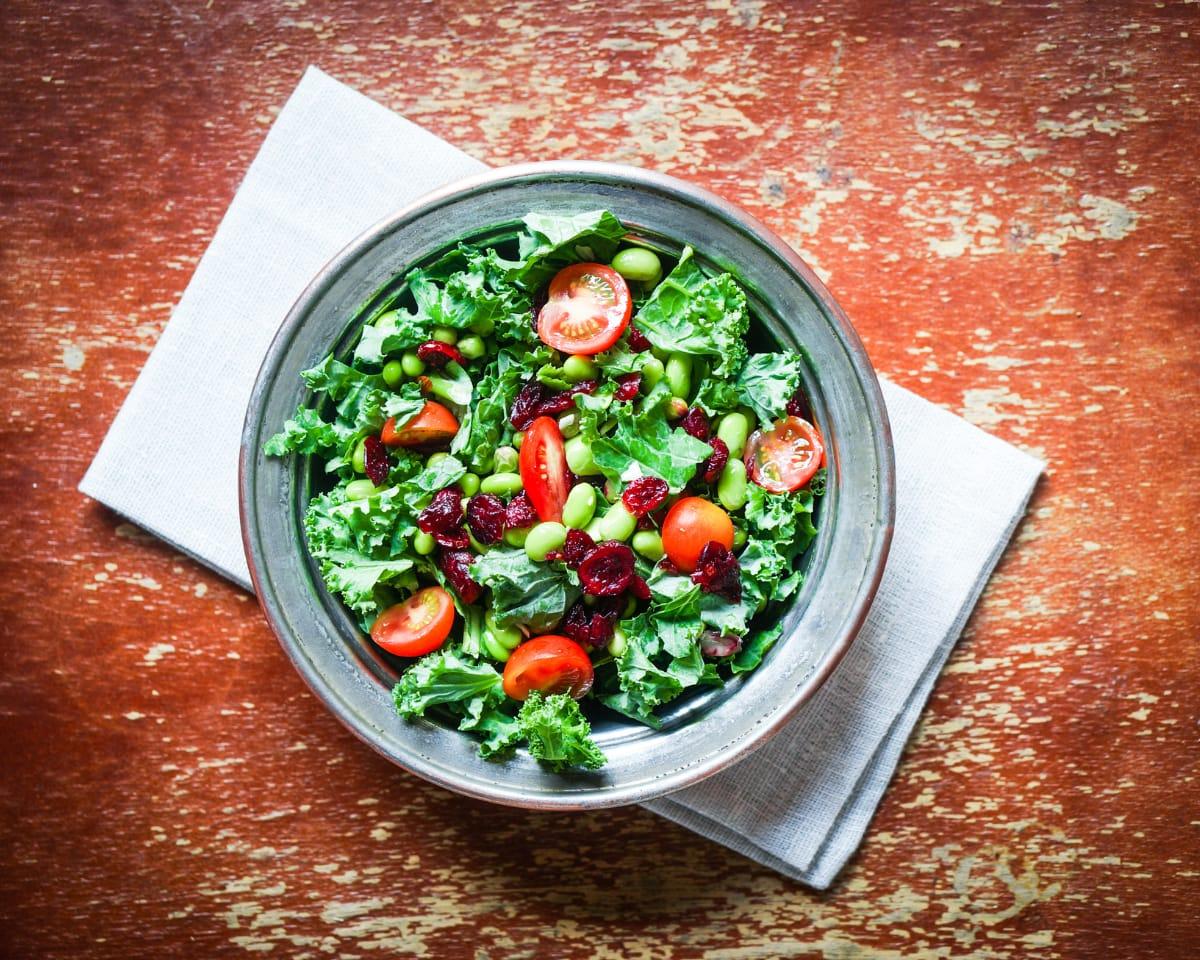
You don't have to eat meat at every meal. Beans, lentils, tofu, edamame, nuts and seeds all add protein, along with fiber and minerals. They're also budget-friendly. Mixing plant and animal proteins works well, like adding beans to a chili with ground beef, pairing cheese with lentil soup, or tossing edamame into a salad.
What about protein powder?
Protein powder isn't required, but it's a useful tool if your appetite is low, chewing is hard, or you're short on time. Look for one with few added ingredients and little or no added sugar, and add it to foods you already eat.
How to Measure Protein Without Counting Every Gram
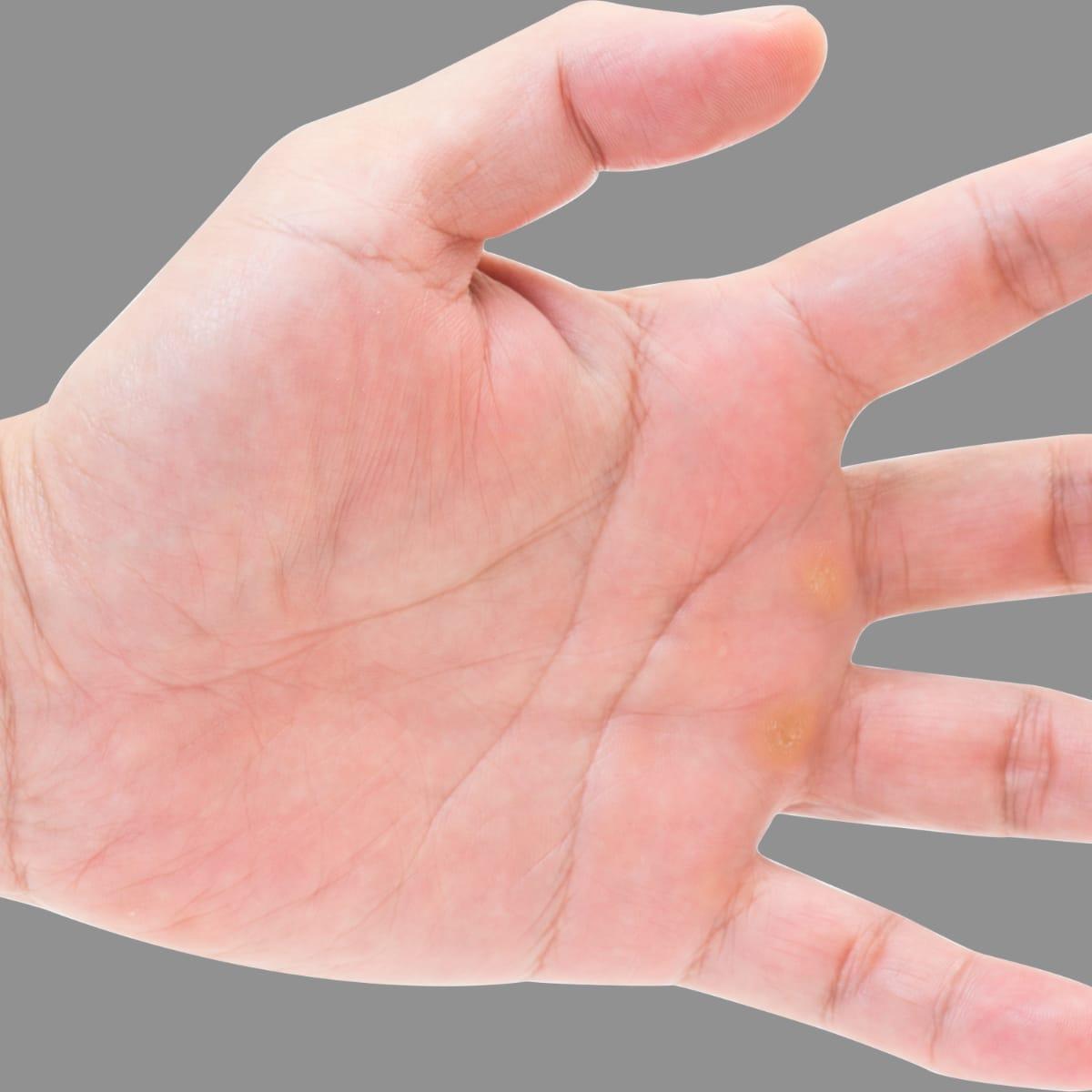
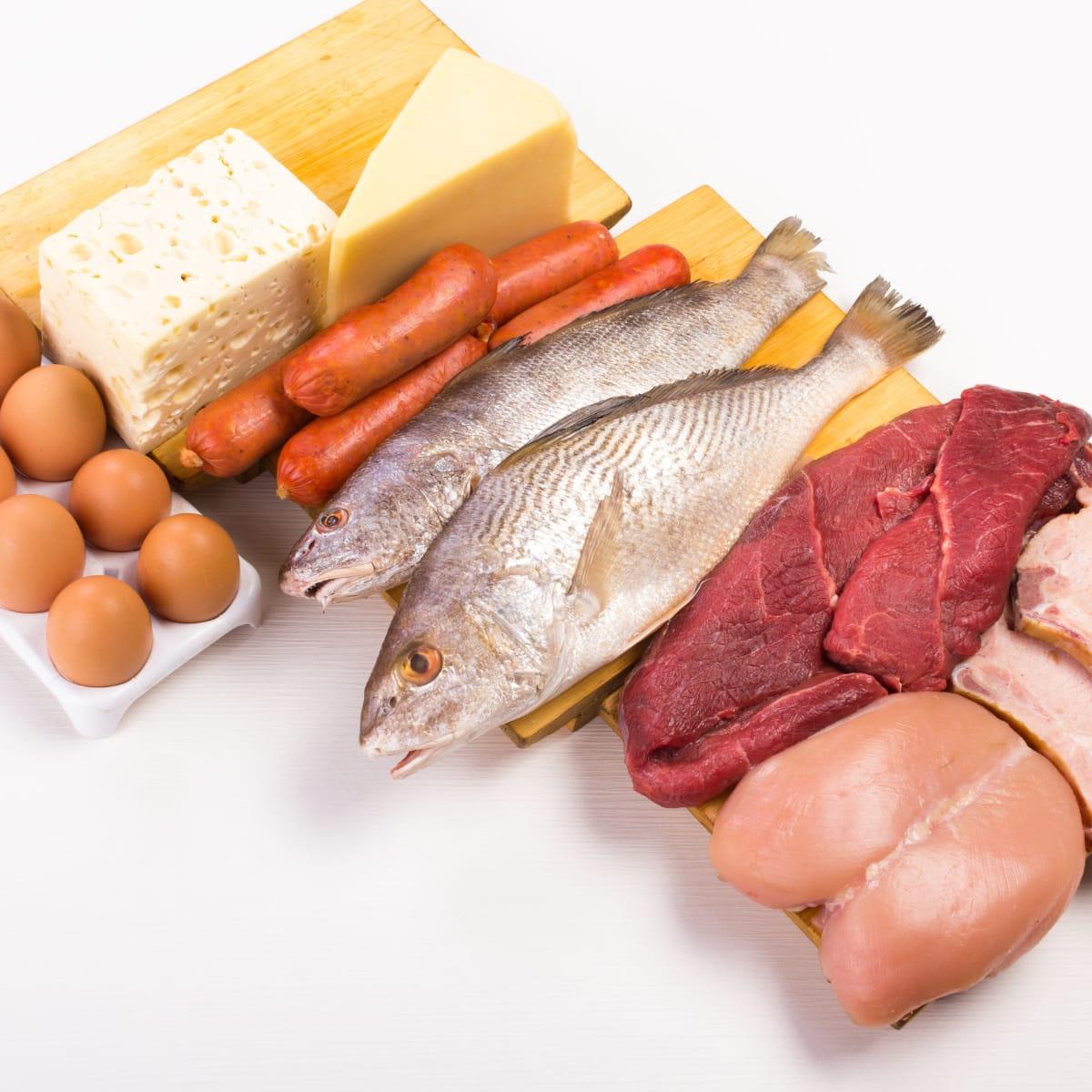
Use your palm as a guide for portion sizes. A serving of chicken breast or fish that is roughly the size and thickness of your palm provides approximately 20–25 grams of protein.
Here's a simple day that clears a 75–80 gram goal:
Breakfast (about 26 g)
- 2 scrambled eggs (12 g)
- 1 slice whole-grain toast with 1 tablespoon peanut butter (6 g)
- 1 cup milk (8 g)
Lunch (about 30 g)
- Grilled chicken salad with 3 oz chicken breast (26 g)
- 1 slice whole-grain bread (4 g)
Snack (about 15 g)
- 1 Greek yogurt, 6 oz (15 g)
Dinner (about 27 g)
- 3 oz salmon (22 g)
- ½ cup quinoa (4 g)
- Steamed broccoli and carrots (1 g)
Daily total: about 98 grams, which gives you a healthy buffer. For more dinner ideas built on a protein-first formula, see Easy Healthy Dinners: A Simple 7-Day Plan.
Protein Works Best With Strength Training
Protein gives your muscles the building blocks. Strength training gives them a reason to use them. Both expert groups recommend pairing adequate protein with regular exercise, especially resistance training, for as long as possible.7 And the extra muscle gains from protein in the studies above came from people who were also lifting.8
So start by adding just a bit more protein at each meal, maybe an extra egg, a scoop of protein powder in your smoothie, or a few more ounces of chicken or beans at lunch. Combine that with two or more days of strength training a week, and you'll give your body what it needs to stay strong, stable and vibrant.
How do you know it's working? Strength is a better measure than the scale. Grip strength is a simple one: in a long-term study, weaker grip strength in midlife predicted disability later in life.11 Try our grip strength test and recheck it every few months.
If you'd like help putting protein and strength training together, our in-home personal training and online personal training include practical nutrition guidance alongside your workouts.
Protein, Weight Loss and GLP-1 Medications
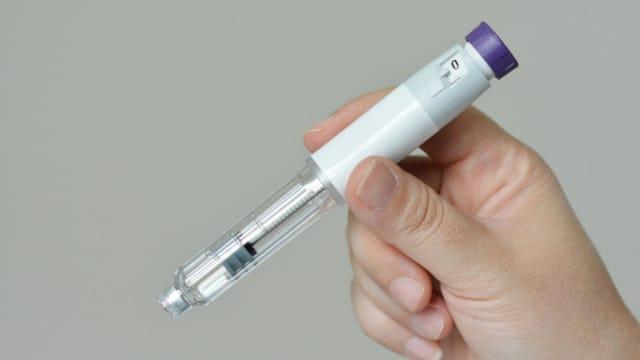
When we lose a significant amount of weight, we usually don't lose only fat. Some lean mass tends to go with it. That's especially important if you're taking a GLP-1 medication like Ozempic, Wegovy, Mounjaro or Zepbound, which reduce appetite and can make it harder to eat enough protein.
In a study of tirzepatide, about 75% of the weight lost was fat and about 25% was lean mass.12 A 2025 advisory on nutrition for people taking GLP-1s emphasizes adequate protein and resistance training to protect lean tissue and function, making the point that protein by itself probably isn't enough.13
Lose the weight if you need to. But protect your strength along the way.
Read more in GLP-1s and Muscle Loss: What Strength Training Can Do.
When Protein Is Hard to Get
Sometimes it's difficult to get enough protein. Here are the most common barriers I hear, with practical fixes (more in How to Eat More Protein When You're Not Hungry):
- "I don't feel like eating." Try smaller, nutrient-dense meals and snacks, like Greek yogurt, hard-boiled eggs or peanut butter. Add protein powder to smoothies or oatmeal, or drink milk or a protein shake if solid food feels unappealing.
- "Protein is expensive." Eggs, canned tuna, dried beans, lentils and tofu are budget-friendly. Buy meat in bulk and freeze portions, and stretch smaller amounts of meat with beans, like in a chili.
- "It hurts to eat meat." Choose softer foods: scrambled eggs, mashed beans, soft tofu, cottage cheese, smooth nut butters, or soups with blended lentils or shredded chicken.
- "It takes so long to cook." Keep pre-cooked chicken strips, canned tuna or protein bars on hand, batch-cook and freeze meals, and let a slow cooker do the work.
- "I get bored with the same foods." Rotate fish, poultry, eggs and plant proteins, and use herbs, spices and marinades.
Easy protein snacks: Greek yogurt with honey and nuts (15–20 g), a hard-boiled egg with whole-grain toast (10–12 g), cottage cheese with fruit (15 g), or a protein smoothie (20–50 g).
Other Nutrients That Help Your Muscles
Protein gets most of the attention, but a few other nutrients support strength too:
- Vitamin D. Older adults with adequate vitamin D levels tend to have better lower-body strength and physical performance.14 Ask your doctor to check your level. If you supplement, talk with your doctor about the right dose; the NIH upper limit for adults is 4,000 IU a day.15 See Vitamin D and Muscle Strength in Older Adults.
- Creatine. Combined with strength training, creatine supplementation has been studied for its benefits to muscle, bone and function in older adults.16 A typical dose is 3–5 grams a day. Check with your provider first if you have a kidney condition. I share what I take in Best Supplements for Adults Over 60.
- Minerals. Calcium, magnesium, potassium, zinc and iron help muscles contract and nerves communicate. Food first: yogurt, beans, lentils, nuts, seeds, leafy greens and whole grains (Essential Minerals for Older Adults).
- Water. General guidelines suggest about 9 cups of fluid a day for women and about 13 cups for men, from all beverages.17 Thirst signals weaken with age, so don't wait until you're thirsty18 (How Much Water Should Seniors Drink?).
It also helps to cut back on added sugar. Eating enough protein and healthy fats is one of the best ways to reduce sugar cravings (How to Cut Sugar Cravings), and building meals around protein and vegetables helps keep your blood sugar steady (How to Avoid Blood Sugar Spikes).
Start With Your Next Meal
Protein is essential for maintaining strength, independence and overall health as you age. You don't have to overhaul your diet. Look at your next meal and ask, "Where's my protein?" Aim for a palm-sized portion, add a little more at breakfast, and pair it with your strength training.
Eat your protein. Your effort truly pays off!
This guide is for general education and isn't medical advice. Please talk with your doctor before starting a new exercise, nutrition or supplement routine.
Read more from Kristen
Nutrition
How to Eat More Protein When You're Not Hungry
Low appetite, cost, chewing trouble, no time to cook or boredom can make protein hard to get after 60. Practical fixes for each, plus easy protein snacks.
May 9, 2026 · 3 min read
Body · Nutrition
GLP-1s and Muscle Loss: What Strength Training Can Do
A trainer's look at GLP-1 medications like Ozempic and Zepbound — how much lean mass is lost, and why strength training and protein matter.
August 22, 2026 · 4 min read

Nutrition · Body
Vitamin D and Muscle Strength in Older Adults
Vitamin D is linked to muscle strength, physical performance, immunity and mood as we age. What the research shows, safe dosing and the best food sources.
May 17, 2025 · 3 min read

Nutrition
Easy Healthy Dinners: A Simple 7-Day Plan
A simple formula for balanced dinners (protein, produce, healthy fat, smart carb) and a 7-day dinner plan you can reuse week after week.
February 14, 2026 · 3 min read
Recipes to try
Lunch
Edamame Power Salad
A fresh, protein-packed edamame salad with tomatoes, cucumber, avocado and a sesame-soy dressing — a great side or light meal.
4 servings
Dinner
Grilled Chicken and Quinoa Bowl
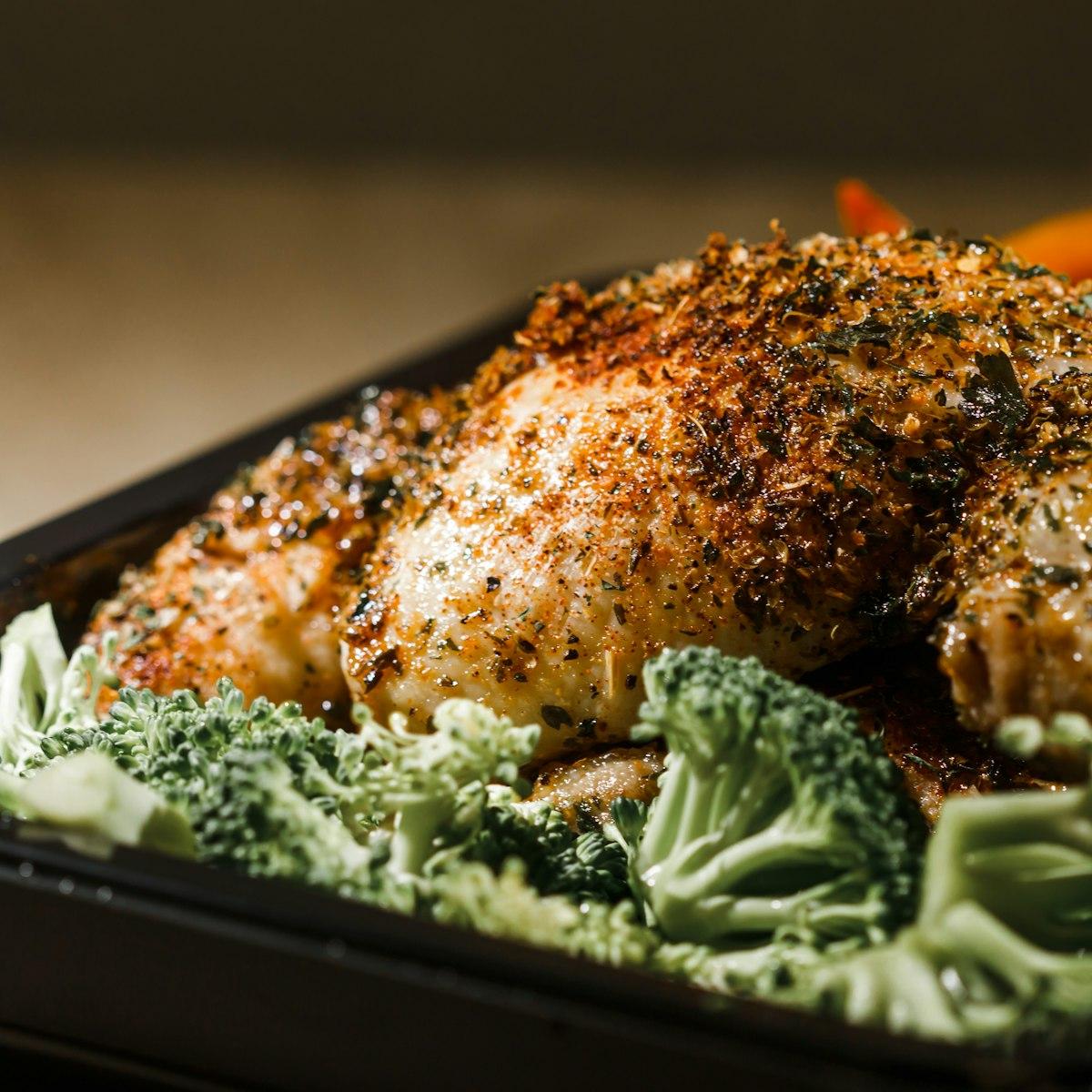
A quick, balanced high-protein dinner bowl with grilled chicken, quinoa and steamed broccoli — about 34 grams of protein.
1 serving

Breakfast
Simple Veggie & Egg Skillet
Eggs cooked right in the pan with bell pepper, spinach and tomatoes — a quick, protein-and-fiber skillet meal with no prep ahead needed.
1–2 servings
Frequently asked questions
How many grams of protein should a 70-year-old woman eat?
Multiply your weight in kilograms by 1.0–1.2 for a healthy minimum, or by about 1.2–1.6 if you strength train. To get kilograms, divide your weight in pounds by 2.2.
For example, a 140-pound woman weighs about 64 kg, so she needs roughly 64–76 grams a day at minimum, and about 76–102 grams if she's lifting weights. That's about 25–30 grams at each meal.
What is the easiest way for seniors to get more protein?
Add a little protein to every meal and snack rather than trying to eat one big serving at dinner.
Greek yogurt, eggs, cottage cheese, canned tuna, pre-cooked chicken, beans and protein powder in a smoothie or oatmeal are all quick, affordable options that are easy to chew.
Is too much protein bad for older kidneys?
For healthy older adults, the protein amounts recommended here are considered safe. If you have chronic kidney disease, talk with your doctor, because people with significantly reduced kidney function may need to limit protein.
The same goes for protein powders and creatine: check with your healthcare provider first if you have a kidney condition.
Do I need protein shakes, or is food enough?
Food is enough for most people, but a shake is a helpful tool when your appetite is low, you have trouble chewing, or you're short on time.
A smoothie with protein powder, milk and frozen berries can provide 20 grams or more in one glass.
How much protein is in an egg or a piece of chicken?
One large egg has about 6 grams of protein, and a palm-sized piece of chicken breast or fish (about 3 ounces) has roughly 20–25 grams.
A 6-ounce Greek yogurt has about 15 grams, and a cup of milk about 8 grams.
Sources
- Krok-Schoen JL, Archdeacon Price A, Luo M, Kelly OJ, Taylor CA. Low dietary protein intakes and associated dietary patterns and functional limitations in an aging population: a NHANES analysis. J Nutr Health Aging. 2019;23(4):338-347. View source
- Cuthbertson D, Smith K, Babraj J, et al. Anabolic signaling deficits underlie amino acid resistance of wasting, aging muscle. FASEB J. 2005;19(3):422-424. View source
- Cruz-Jentoft AJ, Bahat G, Bauer J, et al. Sarcopenia: revised European consensus on definition and diagnosis. Age Ageing. 2019;48(1):16-31. View source
- Rizzoli R, Biver E, Bonjour JP, et al. Benefits and safety of dietary protein for bone health—an expert consensus paper endorsed by the European Society for Clinical and Economical Aspects of Osteoporosis, Osteoarthritis, and Musculoskeletal Diseases and by the International Osteoporosis Foundation. Osteoporos Int. 2018;29(9):1933-1948. View source
- Institute of Medicine. Dietary Reference Intakes for Energy, Carbohydrate, Fiber, Fat, Fatty Acids, Cholesterol, Protein, and Amino Acids. National Academies Press; 2005. View source
- Bauer J, Biolo G, Cederholm T, et al. Evidence-based recommendations for optimal dietary protein intake in older people: a position paper from the PROT-AGE Study Group. J Am Med Dir Assoc. 2013;14(8):542-559. View source
- Deutz NEP, Bauer JM, Barazzoni R, et al. Protein intake and exercise for optimal muscle function with aging: recommendations from the ESPEN Expert Group. Clin Nutr. 2014;33(6):929-936. View source
- Morton RW, Murphy KT, McKellar SR, et al. A systematic review, meta-analysis and meta-regression of the effect of protein supplementation on resistance training-induced gains in muscle mass and strength in healthy adults. Br J Sports Med. 2018;52(6):376-384. View source
- Attia P, Patrick R. Rethinking protein needs for performance, muscle preservation, and longevity, and the mental and physical benefits of creatine supplementation and sauna use. The Drive podcast, episode 369. October 20, 2025. View source
- Mamerow MM, Mettler JA, English KL, et al. Dietary protein distribution positively influences 24-h muscle protein synthesis in healthy adults. J Nutr. 2014;144(6):876-880. View source
- Rantanen T, Guralnik JM, Foley D, et al. Midlife hand grip strength as a predictor of old age disability. JAMA. 1999;281(6):558-560. View source
- Look M, Dunn JP, Kushner RF, et al. Body composition changes during weight reduction with tirzepatide in the SURMOUNT-1 study of adults with obesity or overweight. Diabetes Obes Metab. 2025;27(5):2720-2729. View source
- Mozaffarian D, Agarwal M, Aggarwal M, et al. Nutritional priorities to support GLP-1 therapy for obesity: a joint Advisory from the American College of Lifestyle Medicine, the American Society for Nutrition, the Obesity Medicine Association, and The Obesity Society. Am J Clin Nutr. 2025;122(1):344-367. View source
- Houston DK, Cesari M, Ferrucci L, et al. Association between vitamin D status and physical performance: the InCHIANTI study. J Gerontol A Biol Sci Med Sci. 2007;62(4):440-446. View source
- National Institutes of Health Office of Dietary Supplements. Vitamin D: fact sheet for health professionals. View source
- Candow DG, Chilibeck PD, Forbes SC, Fairman CM, Gualano B, Roschel H. Creatine supplementation for older adults: focus on sarcopenia, osteoporosis, frailty and cachexia. Bone. 2022;162:116467. View source
- Institute of Medicine. Dietary Reference Intakes for Water, Potassium, Sodium, Chloride, and Sulfate. National Academies Press; 2005. View source
- Kenney WL, Chiu P. Influence of age on thirst and fluid intake. Med Sci Sports Exerc. 2001;33(9):1524-1532. View source
This guide is for general education and isn't medical advice. Please talk with your doctor before starting a new exercise, nutrition or supplement routine. See our health disclaimer.

About the author
Kristen Nielsen
Kristen founded TogetherWON after watching what strength training could do for older adults — including her own grandparents. She's an ACE Certified Personal Trainer with 10+ years in functional aging, a University of Central Florida graduate, and a former Division I swimmer and track & field athlete.
Senior Fitness Specialist · Functional Aging Specialist · Parkinson's Disease Specialist · Brain Health Trainer · Corrective Exercise Specialist
want these in your inbox?
Get my Saturday letters
One idea for your body, brain or balance each week, usually with a recipe. Unsubscribe any time.