GLP-1s and Muscle Loss: What Strength Training Can Do
By Kristen Nielsen, Founder & Senior Fitness Specialist
· Updated · Body & Nutrition · 4 minute read

Part of our guide: Protein for Older Adults: How Much and How to Get It
Key takeaways
- GLP-1 medications usually cause some lean-mass loss along with fat (about 25% of weight lost in one tirzepatide study), and strength training is the best tool to protect muscle.
- Lean mass isn't the same as muscle. It also includes water and other non-fat tissue, so not all of that loss is muscle.
- A 2025 advisory stresses that protein alone probably isn't enough; strength training is key to protecting muscle and function during weight loss.
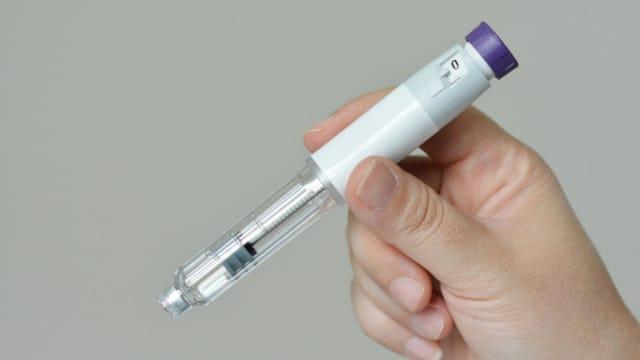
People taking GLP-1 medications like Ozempic, Wegovy, Mounjaro and Zepbound usually lose some muscle and other lean tissue along with fat, though far more fat than lean mass. The good news is that strength training, along with enough protein for older adults, gives your body a reason to hold on to muscle.
I'll start by saying that I'm definitely not an expert on GLP-1s. But as a personal trainer, I see more and more clients who are taking them or considering them. That made me curious about one part in particular: what happens to muscle and strength when someone loses a significant amount of weight?
So I dug into the research, and I thought you might want to learn along with me.
That matters to me because maintaining muscle and strength as we age is incredibly important for everyday life.
How Do GLP-1 Medications Work?
GLP-1 is actually a hormone our bodies naturally produce, and medications like Wegovy and Ozempic mimic some of its effects. They help regulate blood sugar, reduce appetite and help people feel full with less food.
And they can produce significant weight loss.
In one large 2021 study, people taking semaglutide lost an average of about 15% of their body weight over 68 weeks. You can read that study here.
Another thing I've been interested to learn is that researchers are looking at benefits beyond weight loss. For example, studies of semaglutide have found reductions in CRP, a marker of inflammation. It's still being studied how much of that effect comes from the medication itself versus weight loss and other metabolic changes. Here's one of the studies if you're curious.
These are also real medications with possible side effects. Nausea, vomiting, diarrhea and constipation are among the most common. There are also less common, more serious risks, which is one reason these medications need to be managed with a medical provider. Here is the current FDA information on Wegovy.
But what I was most curious about was muscle.
Do GLP-1 Users Lose Muscle?
The answer I found is: some lean tissue is generally lost, but it's a little more complicated than the headlines make it sound.
When we lose a significant amount of weight, we usually don't lose only fat. Some lean mass tends to go with it.
In one semaglutide study, participants lost both fat and lean mass, but they lost considerably more fat. Here is the body composition study if you want to see it.
And here's something I didn't know before researching this:
Lean mass and muscle are not exactly the same thing.
Lean mass includes muscle, but it also includes water and other non-fat tissues. So when we hear that someone lost "lean mass," we can't automatically say that all of it was muscle.
A study of tirzepatide found that about 75% of the weight lost was fat mass and about 25% was lean mass. You can read that research here.
So I don't think the takeaway should be, "GLP-1s are going to make you lose all your muscle." But I also don't think we should ignore it.
How Can You Protect Muscle While Taking a GLP-1?
The best-supported approach is regular strength training plus enough protein. Especially after 60, we need our muscle. We need it to get out of a chair, climb stairs, carry groceries, maintain our balance and keep doing the things we enjoy.
So if someone is losing a significant amount of weight, I don't just want to know what the scale says. I want to know if they are staying strong.
One of the most helpful papers I found was a 2025 advisory specifically about nutrition and exercise for people taking GLP-1 medications. It emphasizes adequate protein and resistance training to help protect lean tissue and function during weight loss. You can read the full paper here.
And this is the part of the conversation I know much better. Our muscles need to be used.
Strength training gives the body a reason to maintain muscle. That might mean weights, resistance bands, machines or appropriately challenging body-weight exercises. If you'd like help setting that up safely, that's exactly what we do in in-home personal training.
Protein matters too, especially when appetite is low (here are easy ways to eat more protein when you're not hungry). But interestingly, the advisory makes the point that protein by itself probably isn't enough. Strength training needs to be part of the picture too.
Am I Staying Strong? What to Watch Besides the Scale
I'm still learning about GLP-1s, and I'm sure we'll learn much more as additional research comes out.
But one thing makes a lot of sense to me:
If you're working hard to lose weight, don't forget to protect the body underneath it.
Instead of only asking:
"How much weight have I lost?"
Maybe we should also be asking:
"Am I staying strong?"
Can I still get out of a chair easily? (The 30-second chair stand test is a simple way to check.) Am I lifting as much as I used to? Can I climb the stairs? Am I moving well? Am I getting stronger?
Because as we get older, the number on the scale matters a lot less to me than whether your body can still do the things you want it to do.
Lose the weight if you need to. But protect your strength along the way.
Kristen
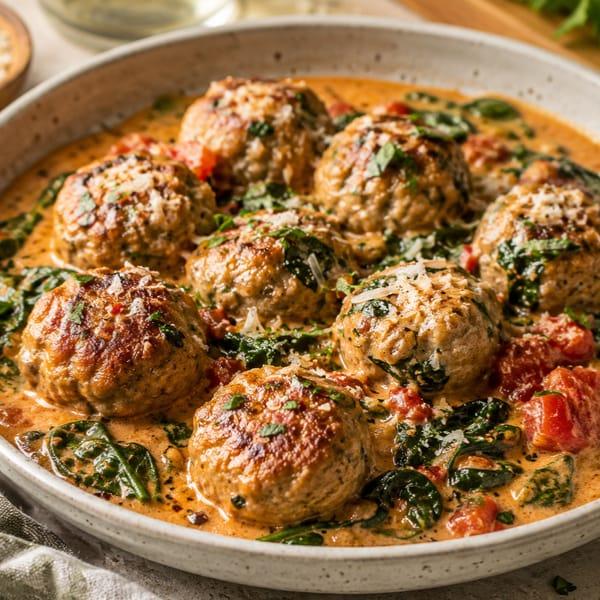
Try the recipe: These Tuscan turkey meatballs make four generous servings, so two for dinner and two to freeze — get the recipe.
Sources
- Wilding JPH, Batterham RL, Calanna S, et al. Once-weekly semaglutide in adults with overweight or obesity. N Engl J Med. 2021;384(11):989-1002. View source
- Verma S, Bhatta M, Davies M, et al. Effects of once-weekly semaglutide 2.4 mg on C-reactive protein in adults with overweight or obesity (STEP 1, 2, and 3): exploratory analyses of three randomised, double-blind, placebo-controlled, phase 3 trials. EClinicalMedicine. 2023;55:101737. View source
- US Food and Drug Administration. Wegovy (semaglutide) injection: prescribing information. View source
- Wilding JPH, Batterham RL, Calanna S, et al. Impact of semaglutide on body composition in adults with overweight or obesity: exploratory analysis of the STEP 1 study. J Endocr Soc. 2021;5(Suppl 1):A16-A17. View source
- Look M, Dunn JP, Kushner RF, et al. Body composition changes during weight reduction with tirzepatide in the SURMOUNT-1 study of adults with obesity or overweight. Diabetes Obes Metab. 2025;27(5):2720-2729. View source
- Mozaffarian D, Agarwal M, Aggarwal M, et al. Nutritional priorities to support GLP-1 therapy for obesity: a joint Advisory from the American College of Lifestyle Medicine, the American Society for Nutrition, the Obesity Medicine Association, and The Obesity Society. Am J Clin Nutr. 2025;122(1):344-367. View source
This article is for general education and isn't medical advice. Please talk with your doctor before starting a new exercise, nutrition or supplement routine. See our health disclaimer.

About the author
Kristen Nielsen
Kristen founded TogetherWON after watching what strength training could do for older adults — including her own grandparents. She's an ACE Certified Personal Trainer with 10+ years in functional aging, a University of Central Florida graduate, and a former Division I swimmer and track & field athlete.
Senior Fitness Specialist · Functional Aging Specialist · Parkinson's Disease Specialist · Brain Health Trainer · Corrective Exercise Specialist
want these in your inbox?
Get my Saturday letters
One idea for your body, brain or balance each week, usually with a recipe. Unsubscribe any time.
Keep reading

Nutrition · Body
How to Avoid Blood Sugar Spikes: Simple Glucose Tips
How you eat, not just what you eat, shapes blood sugar. Simple glucose hacks like veggies first and a walk after meals can steady energy and cut cravings.
September 13, 2025 · 3 min read
Body · Nutrition
The COMB Study: Can Supplements Raise Bone Density?
What the COMB micronutrient study found about bone density, and how resistance training, impact exercise and balance work can build on it.
May 31, 2025 · 3 min read

Nutrition · Body
Vitamin D and Muscle Strength in Older Adults
Vitamin D is linked to muscle strength, physical performance, immunity and mood as we age. What the research shows, safe dosing and the best food sources.
May 17, 2025 · 3 min read