How to Eat More Protein When You're Not Hungry
By Kristen Nielsen, Founder & Senior Fitness Specialist
· Updated · Nutrition · 3 minute read
Part of our guide: Protein for Older Adults: How Much and How to Get It
Key takeaways
- When you're not hungry, eat smaller protein-rich meals and snacks like Greek yogurt or hard-boiled eggs, and add protein powder to smoothies, oatmeal or milk.
- Older adults should aim for 1.0–1.2 grams of protein per kilogram of body weight daily, or about 68–82 grams for a 150-pound person.
- Eggs, canned tuna, beans, lentils and tofu are budget-friendly, and soft options like cottage cheese or scrambled eggs help when chewing is hard.
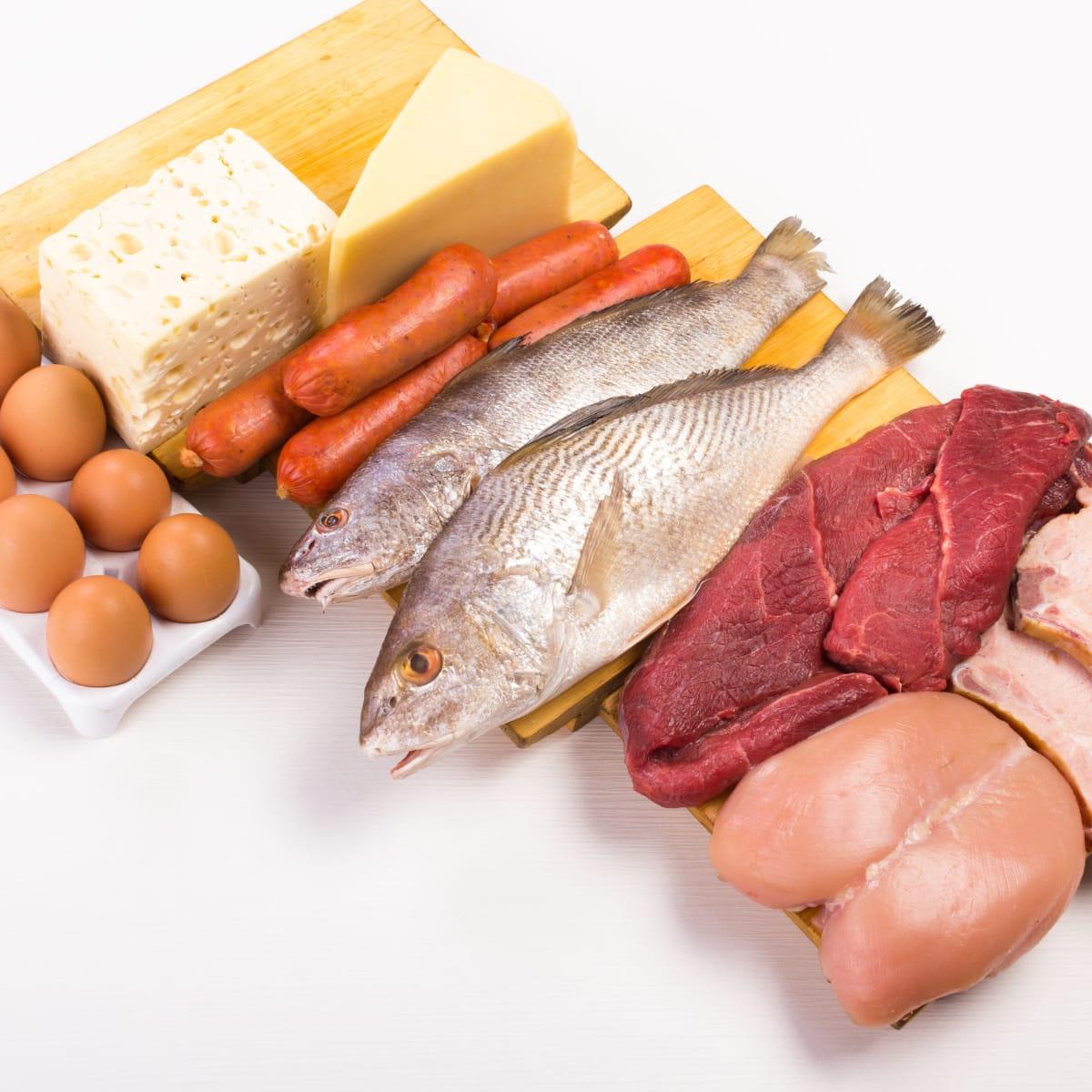
When you're not hungry, the easiest way to eat more protein is to go smaller and more often: protein-rich snacks like Greek yogurt or eggs, protein powder stirred into smoothies or oatmeal, and drinks like milk or shakes. Appetite isn't the only thing that gets in the way, so in this post I'll address the most common barriers to getting enough protein, with practical solutions for each.
Our guide to protein for older adults covers why protein is essential and how much is needed daily. Here's the short version.
Why Is Protein So Important After 60?
Protein helps you hold on to muscle, bone, immunity and energy as you age.
Prevents Muscle Loss: Protein supports muscle maintenance and helps combat age-related muscle loss (sarcopenia).
Strengthens Bones: Works alongside calcium and vitamin D to maintain bone health.
Boosts Immunity: Provides the building blocks for immune cells and recovery processes.
Aids Wound Healing: Speeds up tissue repair and recovery.
Prevents Malnutrition: Helps maintain energy levels and prevents unhealthy weight loss.
A simple way to keep an eye on your strength over time is our grip strength test.
Older adults should aim for 1.0–1.2 grams of protein per kilogram of body weight daily. For a 150-pound (68 kg) individual, that's around 68–82 grams of protein per day.
What Gets in the Way of Eating Enough Protein?
The five barriers I hear about most are low appetite, cost, trouble chewing, lack of time or energy to cook, and boredom. Here's how to handle each one.
1. Reduced Appetite: "I don't feel like eating."
Solution:
- Focus on smaller, nutrient-dense meals and snacks.
- Include high-protein options like Greek yogurt, hard-boiled eggs, or peanut butter.
- Add protein powder to smoothies or oatmeal.
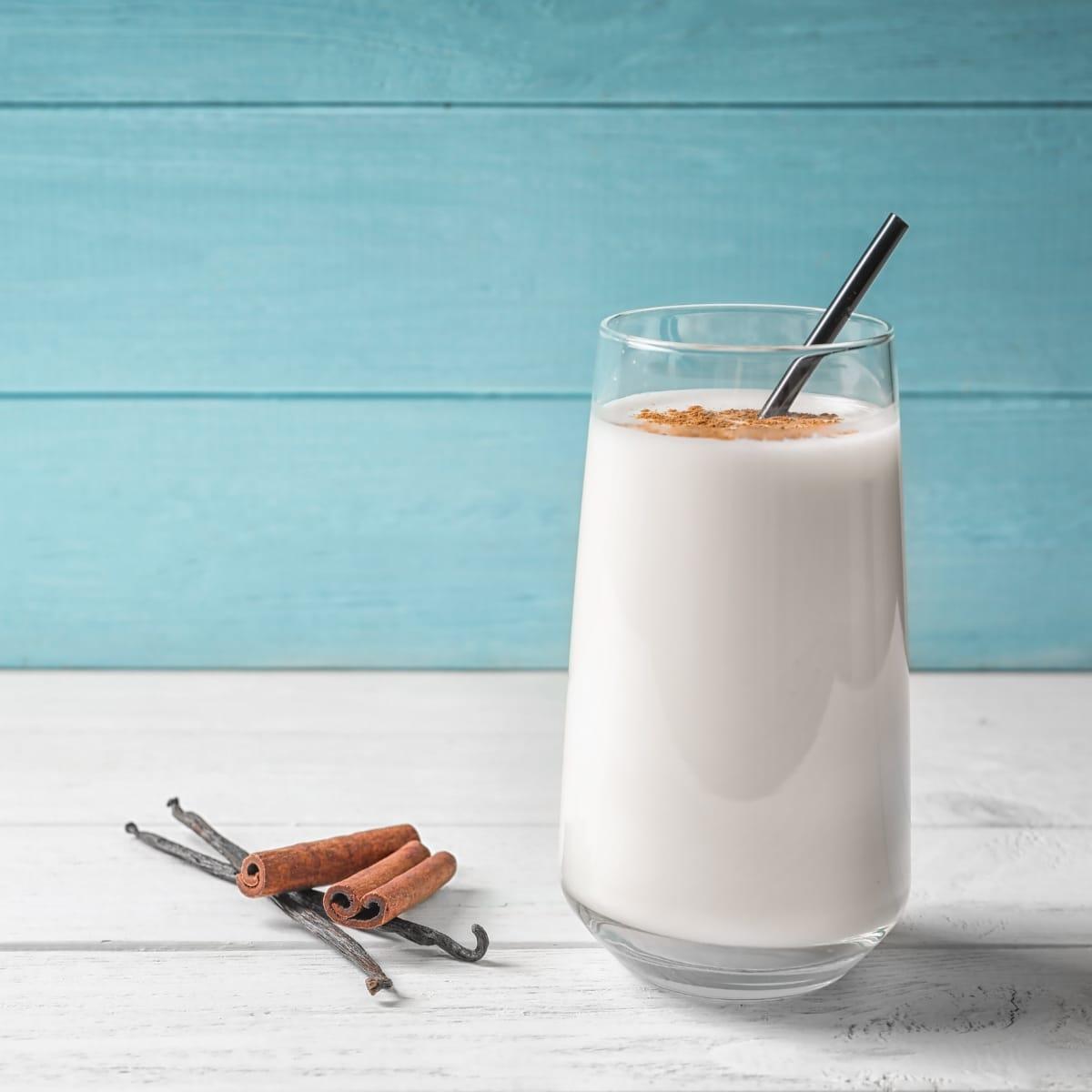
- Incorporate liquids like protein shakes or milk if solid food feels unappealing.
2. Affordability: "Protein is expensive!"
Solution:
- Opt for budget-friendly protein sources. Eggs, canned tuna, dried beans, lentils, and tofu are all cost-effective options.
- Buy in bulk and freeze portions of meat when on sale.
- Combine smaller amounts of meat with plant-based proteins (e.g., chili with ground beef and beans).
3. Difficulty Chewing or Swallowing: "It hurts to eat meat."
Solution:
- Choose softer, easier-to-eat protein foods.
- Try scrambled eggs, mashed beans, or soft tofu.
- Make soups with blended lentils or shredded chicken.
- Opt for creamy, high-protein snacks like cottage cheese or smooth nut butters.
4. Lack of Meal Preparation Energy or Time: "It takes so long to cook."
Solution:
- Simplify meal prep with ready-to-eat options.
- Keep pre-cooked chicken strips, canned tuna, or protein bars on hand.
- Batch-cook and freeze protein-rich meals for convenience. (My simple 7-day dinner plan is built around cooking extra protein early in the week.)
- Use kitchen tools like slow cookers to prepare large quantities with minimal effort.
5. Flavor and Variety: "I get bored with the same foods."
Solution:
- Keep meals interesting with different recipes and seasonings.
- Use herbs, spices, or marinades to enhance flavor.
- Rotate protein sources to prevent boredom (e.g., fish, poultry, eggs, plant-based proteins).
- Mix and match proteins in meals, like pairing cheese with lentil soup or eggs with avocado toast.
What Are Easy High-Protein Snacks When You Don't Feel Like Eating?
A few small, easy snacks a day add up quickly:
- Greek yogurt with a drizzle of honey and nuts (15–20 g protein).
- Hard-boiled egg with a slice of whole-grain toast (10–12 g protein).
- Cottage cheese with fresh fruit (15 g protein).
- A smoothie with protein powder, milk, and frozen berries (20–50 g protein — see the Protein Power Smoothie).
Does Getting Enough Protein Have to Be Complicated?
No. Ensuring adequate protein intake doesn't have to be complicated or expensive. With a few small adjustments, you can incorporate more protein into your diet to support your strength and overall health. Protein works best alongside strength training, which is a big part of what we do in in-home personal training. Have questions or need personalized advice? Get in touch — I'm here to help!
Kristen
Try the recipe: Here's a high-protein smoothie recipe that's easy to make and customizable — get the recipe.
Sources
- Bauer J, Biolo G, Cederholm T, et al. Evidence-based recommendations for optimal dietary protein intake in older people: a position paper from the PROT-AGE Study Group. J Am Med Dir Assoc. 2013;14(8):542-559. View source
- Deutz NE, Bauer JM, Barazzoni R, et al. Protein intake and exercise for optimal muscle function with aging: recommendations from the ESPEN Expert Group. Clin Nutr. 2014;33(6):929-936. View source
- Cruz-Jentoft AJ, Bahat G, Bauer J, et al. Sarcopenia: revised European consensus on definition and diagnosis. Age Ageing. 2019;48(1):16-31. View source
- Rizzoli R, Biver E, Bonjour JP, et al. Benefits and safety of dietary protein for bone health—an expert consensus paper endorsed by the European Society for Clinical and Economical Aspects of Osteoporosis, Osteoarthritis, and Musculoskeletal Diseases and by the International Osteoporosis Foundation. Osteoporos Int. 2018;29(9):1933-1948. View source
This article is for general education and isn't medical advice. Please talk with your doctor before starting a new exercise, nutrition or supplement routine. See our health disclaimer.

About the author
Kristen Nielsen
Kristen founded TogetherWON after watching what strength training could do for older adults — including her own grandparents. She's an ACE Certified Personal Trainer with 10+ years in functional aging, a University of Central Florida graduate, and a former Division I swimmer and track & field athlete.
Senior Fitness Specialist · Functional Aging Specialist · Parkinson's Disease Specialist · Brain Health Trainer · Corrective Exercise Specialist
want these in your inbox?
Get my Saturday letters
One idea for your body, brain or balance each week, usually with a recipe. Unsubscribe any time.
Keep reading
Body · Nutrition
GLP-1s and Muscle Loss: What Strength Training Can Do
A trainer's look at GLP-1 medications like Ozempic and Zepbound — how much lean mass is lost, and why strength training and protein matter.
August 22, 2026 · 4 min read
Nutrition
Essential Minerals for Older Adults and Food Sources
Calcium, magnesium, potassium, zinc and iron help muscles, nerves and bones work as we age. Here's where to find them in everyday foods, food first.
May 30, 2026 · 2 min read
Nutrition
Easy Healthy Dinners: A Simple 7-Day Plan
A simple formula for balanced dinners (protein, produce, healthy fat, smart carb) and a 7-day dinner plan you can reuse week after week.
February 14, 2026 · 3 min read