Best Supplements for Adults Over 60: What You Need
By Kristen Nielsen, Founder & Senior Fitness Specialist
· Updated · Nutrition · 6 minute read
Part of our guide: Nutrition After 60: What to Eat to Stay Strong
Key takeaways
- The supplements I take and recommend after 60 are vitamin D with K2, omega-3s, magnesium, B12 and folate, probiotics, collagen with vitamin C, and creatine.
- Very few people eat a truly balanced diet, so many fall short on a few key nutrients, but needs vary from person to person.
- Everyone is unique, so check with your doctor that any supplement fits your health conditions and medications, especially blood thinners or kidney issues.
The supplements I personally take and recommend to clients over 60 are vitamin D with K2, omega-3s, magnesium, B12 and folate, probiotics, collagen with vitamin C, and creatine. Everyone's needs are different, though, so they're a starting point for a conversation with your doctor, not a prescription — and they work best alongside the food basics in my guide to nutrition after 60.
I am regularly asked for advice about supplements, and I often struggle to give a concise answer. The world of supplements feels like the Wild West — there are countless opinions, endless options, and very few hard-and-fast rules. That being said, there are a few guidelines that are widely recommended by most (though not all) practitioners and functional medicine doctors. This post is my attempt to present a balanced perspective based on these commonly accepted principles.
Do You Need Supplements After 60?
Not everyone does, but many people fall short on at least a few key nutrients. Some argue that we should be able to get all the nutrients we need from a well-balanced diet. In a perfect world — like the Garden of Eden — that might be true. However, very few people eat a truly balanced diet, so many of us fall short on key nutrients. (One 2004 analysis also found that some garden crops contained less of certain nutrients than they did in 1950, though that alone doesn't mean people are deficient.) Below are some supplements I personally take and recommend to my clients. Of course, everyone is unique, so it's important to ensure that any supplement you take does not interfere with existing health conditions or medications.
1. Vitamin D + Vitamin K2: A Synergistic Pair
Vitamin D is essential for calcium absorption, immune function, and muscle health. However, without adequate Vitamin K2, calcium can be deposited in the arteries rather than being directed to the bones, increasing the risk of vascular calcification. Functional medicine recommends pairing these two vitamins for optimal bone and cardiovascular health.
- Research Insight: A 2015 study in Thrombosis and Haemostasis found that vitamin K2 supplementation reduced arterial stiffness, particularly in postmenopausal women.
- Recommended Dosage: Functional medicine suggests D3 (cholecalciferol) at 1,000–4,000 IU daily, combined with K2 (MK-7) at 90–180 mcg to support proper calcium metabolism. Talk with your doctor about the right dose for you. The NIH upper limit for vitamin D in adults is 4,000 IU per day.
Tip: Vitamin D is fat-soluble, so take it with a meal that contains healthy fats for better absorption. If you take a blood thinner like warfarin, check with your doctor before taking vitamin K2. I've also written about vitamin D and muscle strength.
Brand I use: Mega D-3 & MK-7 from NOW
2. Omega-3 Fatty Acids: Brain and Heart Health
Omega-3s, particularly EPA and DHA from fish oil, reduce inflammation, support cognitive function, and protect against heart disease. Functional medicine emphasizes the importance of an optimal Omega-3 to Omega-6 ratio, as excessive Omega-6 from processed oils promotes inflammation.
- Research Insight: A 2025 study in Nature Aging found that omega-3 supplementation, when combined with vitamin D and regular exercise, slows biological aging.
- Recommended Dosage: Functional medicine suggests 1,000–2,000 mg of combined EPA/DHA daily from a high-quality, third-party-tested fish oil.

Tip: Look for triglyceride-form fish oil rather than ethyl ester form, as it is better absorbed.
Brands I use: Ultimate Omega from Nordic Naturals, Omega MonoPure by Xymogen
3. Magnesium: The "Master Mineral"
Magnesium is involved in over 300 enzymatic processes, including muscle relaxation, nerve function, blood sugar regulation, and brain health. Many older adults don't get enough, especially when their diet leans on processed foods. (For food sources, see my post on essential minerals.)
- Research Insight: A 2024 study in Frontiers in Aging Neuroscience linked higher magnesium intake to better cognitive function and a reduced risk of dementia.
- Recommended Forms: Functional medicine recommends Magnesium Glycinate for relaxation and sleep, Magnesium Malate for energy, and Magnesium Threonate for brain health.
- Recommended Dosage: 300–400 mg daily from food and supplements combined, depending on individual needs. The NIH upper limit for magnesium from supplements is 350 mg per day for adults, so talk with your doctor about the right dose.
Tip: Avoid Magnesium Oxide, as it has poor absorption and primarily acts as a laxative.
Brands I use: Magnesium CitraMate by Thorne (I'm still experimenting with this one. It contains Magnesium Malate), MIN Multivitamin Plus by Systemic Formulas (a multi-mineral containing magnesium)
4. B12 and Folate: Supporting Energy and Cognition
Vitamin B12 and folate (B9) are crucial for nerve function, red blood cell production, and cognitive health. Many older adults struggle with poor B12 absorption due to decreased stomach acid production.
- Research Insight: Studies, including a 2006 trial in The American Journal of Clinical Nutrition, have found that B12 supplements don't improve memory in people who aren't truly deficient, so the key is finding and correcting a real deficiency. Ask your doctor to check your B12 level.
- Recommended Dosage: Functional medicine recommends B12 as Methylcobalamin (1,000 mcg daily) and Folate as Methylfolate (400–800 mcg daily).
Tip: If you have the MTHFR gene mutation, avoid synthetic folic acid and use methylated folate instead.
Brand I use: Vitamin B12 by Thorne
5. Probiotics and Prebiotics: Gut Health and Immunity
The gut microbiome influences immune function, digestion, and even mood regulation. Functional medicine views gut health as central to overall wellness and emphasizes the role of probiotics (healthy bacteria) and prebiotics (fiber that feeds them).
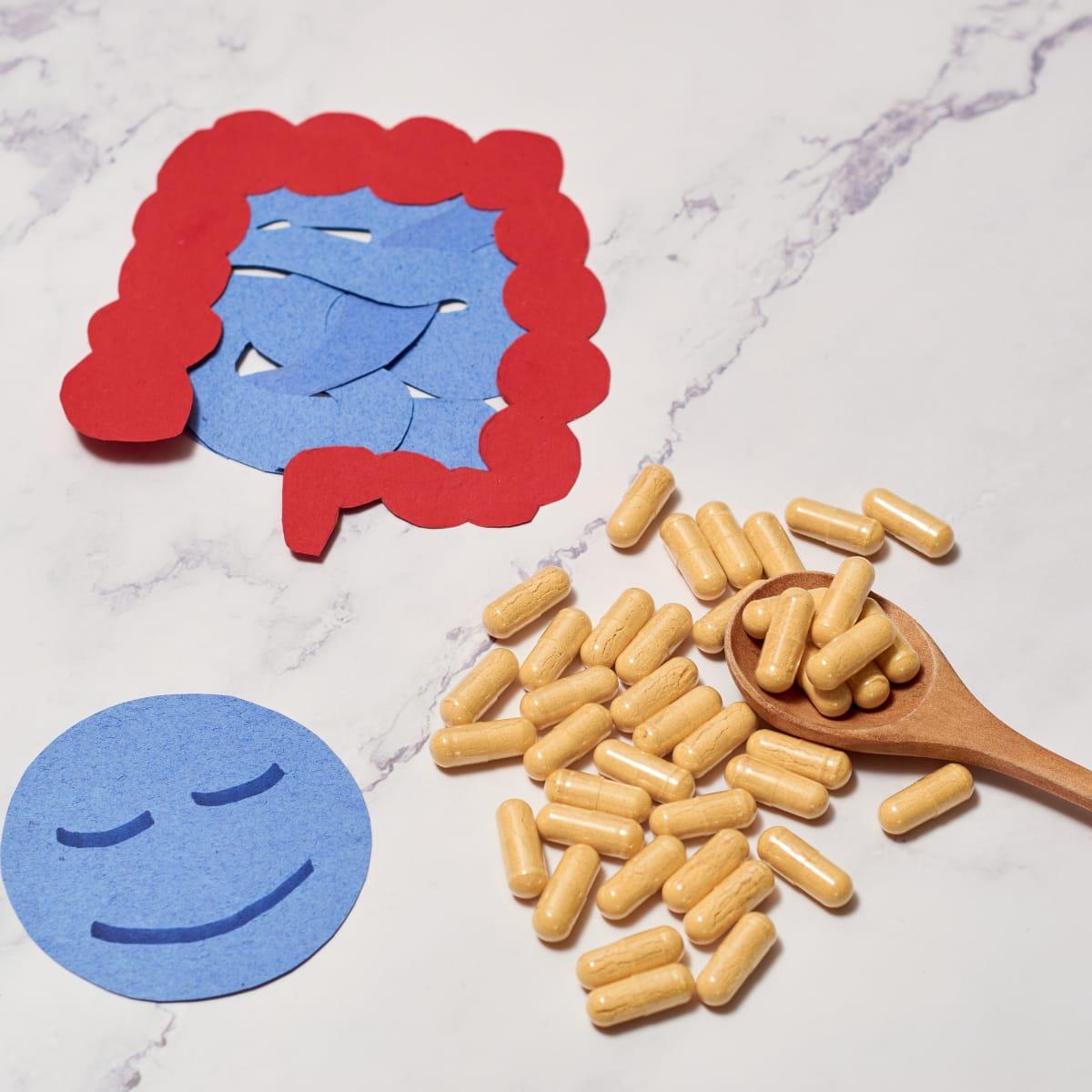
- Research Insight: A 2017 mouse study in Cell Host & Microbe found that gut dysbiosis (an imbalance of gut bacteria) contributes to inflammation and accelerates aging.
- Recommended Dosage: Look for a probiotic with at least 10 billion CFUs, containing strains like Lactobacillus and Bifidobacterium, combined with prebiotic fiber from foods like flaxseeds and chicory root. Include in your daily diet.
Tip: Rotate different probiotic strains every 2–3 months for a diverse gut microbiome. Yogurt and other fermented foods are also a good source. Avoid yogurts with lots of sugar.
Brands I use: Probiotic from Body Health, Once Daily by Garden of Life, ProbioMax by Xymogen
6. Collagen + Vitamin C: Joint and Skin Health
Collagen supports joint function, skin elasticity, and muscle recovery, but production declines with age. Vitamin C is necessary for collagen synthesis.
- Research Insight: A study in Osteoarthritis and Cartilage found that collagen supplementation improves joint pain and flexibility in older adults.
- Recommended Dosage: 10–15 g of hydrolyzed collagen daily, paired with 500–1,000 mg of Vitamin C.
Tip: Bone broth is a great natural source of collagen. I've shared my simple bone broth recipe to go with this post.
Brands I use: Collagen Peptides by Sports Research, Liposomal Vitamin C by DACHA
7. Creatine: Strength, Bones, & Cognition
Creatine has long been used in combination with strength training to increase muscle mass and strength. However, recent studies suggest additional benefits, including reducing the risk of falls, slowing bone mineral loss, and even improving cognitive function in older adults. If you have preexisting kidney conditions, it is advisable to consult your healthcare provider before beginning creatine supplementation.
- Research Insight: A systematic review and meta-analysis published in Nutrition Reviews found that creatine supplementation enhanced memory performance, particularly in healthy individuals aged 66–76 years.
- Recommended Dosage: 3–5 grams daily.
Tip: Consistency in strength training is essential to maximize the benefits of creatine.
Brand I use: Naked Creatine by Naked Nutrition
Should You Talk to Your Doctor Before Taking Supplements?
Yes. Everyone is unique, so check that any supplement fits your health conditions and medications, especially if you take a blood thinner or have kidney issues.
That concludes my attempt to stick my toe into the deep waters of supplements. If you have any questions, reach out! I'm also happy to connect you with experts I trust who can help you better understand what supplements are best for your body.
Kristen
Try the recipe: For a delicious way to get extra collagen in your diet, try this simple bone broth — get the recipe.
Sources
- Davis DR, Epp MD, Riordan HD. Changes in USDA food composition data for 43 garden crops, 1950 to 1999. J Am Coll Nutr. 2004;23(6):669-682. View source
- Knapen MH, Braam LA, Drummen NE, Bekers O, Hoeks AP, Vermeer C. Menaquinone-7 supplementation improves arterial stiffness in healthy postmenopausal women: a double-blind randomised clinical trial. Thromb Haemost. 2015;113(5):1135-1144. View source
- National Institutes of Health Office of Dietary Supplements. Vitamin D: fact sheet for health professionals. View source
- Bischoff-Ferrari HA, Gängler S, Wieczorek M, et al. Individual and additive effects of vitamin D, omega-3 and exercise on DNA methylation clocks of biological aging in older adults from the DO-HEALTH trial. Nat Aging. 2025;5(3):376-385. View source
- Dyerberg J, Madsen P, Møller JM, Aardestrup I, Schmidt EB. Bioavailability of marine n-3 fatty acid formulations. Prostaglandins Leukot Essent Fatty Acids. 2010;83(3):137-141. View source
- Harris WS, Mozaffarian D, Rimm E, et al. Omega-6 fatty acids and risk for cardiovascular disease: a science advisory from the American Heart Association. Circulation. 2009;119(6):902-907. View source
- National Institutes of Health Office of Dietary Supplements. Magnesium: fact sheet for health professionals. View source
- National Institutes of Health Office of Dietary Supplements. Vitamin B12: fact sheet for health professionals. View source
- Eussen SJ, de Groot LC, Joosten LW, et al. Effect of oral vitamin B-12 with or without folic acid on cognitive function in older people with mild vitamin B-12 deficiency: a randomized, placebo-controlled trial. Am J Clin Nutr. 2006;84(2):361-370. View source
- Markun S, Gravestock I, Jäger L, Rosemann T, Pichierri G, Burgstaller JM. Effects of vitamin B12 supplementation on cognitive function, depressive symptoms, and fatigue: a systematic review, meta-analysis, and meta-regression. Nutrients. 2021;13(3):923. View source
- Thevaranjan N, Puchta A, Schulz C, et al. Age-associated microbial dysbiosis promotes intestinal permeability, systemic inflammation, and macrophage dysfunction. Cell Host Microbe. 2017;21(4):455-466.e4. View source
- National Institutes of Health Office of Dietary Supplements. Vitamin C: fact sheet for health professionals. View source
- Prokopidis K, Giannos P, Triantafyllidis KK, et al. Effects of creatine supplementation on memory in healthy individuals: a systematic review and meta-analysis of randomized controlled trials. Nutr Rev. 2023;81(4):416-427. View source
- Candow DG, Chilibeck PD, Forbes SC, Fairman CM, Gualano B, Roschel H. Creatine supplementation for older adults: focus on sarcopenia, osteoporosis, frailty and cachexia. Bone. 2022;162:116467. View source
- Chilibeck PD, Candow DG, Gordon JJ, et al. A 2-yr randomized controlled trial on creatine supplementation during exercise for postmenopausal bone health. Med Sci Sports Exerc. 2023;55(10):1750-1760. View source
This article is for general education and isn't medical advice. Please talk with your doctor before starting a new exercise, nutrition or supplement routine. See our health disclaimer.


About the author
Kristen Nielsen
Kristen founded TogetherWON after watching what strength training could do for older adults — including her own grandparents. She's an ACE Certified Personal Trainer with 10+ years in functional aging, a University of Central Florida graduate, and a former Division I swimmer and track & field athlete.
Senior Fitness Specialist · Functional Aging Specialist · Parkinson's Disease Specialist · Brain Health Trainer · Corrective Exercise Specialist
want these in your inbox?
Get my Saturday letters
One idea for your body, brain or balance each week, usually with a recipe. Unsubscribe any time.
Keep reading
Body · Nutrition
GLP-1s and Muscle Loss: What Strength Training Can Do
A trainer's look at GLP-1 medications like Ozempic and Zepbound — how much lean mass is lost, and why strength training and protein matter.
August 22, 2026 · 4 min read
Nutrition
Essential Minerals for Older Adults and Food Sources
Calcium, magnesium, potassium, zinc and iron help muscles, nerves and bones work as we age. Here's where to find them in everyday foods, food first.
May 30, 2026 · 2 min read

Nutrition
How to Eat More Protein When You're Not Hungry
Low appetite, cost, chewing trouble, no time to cook or boredom can make protein hard to get after 60. Practical fixes for each, plus easy protein snacks.
May 9, 2026 · 3 min read