How Much Water Should Seniors Drink? Hydration Tips
By Kristen Nielsen, Founder & Senior Fitness Specialist
· Updated · Nutrition & Brain · 3 minute read

Part of our guide: Nutrition After 60: What to Eat to Stay Strong
Key takeaways
- Aim for about 9 cups (72 ounces) of fluids a day if you're a woman and about 13 cups (104 ounces) if you're a man, counting all beverages.
- Staying hydrated supports your muscles, joints and brain, and even mild dehydration can impair concentration and memory.
- A no-sugar electrolyte drink can help during exercise or hot weather, but check with your doctor first if you have high blood pressure, heart failure or kidney disease.
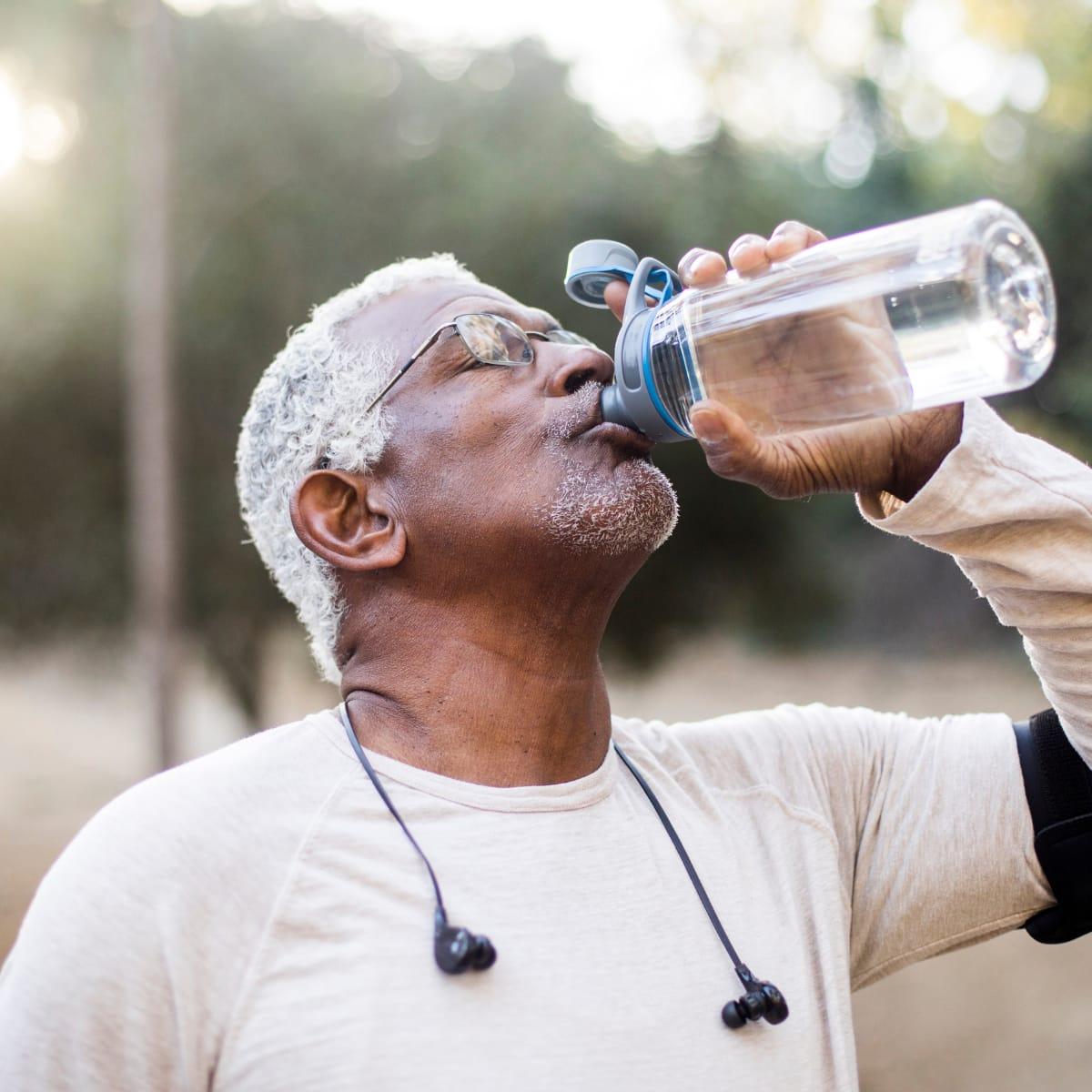
Most women need about 9 cups (72 ounces) of fluids a day and most men about 13 cups (104 ounces), counting all beverages. Because our sense of thirst tends to fade with age, it helps to drink on a schedule rather than waiting until you feel thirsty. Water is one of the simplest parts of nutrition after 60.
The more I learn about hydration and its connections to our body, brain, and balance, the more I want to share how important the simple act of drinking water is! So often, symptoms we dismiss as something far more serious or complicated can simply be linked to a lack of hydration.
Staying well-hydrated is one of the simplest yet most powerful ways to maintain our health as we age. Proper hydration supports everything from muscle and joint function to heart health and even brain performance. In this post, we'll explore why hydration is critical for older adults, share recommended daily water intake guidelines, and explain why no-sugar electrolyte supplements can be a game-changer.
Why Does Hydration Matter More as You Age?
Water plays a vital role in our bodies by supporting muscle tone, lubricating joints, and aiding in nutrient and oxygen transport. Adequate hydration helps maintain metabolic efficiency and can prevent issues like cramps, fatigue, and constipation — all common concerns as we age (Popkin, D'Anci, & Rosenberg, 2010).

Can Dehydration Affect Your Memory and Focus?
Yes. Even mild dehydration can impair concentration, memory, and cognitive performance. Our brains are about 75% water. Studies indicate that proper hydration is linked with improved attention and faster reaction times, keeping our minds sharp and focused (Benton & Young, 2015).

How Much Water Should Seniors Drink Each Day?
General guidelines suggest that:
- Women should aim for about 9 cups (72 ounces) of fluids per day from all beverages.
- Men should aim for about 13 cups (104 ounces) of fluids per day from all beverages.
When Is an Electrolyte Drink Better Than Plain Water?
While water is essential, sometimes plain water isn't enough, especially during exercise or in hot weather. Electrolytes such as sodium, potassium, magnesium, and calcium help maintain fluid balance, nerve function, and muscle contraction. However, many commercial sports drinks contain high amounts of sugar, leading to blood sugar spikes and unnecessary calories.
No-sugar electrolyte supplements — like those offered by LMNT or Nuun — provide the minerals your body needs without the added sugars. Research shows that beverages with balanced electrolytes improve water absorption and retention, which is particularly beneficial for older adults who may experience a reduced sense of thirst. If you have high blood pressure, heart failure, or kidney disease, check with your doctor before using high-sodium electrolyte products.
Make Hydration a Daily Habit
Proper hydration is essential for maintaining muscle function, joint health, and cognitive performance. By aiming for the recommended daily water intake and incorporating no-sugar electrolyte supplements when needed, you can support overall body and brain health. Prioritizing hydration is a simple yet effective step toward a healthier, more vibrant life. Keep a water bottle handy during every workout, whether you're out for a walk or joining us for small group training. Stay hydrated!
Kristen
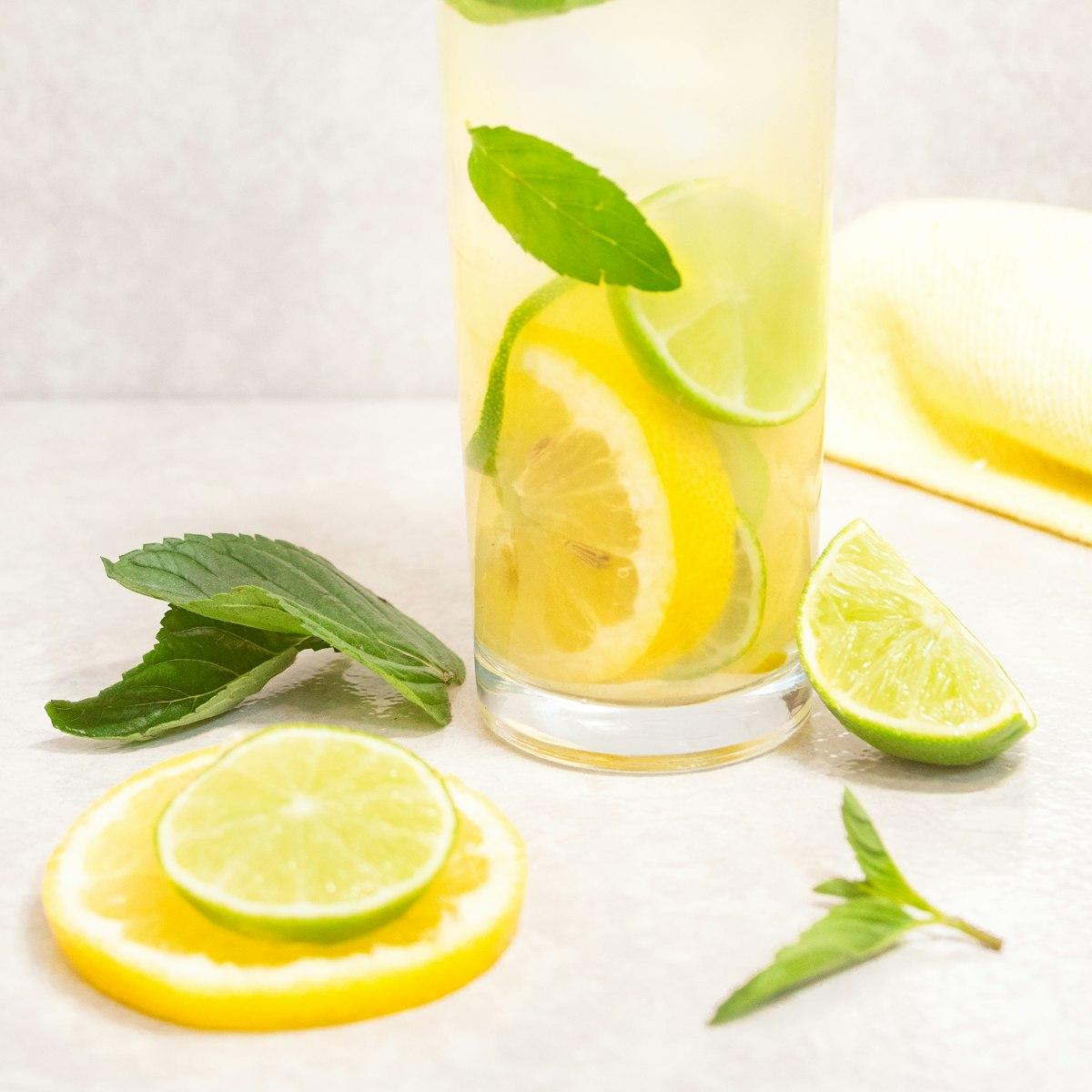
Try the recipe: Here's a simple recipe to make your own citrus mint electrolyte water — get the recipe.
Sources
- Popkin BM, D'Anci KE, Rosenberg IH. Water, hydration, and health. Nutr Rev. 2010;68(8):439-458. View source
- Mitchell HH, Hamilton TS, Steggerda FR, Bean HW. The chemical composition of the adult human body and its bearing on the biochemistry of growth. J Biol Chem. 1945;158(3):625-637. View source
- Benton D, Young HA. Do small differences in hydration status affect mood and mental performance? Nutr Rev. 2015;73(suppl 2):83-96. View source
- Institute of Medicine. Dietary Reference Intakes for Water, Potassium, Sodium, Chloride, and Sulfate. National Academies Press; 2005. View source
- Maughan RJ, Watson P, Cordery PA, et al. A randomized trial to assess the potential of different beverages to affect hydration status: development of a beverage hydration index. Am J Clin Nutr. 2016;103(3):717-723. View source
- Phillips PA, Rolls BJ, Ledingham JG, et al. Reduced thirst after water deprivation in healthy elderly men. N Engl J Med. 1984;311(12):753-759. View source
- Kenney WL, Chiu P. Influence of age on thirst and fluid intake. Med Sci Sports Exerc. 2001;33(9):1524-1532. View source
This article is for general education and isn't medical advice. Please talk with your doctor before starting a new exercise, nutrition or supplement routine. See our health disclaimer.

About the author
Kristen Nielsen
Kristen founded TogetherWON after watching what strength training could do for older adults — including her own grandparents. She's an ACE Certified Personal Trainer with 10+ years in functional aging, a University of Central Florida graduate, and a former Division I swimmer and track & field athlete.
Senior Fitness Specialist · Functional Aging Specialist · Parkinson's Disease Specialist · Brain Health Trainer · Corrective Exercise Specialist
want these in your inbox?
Get my Saturday letters
One idea for your body, brain or balance each week, usually with a recipe. Unsubscribe any time.
Keep reading
Brain · Nutrition
Inflammation and Brain Health: Natural Ways to Lower It
Chronic inflammation is linked to brain aging and dementia. Here's how food, exercise, sleep and stress management can help calm it naturally.
August 16, 2025 · 3 min read
Nutrition · Brain
Healthy Fats for Brain Health: What to Eat
Your brain is built largely from fat, so the type you eat matters. Why omega-3s and other good fats support the brain, and easy ways to add more.
January 25, 2025 · 4 min read

Brain · Body
Music and Movement: A Brain-Body Workout to a Song
Pick a favorite song and let it set your pace. This simple music-and-movement workout challenges your brain and body at any fitness level.
September 12, 2026 · 2 min read