What Sugar Does to Your Body as You Age
By Kristen Nielsen, Founder & Senior Fitness Specialist
· Updated · Nutrition · 4 minute read


Part of our guide: Nutrition After 60: What to Eat to Stay Strong
Key takeaways
- As you age, high sugar intake has been linked to chronic inflammation, oxidative stress, telomere shortening and AGEs that damage collagen, all of which may speed cellular aging.
- Learning how excess sugar may affect your body at the cellular level was a powerful reason for me to cut back.
- Cutting back may help slow cellular aging, and resisting sugar gets easier over time, like building a self-control muscle.
As you age, too much sugar may do more than add pounds. At the cellular level, it has been linked to chronic inflammation, oxidative stress, shorter telomeres, and damage to the collagen that keeps skin and tissues elastic — all signs of faster aging. Learning this was a game-changer for me, and it shapes how I think about nutrition after 60.
Most people are aware that eating too much sugar can lead to weight gain, insulin resistance and blood sugar spikes, and low energy. What happens inside your cells is less well known.
Understanding how sugar impacts my cells has motivated me to cut back because I want my body to function at its best. Don't get me wrong — I still enjoy a sugary treat now and then. But overall, I've noticed I feel so much better when I limit sugar. Interestingly, as I've reduced my sugar intake, I've also started craving it less and less!
In a follow-up post, I share some of the "hacks" I've learned to help cut back on sugar. But for now, let's dive into how sugar affects your body at the cellular level...
How Does Sugar Affect Your Cells as You Age?
Excess sugar may affect your cells in at least seven ways.
1. Chronic Inflammation
Excessive sugar consumption has been linked to chronic low-grade inflammation in the body, which is a known driver of cellular aging. Inflammation can damage cells and tissues, impair their ability to regenerate, and increase the risk of conditions like arthritis, heart disease, and neurodegenerative diseases (more on inflammation and brain health).
2. Oxidative Stress
High sugar levels can increase the production of free radicals, unstable molecules that can damage cells, proteins, and DNA. This oxidative stress not only accelerates cellular aging but also contributes to age-related diseases like cancer and neurodegenerative disorders.
3. Telomere Shortening
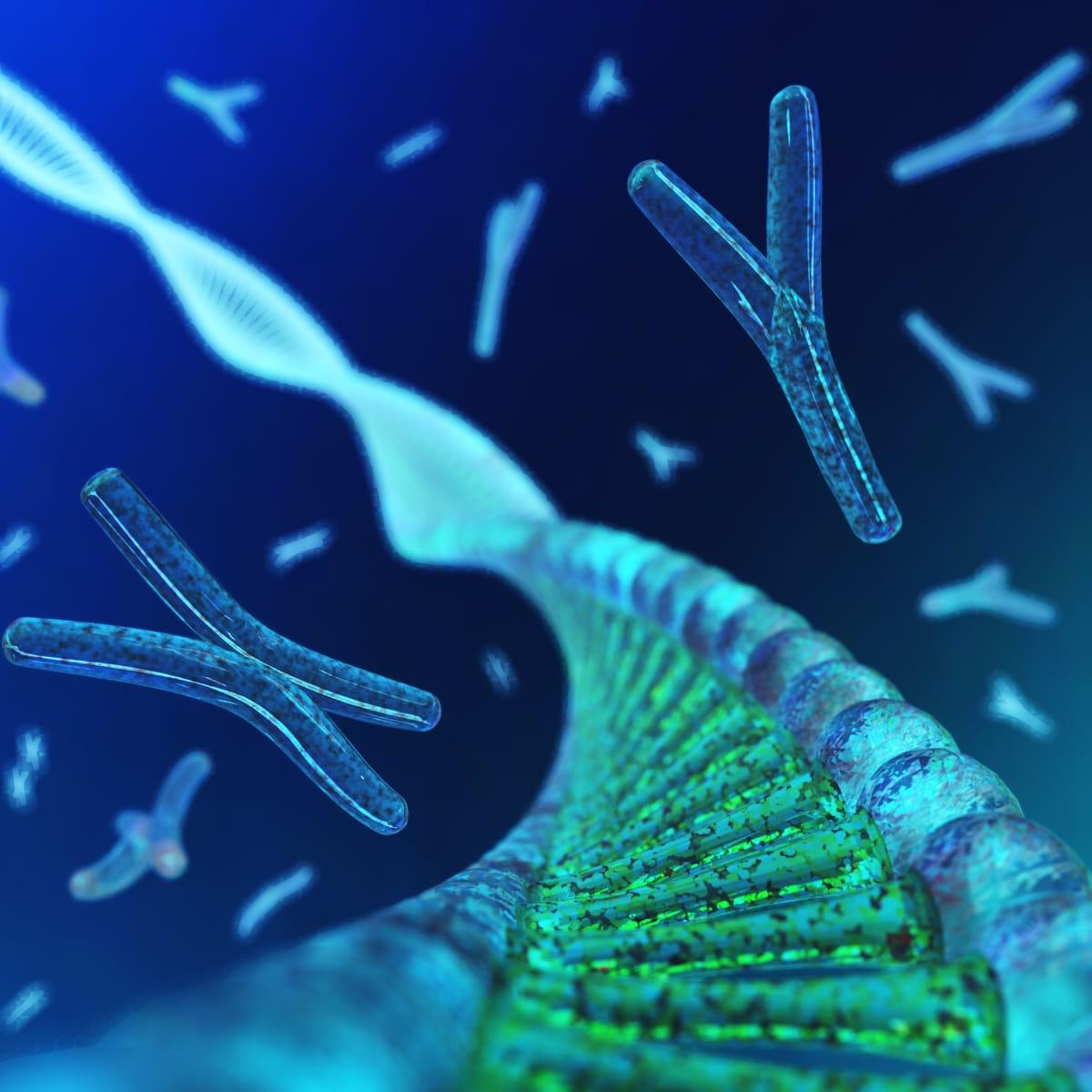
Telomeres are the protective caps at the ends of chromosomes that prevent DNA damage during cell division. Each time a cell divides, telomeres shorten. Shortened telomeres are a marker of cellular aging, and eventually, when they become too short, the cell can no longer divide.
High sugar intake has been linked to telomere shortening, which accelerates the aging process at the cellular level and increases the risk of age-related diseases.
4. Advanced Glycation End Products (AGEs)
When you consume sugar, especially in excess, sugar molecules can bind to proteins and fats in your body, forming compounds known as Advanced Glycation End Products (AGEs). These AGEs damage proteins, including collagen and elastin, which are crucial for skin and tissue elasticity.
AGEs accumulate over time and contribute to the loss of skin elasticity, wrinkles, and sagging, speeding up the visible signs of aging.
5. Mitochondrial Dysfunction
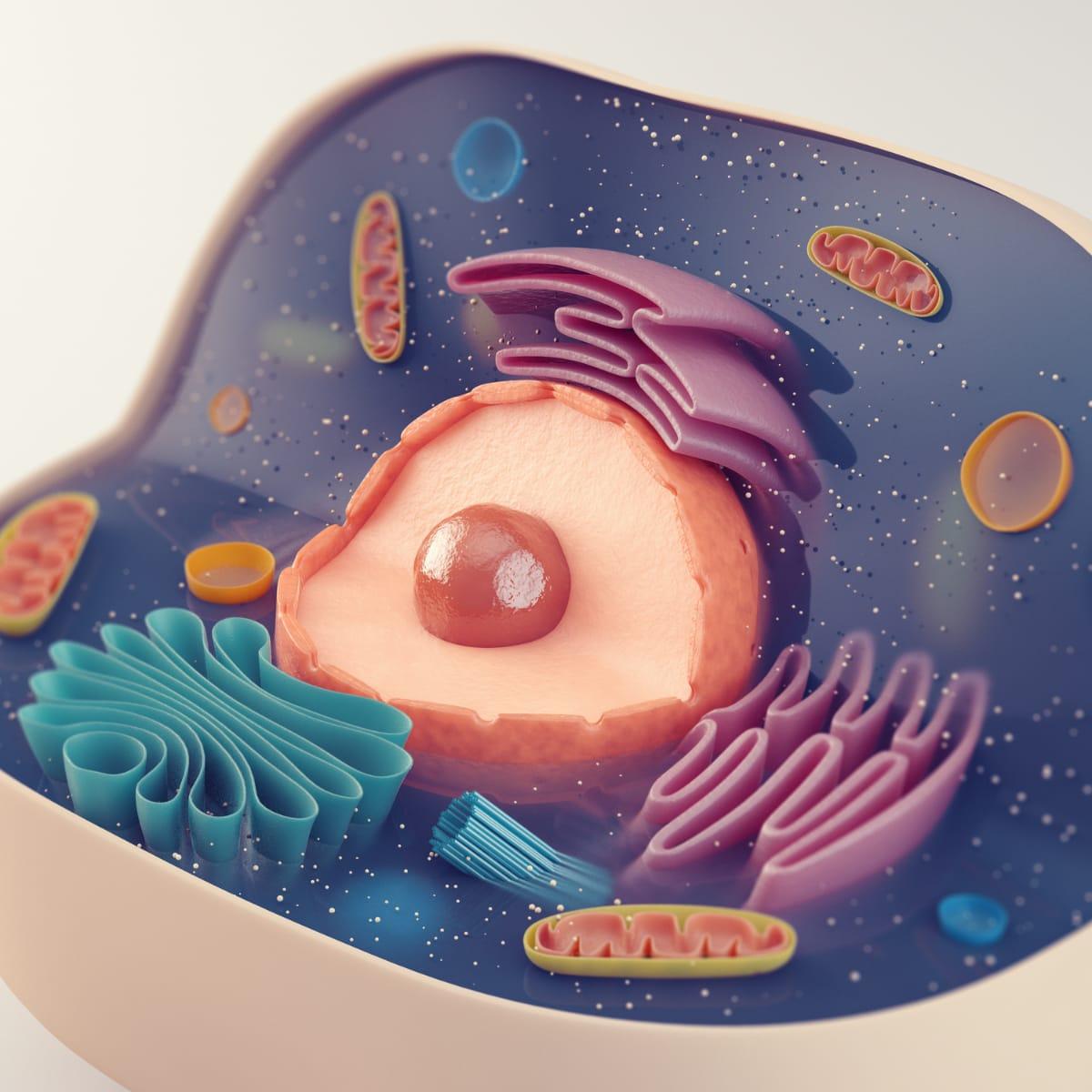
The mitochondria are the energy producers in your cells, and excess sugar can overwhelm them, leading to reduced efficiency and increased production of free radicals. Damaged mitochondria contribute to faster aging and reduced energy production.
6. Impaired Cellular Repair
The accumulation of AGEs and oxidative damage from high sugar intake impairs your body's ability to repair damaged cells. Over time, this accelerates aging because your cells can no longer keep up with the damage being done.
7. Impact on Stem Cells
Stem cells are essential for regenerating and repairing tissues. Excessive sugar consumption has been linked to reduced function and regeneration of stem cells, further limiting the body's ability to heal and renew itself as you age.
Does Cutting Back on Sugar Slow Aging?
By cutting back on sugar, you may help slow down cellular aging, protect your telomeres, and reduce inflammation and oxidative stress — key factors for healthier aging. Understanding this can help strengthen your resolve to resist sugar.
Personally, I've found that the more I resist, the easier it becomes each time. It's like building a self-control muscle.
In a follow-up post, I share some tips and tricks for reducing sugar intake!
Questions for the Trainer
If I were to purchase one piece of equipment, what would you recommend?
The best answer is simple: "The one you'll use." I always encourage people to choose exercises and equipment that they enjoy and can stick with.
One popular and versatile equipment option is the suspension trainer. This fitness tool consists of adjustable straps with handles that anchor to a sturdy point, like a door, beam, or tree. It allows you to perform resistance exercises using your own body weight. By changing your body position and the angle of the straps, you can target different muscle groups and adjust the difficulty of the exercises. It's an excellent tool for building strength, balance, and flexibility.

I use a name-brand suspension trainer with my clients, but there are also less expensive versions available that would be a great alternative!
If you have never used a suspension trainer and want to learn, I'd be happy to do an in-home session with you to show you the basics.
Kristen
Try the recipe: Here's a simple Mediterranean chickpea salad that's full of flavor and nutrients — get the recipe.
Sources
- Della Corte KW, Perrar I, Penczynski KJ, Schwingshackl L, Herder C, Buyken AE. Effect of dietary sugar intake on biomarkers of subclinical inflammation: a systematic review and meta-analysis of intervention studies. Nutrients. 2018;10(5):606. doi:10.3390/nu10050606 View source
- Brownlee M. Biochemistry and molecular cell biology of diabetic complications. Nature. 2001;414(6865):813-820. doi:10.1038/414813a View source
- Leung CW, Laraia BA, Needham BL, et al. Soda and cell aging: associations between sugar-sweetened beverage consumption and leukocyte telomere length in healthy adults from the National Health and Nutrition Examination Surveys. Am J Public Health. 2014;104(12):2425-2431. doi:10.2105/AJPH.2014.302151 View source
- Danby FW. Nutrition and aging skin: sugar and glycation. Clin Dermatol. 2010;28(4):409-411. doi:10.1016/j.clindermatol.2010.03.018 View source
- Uribarri J, Woodruff S, Goodman S, et al. Advanced glycation end products in foods and a practical guide to their reduction in the diet. J Am Diet Assoc. 2010;110(6):911-916.e12. doi:10.1016/j.jada.2010.03.018 View source
- Cramer C, Freisinger E, Jones RK, et al. Persistent high glucose concentrations alter the regenerative potential of mesenchymal stem cells. Stem Cells Dev. 2010;19(12):1875-1884. doi:10.1089/scd.2010.0009 View source
This article is for general education and isn't medical advice. Please talk with your doctor before starting a new exercise, nutrition or supplement routine. See our health disclaimer.


About the author
Kristen Nielsen
Kristen founded TogetherWON after watching what strength training could do for older adults — including her own grandparents. She's an ACE Certified Personal Trainer with 10+ years in functional aging, a University of Central Florida graduate, and a former Division I swimmer and track & field athlete.
Senior Fitness Specialist · Functional Aging Specialist · Parkinson's Disease Specialist · Brain Health Trainer · Corrective Exercise Specialist
want these in your inbox?
Get my Saturday letters
One idea for your body, brain or balance each week, usually with a recipe. Unsubscribe any time.
Keep reading
Body · Nutrition
GLP-1s and Muscle Loss: What Strength Training Can Do
A trainer's look at GLP-1 medications like Ozempic and Zepbound — how much lean mass is lost, and why strength training and protein matter.
August 22, 2026 · 4 min read
Nutrition
Essential Minerals for Older Adults and Food Sources
Calcium, magnesium, potassium, zinc and iron help muscles, nerves and bones work as we age. Here's where to find them in everyday foods, food first.
May 30, 2026 · 2 min read
Nutrition
How to Eat More Protein When You're Not Hungry
Low appetite, cost, chewing trouble, no time to cook or boredom can make protein hard to get after 60. Practical fixes for each, plus easy protein snacks.
May 9, 2026 · 3 min read