How to Cut Sugar Cravings: What Actually Works
By Kristen Nielsen, Founder & Senior Fitness Specialist
· Updated · Nutrition · 6 minute read


Part of our guide: Nutrition After 60: What to Eat to Stay Strong
Key takeaways
- To cut sugar cravings, eat enough protein and healthy fats, limit sugary drinks, read labels for hidden sugars and stay active. Many people notice fewer cravings within about 2 weeks.
- Cutting back is hard because sugar activates the brain's reward system, hides in many processed foods and causes blood sugar swings that drive more cravings.
- Expect cravings and irritability for the first few days; full adaptation can take 3 to 4 weeks.
What actually works to cut sugar cravings is eating enough protein and healthy fats, limiting sugary drinks, watching for hidden sugars and staying active, then giving your body a few weeks to adjust. It's one of the most useful changes you can make for nutrition after 60.
I've written about some of the harmful effects sugar has on our body at the cellular level. No one wants to speed up the aging process like that. But even when we understand the damage, we still find ways to justify it — because cutting back on sugar is hard. Really hard.
Why Is It So Hard to Cut Back on Sugar?
Cutting back on sugar is hard for a few main reasons:
Sugar is addictive. Sugar activates the brain's reward system, releasing "feel-good" chemicals like dopamine, which makes us feel happy. Over time, we start craving that sugar "high," similar to how people crave addictive substances like caffeine.
Energy quick fix. Sugar gives a quick burst of energy, which feels great in the moment. When our energy drops, our brain signals that we need more sugar to feel better, creating a cycle of craving sugar for that energy boost.
Hidden sugar. Many processed foods, even ones that seem healthy, like yogurt or sauces, contain added sugar. This makes it easy to consume more sugar without realizing it.
Habits and comfort. People often reach for sugary foods out of habit or for comfort, especially when feeling stressed, tired, or emotional. It becomes a psychological and emotional crutch.
Blood sugar swings. When we eat a lot of sugar, our blood sugar spikes and then crashes, leading to more cravings. This constant cycle of highs and lows makes it hard to break the habit.
In short, sugar affects our brain, energy levels, and emotions, making it tough to cut back, especially when it's hidden in so many foods!
What Are the Best Ways to Reduce Sugar Cravings?
These eight strategies help the most, starting with what's on your plate.
1. Focus on Healthy Fats and Protein
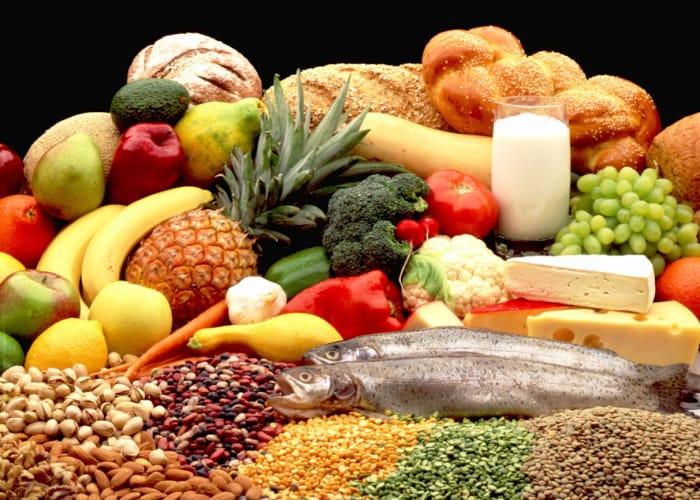
Including more healthy fats (like avocados, nuts, and olive oil) and proteins (such as chicken, fish, beans, and tofu) helps stabilize blood sugar levels and reduce sugar cravings. According to research published in The American Journal of Clinical Nutrition, older adults who consume adequate protein and healthy fats are less likely to experience intense sugar cravings, and they are better able to maintain muscle mass and support cognitive function. The average adult over 60 needs 1.0 to 1.2 grams of protein per kilogram of body weight per day to maintain muscle mass and overall health. If you are active and building muscle, you need even more.

2. Eat Nutrient-Dense Foods
Older adults often require fewer calories but still need the same (or even more) nutrients. In addition to getting enough protein and healthy fats, it's essential to prioritize nutrient-dense, low-sugar foods, such as vegetables, whole fruits (instead of juice), and whole grains. These foods help the body avoid blood sugar spikes, leading to fewer sugar cravings.
3. Watch for Hidden Sugars
Older adults should be mindful of hidden sugars in seemingly healthy foods like yogurt, granola bars, sauces, and even whole grain bread. A study published in Public Health Nutrition highlighted that older adults often consume high amounts of sugar through packaged and processed foods. Reading nutrition labels and identifying terms for added sugars (e.g., sucrose, glucose, high fructose corn syrup) is key to reducing sugar intake.
4. Limit Sugary Drinks
Sugary drinks like soda, fruit juice, and sweetened teas are major sources of added sugar. Research links these drinks to a higher risk of metabolic syndrome, diabetes, and poorer brain health, so cutting back on them is a smart move for older adults. To stay hydrated and avoid extra sugar, try water, herbal teas, or flavored water instead. When I'm craving something sweet, my favorite hot drink is this hot cocoa with stevia!
5. Use Low-Glycemic Sweeteners
For those who enjoy sweet flavors, using low-glycemic sweeteners like stevia or monk fruit can be an option to reduce sugar without causing sharp spikes in blood sugar.
Sweeteners such as saccharin, aspartame, and sucralose are approved by the FDA, but their long-term health effects are still being debated. I prefer to opt for natural alternatives like stevia, monk fruit, or small amounts of honey or real maple syrup in moderation.
6. Stay Physically Active
Regular physical activity helps regulate blood sugar and reduce sugar cravings. Resistance and aerobic training improve insulin sensitivity and blood glucose control, reducing the need for sugary snacks. A study in The Journal of Gerontology found that older adults who exercise make healthier dietary choices, including less sugar. Even a short walk after a meal can quickly lower blood sugar levels, reducing the chance of a "sugar crash" later on (here are more ways to avoid blood sugar spikes). If you'd like a plan to follow at home, online personal training is an easy way to get started.
7. Address Emotional Eating
Older adults may sometimes eat sugary foods for emotional comfort, especially if dealing with loneliness, stress, or changes in health. A study in The International Journal of Geriatric Psychiatry showed that emotional eating is more common in older adults dealing with isolation or depression, and interventions that address emotional health can reduce sugar cravings.
8. Think About What You Eat
One strategy that has helped both me and my clients is practicing mindfulness with food choices. If you're struggling to cut back on sugar, try keeping a food journal. Writing down what you plan to eat before you eat it creates a moment of reflection, helping you make more thoughtful decisions rather than acting on impulse.
Another helpful strategy is to think about what's happening in your body as you eat a sugary treat. When you consider the effort your body has to make to process the sugar — and how that affects your health over time — you might decide it's better to give your body a break and skip the sugar!
How Long Do Sugar Cravings Last When You Cut Back?
Most people notice fewer cravings within about 2 weeks, and full adaptation can take 3 to 4 weeks. Many people experience discomfort when they first cut back on sugar and may give up too soon. It typically takes about 1–2 weeks for the body to start adapting. If you experience symptoms of "sugar withdrawal," don't let that discourage you. Here's what you can anticipate as you begin your journey to reduce sugar intake:
First few days (1–3 days). You may experience strong cravings, irritability, fatigue, and even headaches as your body adjusts to not getting quick energy from sugar. This is often referred to as "sugar withdrawal."
Around 1 week. Cravings begin to decrease, and your energy levels may start to stabilize as your body learns to rely on healthier sources of energy, like complex carbohydrates, fats, and proteins.
2 weeks and beyond. By this point, many people feel reduced sugar cravings, improved mood, more stable energy levels, and fewer blood sugar spikes. Taste preferences may also change, making naturally sweet foods like fruit taste sweeter.
Full adaptation can take 3 to 4 weeks, but many people notice improvements within the first 2 weeks. The experience varies for each person, depending on factors like previous sugar intake and overall dietary habits.
Be Patient With Yourself
Cutting back on sugar is challenging, but with the tips in this post, you'll start seeing real progress. If you have a tough day, don't get discouraged — it's part of the journey.

Remember, you're in control, and you have the power to make this change! Stay committed, and success will follow.
Kristen
Try the recipe: Here's the low-sugar hot cocoa I make when I'm craving a warm, sweet drink — get the recipe.
Sources
- Westwater ML, Fletcher PC, Ziauddeen H. Sugar addiction: the state of the science. Eur J Nutr. 2016;55(suppl 2):55-69. doi:10.1007/s00394-016-1229-6 View source
- Avena NM, Rada P, Hoebel BG. Evidence for sugar addiction: behavioral and neurochemical effects of intermittent, excessive sugar intake. Neurosci Biobehav Rev. 2008;32(1):20-39. doi:10.1016/j.neubiorev.2007.04.019 View source
- Bauer J, Biolo G, Cederholm T, et al. Evidence-based recommendations for optimal dietary protein intake in older people: a position paper from the PROT-AGE Study Group. J Am Med Dir Assoc. 2013;14(8):542-559. doi:10.1016/j.jamda.2013.05.021 View source
- Choi YJ, Crimmins EM, Kim JK, Ailshire JA. Food and nutrient intake and diet quality among older Americans. Public Health Nutr. 2021;24(7):1638-1647. doi:10.1017/S1368980021000586 View source
- Malik VS, Popkin BM, Bray GA, Després JP, Willett WC, Hu FB. Sugar-sweetened beverages and risk of metabolic syndrome and type 2 diabetes: a meta-analysis. Diabetes Care. 2010;33(11):2477-2483. doi:10.2337/dc10-1079 View source
- Pase MP, Himali JJ, Jacques PF, et al. Sugary beverage intake and preclinical Alzheimer's disease in the community. Alzheimers Dement. 2017;13(9):955-964. doi:10.1016/j.jalz.2017.01.024 View source
- US Food and Drug Administration. Aspartame and other sweeteners in food. FDA; accessed 2026. View source
- World Health Organization. Use of Non-Sugar Sweeteners: WHO Guideline. WHO; 2023. View source
- Riboli E, Beland FA, Lachenmeier DW, et al. Carcinogenicity of aspartame, methyleugenol, and isoeugenol. Lancet Oncol. 2023;24(8):848-850. doi:10.1016/S1470-2045(23)00341-8 View source
- Colberg SR, Sigal RJ, Yardley JE, et al. Physical activity/exercise and diabetes: a position statement of the American Diabetes Association. Diabetes Care. 2016;39(11):2065-2079. doi:10.2337/dc16-1728 View source
- Buffey AJ, Herring MP, Langley CK, Donnelly AE, Carson BP. The acute effects of interrupting prolonged sitting time in adults with standing and light-intensity walking on biomarkers of cardiometabolic health in adults: a systematic review and meta-analysis. Sports Med. 2022;52(8):1765-1787. doi:10.1007/s40279-022-01649-4 View source
This article is for general education and isn't medical advice. Please talk with your doctor before starting a new exercise, nutrition or supplement routine. See our health disclaimer.


About the author
Kristen Nielsen
Kristen founded TogetherWON after watching what strength training could do for older adults — including her own grandparents. She's an ACE Certified Personal Trainer with 10+ years in functional aging, a University of Central Florida graduate, and a former Division I swimmer and track & field athlete.
Senior Fitness Specialist · Functional Aging Specialist · Parkinson's Disease Specialist · Brain Health Trainer · Corrective Exercise Specialist
want these in your inbox?
Get my Saturday letters
One idea for your body, brain or balance each week, usually with a recipe. Unsubscribe any time.
Keep reading
Body · Nutrition
GLP-1s and Muscle Loss: What Strength Training Can Do
A trainer's look at GLP-1 medications like Ozempic and Zepbound — how much lean mass is lost, and why strength training and protein matter.
August 22, 2026 · 4 min read
Nutrition
Essential Minerals for Older Adults and Food Sources
Calcium, magnesium, potassium, zinc and iron help muscles, nerves and bones work as we age. Here's where to find them in everyday foods, food first.
May 30, 2026 · 2 min read

Nutrition
How to Eat More Protein When You're Not Hungry
Low appetite, cost, chewing trouble, no time to cook or boredom can make protein hard to get after 60. Practical fixes for each, plus easy protein snacks.
May 9, 2026 · 3 min read