How to Avoid Blood Sugar Spikes: Simple Glucose Tips
By Kristen Nielsen, Founder & Senior Fitness Specialist
· Updated · Nutrition & Body · 3 minute read

Part of our guide: Nutrition After 60: What to Eat to Stay Strong
Key takeaways
- To avoid blood sugar spikes, eat vegetables or protein before starches, pair carbs with protein or healthy fat, and move for about 10 minutes after meals.
- How you eat, not just what you eat, changes how your body responds to sugar, so small shifts can mean steadier energy and fewer cravings.
- In one study, 10 minutes of walking after each meal lowered post-meal blood sugar more than a single 30-minute walk each day. A few sit-to-stands count too.
- Strength training turns your muscles into glucose sponges, helping regulate blood sugar naturally.
The simplest way to avoid blood sugar spikes is to change how you eat, not just what you eat: eat your vegetables or protein first, pair carbs with protein or fat, and move for a few minutes after meals. These small habits are a big part of nutrition after 60, and they can change the way your body responds to sugar. (I've also written about how to cut sugar cravings and what sugar does to your body as you age.)
I often recommend the book Glucose Revolution by biochemist Jessie Inchauspé. In this bestselling book, she explains how managing "glucose spikes" can improve energy, reduce cravings, and protect long-term health.
Why Do Blood Sugar Spikes Matter?
Big blood sugar spikes matter because of what happens next. When we eat starches or sugars, our blood glucose rises. A small rise is normal — our body uses that glucose for energy. But a big spike does more harm than good:
- It forces the body to release a surge of insulin.
- That insulin tells our body to store extra sugar as fat.
- The rapid drop that follows leaves us tired, hungry, and craving more sugar.
Over time, repeated spikes contribute to weight gain, inflammation, and higher risks of conditions like diabetes, heart disease, and cognitive decline.
The good news? Even small shifts in how we eat and move can flatten those spikes — leading to steadier energy, better moods, and stronger long-term health.

How Can You Eat to Avoid Blood Sugar Spikes?
These practical hacks from the book are a great place to start:
- Order matters. Eating vegetables or protein before starches slows the release of sugar.
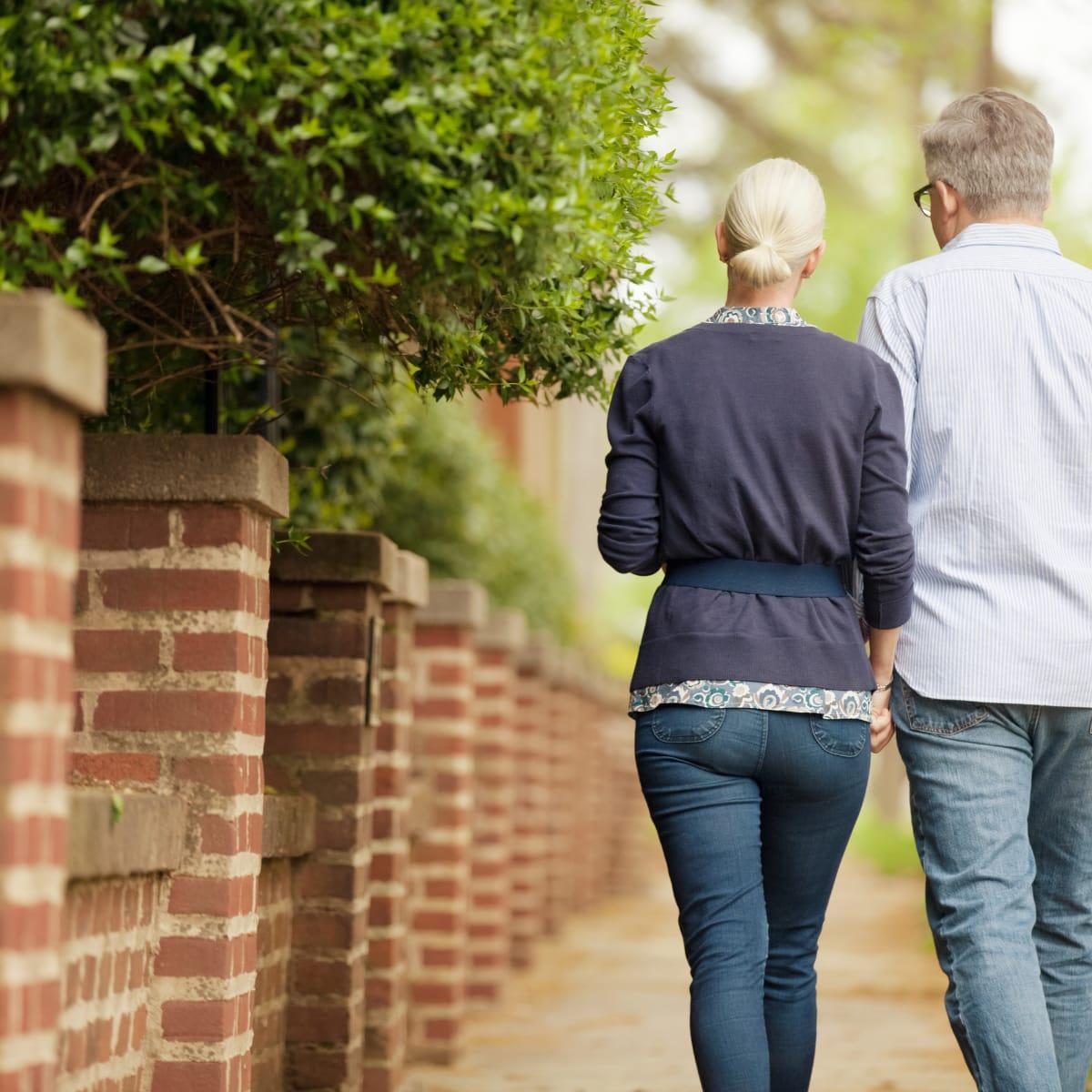
- Move after meals. A 10-minute walk or light activity after eating helps muscles absorb glucose.
- Pair smartly. Combining carbs with protein, fiber, or healthy fats keeps blood sugar steady.
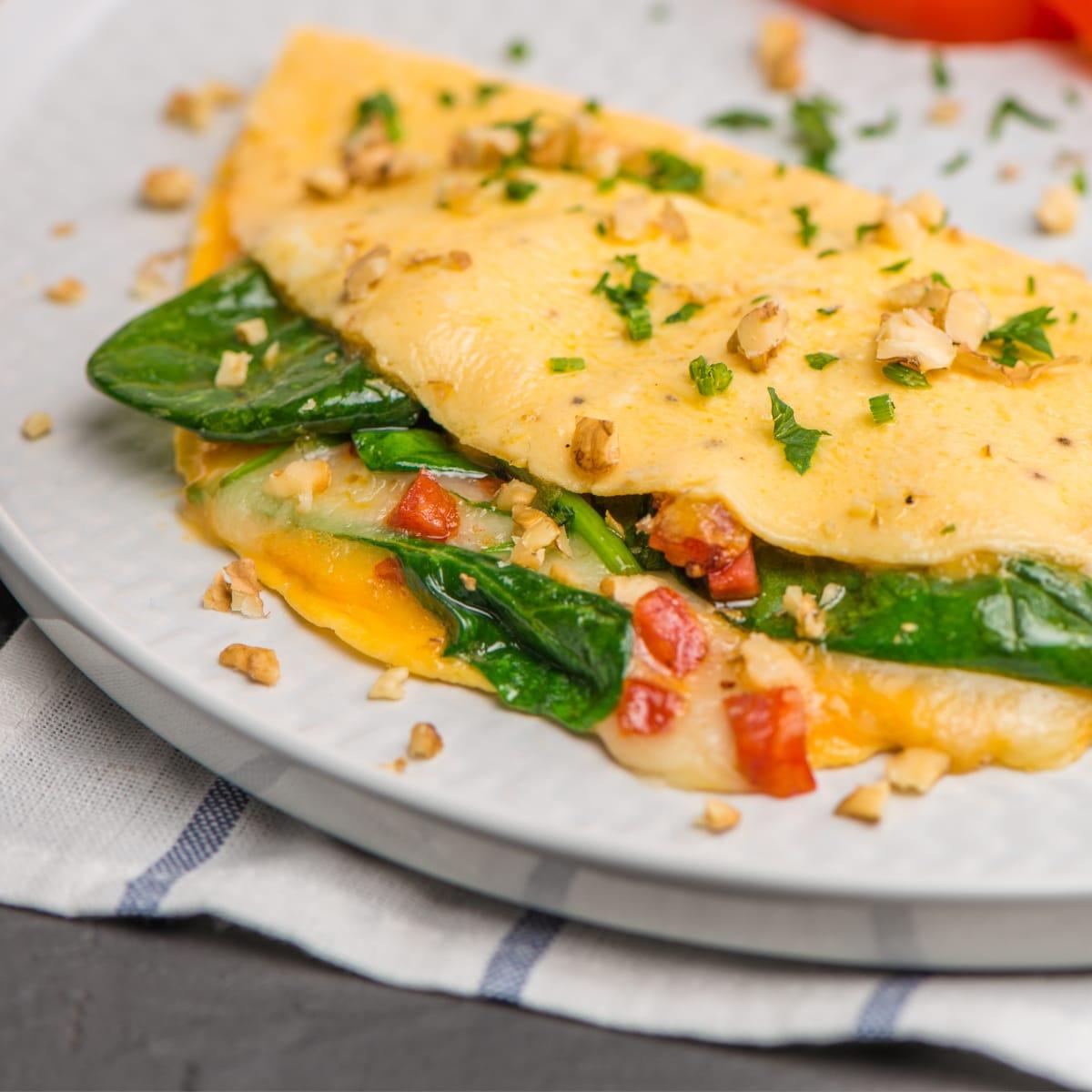
- Start the day right. A savory breakfast (like eggs and avocado) avoids the morning sugar crash.

Does Walking After Meals Lower Blood Sugar?
Yes. Of all these hacks, moving after meals is the one I come back to most often with clients.
Most people sit after meals. It feels natural. But research shows that even light movement after eating can significantly reduce blood sugar spikes. In fact, a study published in Diabetes Care (DiPietro et al., 2013) found that short bouts of walking after meals were actually more effective at lowering the after-dinner blood sugar rise than one longer walk earlier in the day.
And it doesn't take much. In another study published in Diabetologia (Reynolds et al., 2016), just 10 minutes of walking after each meal lowered post-meal blood sugar more than a single 30-minute walk each day.
That could be a short walk, a few sit-to-stands, light band exercises, or even just moving around the house. It doesn't have to be perfect. It just has to be something. (Short exercise snacks are perfect for this.)
While structured workouts are important, what you do throughout the rest of your day matters just as much. These small windows of movement can have a big impact over time.
How Does Strength Training Help Blood Sugar?
Strength training helps because working muscles pull glucose out of your blood. In in-home personal training, I focus on the full picture of health:
- Strength training turns muscles into powerful glucose sponges, helping regulate blood sugar naturally.
- Balance and movement training keeps the body active and resilient, making daily "glucose hacks" like post-meal walks easier to do.
- Nutrition guidance ties it together — because strong muscles and smart eating create lasting independence.
Try One Glucose Hack a Day
For the next week, try one "glucose hack" every day:
- Eat veggies before carbs at dinner.
- Take a short walk after lunch, or just don't sit right away after a meal.
- Add a handful of nuts or avocado to your meal.
Notice how you feel — your energy, focus, and cravings might surprise you.
Recommended Reading
If this topic interests you, I highly recommend Jessie Inchauspé's book Glucose Revolution. It's a simple, science-backed guide to eating in a way that balances blood sugar and transforms health — without cutting out the foods you love.
Kristen
Try the recipe: For a savory breakfast that keeps blood sugar steady, try my veggie & egg scramble with avocado — get the recipe.
Sources
- Inchauspé J. Glucose Revolution: The Life-Changing Power of Balancing Your Blood Sugar. Simon & Schuster; 2022.
- Shukla AP, Iliescu RG, Thomas CE, Aronne LJ. Food order has a significant impact on postprandial glucose and insulin levels. Diabetes Care. 2015;38(7):e98-e99. View source
- DiPietro L, Gribok A, Stevens MS, Hamm LF, Rumpler W. Three 15-min bouts of moderate postmeal walking significantly improves 24-h glycemic control in older people at risk for impaired glucose tolerance. Diabetes Care. 2013;36(10):3262-3268. View source
- Reynolds AN, Mann JI, Williams S, Venn BJ. Advice to walk after meals is more effective for lowering postprandial glycaemia in type 2 diabetes mellitus than advice that does not specify timing: a randomised crossover study. Diabetologia. 2016;59(12):2572-2578. View source
- Buffey AJ, Herring MP, Langley CK, Donnelly AE, Carson BP. The acute effects of interrupting prolonged sitting time in adults with standing and light-intensity walking on biomarkers of cardiometabolic health in adults: a systematic review and meta-analysis. Sports Med. 2022;52(8):1765-1787. View source
- Wyatt P, Berry SE, Finlayson G, et al. Postprandial glycaemic dips predict appetite and energy intake in healthy individuals. Nat Metab. 2021;3(4):523-529. View source
- Colberg SR, Sigal RJ, Yardley JE, et al. Physical activity/exercise and diabetes: a position statement of the American Diabetes Association. Diabetes Care. 2016;39(11):2065-2079. View source
This article is for general education and isn't medical advice. Please talk with your doctor before starting a new exercise, nutrition or supplement routine. See our health disclaimer.

About the author
Kristen Nielsen
Kristen founded TogetherWON after watching what strength training could do for older adults — including her own grandparents. She's an ACE Certified Personal Trainer with 10+ years in functional aging, a University of Central Florida graduate, and a former Division I swimmer and track & field athlete.
Senior Fitness Specialist · Functional Aging Specialist · Parkinson's Disease Specialist · Brain Health Trainer · Corrective Exercise Specialist
want these in your inbox?
Get my Saturday letters
One idea for your body, brain or balance each week, usually with a recipe. Unsubscribe any time.
Keep reading
Body · Nutrition
GLP-1s and Muscle Loss: What Strength Training Can Do
A trainer's look at GLP-1 medications like Ozempic and Zepbound — how much lean mass is lost, and why strength training and protein matter.
August 22, 2026 · 4 min read
Body · Nutrition
The COMB Study: Can Supplements Raise Bone Density?
What the COMB micronutrient study found about bone density, and how resistance training, impact exercise and balance work can build on it.
May 31, 2025 · 3 min read

Nutrition · Body
Vitamin D and Muscle Strength in Older Adults
Vitamin D is linked to muscle strength, physical performance, immunity and mood as we age. What the research shows, safe dosing and the best food sources.
May 17, 2025 · 3 min read