Vitamin D and Muscle Strength in Older Adults
By Kristen Nielsen, Founder & Senior Fitness Specialist
· Updated · Nutrition & Body · 3 minute read


Part of our guide: Nutrition After 60: What to Eat to Stay Strong
Key takeaways
- Vitamin D affects muscle strength: older adults with adequate levels tend to have better lower-body strength, balance and physical performance than those who are deficient.
- Beyond muscles, vitamin D supports immune function and mood, which affect your energy and motivation to keep moving.
- Many adults over 50 are low in vitamin D, so ask your provider about testing your 25(OH)D level and the right dose if you supplement.
- Salmon, cod liver oil, UV-exposed mushrooms, egg yolks and fortified milk can help support healthy levels alongside safe time outdoors.
Vitamin D matters for your muscles, not just your bones: older adults with healthy vitamin D levels tend to be stronger, steadier on their feet and better at everyday physical tasks. It's one piece of nutrition after 60 I don't want anyone to overlook.
Does Vitamin D Affect Muscle Strength?
Yes, research links vitamin D to muscle strength, balance and physical performance. When we think about strength and fitness, most of us focus on movement, protein, and consistency. But there's one often-overlooked nutrient that quietly powers your progress: vitamin D.
Known as the "sunshine vitamin," vitamin D does a lot more than support bone health. It plays a critical role in muscle strength, balance, immune function, and even mood — all of which are essential for staying active and independent, especially as we age.
What Does the Research Say About Vitamin D and Strength?
Studies link adequate vitamin D to better strength, balance and physical function, though supplements haven't consistently prevented falls.
- Stronger muscles and better balance. A 2007 study published in the Journal of Gerontology found that older adults with adequate vitamin D levels had significantly better lower-body strength and balance compared to those who were deficient.
- Reduced risk of falls. According to a 2009 meta-analysis in BMJ, daily vitamin D supplementation of 700–1,000 IU reduced fall risk in older adults by 19%. Newer large trials, however, have not found fewer falls in healthy older adults living at home.
- Improved physical performance. A 2004 study in the American Journal of Clinical Nutrition showed that adults over 60 with higher vitamin D levels performed better in physical function tests — like walking speed and chair stands.
- Immune and mood support. Vitamin D receptors are found in immune cells and the brain. Studies suggest low levels are associated with increased risk of infections and depressive symptoms. This can affect your energy, motivation, and ability to stay consistent with movement.
How Do You Know If You're Low in Vitamin D?
The only way to know for sure is a blood test for 25(OH)D. Even in sunny climates, many adults — especially those over 50 — are low in vitamin D. Between indoor lifestyles, sunscreen, and reduced skin production with age, it's easy to fall below optimal levels.
What to do:
- Get your levels tested (look for 25(OH)D on a blood panel)
- Talk with your provider about the right blood level for you. The NIH considers 20 ng/mL or higher sufficient for most people.
- Supplement with D3 (often paired with K2) if needed — talk with your doctor about the right dose (I cover this more in my post on supplements over 60). The NIH upper limit for adults is 4,000 IU per day.
- Safely spend time outdoors when possible
What Foods Are High in Vitamin D?
Fatty fish like salmon, cod liver oil, UV-exposed mushrooms, egg yolks and fortified milk are some of the best food sources. While sunlight is a great source of vitamin D, certain foods can help support healthy levels — especially during the winter or if you avoid sun exposure.
Here are some top vitamin D–rich foods to add to your meals (vitamin D per serving):
- Wild-caught salmon (3.5 oz): 500–1,000 IU
- Sardines (2 small fish): ~50 IU
- Cod liver oil (1 tsp): ~450 IU
- Egg yolks (1 yolk): ~40–50 IU
- Mushrooms (UV-exposed): 300–400 IU
- Fortified milk (1 cup): ~100 IU
- Fortified orange juice (1 cup): ~100 IU
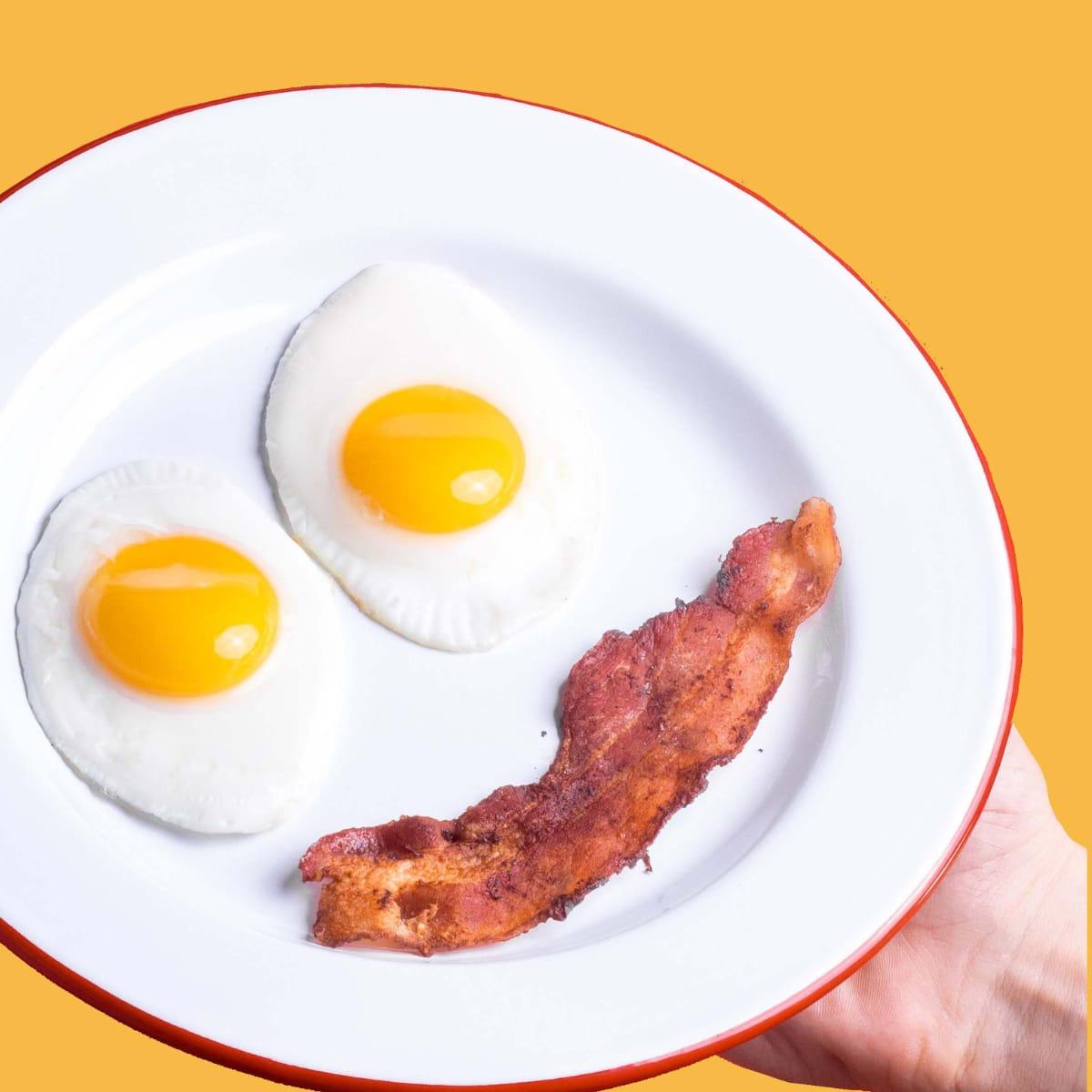
Tip: Look for UV-exposed mushrooms and pasture-raised eggs for higher natural vitamin D content. If your diet is limited or you're deficient, supplementation may still be necessary.
Vitamin D, Strength and Staying Independent
Vitamin D is more than a wellness trend — it's a foundational nutrient that supports your ability to move, recover, and stay independent. Optimizing this one piece can improve how your whole body functions, especially when you pair it with regular strength work, whether on your own or with in-home personal training.
Make sure your body, brain, and balance are supported from the inside out!
Kristen
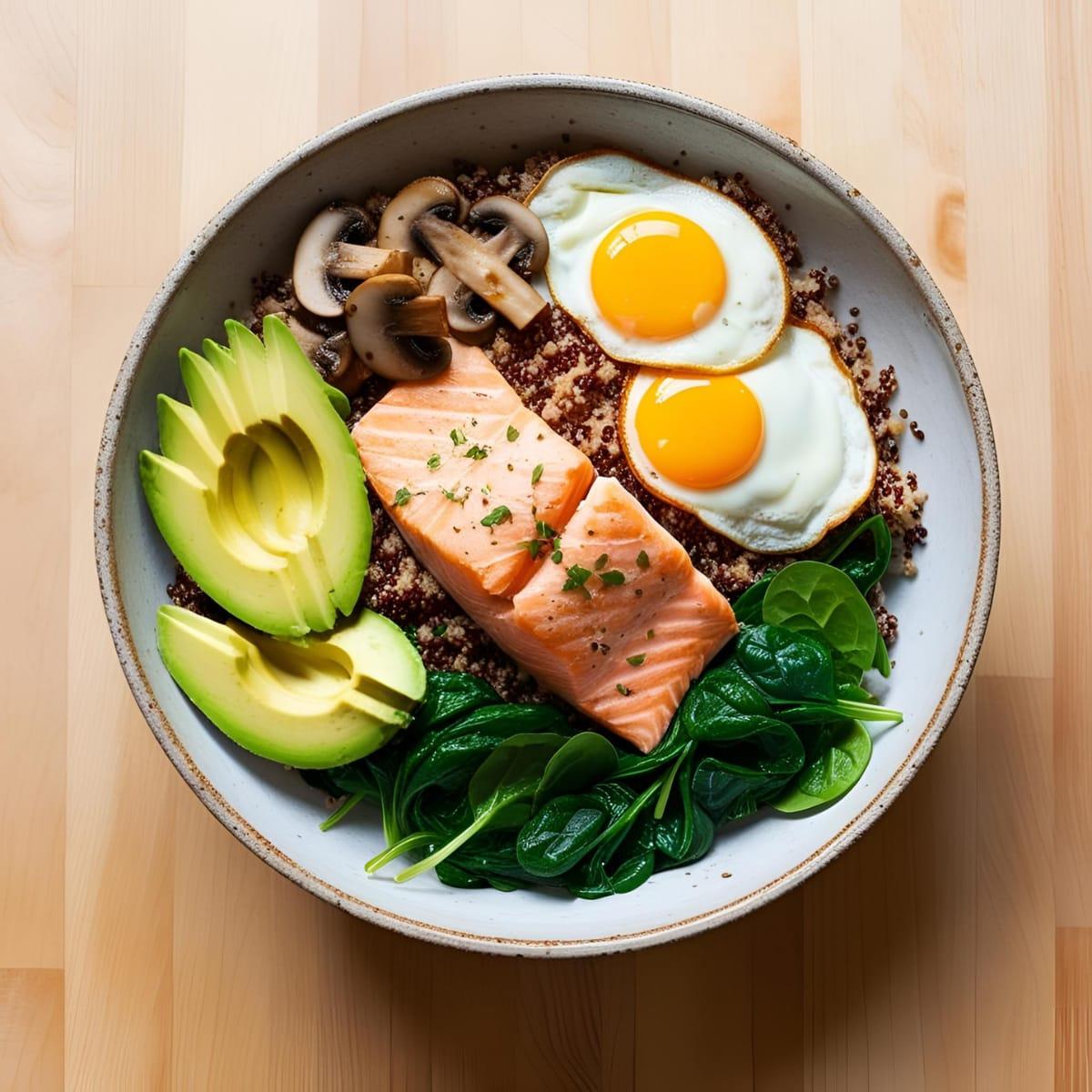
Try the recipe: This salmon and mushroom power bowl is packed with vitamin D, protein, healthy fats and fiber — get the recipe.
Sources
- Houston DK, Cesari M, Ferrucci L, et al. Association between vitamin D status and physical performance: the InCHIANTI study. J Gerontol A Biol Sci Med Sci. 2007;62(4):440-446. View source
- Bischoff-Ferrari HA, Dawson-Hughes B, Staehelin HB, et al. Fall prevention with supplemental and active forms of vitamin D: a meta-analysis of randomised controlled trials. BMJ. 2009;339:b3692. View source
- US Preventive Services Task Force; Nicholson WK, Silverstein M, Wong JB, et al. Interventions to prevent falls in community-dwelling older adults: US Preventive Services Task Force recommendation statement. JAMA. 2024;332(1):51-57. View source
- LeBoff MS, Murata EM, Cook NR, et al. VITamin D and OmegA-3 TriaL (VITAL): effects of vitamin D supplements on risk of falls in the US population. J Clin Endocrinol Metab. 2020;105(9):2929-2938. View source
- Bischoff-Ferrari HA, Dietrich T, Orav EJ, et al. Higher 25-hydroxyvitamin D concentrations are associated with better lower-extremity function in both active and inactive persons aged ≥60 y. Am J Clin Nutr. 2004;80(3):752-758. View source
- Martineau AR, Jolliffe DA, Hooper RL, et al. Vitamin D supplementation to prevent acute respiratory tract infections: systematic review and meta-analysis of individual participant data. BMJ. 2017;356:i6583. View source
- Anglin RE, Samaan Z, Walter SD, McDonald SD. Vitamin D deficiency and depression in adults: systematic review and meta-analysis. Br J Psychiatry. 2013;202:100-107. View source
- National Institutes of Health Office of Dietary Supplements. Vitamin D: fact sheet for health professionals. Accessed September 2026. View source
- Demay MB, Pittas AG, Bikle DD, et al. Vitamin D for the prevention of disease: an Endocrine Society clinical practice guideline. J Clin Endocrinol Metab. 2024;109(8):1907-1947. View source
This article is for general education and isn't medical advice. Please talk with your doctor before starting a new exercise, nutrition or supplement routine. See our health disclaimer.

About the author
Kristen Nielsen
Kristen founded TogetherWON after watching what strength training could do for older adults — including her own grandparents. She's an ACE Certified Personal Trainer with 10+ years in functional aging, a University of Central Florida graduate, and a former Division I swimmer and track & field athlete.
Senior Fitness Specialist · Functional Aging Specialist · Parkinson's Disease Specialist · Brain Health Trainer · Corrective Exercise Specialist
want these in your inbox?
Get my Saturday letters
One idea for your body, brain or balance each week, usually with a recipe. Unsubscribe any time.
Keep reading
Body · Nutrition
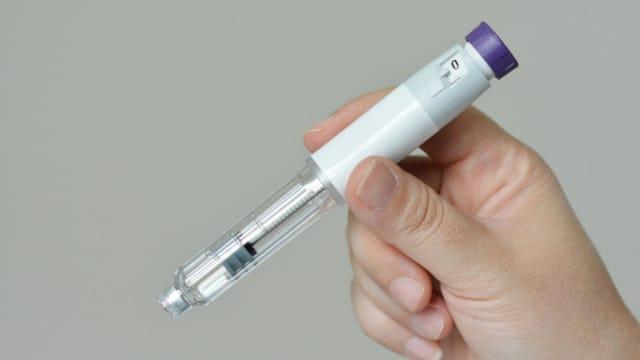
GLP-1s and Muscle Loss: What Strength Training Can Do
A trainer's look at GLP-1 medications like Ozempic and Zepbound — how much lean mass is lost, and why strength training and protein matter.
August 22, 2026 · 4 min read

Nutrition · Body
How to Avoid Blood Sugar Spikes: Simple Glucose Tips
How you eat, not just what you eat, shapes blood sugar. Simple glucose hacks like veggies first and a walk after meals can steady energy and cut cravings.
September 13, 2025 · 3 min read

Body · Nutrition
The COMB Study: Can Supplements Raise Bone Density?
What the COMB micronutrient study found about bone density, and how resistance training, impact exercise and balance work can build on it.
May 31, 2025 · 3 min read