Inflammation and Brain Health: Natural Ways to Lower It
By Kristen Nielsen, Founder & Senior Fitness Specialist
· Updated · Brain & Nutrition · 3 minute read
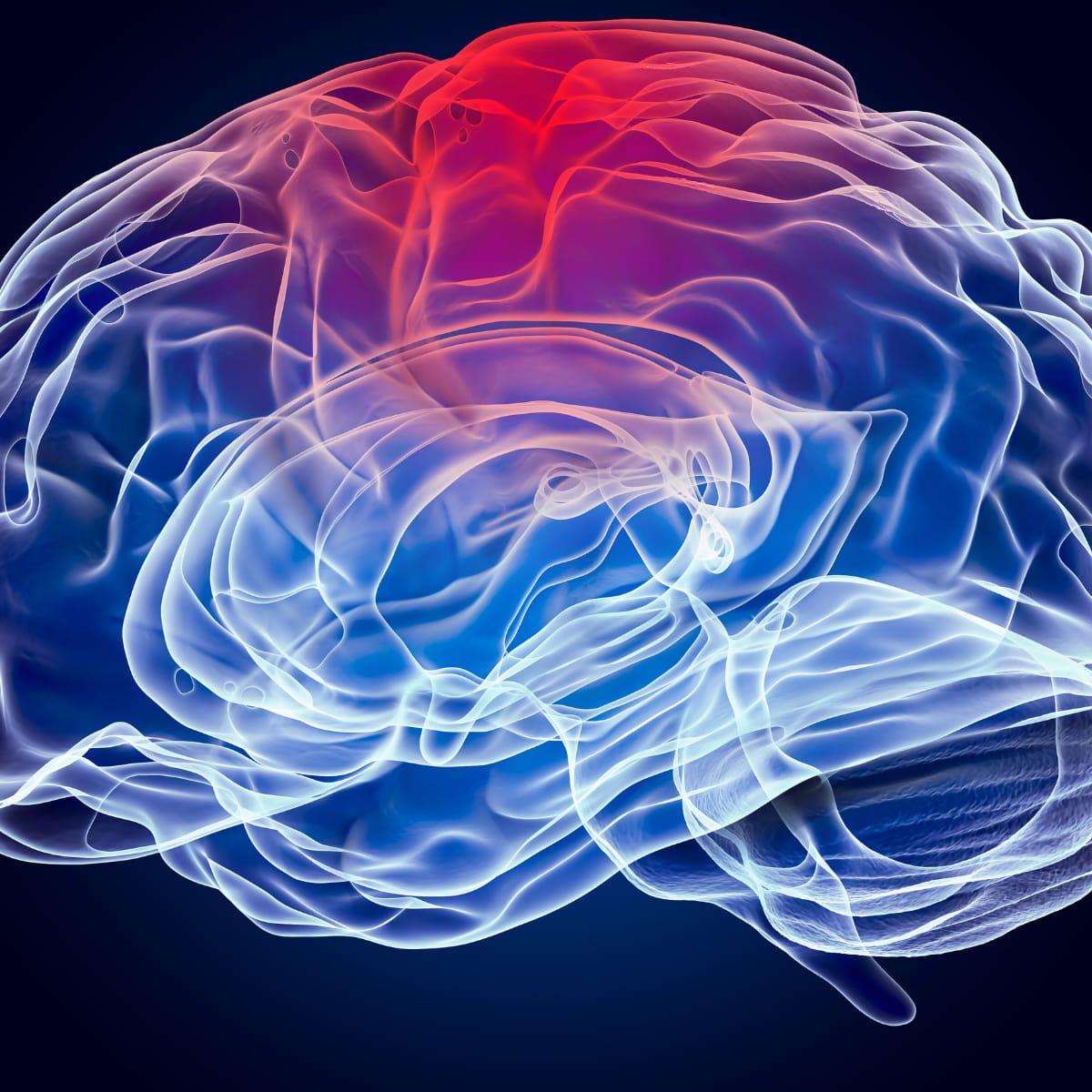

Part of our guide: Exercise for Brain Health After 60
Key takeaways
- You can lower inflammation naturally with colorful fruits, leafy greens and healthy fats, at least 150 minutes of activity a week, 7 to 9 hours of sleep and stress management.
- Chronic inflammation is linked to heart disease, diabetes and arthritis, and growing evidence connects it to brain aging and dementia.
- Quality sleep, stress management and cutting back on processed foods, sugary drinks, excessive alcohol and smoking also help keep inflammation in check.
You can lower chronic inflammation naturally with anti-inflammatory foods, regular exercise, good sleep and stress management, and your brain is one of the biggest winners. That's a big part of why exercise for brain health works.
Inflammation is often talked about in relation to heart health or arthritis, but its impact on brain health is just as critical — especially as we age. In my work with clients, I frequently emphasize the importance of understanding inflammation because it's a hidden factor that can affect memory, focus, and overall cognitive function.
One resource I often recommend is Dr. Heather Sandison's book, Reversing Alzheimer's. It offers insightful, research-backed guidance on how lifestyle changes can influence brain health and inflammation.
What Is Inflammation?
Inflammation is your body's natural defense system. When you experience injury or infection, your immune system triggers inflammation to protect and heal the affected area. This short-term response, called acute inflammation, is essential for recovery.
However, when inflammation persists over a long period, it becomes chronic inflammation — a silent and harmful state that can damage tissues and organs without obvious symptoms.
How Does Chronic Inflammation Affect the Brain?
Increasing evidence suggests chronic inflammation plays a key role in brain health and is connected to neurodegenerative diseases such as dementia. It's also linked to many common health conditions, including heart disease, diabetes, arthritis, and certain cancers.
According to the World Health Organization, about 57 million people worldwide were living with dementia in 2021, and researchers expect this number to nearly triple by 2050.
Chronic inflammation contributes to the progression of dementia by promoting brain cell damage and interfering with normal brain function.
What Does Research Say About Inflammation and Dementia?
Research suggests inflammation helps drive the brain changes seen in Alzheimer's disease. A landmark study published in the journal Nature Communications (2018) by researchers at the University of Edinburgh found that inflammatory proteins called cytokines were elevated in the brains of patients with Alzheimer's disease, exacerbating the buildup of harmful plaques and tangles that impair brain function.
As integrative medicine expert Dr. Heather Sandison explains:
"Chronic inflammation is one of the key drivers of brain aging and neurodegenerative diseases such as Alzheimer's. Addressing inflammation through diet, stress management, and physical activity is essential for maintaining cognitive function and overall brain health."
How Can You Lower Inflammation Naturally?
Food, movement, sleep and stress management all help.
Eat Anti-Inflammatory Foods
- Brightly colored fruits like blueberries, cherries, and oranges provide antioxidants that combat inflammation.
- Leafy greens such as spinach, kale, and Swiss chard are rich in anti-inflammatory nutrients.
- Healthy fats from olive oil, walnuts, flaxseeds, and fatty fish (like salmon and mackerel) support both heart and brain health.
- Spices such as turmeric and ginger contain compounds that actively reduce inflammation.
Stay Physically Active
- Regular exercise lowers inflammatory markers in the body. Aim for at least 150 minutes of activity weekly, such as brisk walking, cycling, swimming, and strength training.
- Physical activity also promotes brain health by increasing blood flow and supporting new brain cell growth.
Get Quality Sleep
- Inadequate or poor-quality sleep can increase inflammation (here's what sleep does for your body). Adults should strive for 7 to 9 hours of restful sleep each night (7 to 8 hours for adults 65 and older) to maintain a healthy immune system.
Manage Stress Effectively
- Chronic stress raises inflammation through hormonal pathways. Incorporate relaxation techniques or spend time in nature to keep stress in check.
Avoid Inflammatory Triggers
- Reduce consumption of processed foods, sugary drinks, excessive alcohol, and avoid smoking, all of which promote inflammation.
Bonus Tip: Stay Hydrated
Adequate hydration supports your body's natural healing processes. Here's how much water seniors should drink.
Body, Brain & Balance
As TogetherWON has evolved, I've embraced my Body, Brain & Balance framework in training clients, whether in their homes or in small group training. My approach goes beyond building physical strength to include exercises and habits that nurture brain health and overall well-being. By naturally addressing inflammation through movement, nutrition, and stress management, I help clients strengthen not only their bodies but also their cognitive resilience.
Try One Anti-Inflammatory Habit
Try incorporating one anti-inflammatory habit into your routine — whether that's adding turmeric to your meals, taking a mindful walk, or prioritizing restful sleep — and notice how it affects both your energy and clarity throughout the day.
Kristen
Try the recipe: Here's a simple and tasty way to add some anti-inflammatory foods to your day — get the recipe.
Sources
- World Health Organization. Dementia [fact sheet]. Updated July 3, 2026. View source
- GBD 2019 Dementia Forecasting Collaborators. Estimation of the global prevalence of dementia in 2019 and forecasted prevalence in 2050: an analysis for the Global Burden of Disease Study 2019. Lancet Public Health. 2022;7(2):e105-e125. View source
- Kinney JW, Bemiller SM, Murtishaw AS, Leisgang AM, Salazar AM, Lamb BT. Inflammation as a central mechanism in Alzheimer's disease. Alzheimers Dement (N Y). 2018;4:575-590. View source
- Gleeson M, Bishop NC, Stensel DJ, Lindley MR, Mastana SS, Nimmo MA. The anti-inflammatory effects of exercise: mechanisms and implications for the prevention and treatment of disease. Nat Rev Immunol. 2011;11(9):607-615. View source
- Bull FC, Al-Ansari SS, Biddle S, et al. World Health Organization 2020 guidelines on physical activity and sedentary behaviour. Br J Sports Med. 2020;54(24):1451-1462. View source
- Hirshkowitz M, Whiton K, Albert SM, et al. National Sleep Foundation's updated sleep duration recommendations: final report. Sleep Health. 2015;1(4):233-243. View source
- Irwin MR, Olmstead R, Carroll JE. Sleep disturbance, sleep duration, and inflammation: a systematic review and meta-analysis of cohort studies and experimental sleep deprivation. Biol Psychiatry. 2016;80(1):40-52. View source
This article is for general education and isn't medical advice. Please talk with your doctor before starting a new exercise, nutrition or supplement routine. See our health disclaimer.


About the author
Kristen Nielsen
Kristen founded TogetherWON after watching what strength training could do for older adults — including her own grandparents. She's an ACE Certified Personal Trainer with 10+ years in functional aging, a University of Central Florida graduate, and a former Division I swimmer and track & field athlete.
Senior Fitness Specialist · Functional Aging Specialist · Parkinson's Disease Specialist · Brain Health Trainer · Corrective Exercise Specialist
want these in your inbox?
Get my Saturday letters
One idea for your body, brain or balance each week, usually with a recipe. Unsubscribe any time.
Keep reading

Nutrition · Brain
How Much Water Should Seniors Drink? Hydration Tips
Why hydration matters more as we age, how much fluid women and men need each day, and when a no-sugar electrolyte drink beats plain water.
March 15, 2025 · 3 min read
Nutrition · Brain
Healthy Fats for Brain Health: What to Eat
Your brain is built largely from fat, so the type you eat matters. Why omega-3s and other good fats support the brain, and easy ways to add more.
January 25, 2025 · 4 min read

Brain · Body
Music and Movement: A Brain-Body Workout to a Song
Pick a favorite song and let it set your pace. This simple music-and-movement workout challenges your brain and body at any fitness level.
September 12, 2026 · 2 min read