How Chronic Stress Affects Your Body and Brain After 60
By Kristen Nielsen, Founder & Senior Fitness Specialist
· Updated · Recovery & Brain · 4 minute read

Part of our guide: Recovery After 60: Rest, Sleep and Stress
Key takeaways
- Chronic stress can weaken your immune system, disrupt sleep, raise blood pressure and affect memory and mood in older adults.
- Not all stress is harmful. A little short-term stress can help you focus and build resilience, especially when it's followed by recovery.
- Moving your body, slow breathing, time with others, good food, sleep and writing down what you're grateful for are simple ways to manage stress.
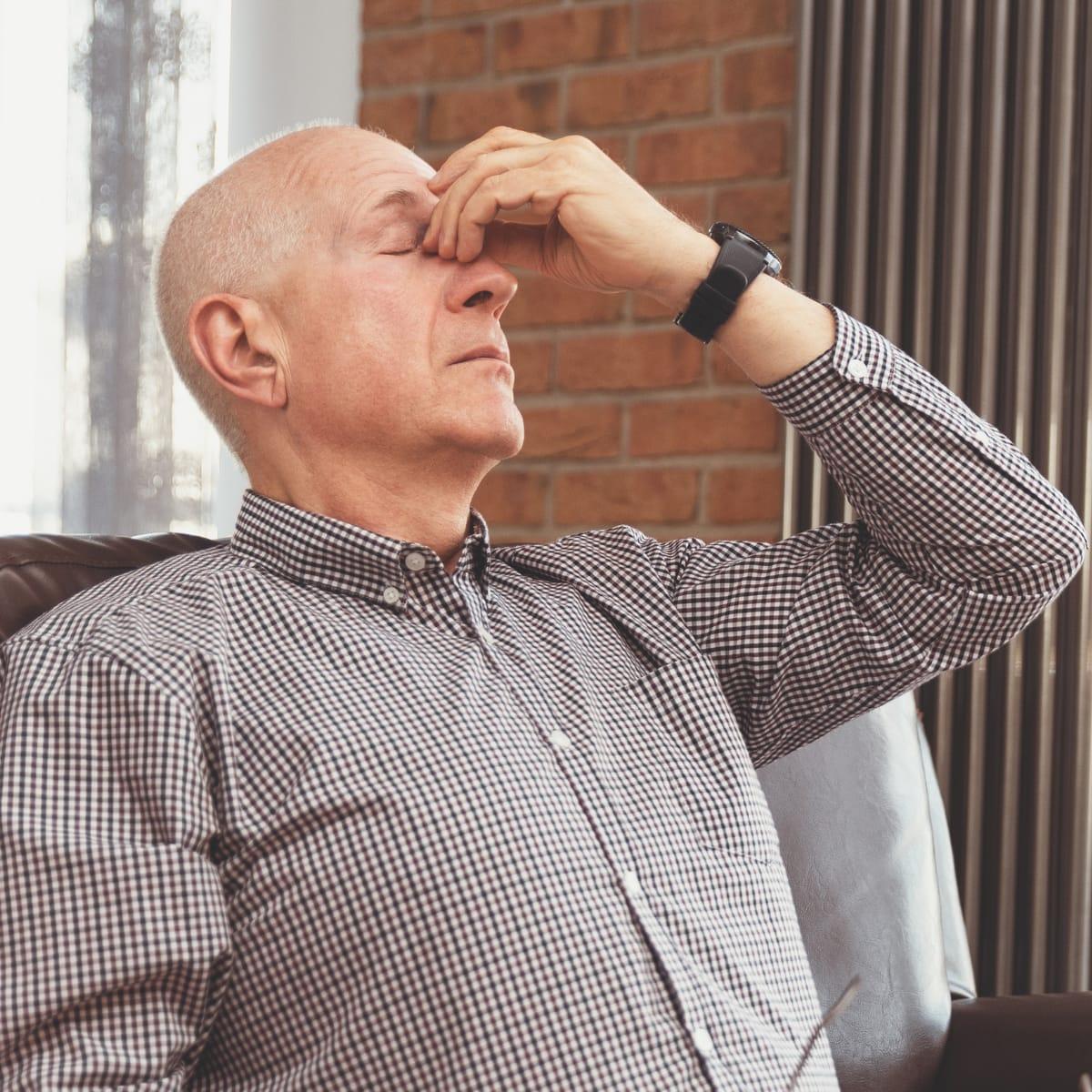
Chronic stress can wear down both your body and your brain as you age, affecting your immune system, sleep, blood pressure, memory, and mood. But a little short-term stress isn't all bad, and learning the difference is a big part of recovery, sleep and stress after 60.
Is Stress Always Bad for You?
No. Stress has a bad rap. When most people hear the word stress, they associate it with something negative — tight shoulders, sleepless nights, or racing thoughts. But stress, in its most basic form, is not always a bad thing. In fact, stress is a natural biological response designed to help us respond to challenges, stay alert, and even grow.
In small doses, stress can actually be motivating. It can help us:
- Solve problems more efficiently
- Stay focused during important tasks
- React quickly in emergencies (like when slipping or noticing a hazard)
- Adapt to new situations or transitions
- Even build resilience, especially when followed by proper recovery
The key is balance. When stress becomes constant or overwhelming — especially without tools to manage it — it can negatively affect health, especially for older adults.
How Does Chronic Stress Affect Older Adults?
While a bit of stress here and there can sharpen the mind, chronic stress (long-term stress that isn't managed well) can slowly wear down both body and brain. For older adults, this matters more than ever.

Can Stress Affect Memory and Thinking?
Research has shown that prolonged stress can negatively affect cognitive function in older adults. A 2024 study published in Annals of Neurology found that stressful life events, particularly in childhood and midlife, were associated with markers of Alzheimer's disease and neuroinflammation in cognitively healthy middle-aged and older adults. In women, stressful events were also linked to lower grey-matter volume in the brain.
Along with a decline in cognitive function, chronic stress can also have the following impacts:
Physical Impacts
- Weakened immune system – more colds, infections, and longer healing times
- Increased inflammation – which plays a role in arthritis, heart disease, and diabetes
- Sleep disturbances – leading to fatigue, mood swings, and reduced memory
- Higher blood pressure – raising the risk for stroke and heart issues
- Muscle tension and pain – often mistaken as just "getting older"
Cognitive and Emotional Impacts
- Memory issues and brain fog
- Increased anxiety or depression
- Lower resilience to life changes like retirement, loss, or health challenges
- Decreased quality of life and social withdrawal
It's important to recognize these signs early — not just for comfort, but for long-term health and vitality.
What Are Simple Ways to Reduce Stress?
Stress can be managed — and even transformed — with simple, doable tools. You don't have to overhaul your life. Small, consistent actions make the biggest difference.
1. Move Your Body
Regular physical activity can reduce cortisol (the stress hormone), improve sleep, and release endorphins (natural mood lifters).
- Try: Walking, swimming, stretching, pickleball, or strength training
- Even 10-minute "movement snacks" throughout the day make a difference
- For a quick reset when worries keep replaying, try this 60-second brain-body reset
2. Breathe With Intention
Breathing is one of the fastest ways to shift out of stress mode (the cyclic sigh is another good one).
- Try: Box breathing (inhale 4, hold 4, exhale 4, hold 4)
- Long exhales – breathe in for a count of 3 and out for a count of 6
3. Practice Being Present in the Moment
Being present helps calm the nervous system and reduce rumination.
- Try: 5 minutes a day of quiet sitting, prayer, or simply noticing your surroundings with the use of your 5 senses.
4. Maintain Social Connections
Isolation fuels stress. Connection soothes it.
- Call a friend, take your grandchild to lunch, join a club, or volunteer
- If mobility is an issue, try virtual meetups or phone check-ins
5. Nourish Your Body
A healthy diet helps regulate mood and energy.
- Prioritize: Whole foods, healthy fats, protein, and hydration
- Reduce: Excess sugar, processed foods, and alcohol
6. Prioritize Sleep
Lack of sleep increases stress hormones.
- Try: A wind-down routine, turning off screens early, and staying on a consistent sleep schedule
- Avoid stimulants like caffeine late in the day
7. Express Yourself
Journaling, creative hobbies, or even talking out loud can help process emotions.
- Try: Writing down 3 things you're grateful for every day (here's how gratitude benefits your health)

Lead by Example
Stress is a part of life — but it doesn't have to steal your joy, health, or peace. With the right tools and support, you can build resilience, reduce anxiety, and feel more confident navigating whatever life throws your way.
Growing older comes with its share of changes, but it also brings wisdom, perspective, and the opportunity to lead by example. In a 2018 American Psychological Association survey, Generation Z reported the worst mental health of any generation. How you manage stress can inspire and bring hope to those who are watching and learning from you.
Kristen
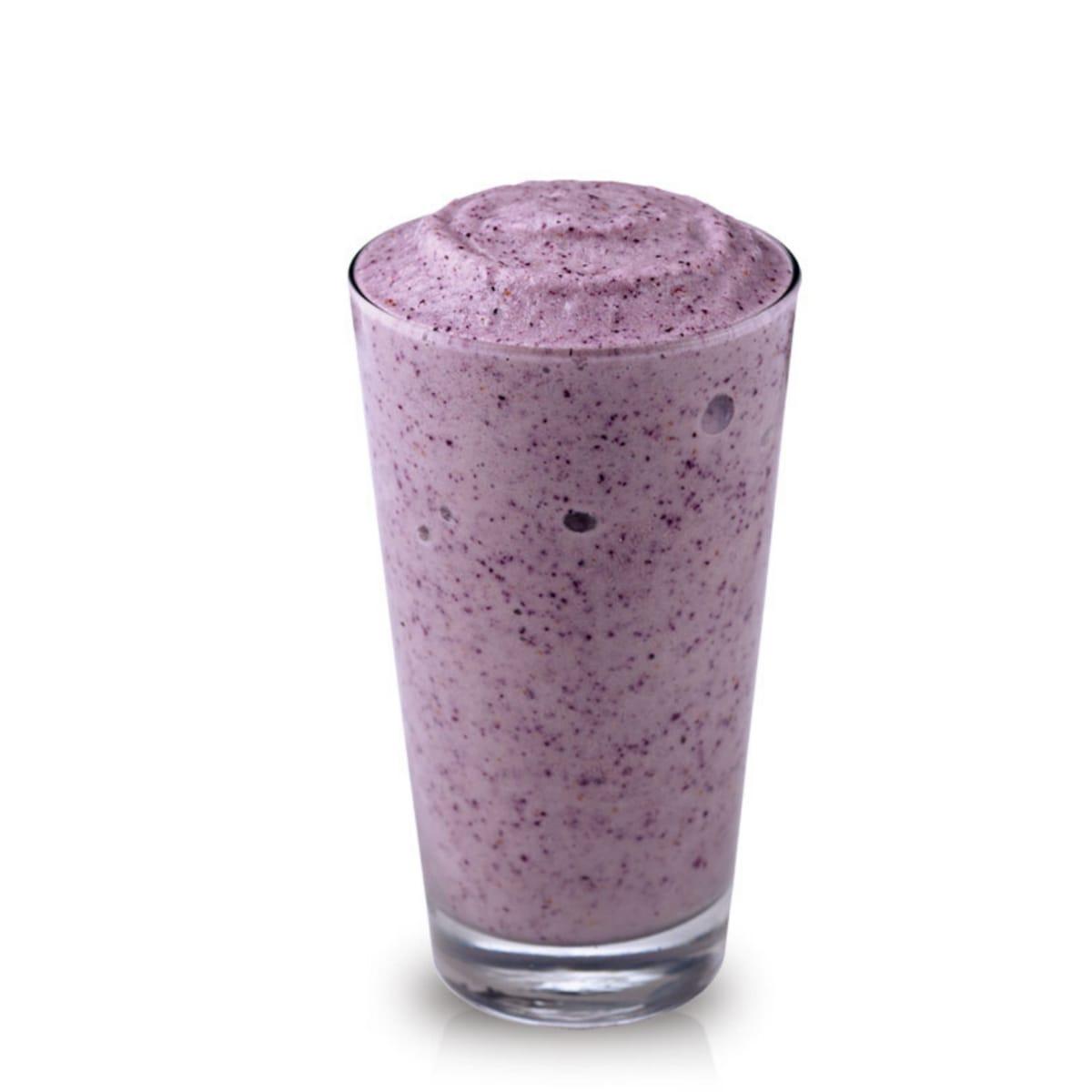
Try the recipe: When the weather warms up, I start craving smoothies, like this yummy blueberry almond protein smoothie — get the recipe.
Sources
- McEwen BS. Protective and damaging effects of stress mediators. N Engl J Med. 1998;338(3):171-179. View source
- Palpatzis E, Akinci M, Aguilar-Dominguez P, et al. Lifetime stressful events associated with Alzheimer's pathologies, neuroinflammation and brain structure in a risk enriched cohort. Ann Neurol. 2024;95(6):1058-1068. View source
- Segerstrom SC, Miller GE. Psychological stress and the human immune system: a meta-analytic study of 30 years of inquiry. Psychol Bull. 2004;130(4):601-630. View source
- De Nys L, Anderson K, Ofosu EF, Ryde GC, Connelly J, Whittaker AC. The effects of physical activity on cortisol and sleep: a systematic review and meta-analysis. Psychoneuroendocrinology. 2022;143:105843. View source
- De Nys L, Ofosu EF, Ryde GC, Connelly J, Whittaker AC. Physical activity influences cortisol and dehydroepiandrosterone (sulfate) levels in older adults: a systematic review and meta-analysis. J Aging Phys Act. 2023;31(2):330-351. View source
- American Psychological Association. Stress in America: Generation Z. Stress in America Survey. October 2018. View source
This article is for general education and isn't medical advice. Please talk with your doctor before starting a new exercise, nutrition or supplement routine. See our health disclaimer.

About the author
Kristen Nielsen
Kristen founded TogetherWON after watching what strength training could do for older adults — including her own grandparents. She's an ACE Certified Personal Trainer with 10+ years in functional aging, a University of Central Florida graduate, and a former Division I swimmer and track & field athlete.
Senior Fitness Specialist · Functional Aging Specialist · Parkinson's Disease Specialist · Brain Health Trainer · Corrective Exercise Specialist
want these in your inbox?
Get my Saturday letters
One idea for your body, brain or balance each week, usually with a recipe. Unsubscribe any time.
Keep reading

Recovery · Brain
Break the Stress Loop with a 60-Second Brain-Body Reset
When stress keeps replaying, movement that needs focus can interrupt the loop. Try this 60-second brain-body reset, seated or standing, to ease tension.
June 27, 2026 · 3 min read
Brain · Recovery
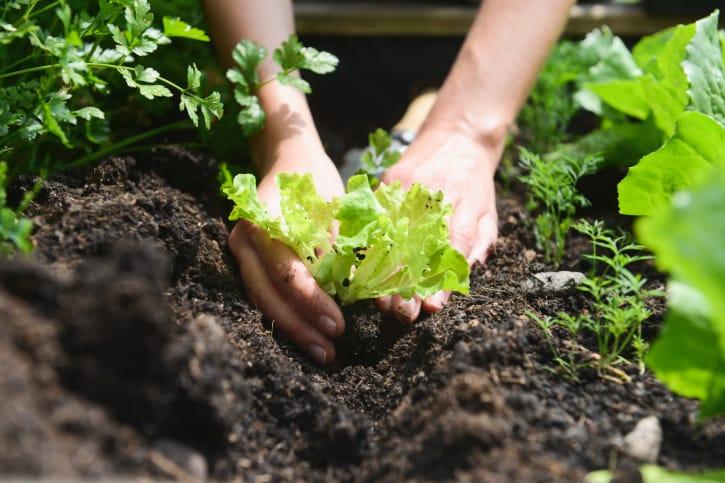
Gardening for Brain Health: Why a Little Dirt Helps
Gardening combines movement, planning, sunlight and purpose. Here's what research says about gardening, stress and dementia risk, and easy ways to start.
April 25, 2026 · 4 min read

Recovery · Brain
What Sleep Does for Your Body and How to Sleep Better
What happens in your cells while you sleep, why poor sleep speeds up aging, and eight research-backed ways to rest better as you get older.
March 8, 2025 · 3 min read