Recovery After 60: Rest, Sleep and Stress
By Kristen Nielsen, Founder & Senior Fitness Specialist · Updated · 10 minute read
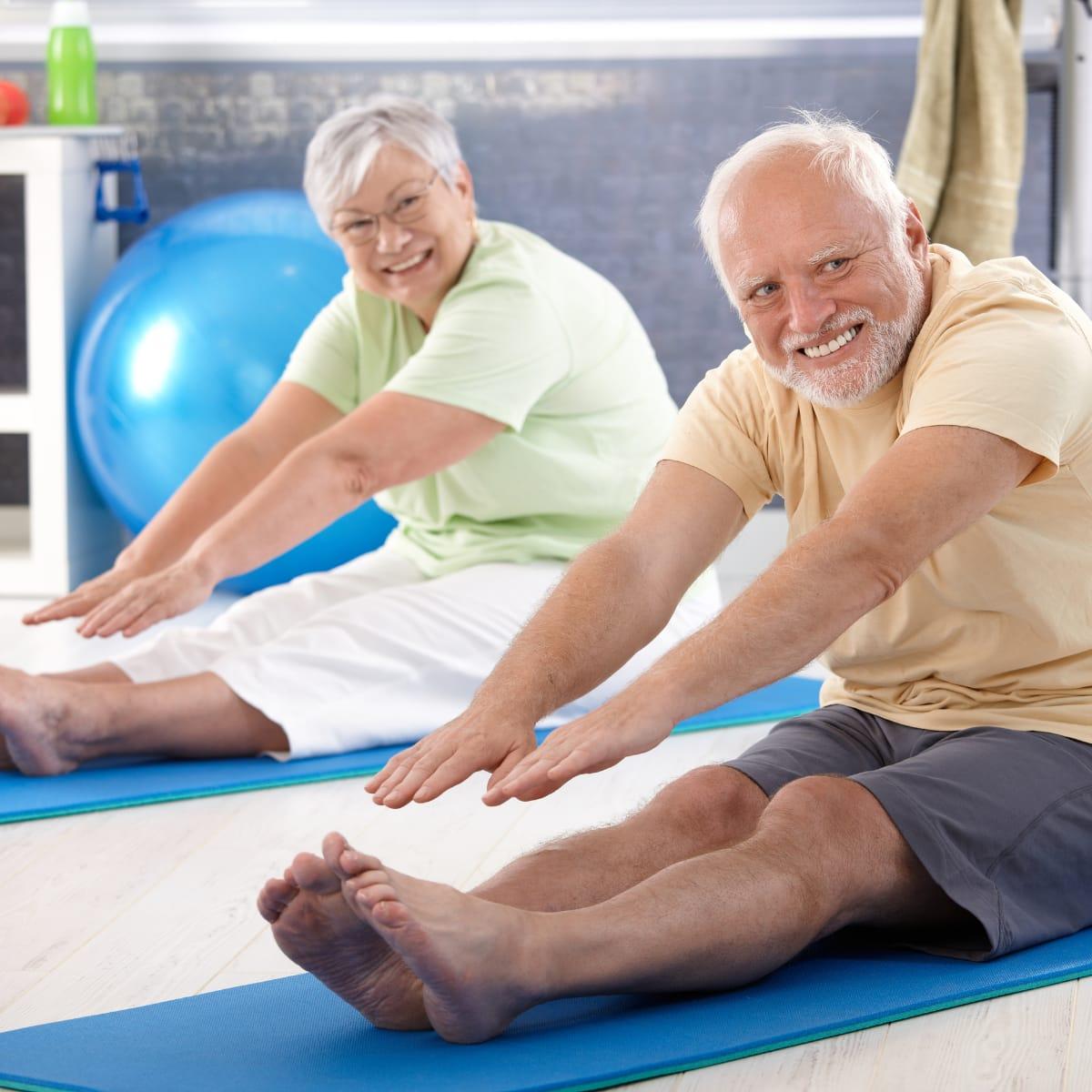
After 60, recovery is part of training. Plan at least 1–2 rest or easy days a week, alternate harder and lighter workouts, and aim for 7–9 hours of sleep, since much muscle repair happens overnight. Manage stress with movement and slow breathing, and ease back if you notice lingering fatigue, poor sleep or persistent pain.
Key takeaways
- Muscles get stronger during recovery, not during the workout. Schedule 1–2 rest days a week and alternate harder days with lighter ones like walking or stretching.
- Lingering fatigue, poor sleep, a rising resting heart rate and irritability are signs you may be overdoing it.
- Older adults need 7–9 hours of sleep. Morning light, a consistent wake time, less late caffeine and a warm evening bath can help.
- Chronic stress wears on body and brain. Movement, slow breathing like the cyclic sigh, and time with people you love all help you recover.
When it comes to staying active and healthy as you age, consistency with exercise is crucial, but so is rest! Rest isn't a sign of slowing down. It's a smart way to stay consistent and prevent setbacks, and it's when your body actually gets stronger.
This guide pulls together what I've written about recovery: rest days, the signs you're overdoing it, simple ways to recover after a workout, sleep, stress, and how to come back after an injury. Think of these as the other half of your training plan.
Why Recovery Matters More After 60
When you exercise, especially with strength-focused movements, your muscles experience tiny tears in the fibers. This is completely normal and part of how you grow stronger! But those muscles need time to repair. Here's what happens on rest days:
- Muscles repair. Intense exercise, especially the lowering phase of a movement, causes micro-damage and some inflammation. Rest allows these tiny injuries to heal, rebuilding muscle stronger than before.1
- Energy stores refill. Exercise uses up glycogen, the stored energy in your muscles. Taking a break lets your body replenish those reserves so you're ready for your next workout.2
- Your risk of injury drops. Training without enough rest increases your risk of injury from muscle fatigue and sloppy form.
- Your nervous system resets. Exercise, especially high-intensity exercise, activates the body's stress response. That's great for building strength and stamina, but it has to be balanced with rest.
As we age, recovery often takes a bit longer, and the cost of an injury is higher. That's why I plan recovery on purpose for myself and my clients, instead of leaving it to chance.
How Many Rest Days Do You Need?
For most people, at least 1–2 rest days a week is a good starting point, depending on your activity level. These days can include light stretching, mobility exercises, or simply taking it easy.
I also schedule harder workouts on some days and lighter ones on others. This isn't random. It's a science-backed method called periodization, and varying workout intensity helps prevent plateaus and supports better strength gains than doing the same thing every day.3
- After a challenging strength workout, choose a lighter activity like walking or stretching the next day.
- On easier days, try gentle, restorative activities like a leisurely walk or less-challenging balance exercises. This "active recovery" improves circulation and reduces soreness.
- If you feel overly tired or sore, it's okay to adjust your schedule.
Our guide to how much exercise seniors need includes a sample week that alternates strength, cardio, active recovery and a full rest day. For more on the science, see How Many Rest Days Do You Need Between Workouts?
It's not just everyday exercisers who benefit from rest. Professional athletes depend on rest days too. After a grueling marathon, many runners take up to a week off to let their muscles and joints heal.
Signs You're Exercising Too Much or Too Hard
This one is for those of you who live by the mantra, "If some is good, then lots is even better!" (You know who you are!) I'm right there with you. It's taken me years, and plenty of overuse injuries, to realize that even a good thing can become too much.
Watch for these signals:4
- Lingering fatigue. Feeling exhausted for days after exercise means your body isn't recovering properly.
- Increased pain or discomfort. Temporary muscle soreness is normal, but sharp or persistent pain is not.
- Poor sleep. Difficulty falling or staying asleep can mean your nervous system is overstimulated.
- Elevated resting heart rate. A consistently higher resting heart rate than usual can signal overtraining.
- Irritability or mood changes. Feeling more anxious, frustrated or down than usual may be a sign to ease up.
To find the right balance, schedule rest days, mix intensity levels, and focus on quality over quantity: good form and controlled movement rather than more reps or heavier weights.
Stop and check with a healthcare provider if you have chest pain or pressure, dizziness or shortness of breath beyond what's normal for your fitness level, or sharp joint pain. Read more in Signs You're Exercising Too Much or Too Hard After 60.
Simple Ways to Recover After a Workout
Giving your body the time and tools it needs to repair not only prevents injury but also helps you come back stronger. Here are the recovery habits I recommend most (the full list is in Post-Workout Recovery Tips for Older Adults):
- Hydrate. Dehydration slows recovery, so drink water throughout the day and a bit more around exercise. On long or hot days, a no-sugar electrolyte drink can help (How Much Water Should Seniors Drink?).
- Refuel. Muscles need fuel to repair. A snack with protein and carbohydrates after exercise, like Greek yogurt with berries or scrambled eggs with whole-grain toast, is a great choice. Our protein guide explains how much you need each day.
- Stretch and roll. Gentle stretching helps prevent stiffness, and foam rolling can reduce muscle soreness and improve mobility.5
- Get warm. A soak in a warm bath or hot tub can relieve sore muscles; heat therapy has been shown to reduce post-exercise soreness.6 Add Epsom salts if you find them relaxing, but the warm soak itself is doing most of the work.
- Keep moving gently. Low-impact movement like walking, swimming or gentle stretching the day after exercise promotes circulation.
- Breathe. Deep, slow breathing calms the nervous system after a hard effort.
- Sleep. More on this below.
Sleep: The Ultimate Recovery Tool
Did you know that a lot of repair happens while you sleep? Older adults need about 7–9 hours of sleep a night, the same as younger adults.7
During deep sleep, the body releases growth hormone, which supports muscle repair and tissue regeneration.8 The brain also clears out waste products, including beta-amyloid, a protein associated with Alzheimer's disease.9
As we age, sleep naturally shifts. Older adults tend to get less deep (slow-wave) sleep, make less melatonin, and wake more often because sleep cycles are lighter.8,10 And if the brain becomes active during those brief awakenings, it can snowball into worry.
Poor sleep isn't just a nightly inconvenience. Chronically short sleep is linked to a higher risk of heart disease and other chronic conditions.11 Getting better sleep isn't just about going to bed earlier. It's about resetting your rhythm and calming your brain. Read more in What Sleep Does for Your Body.
How to Sleep Better as You Get Older
Good sleep starts during the day. These habits help reset your body clock and prepare your brain for rest:
- Get natural light in the morning. Spend 10–15 minutes outside within 30–60 minutes of waking. Morning light helps anchor your internal clock.12
- Dim the lights at night. Minimize screen time in the evening, or use night mode.
- Keep a consistent wake-up time, even after a rough night.
- Cut off caffeine by late morning. In one study, caffeine taken even six hours before bed reduced sleep by more than an hour.13
- Try a warm shower or bath in the evening. Warming your skin helps your core body temperature drop afterward, a natural signal to fall asleep. Bathing 1–2 hours before bed has been shown to help people fall asleep faster.14
- Keep your room cool, dark and quiet. A slightly cooler room (around 65°F), blackout curtains and a white noise machine can help.
- Exercise regularly. Physical activity improves sleep quality,15 but save intense workouts for earlier in the day.
My mom, who has been my client since 2016, put it simply: "I notice when I don't do a workout or walk. I don't sleep as well!"
What to Do When You Wake Up at Night
Like me, many of my clients do the right things and still wake up between 2 and 4 a.m., unable to fall back asleep. Here are tools that may help (more in Waking Up at Night? A Two-Part Sleep Solution):
- Distract your mind. Count backward from 300 by 3s, or name a city or animal for each letter of the alphabet. It's just challenging enough to quiet mental noise without overstimulating the brain.
- Use a cyclic sigh. Inhale through your nose, take a second short inhale, then exhale slowly through your mouth. Repeat 2–3 times.
- Try progressive muscle relaxation. Starting at your toes, slowly tense and then relax each muscle group.
- Get out of bed the right way. If you're awake for more than about 20 minutes, leave the bed. Read something calm in dim light, stretch gently, listen to soft music or pray, then return when you feel sleepy. This is a core part of proven behavioral treatments for insomnia.16
- Keep a to-do list by the bed. In one study, people who spent five minutes writing a to-do list before bed fell asleep faster than those who wrote about what they'd already done.17
If poor sleep lasts for weeks, talk with your doctor. Sleep problems are common with age, but they're not something you just have to live with.
Stress: When It Helps and When It Hurts
Stress has a bad rap. In small doses it can actually help us focus, react quickly (like when slipping or noticing a hazard), adapt and build resilience, especially when it's followed by proper recovery. Exercise itself is a healthy stress.
The key is balance. Chronic stress, long-term stress that isn't managed well, can slowly wear down both body and brain.18 It can show up as a weakened immune system, sleep problems, higher blood pressure, muscle tension often mistaken for "just getting older," brain fog, or feeling more scattered than usual (Stress and Aging: When It Helps and When It Hurts).
The good news is that stress can be managed with simple, doable tools:
- Move your body. Physical activity is linked to healthier levels of cortisol, the stress hormone, in older adults,19 and people who are active respond less negatively to everyday stressors.20
- Try a 60-second brain-body reset. March in place or tap your feet while counting backward from 20, saying "reset" instead of every multiple of 3. It gives your brain something to focus on besides the worry loop (Break the Stress Loop).
- Breathe with long exhales. In a Stanford study, just 5 minutes a day of the cyclic sigh improved mood and lowered breathing rate more than the other techniques tested, including mindfulness meditation.21 Long, slow exhales tell your body that you're safe (The Cyclic Sigh).
- Protect your sleep and cut back on excess sugar and alcohol.
For me, prayer is always my first response when stress hits. And I've also come to appreciate simple tools like these that calm the body in a very physical way.
Connection, Gratitude and Play
Recovery isn't only physical. Some of the most powerful things for your health happen away from the workout.
Connection. A review of 148 studies following more than 300,000 people found that those with stronger social relationships had a 50% greater likelihood of survival than those with weaker connections.22 That's comparable to well-known health behaviors like quitting smoking. Call someone you haven't talked to in a while, or invite a friend to join you for coffee or a walk (Social Connection: A Strong Predictor of Longevity).
Gratitude. People with higher levels of gratitude fell asleep faster, slept longer and reported better sleep quality.23 Try writing down three things you're thankful for each day (How Gratitude Benefits Your Heart, Sleep and Health).
Play. Tag, dancing, catch or a backyard obstacle course with the grandkids challenges balance, reaction time and memory at once, and it's naturally motivating because you forget you're exercising (Play-Based Exercise for Seniors).
Coming Back From an Injury, Aches or Pain
Coming back after an injury isn't about toughness. It's about strategy. Here's how I approach it with clients over 60 (How to Rebuild Strength After an Injury):
- Clear it with a professional and respect the healing timeline. Soft tissues need weeks, not days, to rebuild.
- Restart at about half of your pre-injury weight, reps or volume, and build back over 2–4 weeks.
- Use pain as a guide. A 0–2 out of 10 is a green light, 3–5 means proceed cautiously, and 6 or more means back off or modify. In a study of people with Achilles tendon pain, using a pain-monitoring approach like this let them keep exercising during rehab without slowing their recovery.24
- Retrain your balance. After an injury, you may feel clumsy or hesitant. Balance work helps your body feel confident again.
For everyday aches, movement is often the best medicine. A Cochrane review found that exercise significantly improved pain, physical function and quality of life in people with knee osteoarthritis.25 Simple daily moves like seated leg extensions, chair squats and ankle pumps help protect your joints (3 Daily Moves to Protect Your Joints). Gentle core and hip work like bird-dogs, glute bridges and cat-cow can ease a sore back (Lower Back Pain Exercises), and a few minutes of posture exercises help your breathing and balance (Posture Exercises for Seniors).
If you're recovering from surgery, a joint replacement or an injury, our post-rehab training picks up where physical therapy leaves off, and our in-home personal training builds rest and recovery into every plan.
Giving your body the time it needs to rest and recover isn't just a pause. It's an essential step in building strength, restoring energy, and preparing yourself to fully embrace the activities you love.
This guide is for general education and isn't medical advice. Please talk with your doctor before starting a new exercise, nutrition or supplement routine.
Read more from Kristen
Recovery · Body
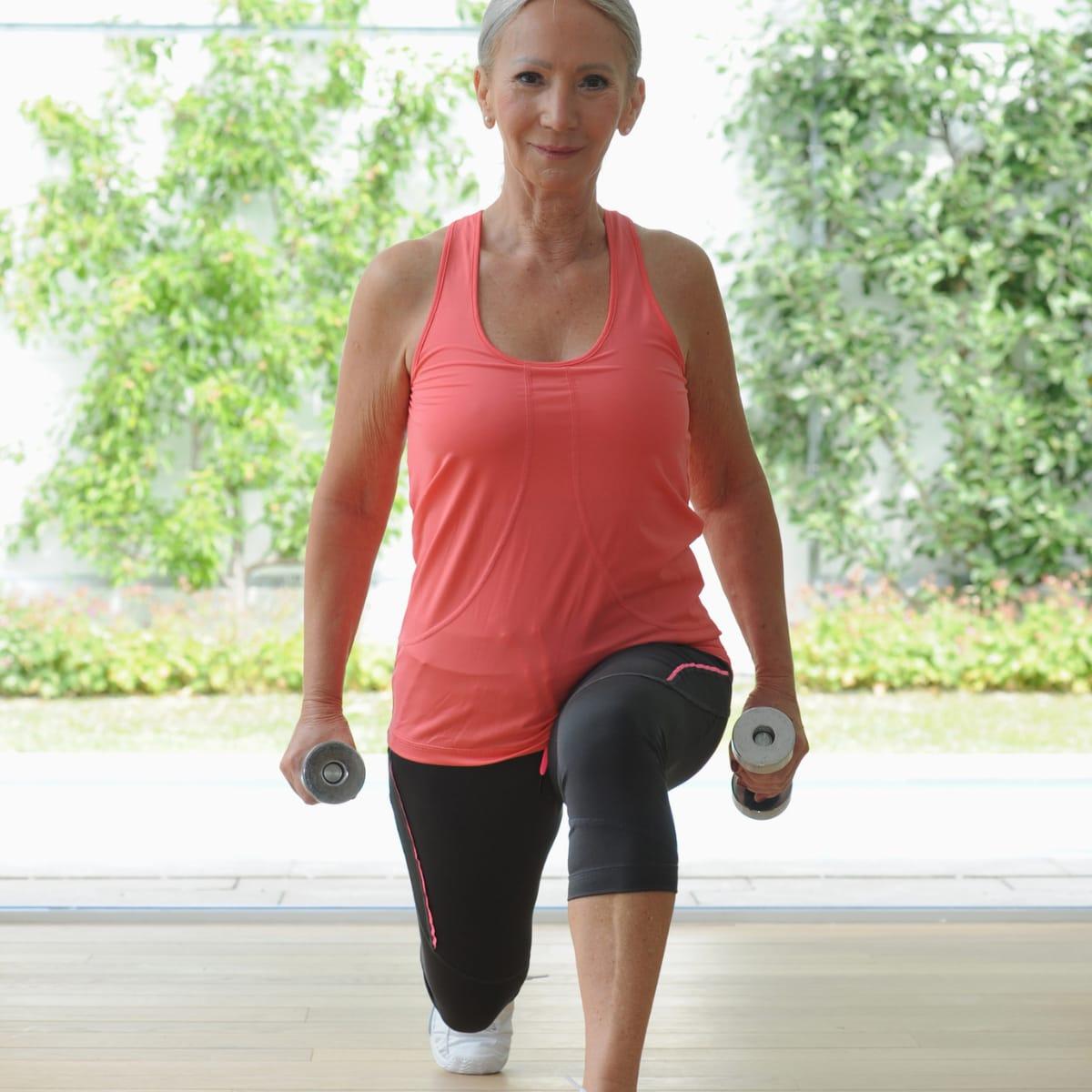
Why Rest Days Make You Stronger: Hard and Easy Days
Plan 1–2 rest days a week. What happens in your muscles while you rest, and how alternating hard and easy workout days keeps you getting stronger.
December 21, 2024 · 3 min read
Recovery · Body
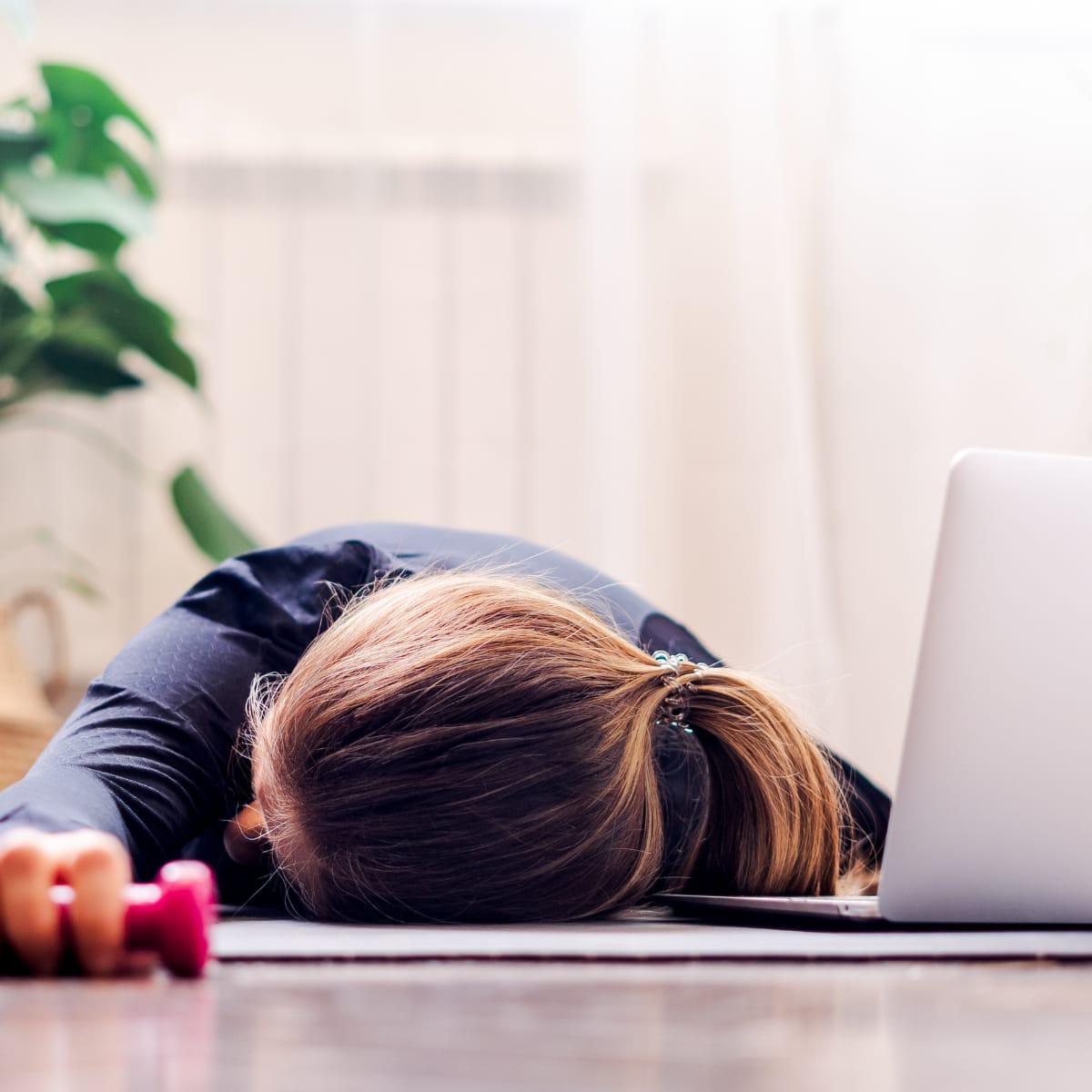
Overtraining After 60: 5 Warning Signs and When to Stop
Five warning signs of overtraining after 60, from lingering fatigue to a higher resting heart rate, plus how to find balance and when to stop.
February 8, 2025 · 2 min read
Recovery · Body
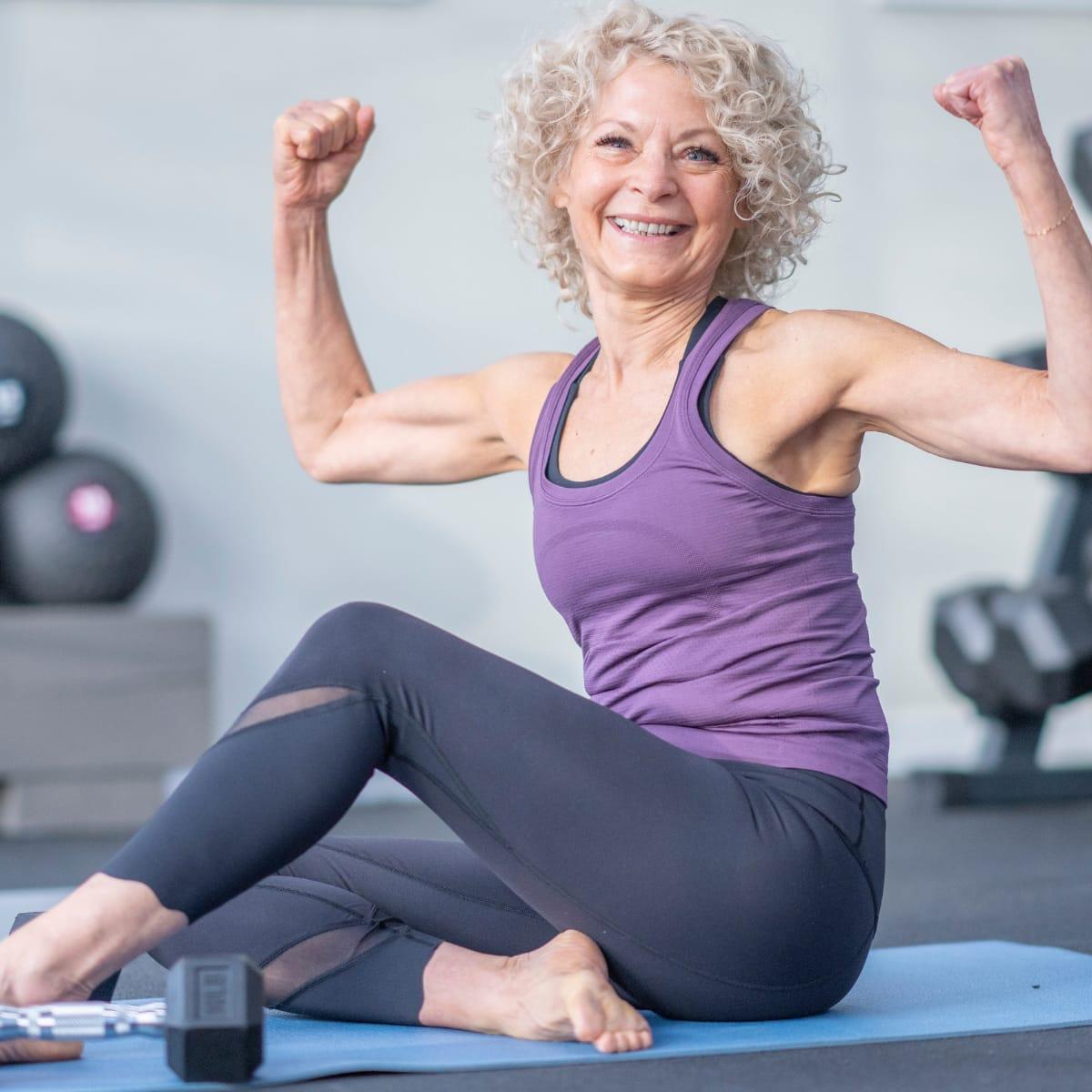
Post-Workout Recovery Tips for Older Adults
Nine ways to recover better after exercise, from hydration, protein and foam rolling to sleep, warm soaks, active recovery and breath training.
February 15, 2025 · 3 min read
Recovery · Brain
What Sleep Does for Your Body and How to Sleep Better
What happens in your cells while you sleep, why poor sleep speeds up aging, and eight research-backed ways to rest better as you get older.
March 8, 2025 · 3 min read
Recovery
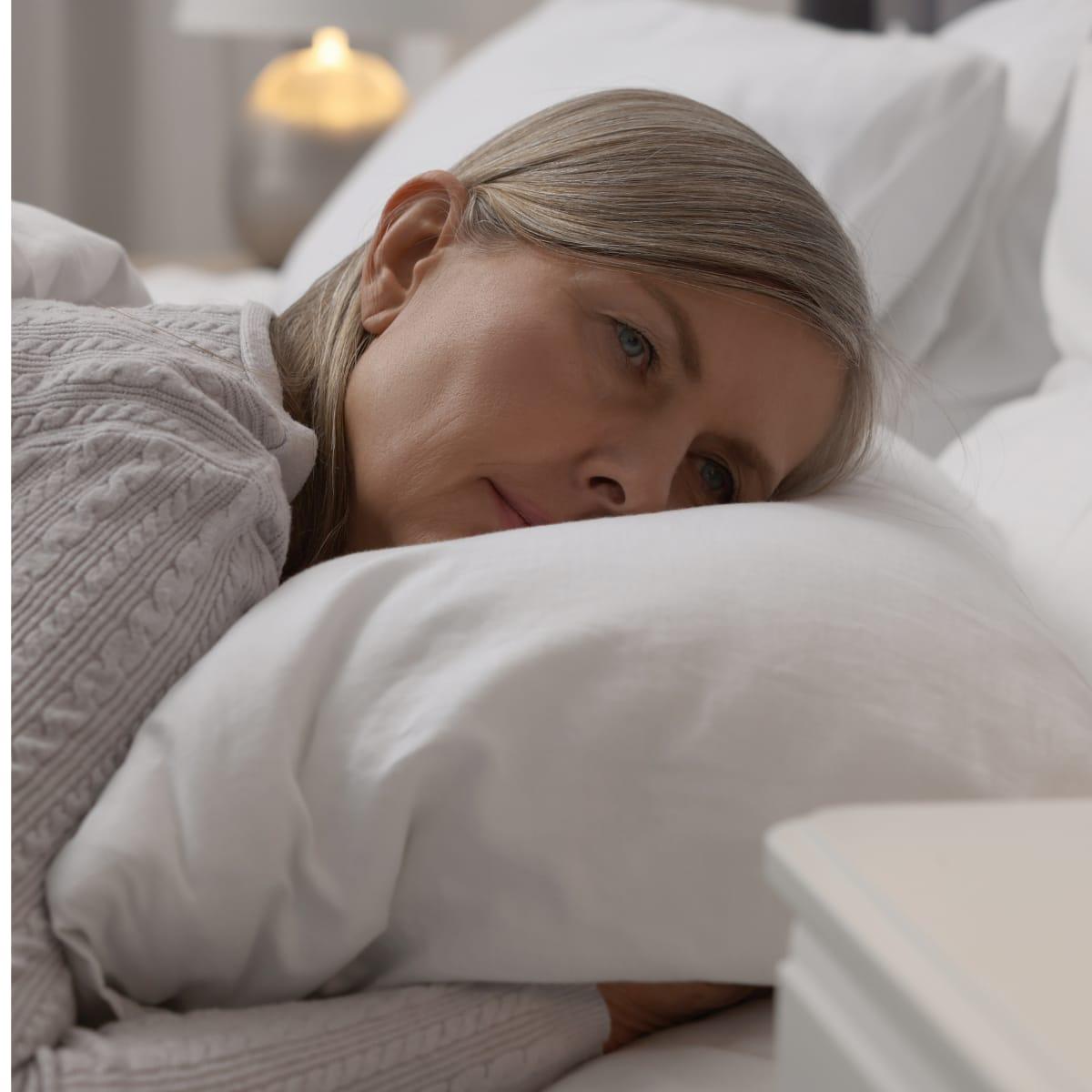
Waking Up at Night? A Two-Part Sleep Solution
How sleep changes with age, daytime habits that help you fall asleep, and six tools for when you wake at 2 a.m. and your mind won't settle.
June 21, 2025 · 4 min read
Recovery
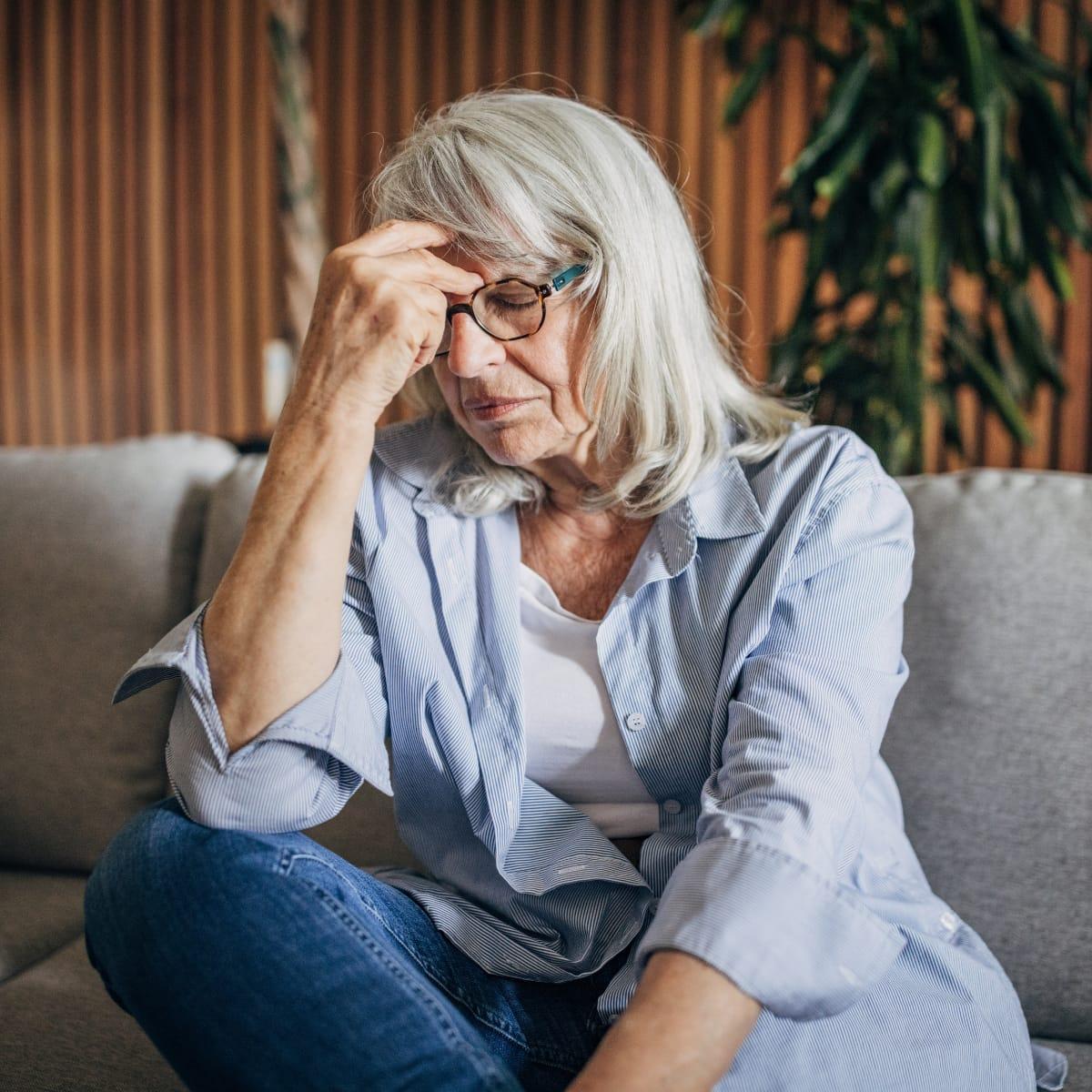
The Cyclic Sigh: A 1-Minute Breathing Exercise for Calm
The cyclic sigh is a simple breathing technique that calms your body's stress response. Here's how to do it, what the Stanford study found, and when to use it.
April 4, 2026 · 3 min read
Recipes to try
Snack
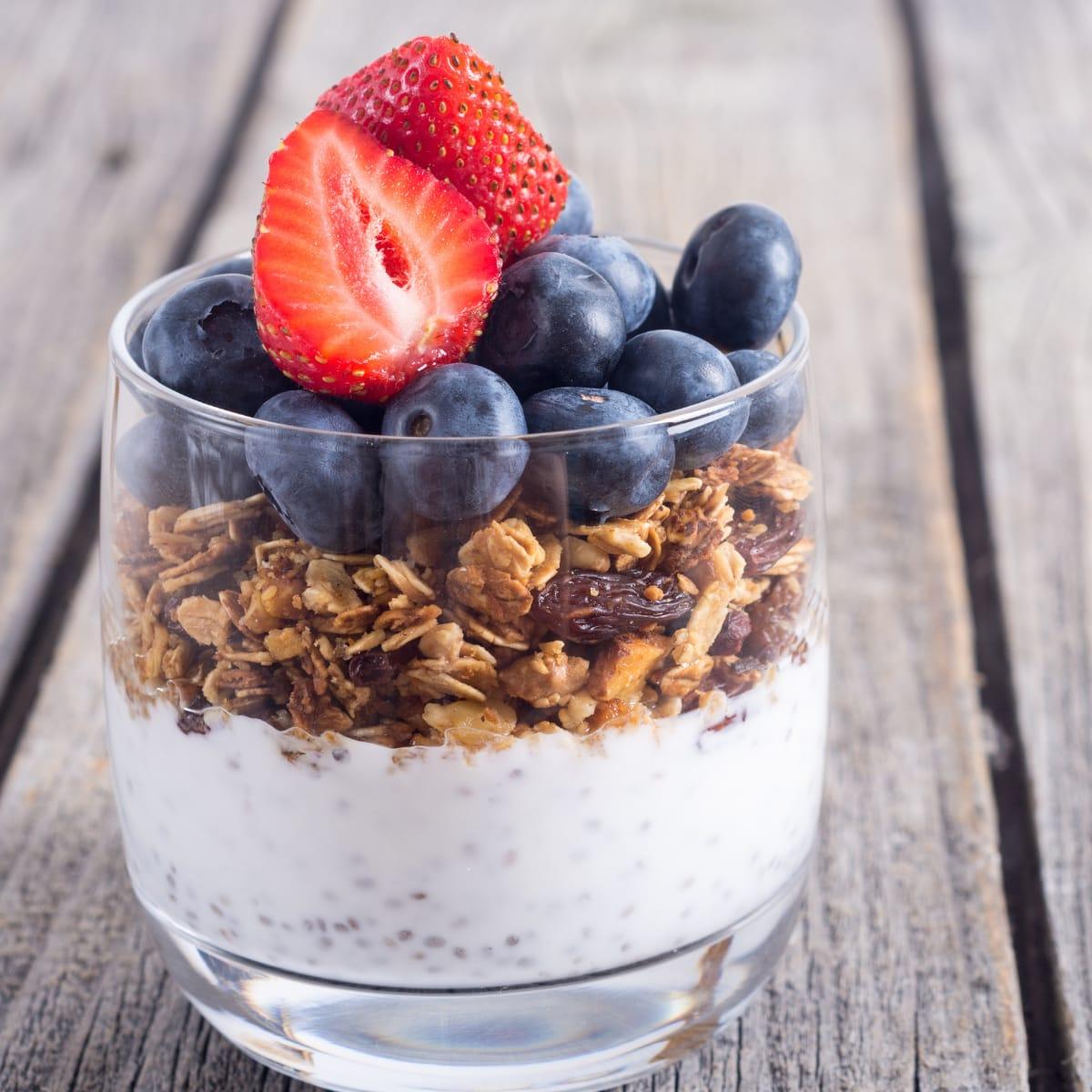
Greek Yogurt Parfait with Berries & Nuts
Greek yogurt layered with berries, nuts, seeds and a little granola — a quick post-workout snack with protein, healthy fats and carbs.
1 serving

Drink
Golden Turmeric Smoothie
A creamy banana smoothie with turmeric, cinnamon, ginger and a pinch of black pepper — a simple, tasty way to add anti-inflammatory foods to your day.
1 serving
Frequently asked questions
How long does it take a 65-year-old to recover from a workout?
It varies with how hard you worked, but many older adults feel best with a day of rest or light activity between harder strength workouts for the same muscles.
Some muscle soreness for a day or two is normal. Feeling exhausted for several days, sleeping poorly or having sharp pain means you need more recovery or a lighter workout.
Is it normal to be more sore after exercise as you get older?
Some soreness after a new or harder workout is normal at any age, and it usually peaks a day or two later. It's a sign your muscles are repairing, not that you did something wrong.
Gentle movement, foam rolling, a warm bath, good sleep and enough protein can all ease it. If soreness is sharp, in a joint, or doesn't improve, check with a professional.
How many hours of sleep do seniors need?
Older adults need about 7–9 hours of sleep a night, the same as younger adults, even though sleep often gets lighter and more broken with age.
If you wake often, focus on a consistent wake-up time, morning light, less caffeine after late morning and a calming wind-down routine.
What should I do if I wake up at 3 a.m. and can't fall back asleep?
Try a calming tool first, like a few cyclic sighs, progressive muscle relaxation or counting backward from 300 by 3s.
If you're still awake after about 20 minutes, get out of bed and do something calm in dim light, then return when you feel sleepy.
Can exercise help with stress in older adults?
Yes. Regular physical activity is linked to healthier cortisol levels in older adults, and active people tend to react less negatively to everyday stressors.
Walking, strength training, pickleball and short brain-body exercises all count, and even a 60-second movement break can help interrupt a worry loop.
Sources
- Proske U, Morgan DL. Muscle damage from eccentric exercise: mechanism, mechanical signs, adaptation and clinical applications. J Physiol. 2001;537(Pt 2):333-345. View source
- Burke LM, van Loon LJC, Hawley JA. Postexercise muscle glycogen resynthesis in humans. J Appl Physiol (1985). 2017;122(5):1055-1067. View source
- Rhea MR, Alderman BL. A meta-analysis of periodized versus nonperiodized strength and power training programs. Res Q Exerc Sport. 2004;75(4):413-422. View source
- Meeusen R, Duclos M, Foster C, et al. Prevention, diagnosis, and treatment of the overtraining syndrome: joint consensus statement of the European College of Sport Science and the American College of Sports Medicine. Med Sci Sports Exerc. 2013;45(1):186-205. View source
- Wiewelhove T, Döweling A, Schneider C, et al. A meta-analysis of the effects of foam rolling on performance and recovery. Front Physiol. 2019;10:376. View source
- Wang Y, Li S, Zhang Y, et al. Heat and cold therapy reduce pain in patients with delayed onset muscle soreness: a systematic review and meta-analysis of 32 randomized controlled trials. Phys Ther Sport. 2021;48:177-187. View source
- National Institute on Aging. Sleep and older adults. NIH. View source
- Van Cauter E, Leproult R, Plat L. Age-related changes in slow wave sleep and REM sleep and relationship with growth hormone and cortisol levels in healthy men. JAMA. 2000;284(7):861-868. View source
- Xie L, Kang H, Xu Q, et al. Sleep drives metabolite clearance from the adult brain. Science. 2013;342(6156):373-377. View source
- Mander BA, Winer JR, Walker MP. Sleep and human aging. Neuron. 2017;94(1):19-36. View source
- Tobaldini E, Fiorelli EM, Solbiati M, Costantino G, Nobili L, Montano N. Short sleep duration and cardiometabolic risk: from pathophysiology to clinical evidence. Nat Rev Cardiol. 2019;16(4):213-224. View source
- Blume C, Garbazza C, Spitschan M. Effects of light on human circadian rhythms, sleep and mood. Somnologie (Berl). 2019;23(3):147-156. View source
- Drake C, Roehrs T, Shambroom J, Roth T. Caffeine effects on sleep taken 0, 3, or 6 hours before going to bed. J Clin Sleep Med. 2013;9(11):1195-1200. View source
- Haghayegh S, Khoshnevis S, Smolensky MH, Diller KR, Castriotta RJ. Before-bedtime passive body heating by warm shower or bath to improve sleep: a systematic review and meta-analysis. Sleep Med Rev. 2019;46:124-135. View source
- Kredlow MA, Capozzoli MC, Hearon BA, Calkins AL, Otto MW. The effects of physical activity on sleep: a meta-analytic review. J Behav Med. 2015;38(3):427-449. View source
- Edinger JD, Arnedt JT, Bertisch SM, et al. Behavioral and psychological treatments for chronic insomnia disorder in adults: an American Academy of Sleep Medicine clinical practice guideline. J Clin Sleep Med. 2021;17(2):255-262. View source
- Scullin MK, Krueger ML, Ballard HK, Pruett N, Bliwise DL. The effects of bedtime writing on difficulty falling asleep: a polysomnographic study comparing to-do lists and completed activity lists. J Exp Psychol Gen. 2018;147(1):139-146. View source
- McEwen BS. Protective and damaging effects of stress mediators. N Engl J Med. 1998;338(3):171-179. View source
- De Nys L, Ofosu EF, Ryde GC, Connelly J, Whittaker AC. Physical activity influences cortisol and dehydroepiandrosterone (sulfate) levels in older adults: a systematic review and meta-analysis. J Aging Phys Act. 2023;31(2):330-351. View source
- Puterman E, Weiss J, Beauchamp MR, Mogle J, Almeida DM. Physical activity and negative affective reactivity in daily life. Health Psychol. 2017;36(12):1186-1194. View source
- Balban MY, Neri E, Kogon MM, et al. Brief structured respiration practices enhance mood and reduce physiological arousal. Cell Rep Med. 2023;4(1):100895. View source
- Holt-Lunstad J, Smith TB, Layton JB. Social relationships and mortality risk: a meta-analytic review. PLoS Med. 2010;7(7):e1000316. View source
- Wood AM, Joseph S, Lloyd J, Atkins S. Gratitude influences sleep through the mechanism of pre-sleep cognitions. J Psychosom Res. 2009;66(1):43-48. View source
- Silbernagel KG, Thomeé R, Eriksson BI, Karlsson J. Continued sports activity, using a pain-monitoring model, during rehabilitation in patients with Achilles tendinopathy: a randomized controlled study. Am J Sports Med. 2007;35(6):897-906. View source
- Fransen M, McConnell S, Harmer AR, Van der Esch M, Simic M, Bennell KL. Exercise for osteoarthritis of the knee. Cochrane Database Syst Rev. 2015;1:CD004376. View source
This guide is for general education and isn't medical advice. Please talk with your doctor before starting a new exercise, nutrition or supplement routine. See our health disclaimer.

About the author
Kristen Nielsen
Kristen founded TogetherWON after watching what strength training could do for older adults — including her own grandparents. She's an ACE Certified Personal Trainer with 10+ years in functional aging, a University of Central Florida graduate, and a former Division I swimmer and track & field athlete.
Senior Fitness Specialist · Functional Aging Specialist · Parkinson's Disease Specialist · Brain Health Trainer · Corrective Exercise Specialist
want these in your inbox?
Get my Saturday letters
One idea for your body, brain or balance each week, usually with a recipe. Unsubscribe any time.