How to Rebuild Strength After an Injury Over 60
By Kristen Nielsen, Founder & Senior Fitness Specialist
· Updated · Recovery & Body · 3 minute read

Part of our guide: Recovery After 60: Rest, Sleep and Stress
Key takeaways
- To rebuild strength after an injury, get cleared by your provider, match exercise to your healing phase, and restart at about 50% of your pre-injury load, building back over 2–4 weeks.
- Treat pain as a signal, not something to push through. Pain of 0–2 out of 10 is a green light, 3–5 calls for caution, and 6 or more means back off or modify.
- Include balance work as you recover to help your body feel confident again and to help prevent falls.
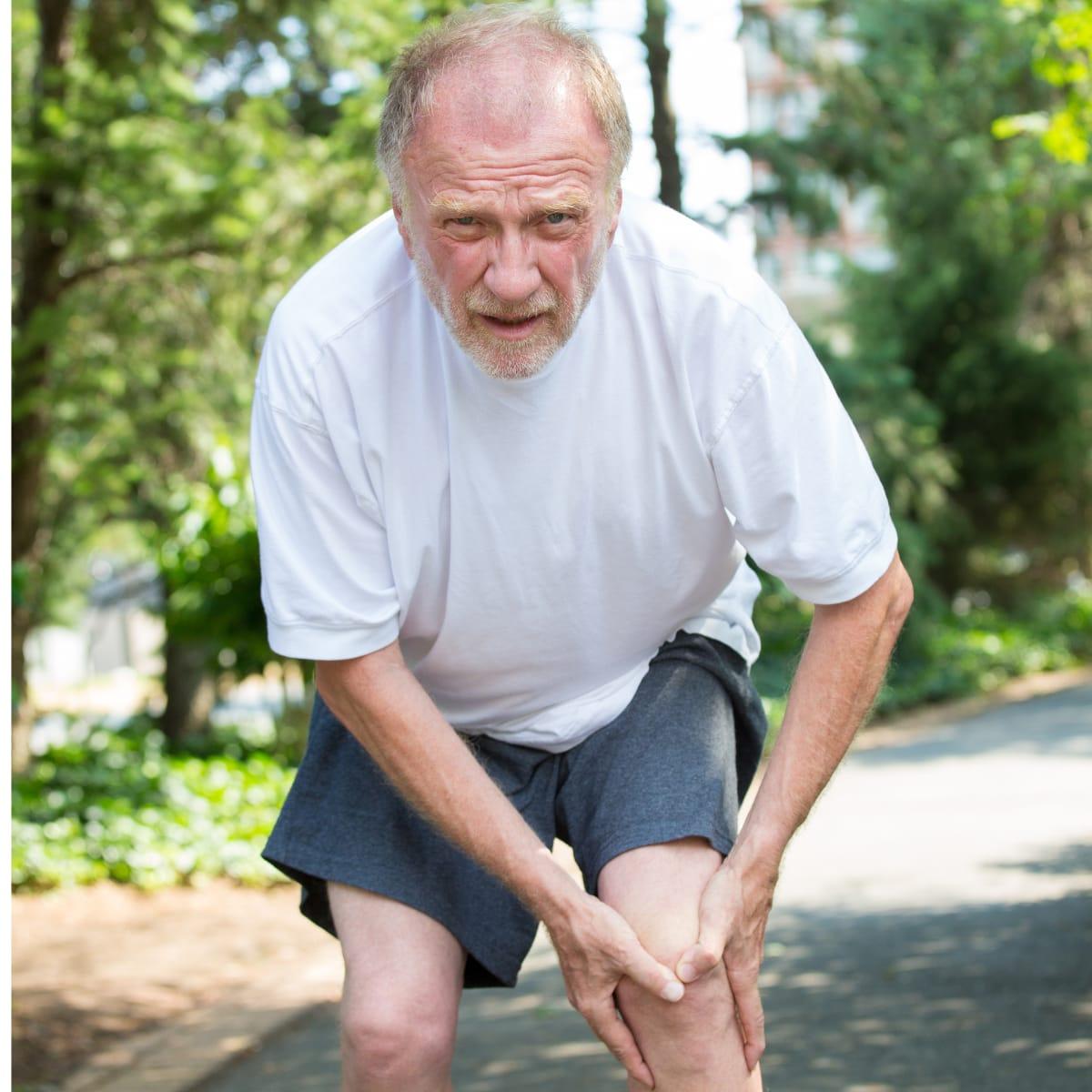
To rebuild strength after an injury over 60, get cleared by a professional, respect your healing timeline, restart at about half your old load and let pain be your guide. It's one of the most important parts of recovery after 60, and it's a situation many active adults face: you're recovering from an injury — maybe a shoulder strain, a knee issue, or something more complex — and you're eager to get moving again. But how you return to exercise matters just as much as when.
The goal? Rebuild strength, mobility, and confidence — without re-injury. Here's how to do it safely and successfully, especially if you're over 60.
1. Clear It With a Pro
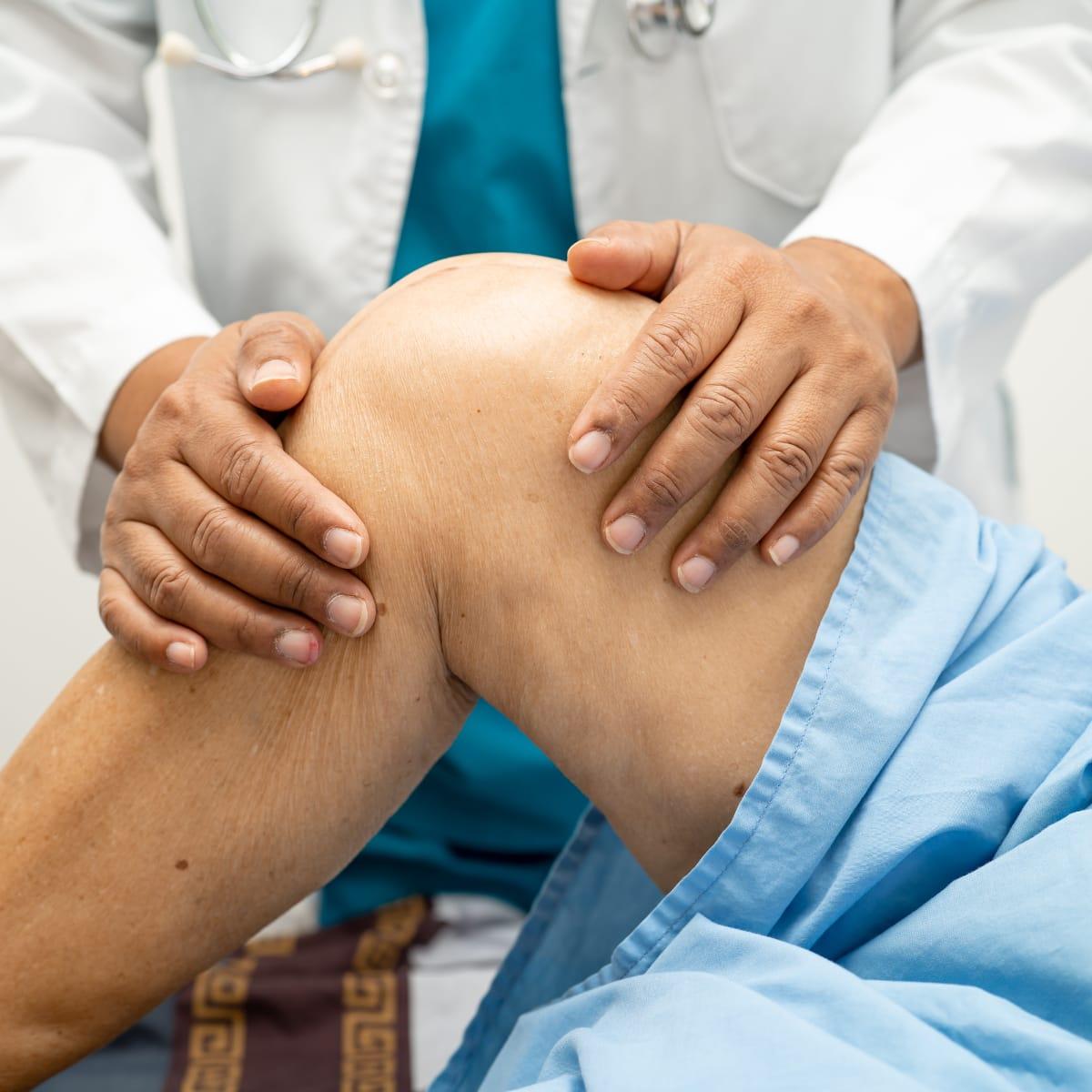
Before starting any movement routine post-injury, consult with your healthcare provider or physical therapist. Research shows that early, appropriate movement (called "therapeutic exercise") is linked to better long-term outcomes, but it must match the phase of healing.
2. How Long Does a Soft-Tissue Injury Take to Heal?
Most move through three phases over roughly six weeks or more. Soft tissues — muscles, tendons, ligaments — don't regenerate overnight. A general timeline:
- Inflammatory phase (0–5 days): Rest and gentle range of motion.
- Repair phase (5 days–6 weeks): Gradual reintroduction of light resistance and mobility.
- Remodeling phase (6+ weeks): Progressive loading, return to more dynamic movement.
That means if you're 3 weeks post-injury, you're likely in the controlled rehab zone — not ready for high-impact exercise just yet.
3. Use the "50% Rule" to Reintroduce Load
When restarting an exercise you've done before (e.g., squats or rows), begin at about 50% of your pre-injury weight, reps, or volume, and gradually build up over 2–4 weeks.
Source: National Strength & Conditioning Association (NSCA)
4. Prioritize Functional Strength
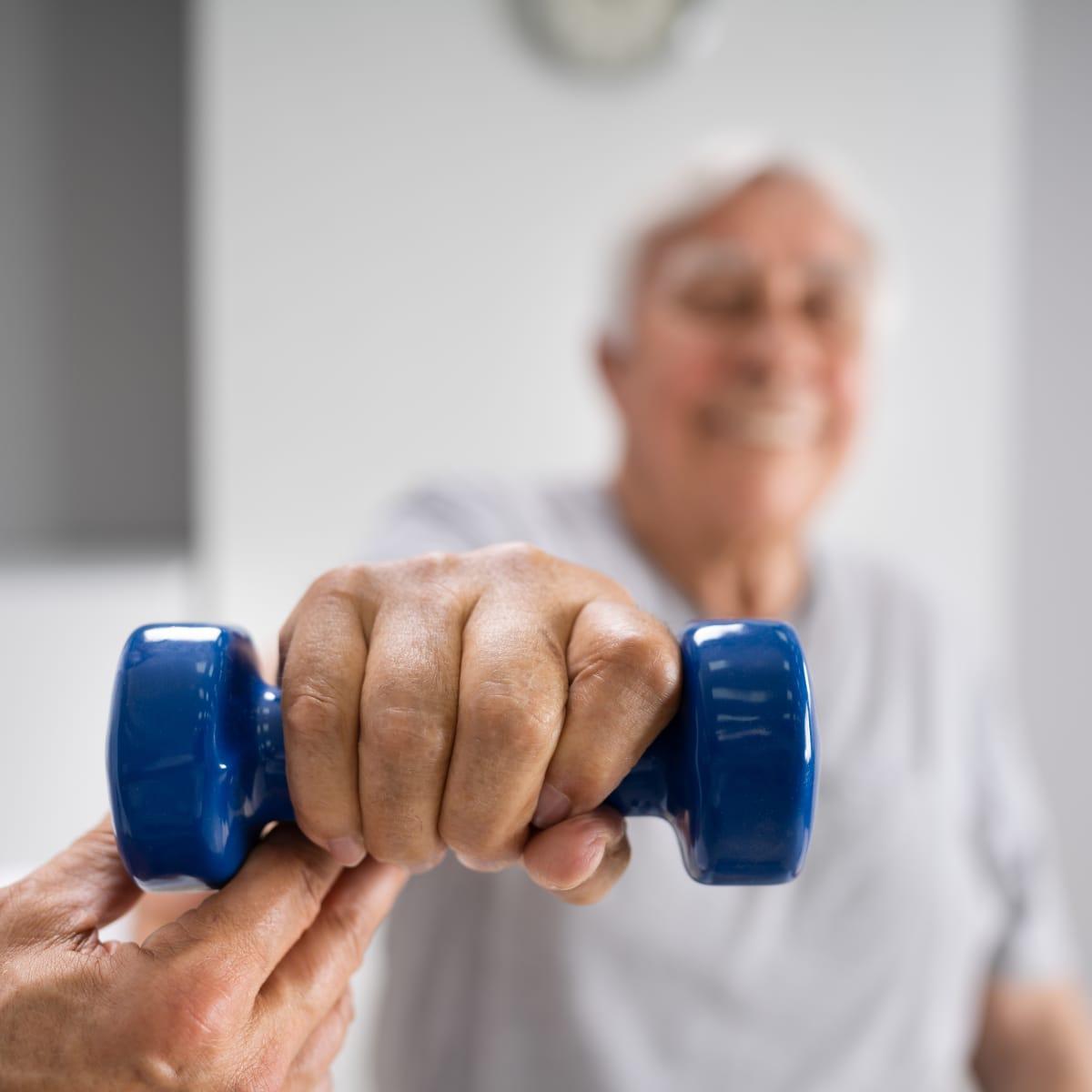
Your workouts should mimic movements you use in daily life or in your sport. For example:
- Lower body injuries: Start with chair sit-to-stand (the move behind our chair stand test), heel raises, banded squats, and step-ups.
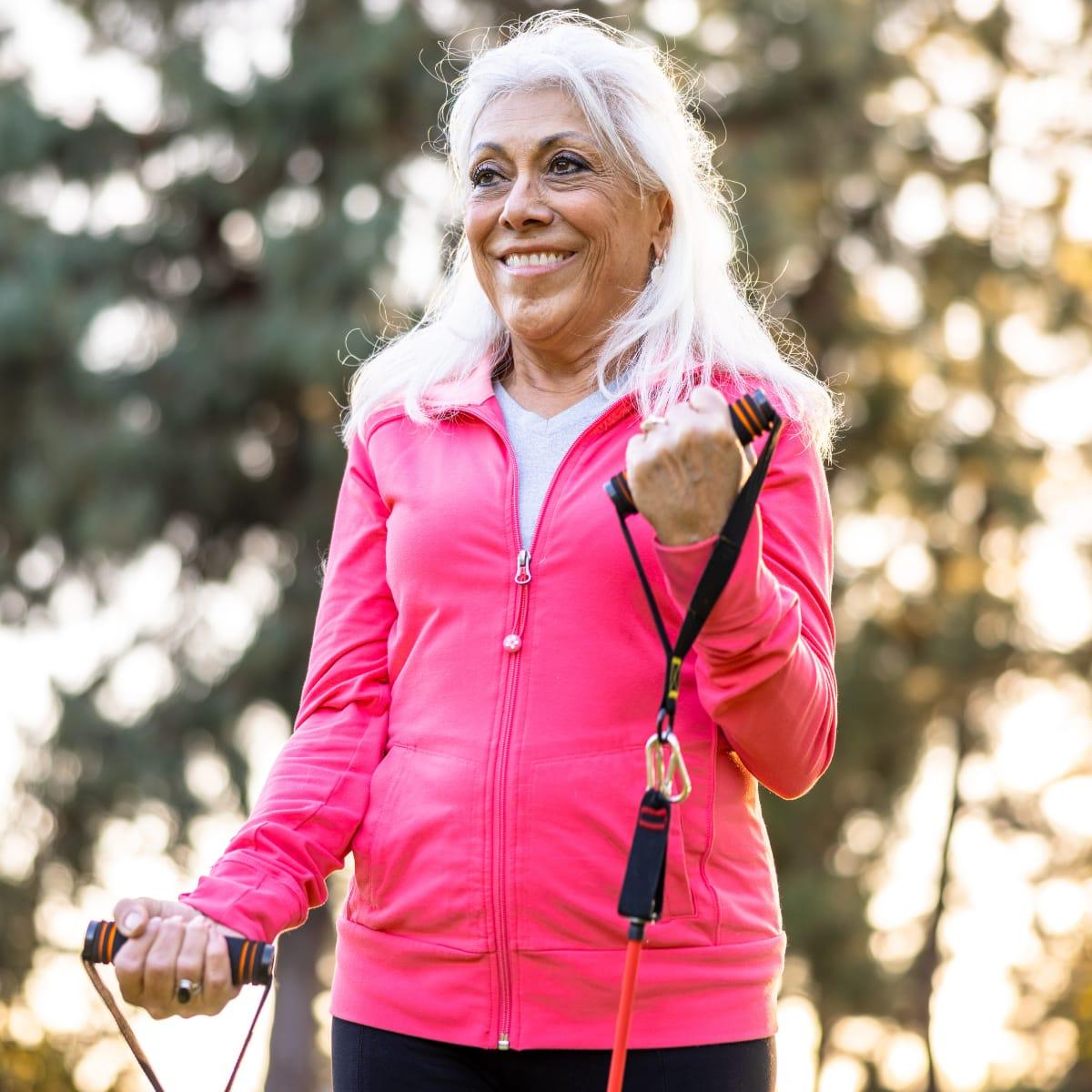
- Upper body injuries: Use isometric holds (like holding a wall pushup or resistance band row).
- Core stability: Dead bugs, bird dogs, and Pallof presses can help rebuild coordination and strength without strain.
These movements improve stability, posture, and power — all essential for returning to exercise and confident daily movement.
5. How Much Pain Is Okay When Exercising After an Injury?
Mild pain of 0–2 out of 10 is generally fine; more than that is a reason to slow down. Pain is a signal, not something to "push through." Use this scale:
- 0–2/10 = Green light
- 3–5/10 = Yellow light (proceed cautiously)
- 6+/10 = Red light — back off or modify
Persistent post-exercise soreness or swelling? That's your cue to reduce volume, not push harder.
Source: American Journal of Sports Medicine, 2007
6. Don't Skip Balance & Proprioception
After injury, the nervous system can become "disoriented" — you might feel clumsy, stiff, or hesitant. Exercises like single-leg balance with head turns, agility ladder drills, or uneven surface training (e.g., foam pad or dyna disc) help re-train your body to feel confident again.
This is especially important for fall prevention in adults 60+. Our balance exercises for seniors guide is a good place to start, and our fall prevention and balance training program builds it into every session.
Source: Geriatrics & Gerontology International, 2015
Why Strategy Beats Toughness
Coming back after an injury isn't about toughness — it's about strategy. Smart progression is what gets you strong again without setbacks.
Kristen
Try the recipe: A staple at our house is fish tacos — healthy, fast, and easy to make — get the recipe.
Sources
- Silbernagel KG, Thomeé R, Eriksson BI, Karlsson J. Continued sports activity, using a pain-monitoring model, during rehabilitation in patients with Achilles tendinopathy: a randomized controlled study. Am J Sports Med. 2007;35(6):897-906. View source
This article is for general education and isn't medical advice. Please talk with your doctor before starting a new exercise, nutrition or supplement routine. See our health disclaimer.


About the author
Kristen Nielsen
Kristen founded TogetherWON after watching what strength training could do for older adults — including her own grandparents. She's an ACE Certified Personal Trainer with 10+ years in functional aging, a University of Central Florida graduate, and a former Division I swimmer and track & field athlete.
Senior Fitness Specialist · Functional Aging Specialist · Parkinson's Disease Specialist · Brain Health Trainer · Corrective Exercise Specialist
want these in your inbox?
Get my Saturday letters
One idea for your body, brain or balance each week, usually with a recipe. Unsubscribe any time.
Keep reading
Recovery · Body
Post-Workout Recovery Tips for Older Adults
Nine ways to recover better after exercise, from hydration, protein and foam rolling to sleep, warm soaks, active recovery and breath training.
February 15, 2025 · 3 min read

Recovery · Body
Overtraining After 60: 5 Warning Signs and When to Stop
Five warning signs of overtraining after 60, from lingering fatigue to a higher resting heart rate, plus how to find balance and when to stop.
February 8, 2025 · 2 min read

Body · Recovery
Lower Back Pain Exercises for Seniors
Which kinds of back pain respond to exercise, when to see a doctor instead, and eight simple moves to strengthen and loosen a sore lower back.
February 1, 2025 · 6 min read