Post-Workout Recovery Tips for Older Adults
By Kristen Nielsen, Founder & Senior Fitness Specialist
· Updated · Recovery & Body · 3 minute read
Part of our guide: Recovery After 60: Rest, Sleep and Stress
Key takeaways
- To recover well after a workout, drink enough water, eat protein and carbohydrates within an hour, sleep 7–9 hours, stretch or foam roll, and keep moving gently the next day.
- A good rule of thumb is to drink half your body weight in ounces of water daily, adding about 12 ounces for every 30 minutes of exercise.
- Gentle stretching, foam rolling, warm soaks and light activity the next day can ease soreness, but don't ignore persistent pain or fatigue.
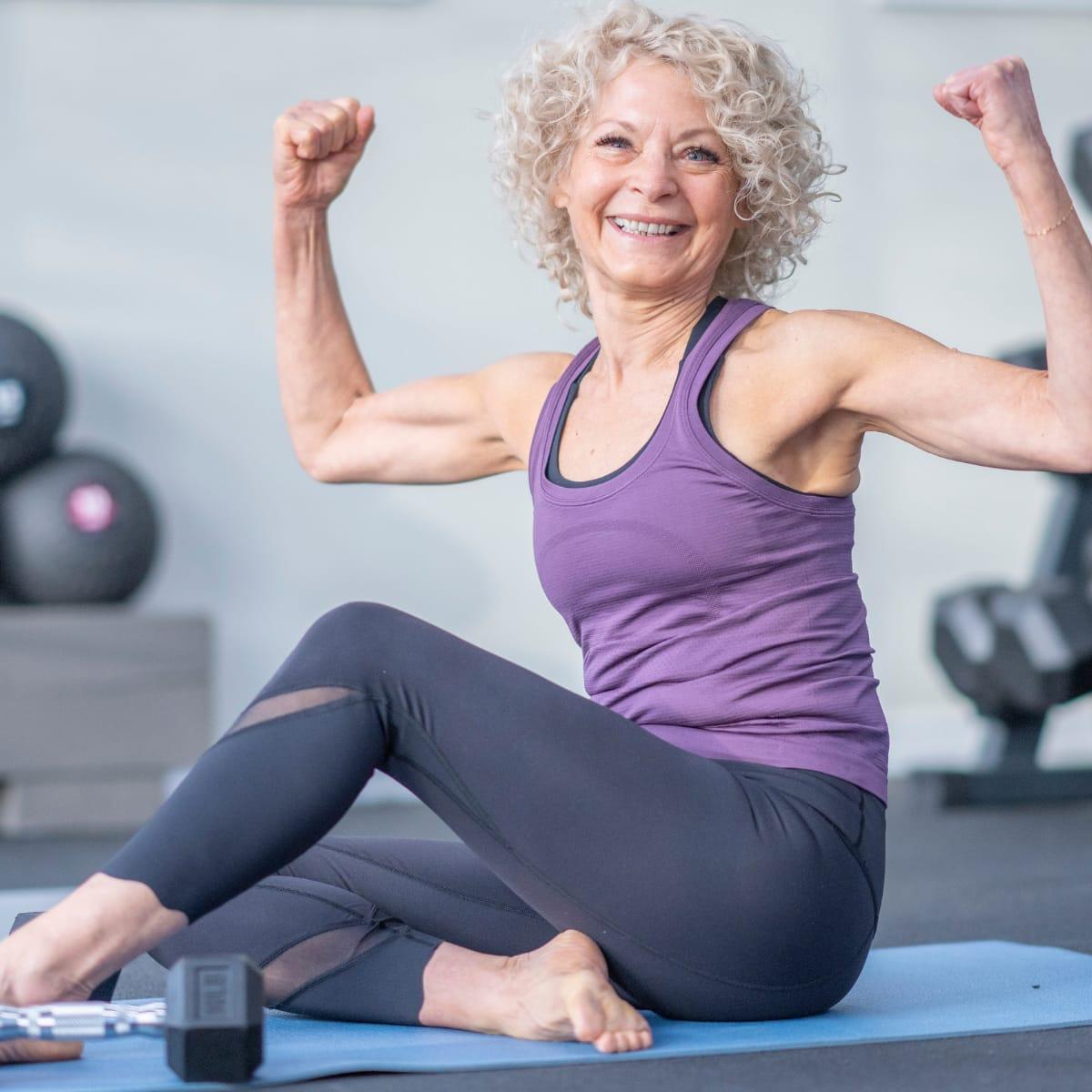
Recovering well after a workout comes down to a few simple habits: drink enough water, refuel with protein and carbohydrates, sleep 7–9 hours, and keep moving gently the next day. They're the everyday side of recovery after 60.
In a related post, I talked about recognizing the signs of overtraining, when you might be overdoing it with exercise. Like most things in life, balance is key — and that includes your fitness routine. One essential way to maintain this balance is by prioritizing recovery after workouts.
Giving your body the time it needs to repair not only prevents injury but also helps you come back stronger. In this post, I'm sharing effective recovery tips, including the often-overlooked power of rest days, to help you stay active and feel your best. Let's dive in!
1. How Much Water Should You Drink When You Exercise?
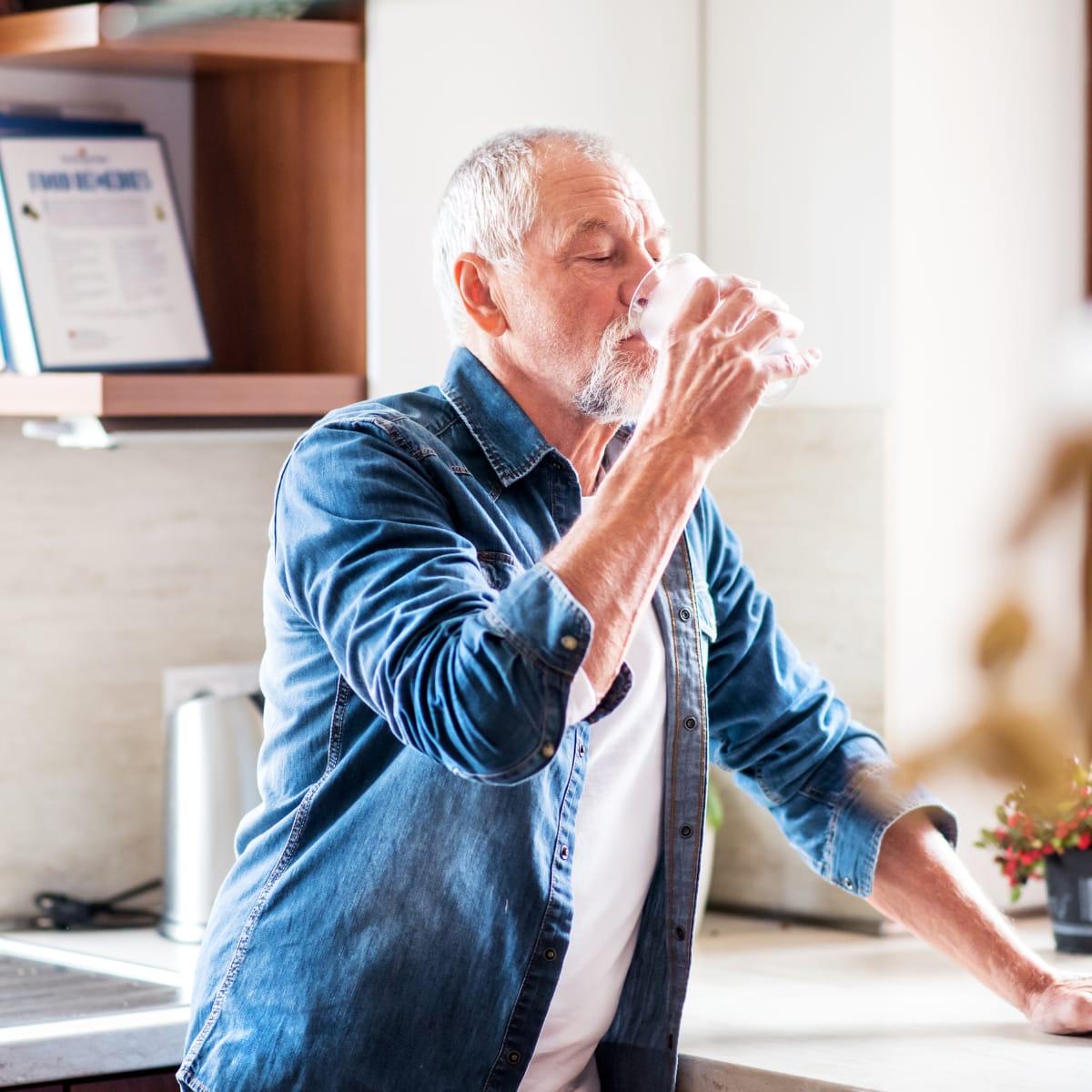
Aim for about half your body weight in ounces of water a day, plus extra for exercise (more on hydration for seniors here). Hydration isn't just about quenching thirst — it plays a crucial role in muscle repair and reducing soreness. Dehydration slows recovery, so aim to drink plenty of water throughout the day. A good rule of thumb is to drink half your body weight in ounces. For example, if you weigh 160 lbs, aim for around 80 ounces of water daily. Add about 12 extra ounces for every 30 minutes of exercise.
For longer sessions or hot days, consider adding electrolytes. A pinch of sea salt works as a natural electrolyte boost, or you can use a commercial product. I personally use LMNT because it provides essential electrolytes without the added sugar.
2. What Should You Eat After a Workout?
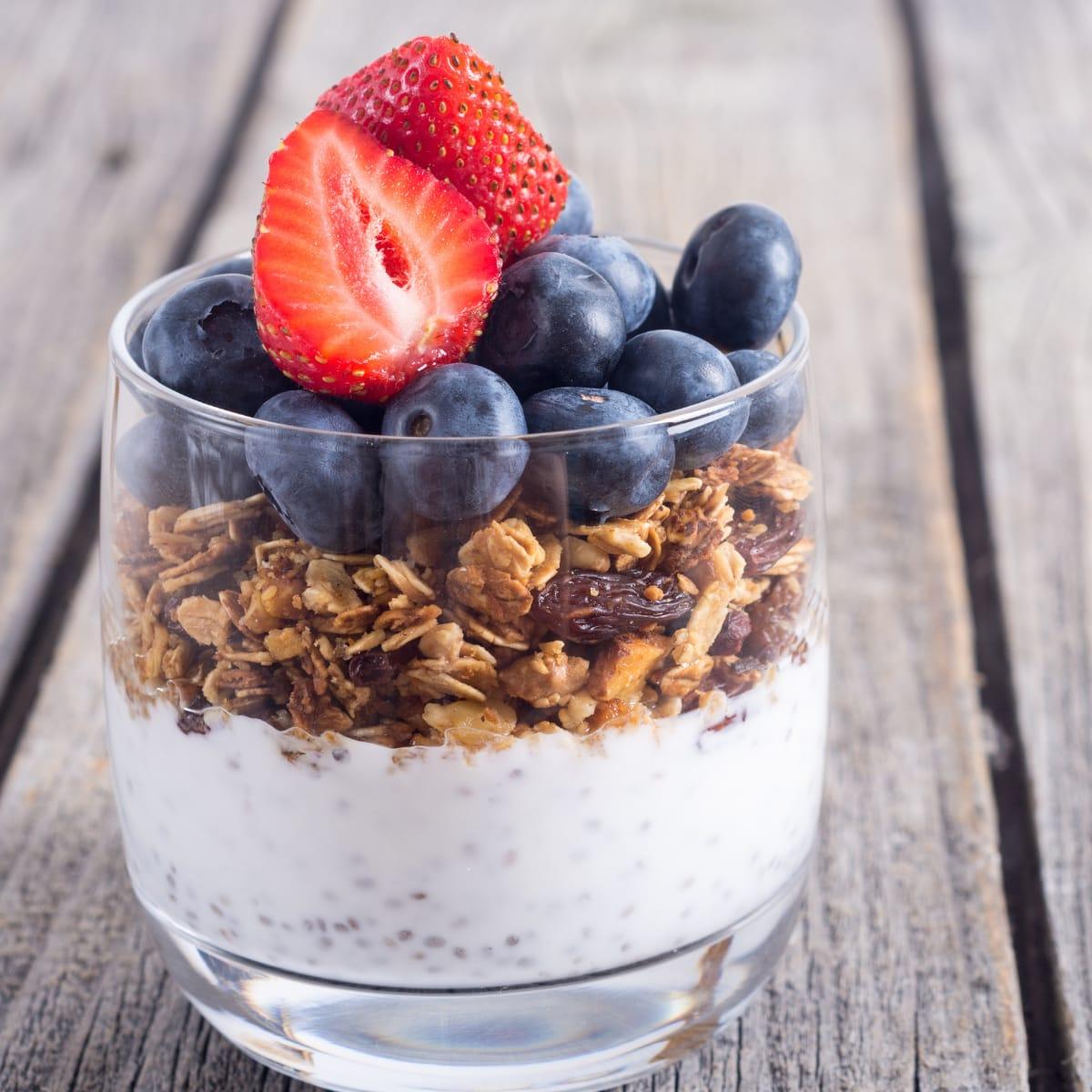
Eat a combination of protein and carbohydrates, ideally within an hour, because muscles need fuel to repair. Research shows that consuming a combination of protein and carbohydrates within an hour after exercise can improve muscle recovery. Try Greek yogurt with berries or scrambled eggs with whole-grain toast. (Here's how much protein for older adults to aim for.)
3. Stretch and Foam Roll to Release Tension
Gentle stretching after a workout helps prevent stiffness and maintain flexibility. Foam rolling or using a massage ball can target tight muscles effectively. Research shows that self-myofascial release (such as foam rolling) can reduce muscle soreness and improve mobility.
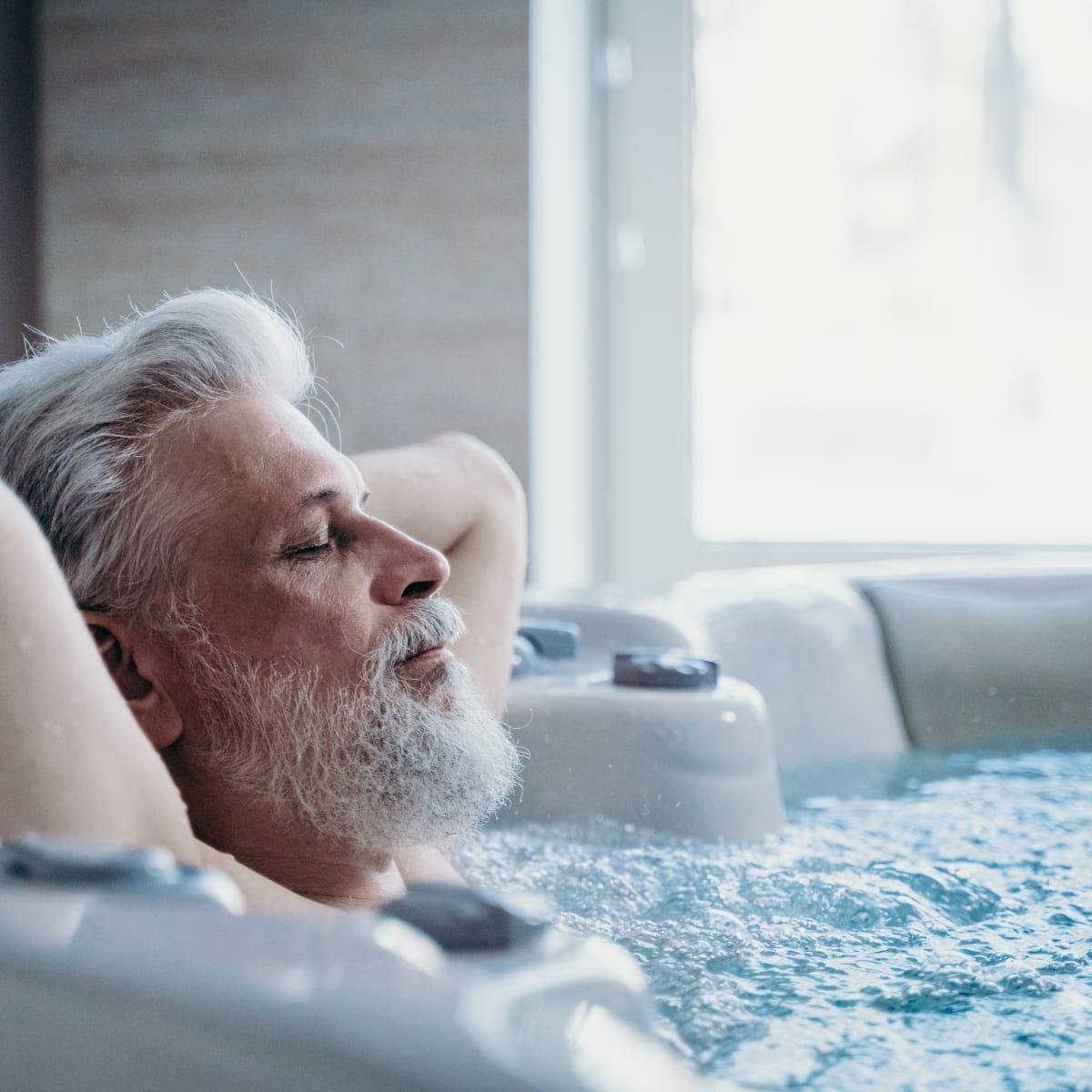
4. Get Hot! (Hot Tubs and Warm Baths)
A soak in a warm bath or hot tub can work wonders for sore muscles. Heat increases blood flow, which helps carry nutrients to tissues for faster healing. Hydrotherapy has been linked to pain relief and reduced muscle tightness.
Pro Tip: Add Epsom salts to your bath if you find them relaxing — just know there's little evidence that much magnesium is absorbed through the skin. The warm soak itself is doing most of the work.
5. How Much Sleep Do You Need to Recover From Exercise?
Aim for 7–9 hours of quality rest to support recovery, because a lot of muscle repair happens during sleep. Here's more on what sleep does for your body.
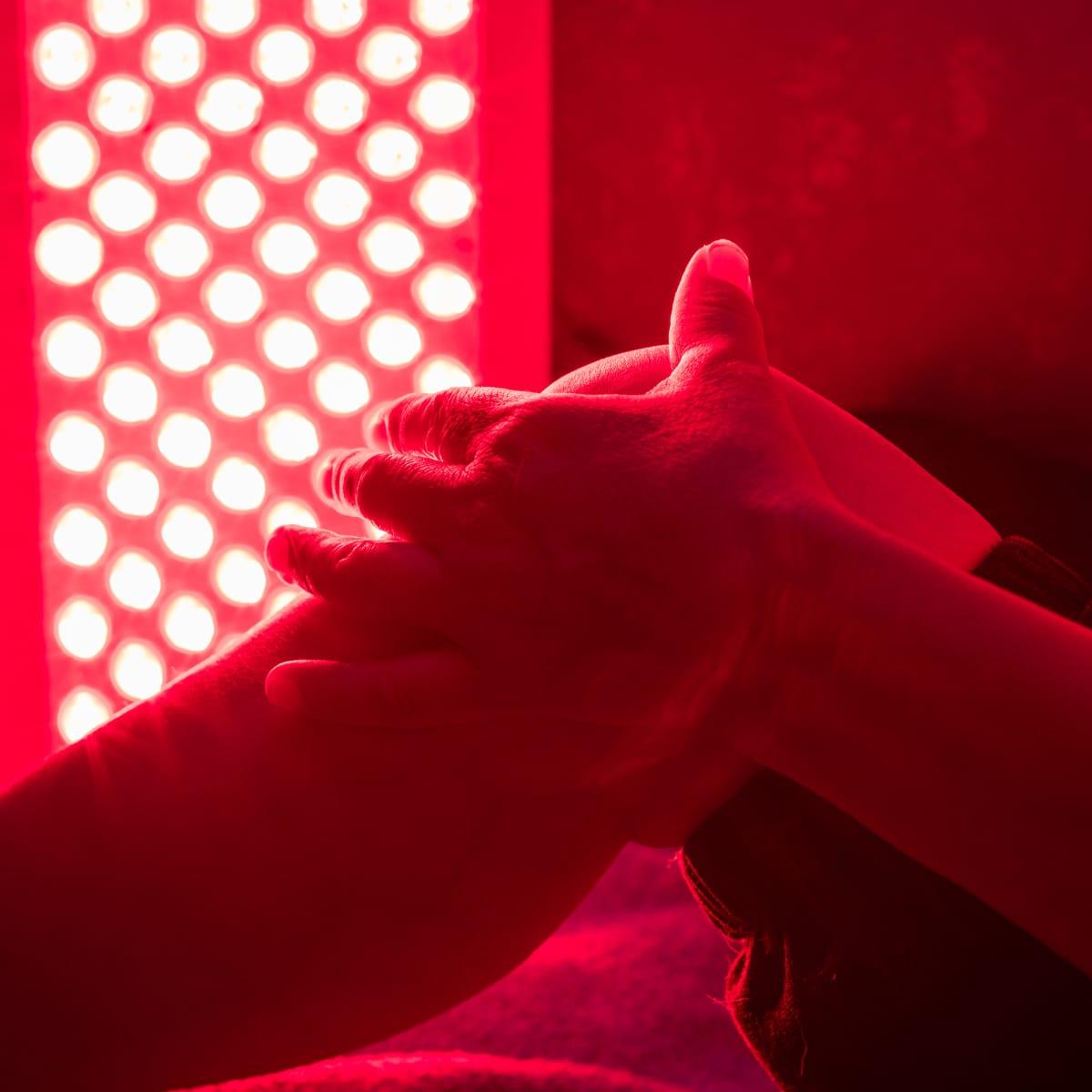
6. Red Light Therapy
This lesser-known treatment uses specific wavelengths of light to penetrate the skin and stimulate cellular repair. Some research suggests red light therapy may help reduce muscle damage and soreness after exercise, though the results so far are mixed.
How to Try It: Home devices are available, or check local wellness clinics.
7. Active Recovery
Low-impact movement like walking, swimming, or gentle stretching the day after exercise promotes circulation and speeds up recovery.
8. Breath Training
Deep breathing calms the nervous system and improves oxygen flow to the muscles. Consider diaphragmatic breathing or Inspiratory Muscle Strength Training (IMST). IMST not only calms the nervous system but it also improves balance! (Here's more on how breathing affects balance.)
9. Listen to Your Body
Your body sends signals when it needs more rest. Don't ignore persistent pain or fatigue.
Make Recovery Part of Your Training
Recovery isn't a luxury — it's a vital part of staying strong, injury-free, and energized as you continue your fitness journey. By incorporating these tips, you'll give your body the care it needs to keep doing the activities you love. If you'd like help balancing hard work and recovery, that's part of what we do in in-home personal training. Happy training — and recovering!
Kristen
Try the recipe: For an easy post-workout refuel, try this Greek yogurt parfait with berries and nuts — get the recipe.
Sources
- American College of Sports Medicine; Sawka MN, Burke LM, Eichner ER, et al. American College of Sports Medicine position stand. Exercise and fluid replacement. Med Sci Sports Exerc. 2007;39(2):377-390. View source
- Kerksick CM, Arent S, Schoenfeld BJ, et al. International Society of Sports Nutrition position stand: nutrient timing. J Int Soc Sports Nutr. 2017;14:33. View source
- Schoenfeld BJ, Aragon AA, Krieger JW. The effect of protein timing on muscle strength and hypertrophy: a meta-analysis. J Int Soc Sports Nutr. 2013;10(1):53. View source
- Wiewelhove T, Döweling A, Schneider C, et al. A meta-analysis of the effects of foam rolling on performance and recovery. Front Physiol. 2019;10:376. View source
- Herbert RD, de Noronha M, Kamper SJ. Stretching to prevent or reduce muscle soreness after exercise. Cochrane Database Syst Rev. 2011;(7):CD004577. View source
- Wang Y, Li S, Zhang Y, et al. Heat and cold therapy reduce pain in patients with delayed onset muscle soreness: a systematic review and meta-analysis of 32 randomized controlled trials. Phys Ther Sport. 2021;48:177-187. View source
- Gröber U, Werner T, Vormann J, Kisters K. Myth or reality—transdermal magnesium? Nutrients. 2017;9(8):813. View source
- Dattilo M, Antunes HK, Medeiros A, et al. Sleep and muscle recovery: endocrinological and molecular basis for a new and promising hypothesis. Med Hypotheses. 2011;77(2):220-222. View source
- Watson NF, Badr MS, Belenky G, et al. Recommended amount of sleep for a healthy adult: a joint consensus statement of the American Academy of Sleep Medicine and Sleep Research Society. Sleep. 2015;38(6):843-844. View source
- Dupuy O, Douzi W, Theurot D, Bosquet L, Dugué B. An evidence-based approach for choosing post-exercise recovery techniques to reduce markers of muscle damage, soreness, fatigue, and inflammation: a systematic review with meta-analysis. Front Physiol. 2018;9:403. View source
- Zaccaro A, Piarulli A, Laurino M, et al. How breath-control can change your life: a systematic review on psycho-physiological correlates of slow breathing. Front Hum Neurosci. 2018;12:353. View source
- Ferraro FV, Gavin JP, Wainwright T, McConnell A. The effects of 8 weeks of inspiratory muscle training on the balance of healthy older adults: a randomized, double-blind, placebo-controlled study. Physiol Rep. 2019;7(9):e14076. View source
- Craighead DH, Heinbockel TC, Freeberg KA, et al. Time-efficient inspiratory muscle strength training lowers blood pressure and improves endothelial function, NO bioavailability, and oxidative stress in midlife/older adults with above-normal blood pressure. J Am Heart Assoc. 2021;10(13):e020980. View source
This article is for general education and isn't medical advice. Please talk with your doctor before starting a new exercise, nutrition or supplement routine. See our health disclaimer.

About the author
Kristen Nielsen
Kristen founded TogetherWON after watching what strength training could do for older adults — including her own grandparents. She's an ACE Certified Personal Trainer with 10+ years in functional aging, a University of Central Florida graduate, and a former Division I swimmer and track & field athlete.
Senior Fitness Specialist · Functional Aging Specialist · Parkinson's Disease Specialist · Brain Health Trainer · Corrective Exercise Specialist
want these in your inbox?
Get my Saturday letters
One idea for your body, brain or balance each week, usually with a recipe. Unsubscribe any time.
Keep reading
Recovery · Body
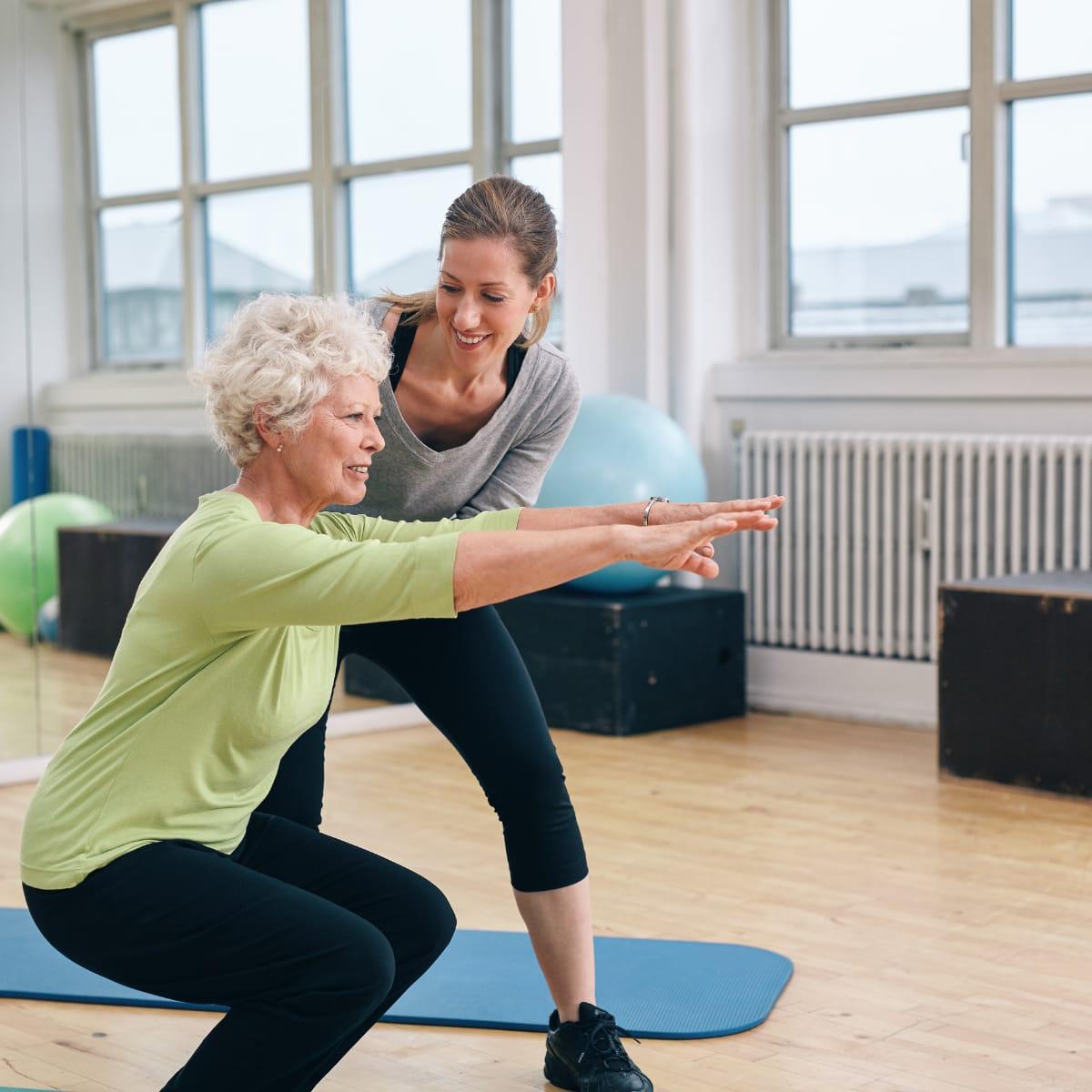
How to Rebuild Strength After an Injury Over 60
Coming back from an injury after 60? Six steps to rebuild strength safely, from respecting healing time and easing back into load to using pain as a guide.
July 12, 2025 · 3 min read
Recovery · Body
Overtraining After 60: 5 Warning Signs and When to Stop
Five warning signs of overtraining after 60, from lingering fatigue to a higher resting heart rate, plus how to find balance and when to stop.
February 8, 2025 · 2 min read
Body · Recovery
Lower Back Pain Exercises for Seniors
Which kinds of back pain respond to exercise, when to see a doctor instead, and eight simple moves to strengthen and loosen a sore lower back.
February 1, 2025 · 6 min read