Red Light Therapy for Seniors: Hype or Healing?
By Kristen Nielsen, Founder & Senior Fitness Specialist
· Recovery & Body · 4 minute read
Part of our guide: Recovery After 60: Rest, Sleep and Stress
Key takeaways
- Red light therapy, also called photobiomodulation, uses red and near-infrared light that appears to affect the mitochondria and the processes behind inflammation and tissue repair.
- Research is promising: light aimed at specific muscles may ease soreness after hard exercise, and it reduced knee arthritis pain compared with placebo, though the knee evidence is very low quality.
- Studies haven't shown that it adds to strength gains in older adults or slows aging, and whole-body light beds haven't shown a clear benefit for exercise recovery.
- No light therapy replaces regular exercise, good nutrition and enough sleep. If you buy a home panel, compare wavelengths, treatment area, warranty and return policy.
Is red light therapy worth trying as you get older? It may help with muscle soreness after exercise, knee pain and aging skin, but the research is still early, and it can't replace exercise, good food and sleep. (Our guide to recovery after 60 covers the habits that matter most.)
One of my favorite ways to help my body recover and feel more energized is red light therapy. I've become increasingly interested in how something as simple as light might support our bodies, especially as we age. But is there actually good science behind it?
As it turns out, there's some promising research!
What Is Red Light Therapy?
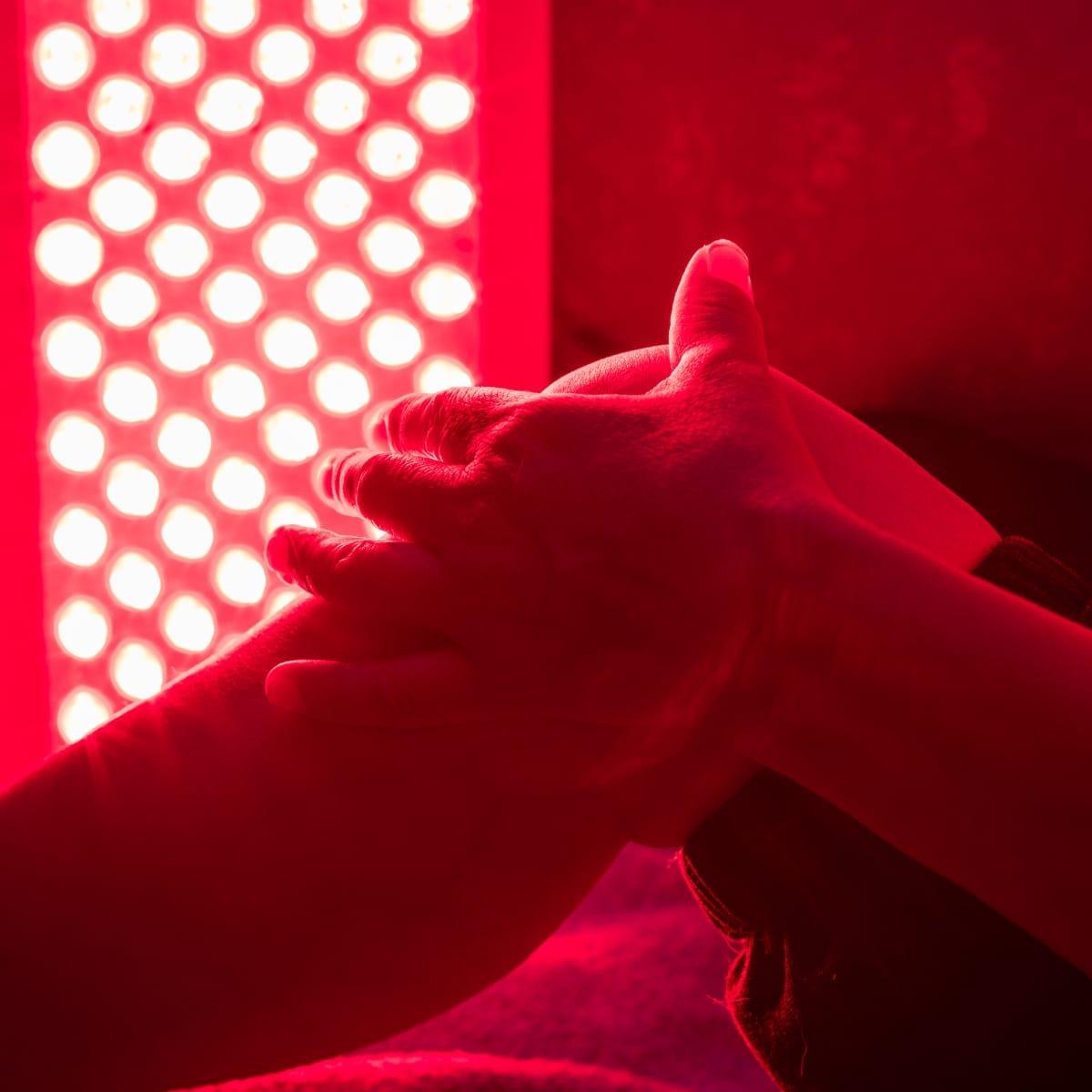
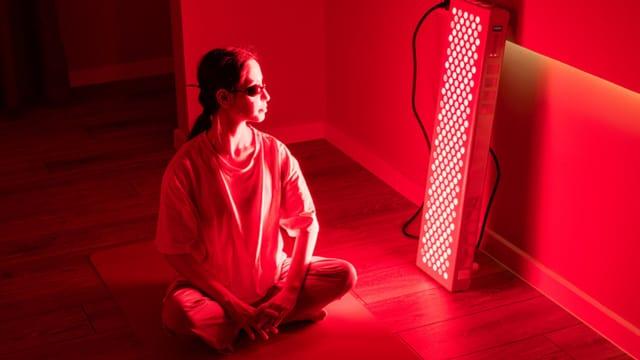
Red light therapy, also called photobiomodulation, uses specific wavelengths of red and near-infrared light to influence cellular activity.
Scientists believe this light can affect the mitochondria, the tiny structures in our cells responsible for producing energy. It also appears to influence cellular processes involved in inflammation and tissue repair.
Why Does Red Light Therapy Matter as We Age?
Recovery becomes especially important as we get older. Our muscles need time to repair after exercise, our joints may become more sensitive, and our bodies may not bounce back from physical stress as quickly as they once did.
What Does the Research Say About Red Light Therapy?
Researchers are investigating whether red light therapy can help support some of these processes. Here's what they've discovered:
1. Less muscle soreness after exercise. A 2025 review of 14 studies found that targeted light therapy may reduce delayed muscle soreness and help restore muscle strength following strenuous exercise. That's encouraging news, although researchers are still determining which treatment methods work best.
2. Relief from joint discomfort. A 2024 review involving 542 people with knee osteoarthritis found that light therapy reduced pain compared with placebo. However, the researchers considered the evidence quality very low, meaning more research is needed before we can confidently recommend it. Exercise is still the first treatment to try for knee arthritis, and here are exercises for knee pain after 60.
3. Improvements in aging skin. Studies have also found improvements in wrinkles, skin texture, and elasticity with some red light treatments. While this doesn't mean we're reversing aging, it suggests light may have some beneficial effects on aging tissues.
Is Red Light Therapy Worth Trying?
Quite possibly! It's a fascinating area of research, and certain treatments may provide benefits. But not all treatments deliver the same wavelengths or doses, and studies haven't established that red light therapy produces greater strength gains in older adults or slows biological aging.
It's also worth noting that much of the positive muscle recovery research has involved light directed at specific muscles. The few studies of whole-body light beds haven't found a clear benefit for exercise recovery, although two of them did find better sleep.
And here's something important to remember: No light therapy can replace the benefits of regular exercise, good nutrition, and adequate sleep. Those are still our most powerful tools for maintaining strength, recovering well, and staying independent as we age.
Where Can You Try Red Light Therapy in Colorado Springs?
If you're curious about red light therapy and you live near us, there are a couple of places right here in Colorado Springs where you can experience it for yourself.
Renoja Wellness is located in the Northgate area at 13375 Voyager Parkway. They offer a full-body red and near-infrared light bed with approximately 15-minute sessions. Renoja advertises a free introductory trial for first-time local residents.
Goosebumps Cryotherapy is located at 2320 Vickers Drive. They offer a red and near-infrared light bed, with sessions typically lasting 4 to 8 minutes. They also have introductory package specials.
Can You Do Red Light Therapy at Home?
Yes. There are plenty of choices, but here are three established brands and models worth comparing (prices as of October 2026):
- Hooga HG300 (approximately $199). A compact, straightforward red and near-infrared light panel for treating smaller areas.
- Mito Red Light MitoPRO 300X (approximately $449). A premium compact panel offering six wavelengths and adjustable settings.
- PlatinumLED BIOMAX 600 (approximately $1,049). A larger panel for treating broader areas of the body.
These are options to research rather than devices proven to outperform other brands. If you decide to purchase one, pay attention to the wavelengths, treatment area, warranty, and return policy, and follow the maker's directions, including how to protect your eyes.
Have You Tried Red Light Therapy?
Beyond the scientific research, there are countless personal stories from people who say they've experienced benefits from red light therapy, including better sleep, increased energy, and faster recovery. Of course, personal experiences don't always tell us whether a treatment is responsible for those improvements, but I still find them interesting, especially considering I have noticed positive effects myself.
Have you tried red light therapy? Did you notice any difference in your sleep, energy, muscle recovery, or joint discomfort? I'd love to hear about your experience, whether it was positive or not. Tell me about it!
If you want to explore the research yourself, I've listed the recent studies on red light therapy below.
Kristen
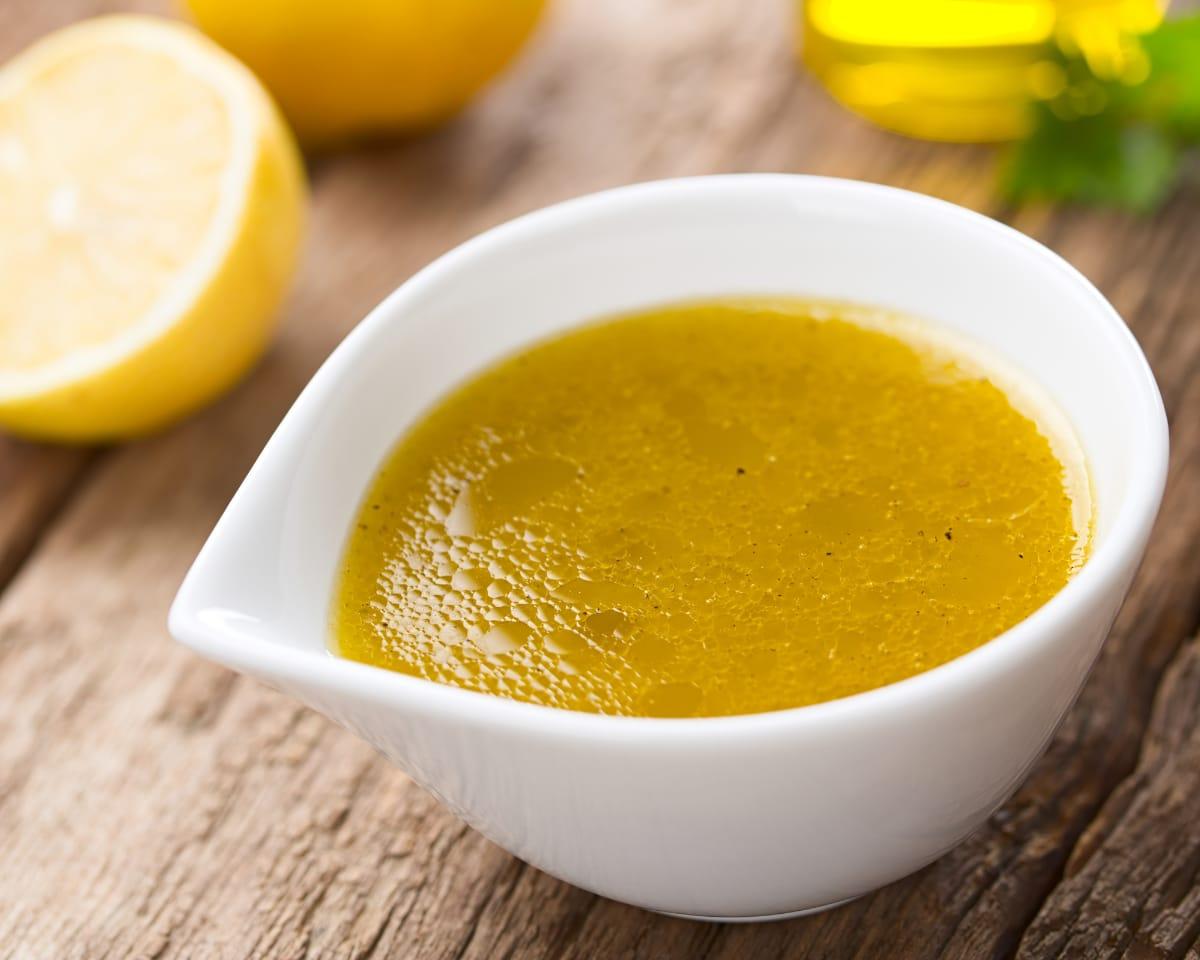
Try the recipe: For a fresh salad dressing with just a few ingredients and no seed oils or preservatives, try this lemon and olive oil vinaigrette — get the recipe.
Sources
- Tsou YA, Chang NJ, Chang WD. Effects of photomodulation therapy for delayed onset muscle soreness: a systematic review and meta-analysis. J Funct Morphol Kinesiol. 2025;10(3):277. doi:10.3390/jfmk10030277 View source
- Oliveira S, Andrade R, Valente C, et al. Effectiveness of photobiomodulation in reducing pain and disability in patients with knee osteoarthritis: a systematic review with meta-analysis. Phys Ther. 2024;104(8):pzae073. doi:10.1093/ptj/pzae073 View source
- Chen H, Eungpinichpong W, Asawaphureekorn S, et al. Photobiomodulation as an adjunct to resistance training in older adults: a systematic review and meta-analysis. Photobiomodul Photomed Laser Surg. 2026;44(9):557-568. doi:10.1177/25785478261469320 View source
- Das RK, Thayer WP, Kubiak CA, Orra S, Connor LM, Perdikis G. Efficacy and safety of at-home light-emitting diode photobiomodulation for facial rejuvenation: a systematic review. Aesthetic Plast Surg. Published online October 14, 2026. doi:10.1007/s00266-026-06333-w View source
- Vital de Azevedo WM, de Souza K, Defante ML, et al. Photobiomodulation and sleep quality: systematic review and meta-analysis. Lasers Med Sci. 2026;41(1):122. doi:10.1007/s10103-026-04913-5 View source
- Álvarez-Martínez M, Borden G. A systematic review on whole-body photobiomodulation for exercise performance and recovery. Lasers Med Sci. 2025;40(1):55. doi:10.1007/s10103-025-04318-w View source
This article is for general education and isn't medical advice. Please talk with your doctor before starting a new exercise, nutrition or supplement routine. See our health disclaimer.

About the author
Kristen Nielsen
Kristen founded TogetherWON after watching what strength training could do for older adults — including her own grandparents. She's an ACE Certified Personal Trainer with 10+ years in functional aging, a University of Central Florida graduate, and a former Division I swimmer and track & field athlete.
Senior Fitness Specialist · Functional Aging Specialist · Parkinson's Disease Specialist · Brain Health Trainer · Corrective Exercise Specialist
want these in your inbox?
Get my Saturday letters
One idea for your body, brain or balance each week, usually with a recipe. Unsubscribe any time.
Keep reading
Recovery · Body
How to Rebuild Strength After an Injury Over 60
Coming back from an injury after 60? Six steps to rebuild strength safely, from respecting healing time and easing back into load to using pain as a guide.
July 12, 2025 · 3 min read
Recovery · Body
Overtraining After 60: 5 Warning Signs and When to Stop
Five warning signs of overtraining after 60, from lingering fatigue to a higher resting heart rate, plus how to find balance and when to stop.
February 8, 2025 · 2 min read
Recovery · Body
Post-Workout Recovery Tips for Older Adults
Nine ways to recover better after exercise, from hydration, protein and foam rolling to sleep, warm soaks, active recovery and breath training.
February 15, 2025 · 4 min read