Social Connection: A Strong Predictor of Longevity
By Kristen Nielsen, Founder & Senior Fitness Specialist
· Updated · Recovery · 2 minute read
Part of our guide: Recovery After 60: Rest, Sleep and Stress
Key takeaways
- Social connection is one of the strongest predictors of a longer life: a 2010 review of 148 studies found stronger relationships meant a 50% greater likelihood of survival.
- That effect is comparable to well-known health behaviors like quitting smoking, yet connection gets talked about far less than exercise and nutrition.
- Even small moments count, like a 5-minute phone call, coffee with a friend, or accepting an invitation you might normally decline.
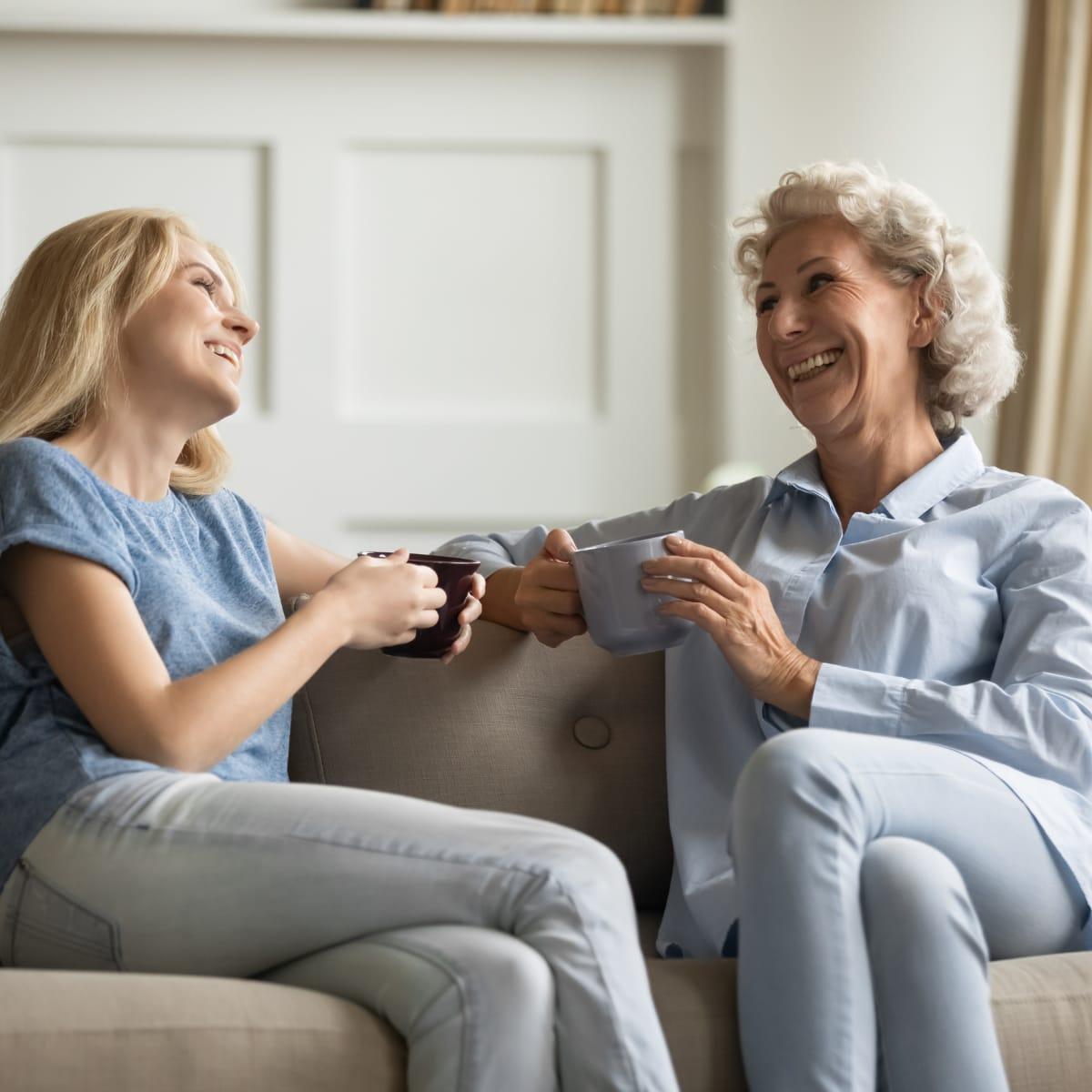
Social connection is one of the strongest predictors of how long we live: a 2010 review of 148 studies found that people with stronger relationships had a 50% greater likelihood of survival. It's also one of the easiest parts of recovery after 60 to overlook.
In the health and fitness world, we spend a lot of time talking about what helps us live longer. Exercise and nutrition are often at the top of the list — and for good reason.
But one of the strongest predictors of longevity is something we don't talk about nearly enough:
Social connection.
How Much Does Social Connection Affect Longevity?
A lot, according to one of the largest reviews on the topic.
In 2010, researcher Julianne Holt-Lunstad and her colleagues published a large scientific review in the journal PLOS Medicine. Instead of looking at one small study, they analyzed 148 different studies, following more than 300,000 people over time.
Here's what they found:
People with stronger social relationships had a 50% greater likelihood of survival compared to those with weaker social connections.
That's not a small effect. It's comparable to well-known health behaviors like quitting smoking or maintaining a healthy weight.
In plain language: staying socially connected helps people live longer.
Here's a link to this fascinating study: Holt-Lunstad J, Smith TB, Layton JB (2010). Social relationships and mortality risk: A meta-analytic review. PLOS Medicine, 7(7), e1000316.
Why Does Connection Matter So Much as We Age?
Because loneliness often grows just as health risks do. The holidays are often described as a season of joy and togetherness — but for many older adults, they can also highlight loneliness.
Children may live far away. Friends may have passed on. Mobility or health issues can make gatherings harder.
That's why this research matters.
Social connection doesn't mean hosting a big party or having a packed calendar. It means regular, meaningful contact with other people — and even small moments count.
How Can You Build More Social Connection?
Start small and choose one of these:
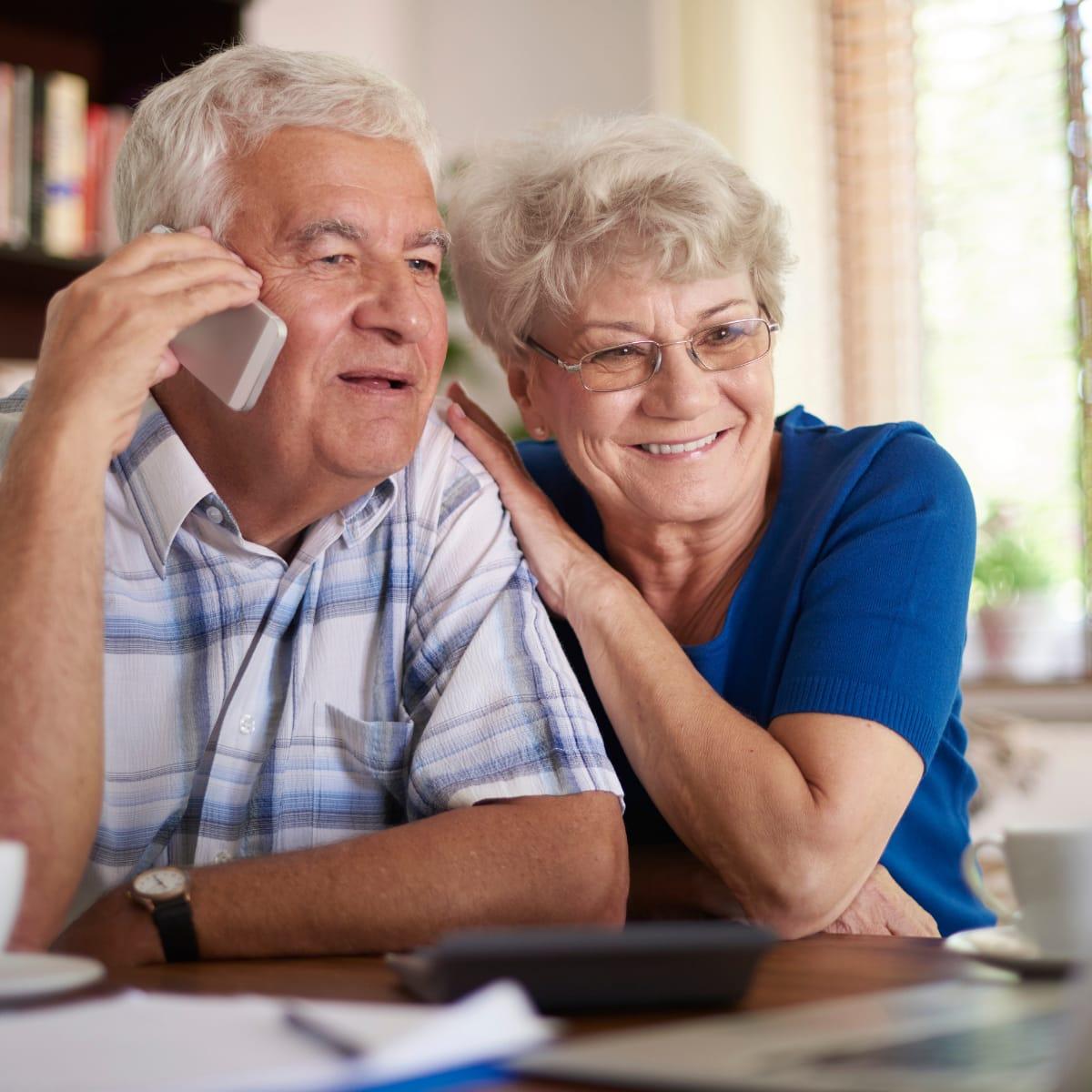
- Call someone you haven't talked to in a while — even for 5 minutes
- Accept an invitation you might normally decline
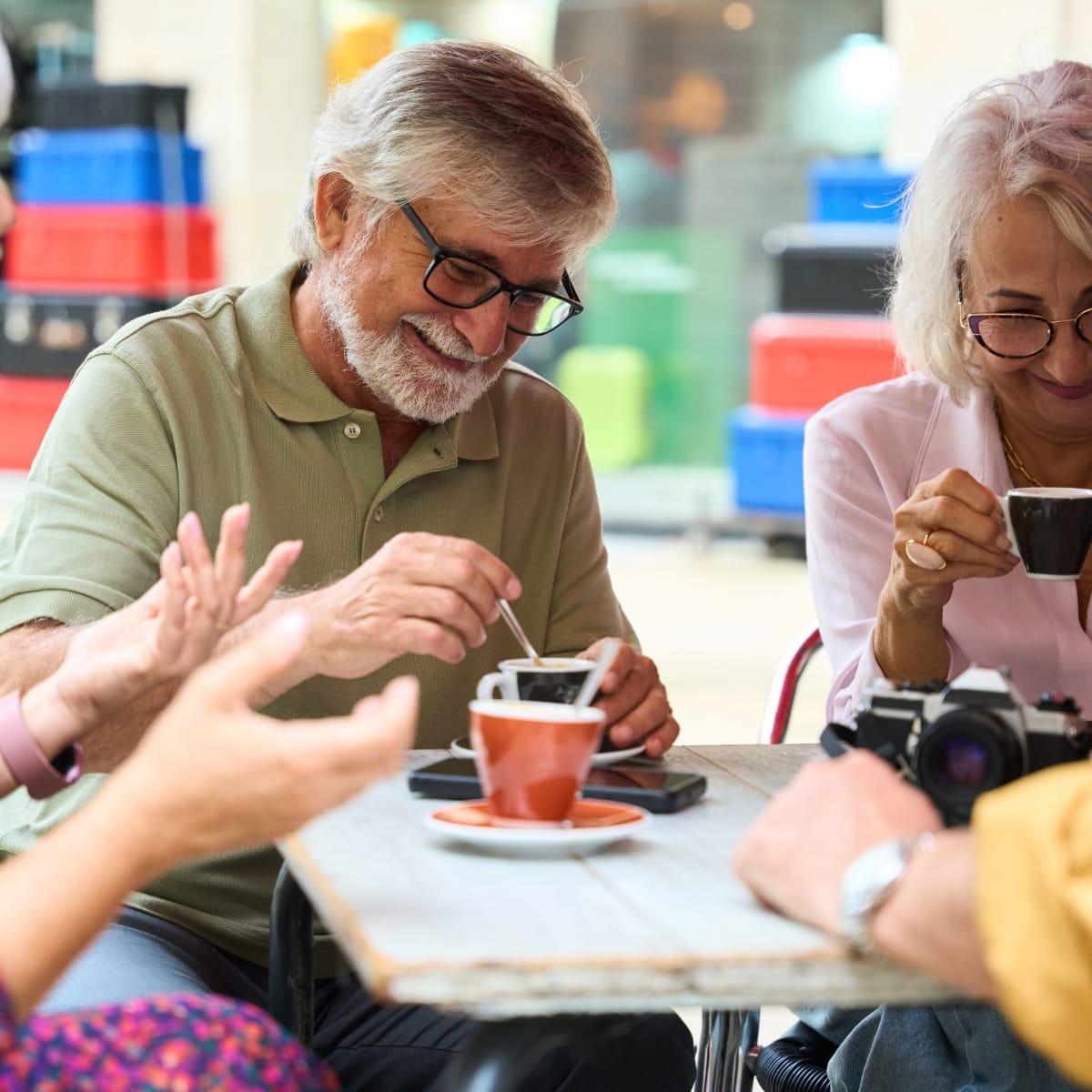
- Invite someone to join you for coffee, a walk, or a meal
- Sit a little longer after a gathering and have a real conversation
- If you'll be alone, attend a service, community event, or neighborhood gathering
Of course, I always try to help people strengthen their bodies, brains, and balance. But I also care about something just as powerful for your health and longevity: connection. It's one reason I love small group training and why a workout partner can do so much more than keep you accountable.
Consider social time part of your wellness plan — not as an obligation, but as an investment in your life and health and the life and health of those around you.
It truly matters.
Kristen
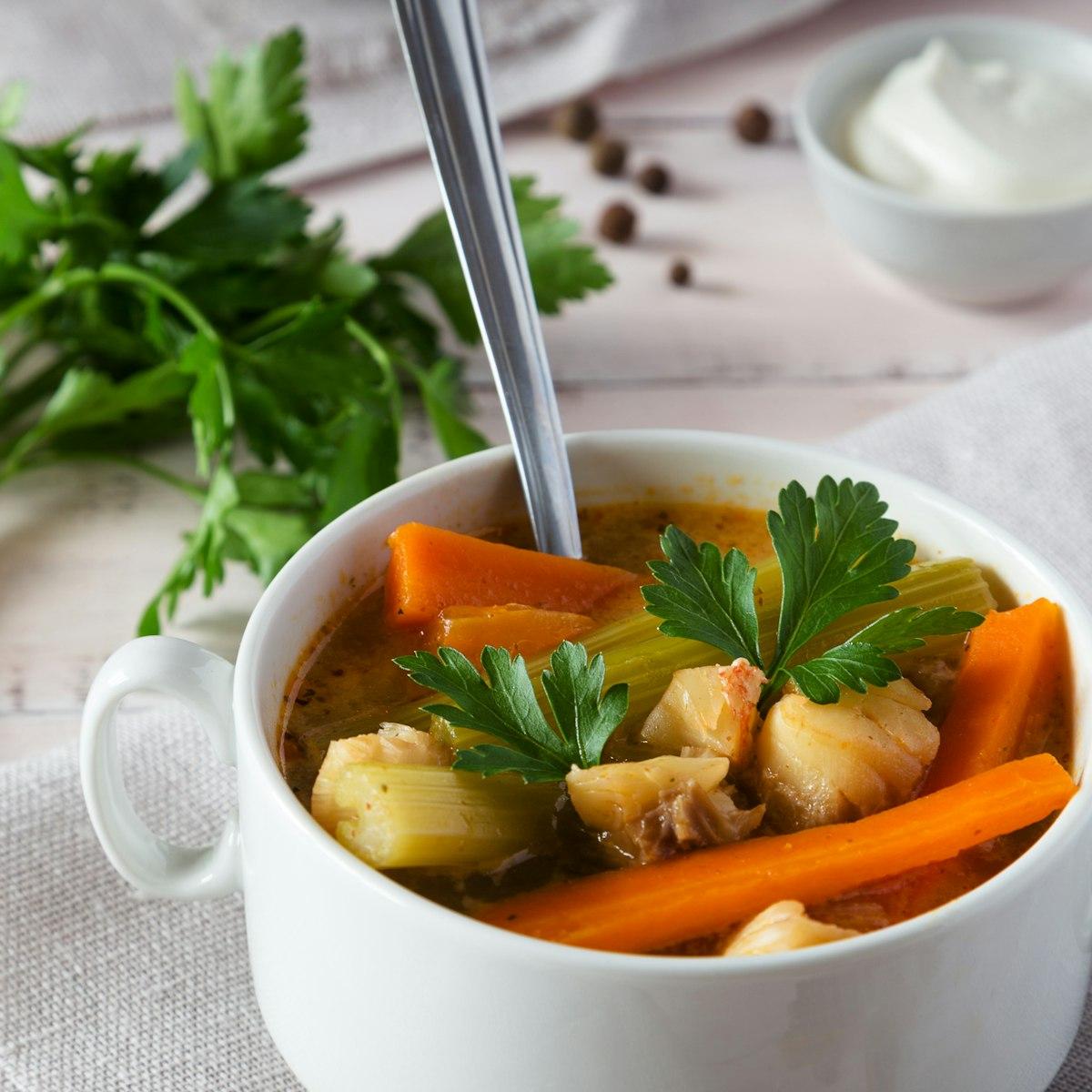
Try the recipe: Here's a simple, festive soup that's made for sharing — get the recipe.
Sources
- Holt-Lunstad J, Smith TB, Layton JB. Social relationships and mortality risk: a meta-analytic review. PLoS Med. 2010;7(7):e1000316. View source
This article is for general education and isn't medical advice. Please talk with your doctor before starting a new exercise, nutrition or supplement routine. See our health disclaimer.
About the author
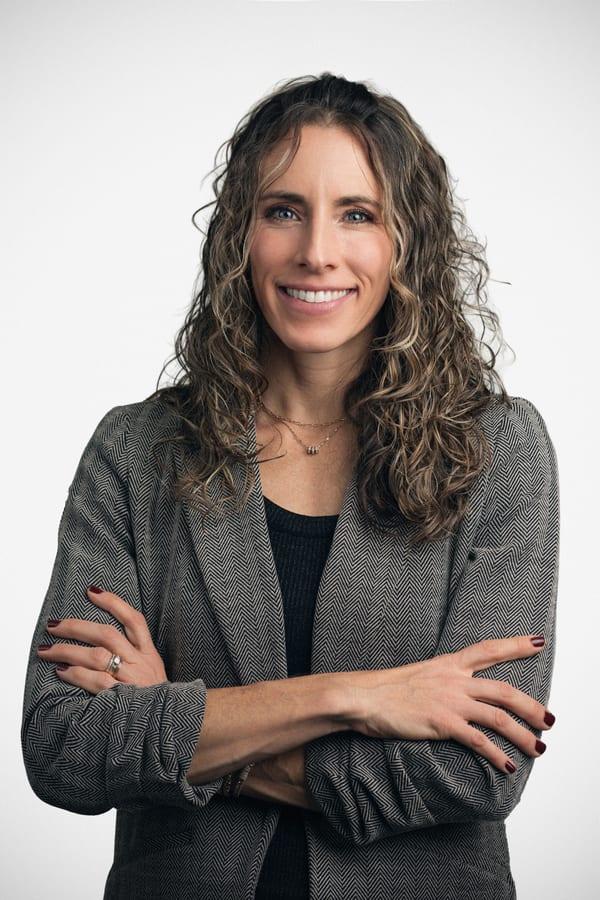
Kristen Nielsen
Kristen founded TogetherWON after watching what strength training could do for older adults — including her own grandparents. She's an ACE Certified Personal Trainer with 10+ years in functional aging, a University of Central Florida graduate, and a former Division I swimmer and track & field athlete.
Senior Fitness Specialist · Functional Aging Specialist · Parkinson's Disease Specialist · Brain Health Trainer · Corrective Exercise Specialist
want these in your inbox?
Get my Saturday letters
One idea for your body, brain or balance each week, usually with a recipe. Unsubscribe any time.
Keep reading
Recovery · Brain
Break the Stress Loop with a 60-Second Brain-Body Reset
When stress keeps replaying, movement that needs focus can interrupt the loop. Try this 60-second brain-body reset, seated or standing, to ease tension.
June 27, 2026 · 3 min read
Brain · Recovery
Gardening for Brain Health: Why a Little Dirt Helps
Gardening combines movement, planning, sunlight and purpose. Here's what research says about gardening, stress and dementia risk, and easy ways to start.
April 25, 2026 · 4 min read

Recovery
The Cyclic Sigh: A 1-Minute Breathing Exercise for Calm
The cyclic sigh is a simple breathing technique that calms your body's stress response. Here's how to do it, what the Stanford study found, and when to use it.
April 4, 2026 · 3 min read