Play-Based Exercise for Seniors: Have Fun Training
By Kristen Nielsen, Founder & Senior Fitness Specialist
· Updated · Body & Brain · 3 minute read
Part of our guide: Recovery After 60: Rest, Sleep and Stress
Key takeaways
- Play-based exercise, like dancing, playing catch and quick-step games, is a fun way for seniors to challenge balance, reaction time and memory all at once.
- Studies found older adults in playful, game-like training improved balance and reaction time more, and enjoyed it more, than those in traditional routines.
- Chasing grandkids, building an obstacle course or dancing in the living room are fun ways to work on balance, agility and coordination.
- Try a simple weekly play plan: balloon volleys on Monday, dancing or an exergame on Wednesday, and toe and heel walks or backyard games on Friday, even for 5 minutes.
Play-based exercise, like dancing, playing catch or a game of tag, is one of the best ways to stay strong and sharp as you age, because it trains your balance, reaction time and memory while you're having fun. It's also a joyful way to lower stress, one piece of recovery after 60.
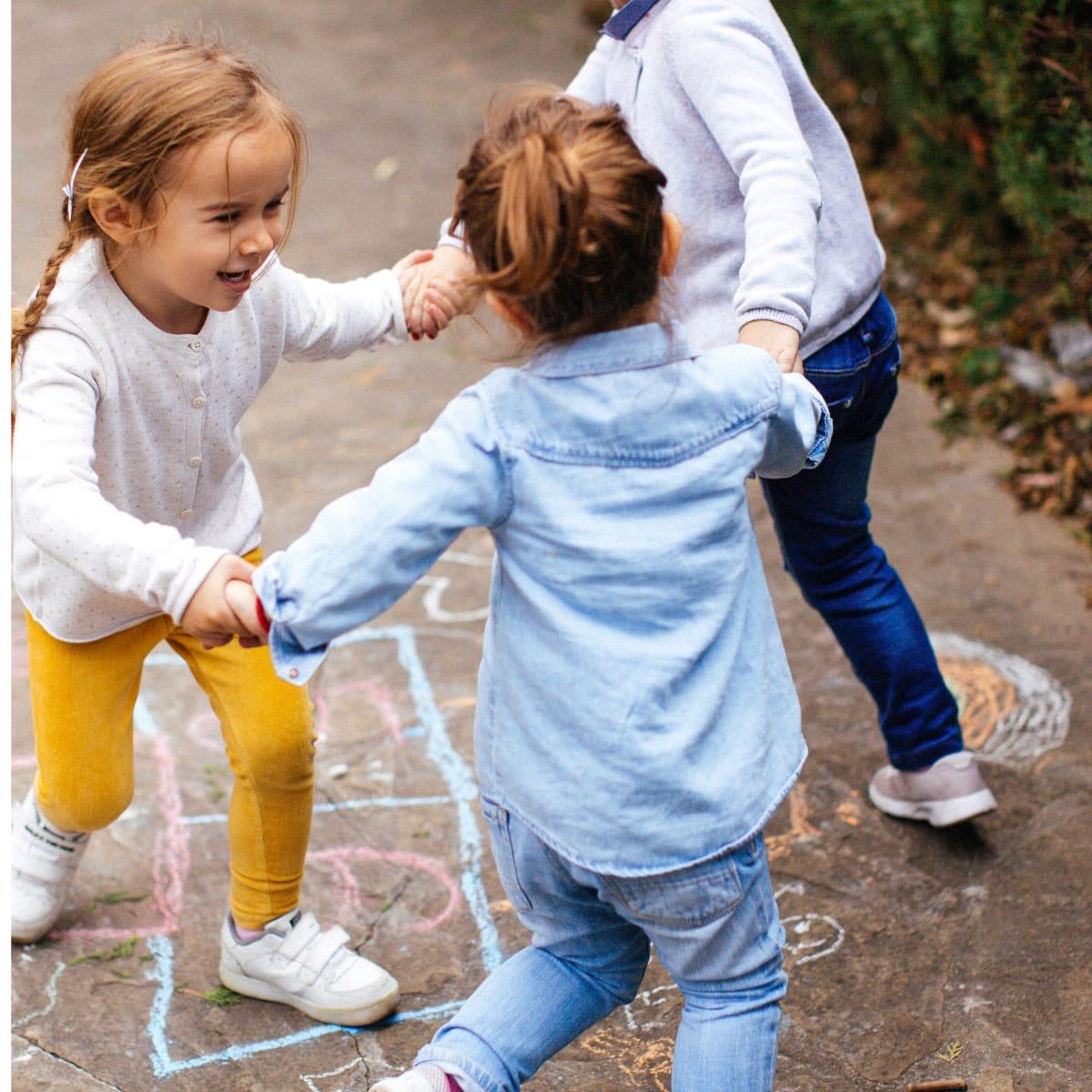
Remember the joy of play? Tag. Hopscotch. Rolling in the grass. As kids, we didn't "work out" — we played. And guess what? That playful kind of movement is one of the most powerful ways to stay young — physically, mentally, and emotionally. This is why I bring play into my individual and group sessions.
What Does Research Say About Play-Based Exercise?
Studies suggest that playful, game-like movement can improve balance, reaction time and enjoyment more than routine exercise:
- A 2023 study published in Frontiers in Public Health found that older adults who participated in playful balance and agility training — like obstacle courses, dance-based drills, and quick-step games — improved their balance and reaction time significantly more than those doing traditional walking or stretching programs.
- Another study in The Journal of Aging and Physical Activity showed that seniors who engaged in group-based "game-like" movements (such as partner ball tosses, cone weaving, and rhythm-based stepping) reported higher enjoyment, better adherence, and greater improvements in mobility than those in traditional gym routines.
And research continues to show that dancing, playing catch, and reactive movement drills not only improve physical function but also boost memory, sharpen focus, and elevate mood — thanks to their demand for quick thinking and coordination.
Why Is Play Such Good Exercise for Older Adults?
Play works because it's motivating, it trains your brain and body together, and it's fun:
- It's naturally motivating. You forget you're exercising.
- It recruits brain + body. Balance, memory, reaction time — all in one.
- It creates joy. Laughter, spontaneity, connection.
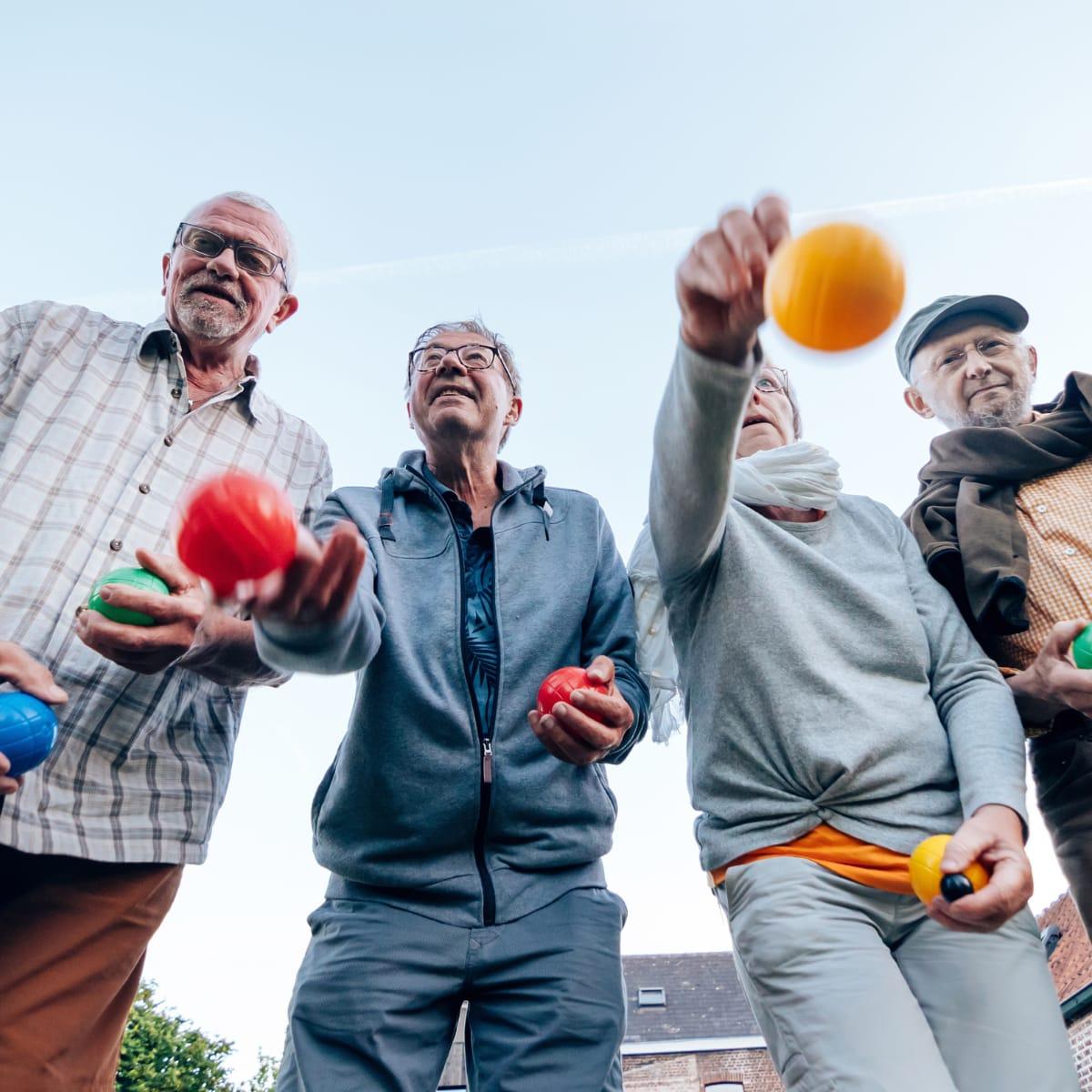
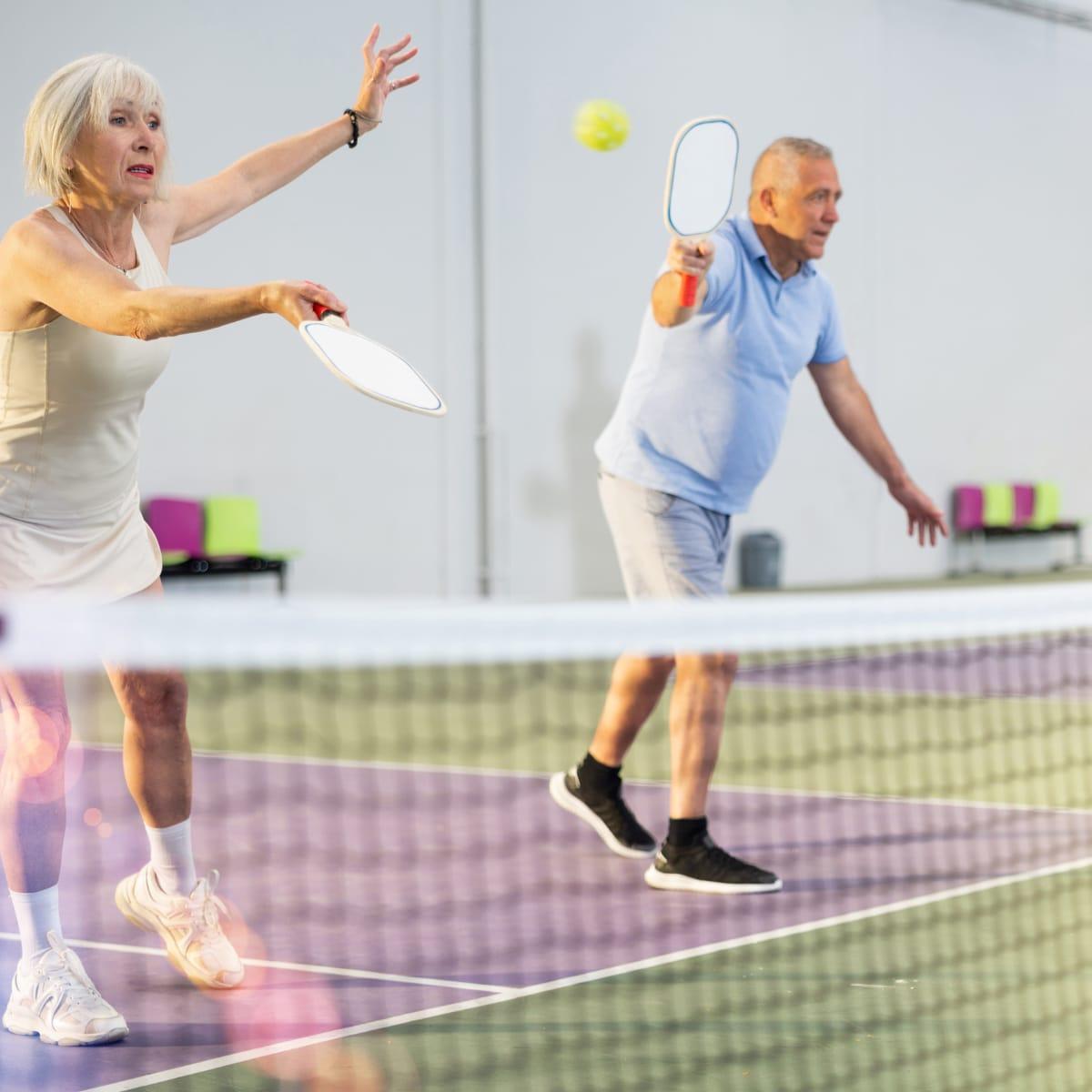
- And… it's inter-generational. It can even be a sport, like pickleball.
Play With Your Grandkids — Or Borrow Some!
Want the perfect functional workout?
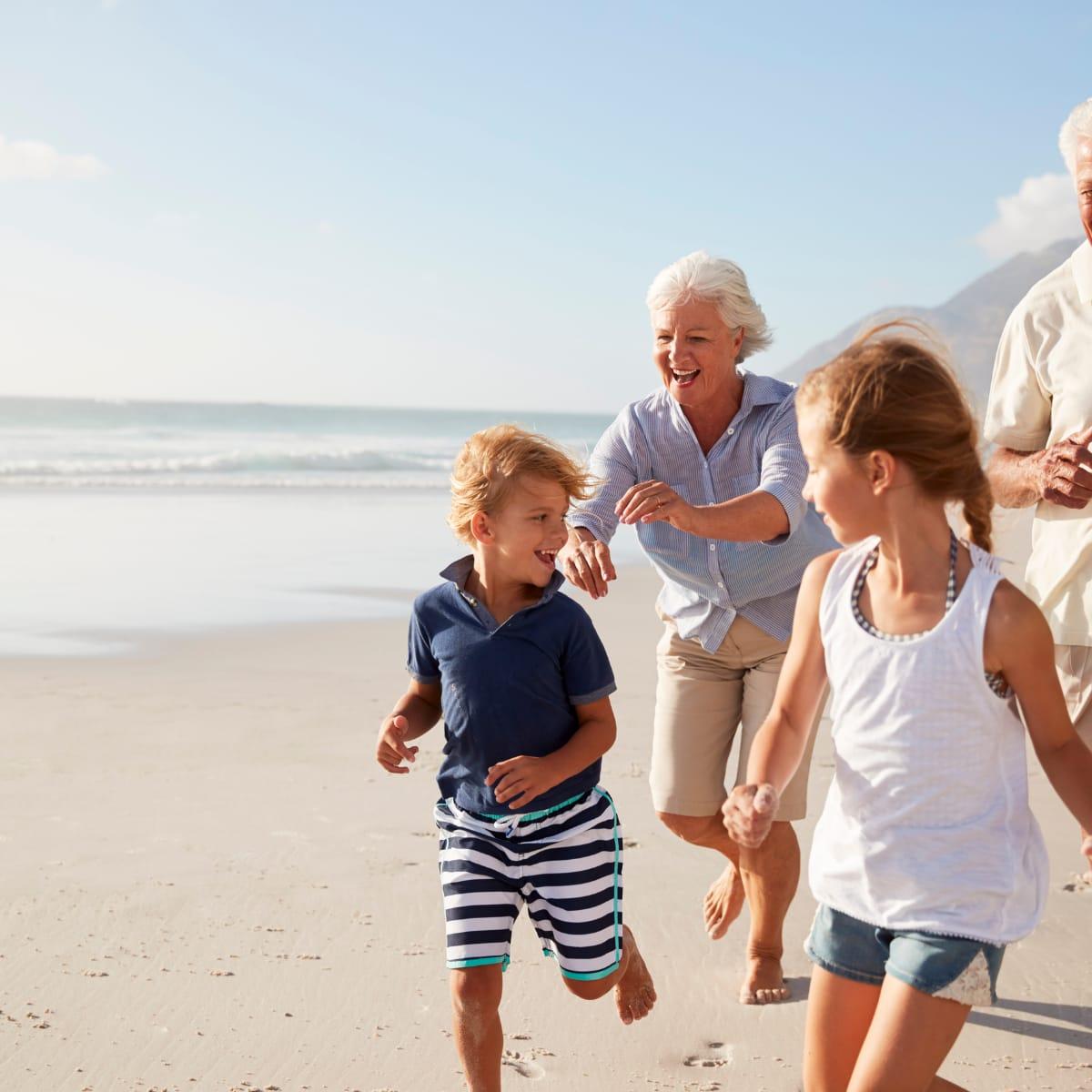
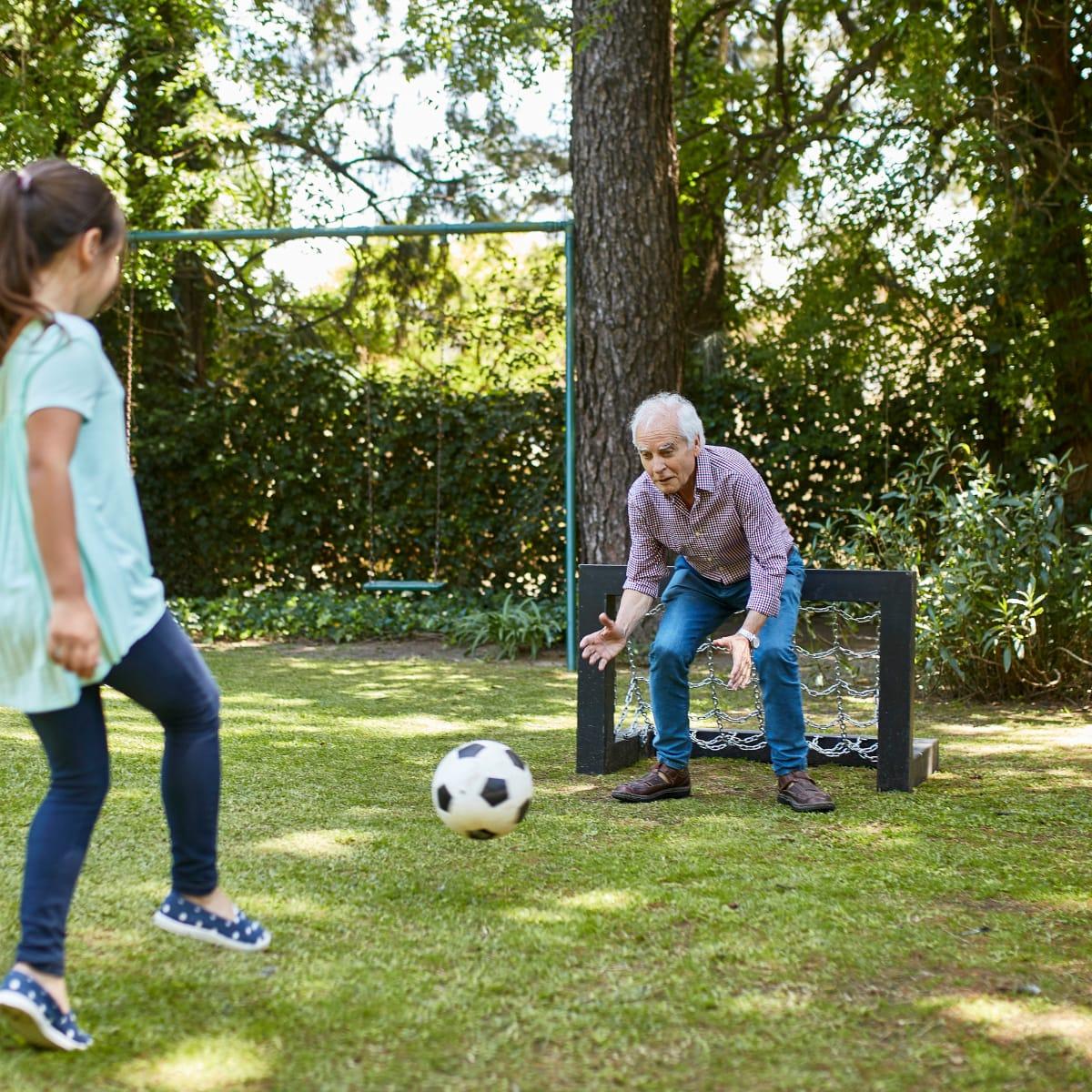
- Chase your grandkids in the yard.
- Play catch.
- Build an obstacle course together.
- Dance around the living room.
These spontaneous, joyful moments check every box:
- Balance
- Agility
- Coordination
- Laughter
- Bonding
A Play-Based Weekly Routine for Seniors
Here's an easy way to add kid-style movement into your week — no gym, no treadmill, just real movement and real fun.
1. Motivation Monday
Activity: Balloon or soft ball volley (solo or with someone).
Purpose: Sharpens reflexes, coordination, and posture.
2. Midweek Mind-Body Play (Wednesday)
Activity: Exergame or dancing to music (or try my brain-body workout to a song). Use a Just Dance video, Wii Fit, or a YouTube Zumba class. Here's a fun one to try:
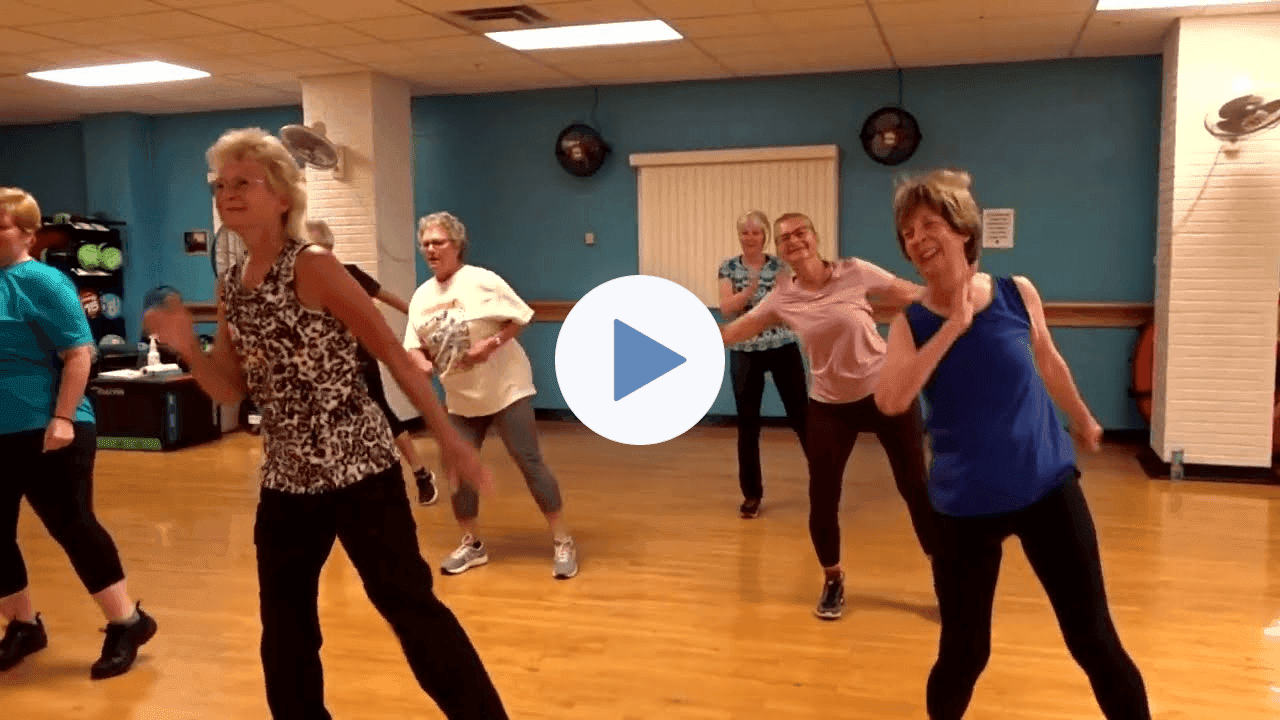
Watch the Zumba class on YouTube
Purpose: Studies show these boost brain function more than walking alone.
3. Feel-Good Friday
Activity: Toe/heel walks while tossing a ball, hallway obstacle course, or playing tag.
Bonus: Do this with your grandkids!
- Build a pillow tunnel.
- Play "Red Light, Green Light."
- Create a backyard "ninja course."
These games naturally include squats, lateral movement, crawling, reaching — everything your body needs.
Your Play Challenge
- Choose one playful movement per day — even 5 minutes.
- Involve someone else — a grandchild, friend, neighbor.
- Notice how you feel at the end of each session.
Kristen
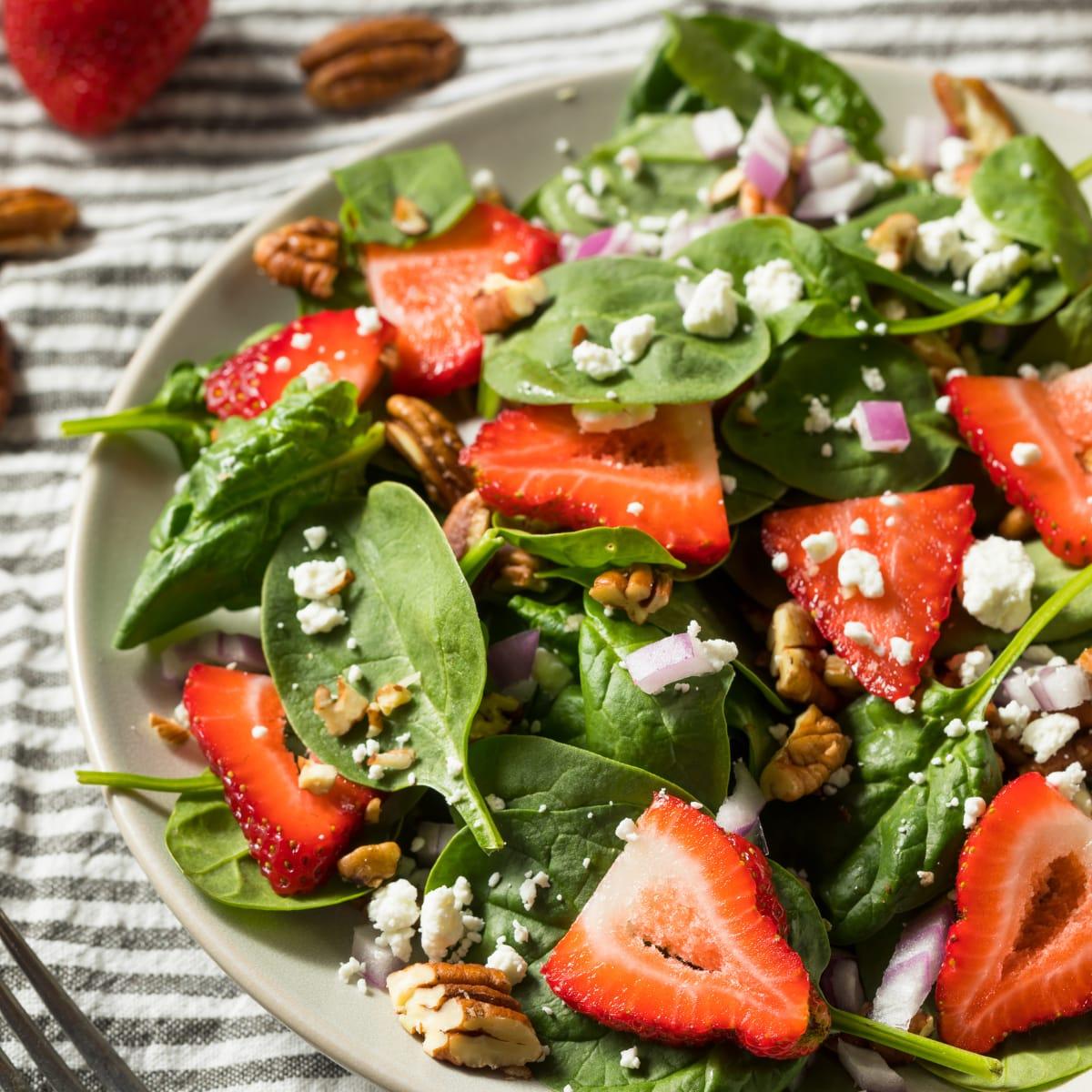
Try the recipe: Here's a vibrant, tasty salad that's perfect for warm weather, with a balance of healthy fats, fiber and protein — get the recipe.
Sources
- Rehfeld K, Müller P, Aye N, et al. Dancing or fitness sport? The effects of two training programs on hippocampal plasticity and balance abilities in healthy seniors. Front Hum Neurosci. 2017;11:305. View source
- Anderson-Hanley C, Arciero PJ, Brickman AM, et al. Exergaming and older adult cognition: a cluster randomized clinical trial. Am J Prev Med. 2012;42(2):109-119. View source
- Stanmore E, Stubbs B, Vancampfort D, de Bruin ED, Firth J. The effect of active video games on cognitive functioning in clinical and non-clinical populations: a meta-analysis of randomized controlled trials. Neurosci Biobehav Rev. 2017;78:34-43. View source
This article is for general education and isn't medical advice. Please talk with your doctor before starting a new exercise, nutrition or supplement routine. See our health disclaimer.

About the author
Kristen Nielsen
Kristen founded TogetherWON after watching what strength training could do for older adults — including her own grandparents. She's an ACE Certified Personal Trainer with 10+ years in functional aging, a University of Central Florida graduate, and a former Division I swimmer and track & field athlete.
Senior Fitness Specialist · Functional Aging Specialist · Parkinson's Disease Specialist · Brain Health Trainer · Corrective Exercise Specialist
want these in your inbox?
Get my Saturday letters
One idea for your body, brain or balance each week, usually with a recipe. Unsubscribe any time.
Keep reading
Brain · Body
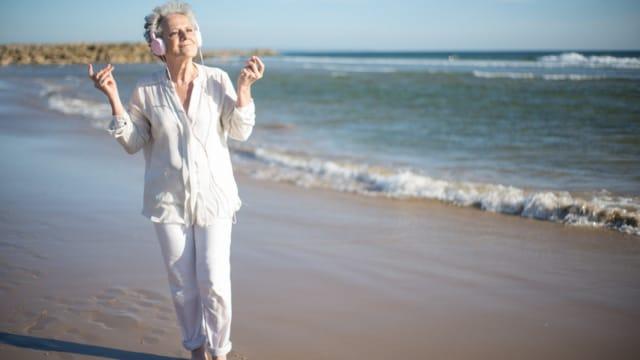
Music and Movement: A Brain-Body Workout to a Song
Pick a favorite song and let it set your pace. This simple music-and-movement workout challenges your brain and body at any fitness level.
September 12, 2026 · 2 min read
Brain · Body
Brain-Body Exercises for Seniors: The Rule-Switch March
Brain-body exercises pair movement with a mental challenge. Try the Rule-Switch March, a simple standing or seated drill for focus and balance.
July 11, 2026 · 3 min read

Brain · Body
What Super Agers Teach Us About Brain Health
A Nature study found super agers over 80 have more immature neurons in the hippocampus. What that means, and why we train body and brain together.
April 18, 2026 · 2 min read