Pickleball for Seniors: Benefits and How to Start
By Kristen Nielsen, Founder & Senior Fitness Specialist
· Updated · Body & Balance · 5 minute read
Part of our guide: Walking for Seniors: Benefits and How to Get Started
Key takeaways
- Pickleball offers older adults a moderate-intensity heart workout, balance and agility practice, and a real sense of community.
- Research links playing pickleball to better well-being and life satisfaction, and to a lower risk of depression among older tournament players.
- To get started, learn the basics, get an affordable paddle and supportive court shoes, find local courts, and consider beginner lessons.
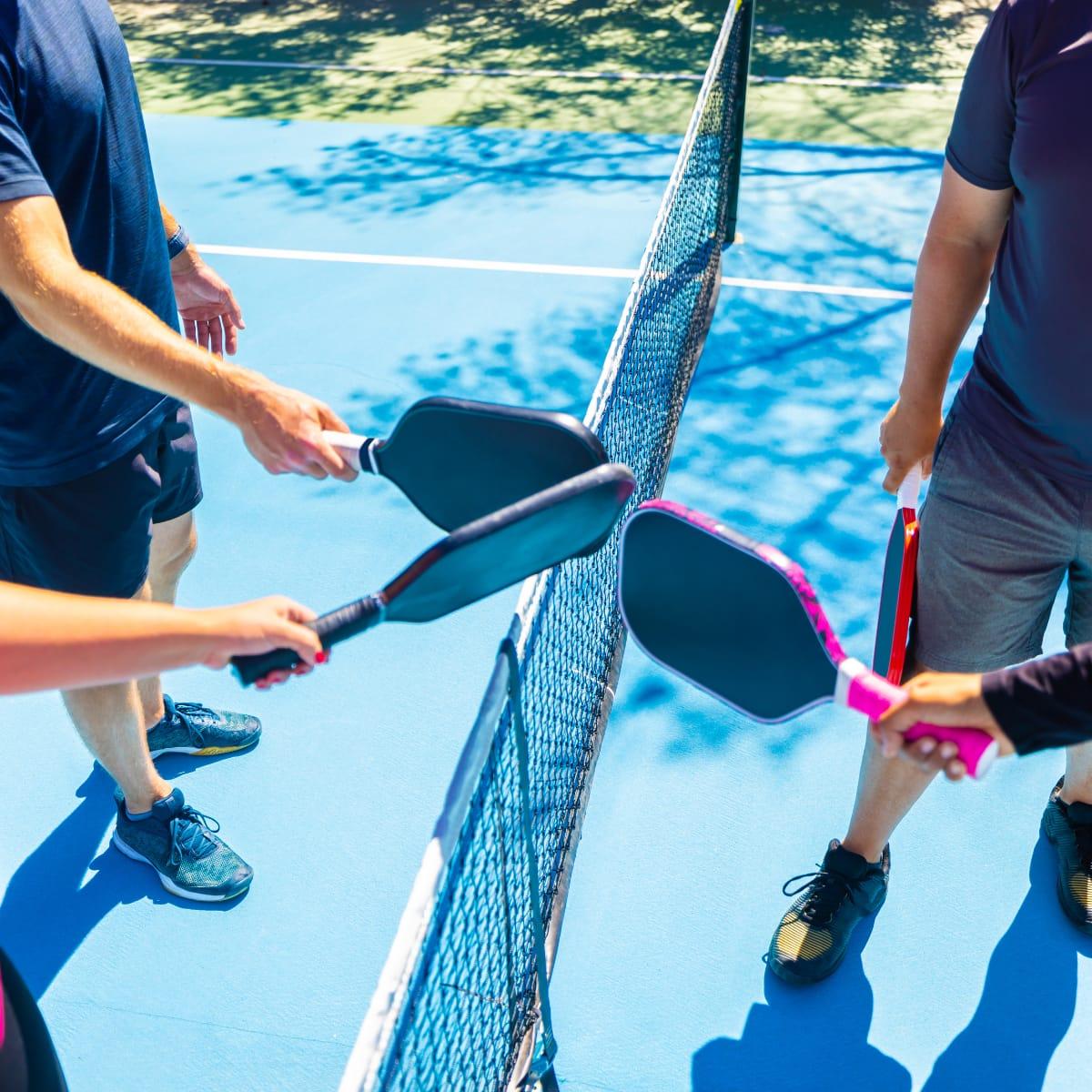
Pickleball is one of the best sports you can pick up after 60: it gives you a moderate-intensity heart workout, practice for balance and agility, and a built-in social life, and it's easy to learn. If walking is your main exercise, it's a fun way to build on walking with something more playful.
I'm a fan for personal reasons too. In 2025, TogetherWON became a corporate sponsor of Peak Pickleball, the nation's largest privately owned indoor pickleball facility, located right here in Colorado Springs. I'm thrilled to be involved in this vibrant community. Peak Pickleball boasts 24 indoor courts and offers groups for people of all ages. With the sponsorship, TogetherWON announced small group classes for those who want to keep playing the sport they love: a fun combination of strengthening exercises, balance exercises, and brain/body exercises.
Pickleball has rapidly become the fastest-growing sport in the United States, with participation reaching 8.9 million players in 2022. This surge in popularity is largely due to the sport's accessibility and the array of health benefits it offers, particularly to older adults. Scientific studies have highlighted numerous advantages of pickleball participation.
Is Pickleball Good Exercise for Seniors?
Yes. Pickleball works your heart, your muscles and your balance all at once.
Cardiovascular Health: Engaging in pickleball provides a moderate-intensity cardiovascular workout. A 2023 study published in the Recreational Sports Journal found that older adults averaged over 68 minutes of moderate to vigorous physical activity per playing session, contributing to improved heart health.
Muscle Strength and Endurance: The sport involves various muscle groups, including the legs, arms, shoulders, and core. Regular play can enhance muscle tone and endurance, facilitating daily activities.
Balance and Coordination: Pickleball requires quick lateral movements and hand-eye coordination. According to research in the International Journal of Health and Rehabilitation Sciences, such activities can improve balance and agility, which are crucial in preventing falls among older adults. (For more on that, see my guide to balance exercises for seniors.)
Is Pickleball Good for Your Brain and Mood?
Pickleball challenges your brain with quick decisions, and research links it to better mood and well-being.
Cognitive Function: The strategic nature of pickleball necessitates quick decision-making and problem-solving, stimulating cognitive functions.
Mood Enhancement: Physical activity, including pickleball, is known to boost mood and decrease the risk of depression. A 2023 systematic review in Frontiers in Psychology suggests that engaging in pickleball can lead to significant improvements in psychological variables such as personal well-being and life satisfaction. A 2018 study in Leisure Studies found that older adults who participated in pickleball tournaments had a lower risk of depression.
Pickleball's Social Benefits
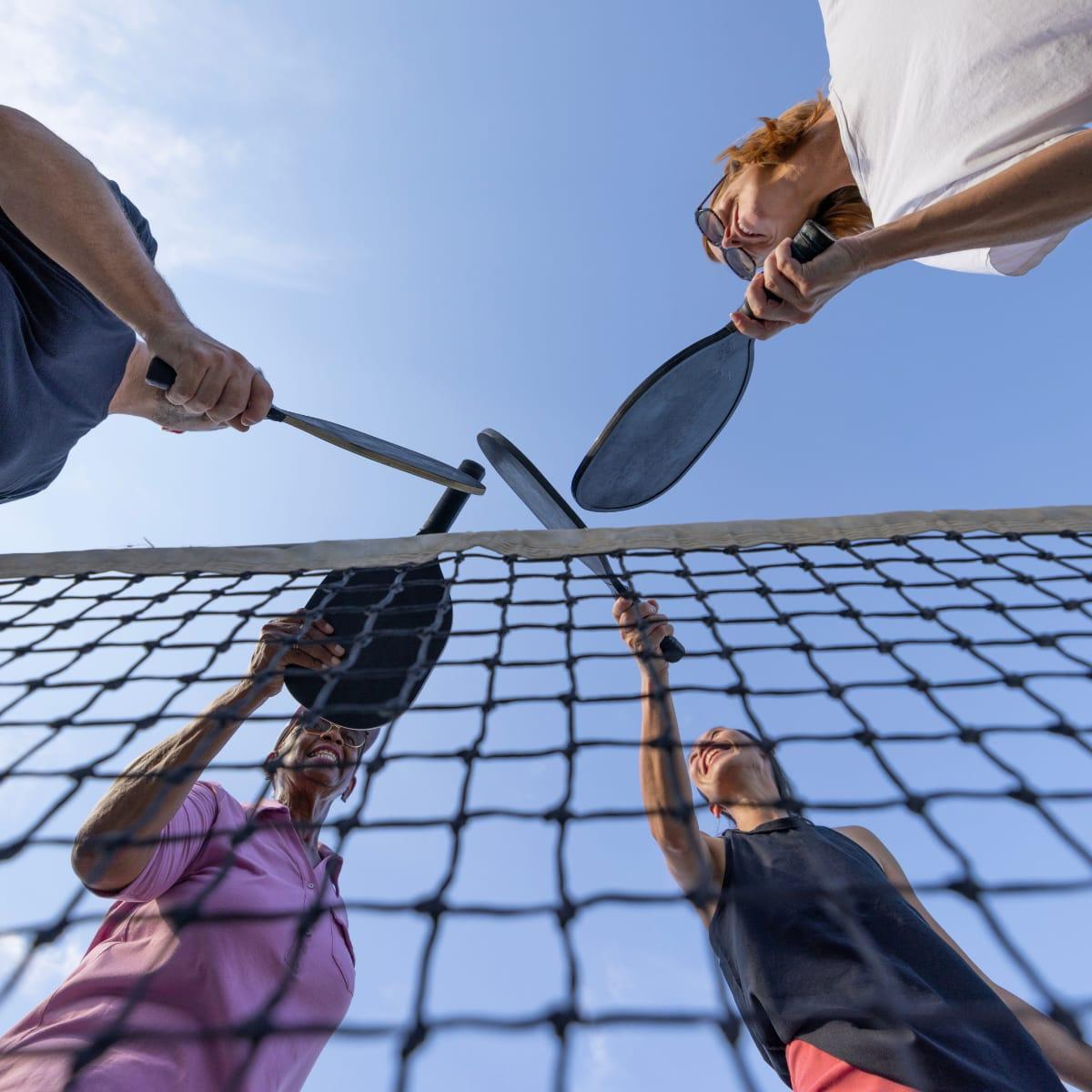
Community Building: Often played in doubles, pickleball fosters social connections and a sense of community. Pickleball clubs such as Peak Pickleball offer numerous opportunities to engage in practice groups and even tournaments with others of a similar skill level.
How Do Seniors Get Started With Pickleball?
Start by learning the basics, getting a simple paddle and good court shoes, finding local courts and taking a beginner lesson. If you are new to the sport of pickleball it can seem overwhelming to get started. Here's an approach to help you get started:
1. Understand the Basics
Familiarize yourself with pickleball's fundamental rules, scoring system, and court layout. The game is typically played on a badminton-sized court with a net slightly lower than tennis height. It combines elements of tennis, badminton, and ping-pong, making it accessible and easy to learn. For a comprehensive overview, consider watching instructional videos or reading beginner guides. I like this one at Pickleheads.com: Learn to Play Pickleball.
2. Acquire Essential Equipment
To begin playing pickleball, you'll need:
- Paddle: Beginners can start with an affordable paddle, typically priced around $30. It's advisable to avoid wooden paddles and opt for composite or graphite materials.
- Ball: Pickleballs are lightweight plastic balls with holes, similar to wiffle balls.
- Appropriate Footwear: Wear court shoes that provide good support and grip to prevent injuries.
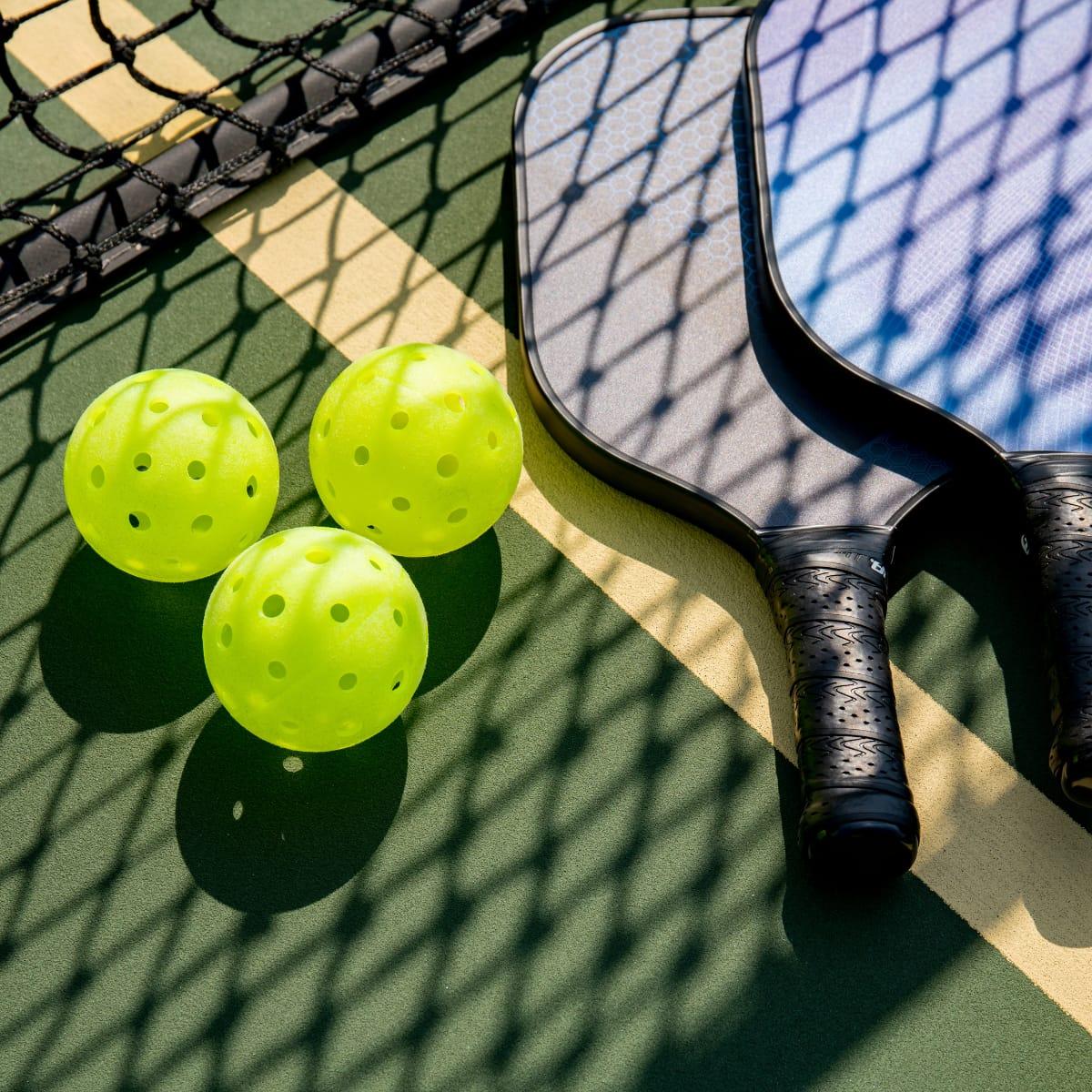
Many local clubs or community centers offer equipment rentals, allowing you to try the sport before investing in your own gear.
3. Locate Nearby Courts and Communities
Finding a local pickleball community can enhance your learning experience:
- Community Centers and Parks: Many public parks and recreation centers have pickleball courts and may offer beginner sessions or open play times.
- Online Court Finders: Utilize online tools to locate courts in your area, like the Pickleheads court finder.
- Local Clubs: Joining a local pickleball club can provide access to facilities, organized play, and a network of players at various skill levels.
4. Participate in Lessons and Clinics
Enrolling in beginner clinics or taking private lessons can accelerate your learning:
- Structured Learning: Professional instruction helps you grasp techniques, strategies, and rules effectively.
- Skill Development: Focus on essential skills like dinking (soft shots), serving, and understanding when to hit the ball hard or softly.
- Group Lessons: These are often affordable and provide an opportunity to meet fellow beginners.
5. Engage in Open Play and Practice
Regular practice is key to improvement:
- Open Play Sessions: Many facilities offer designated times where players of all levels can play together.
- Drills: Practice specific shots and footwork to build consistency.
- Play with Diverse Opponents: Engaging with players of varying skill levels can challenge you and accelerate your development.
6. Embrace the Community and Have Fun
Pickleball is renowned for its welcoming and social atmosphere:
- Attend Social Events: Participate in local tournaments, social mixers, and community events to immerse yourself in the culture.
- Stay Positive: Focus on enjoying the game and building relationships rather than solely on competition.
By following these steps, you'll be well on your way to enjoying the numerous physical, mental, and social benefits that pickleball offers. If you are interested in joining one of our small group training classes, reach out to find out more!
Kristen
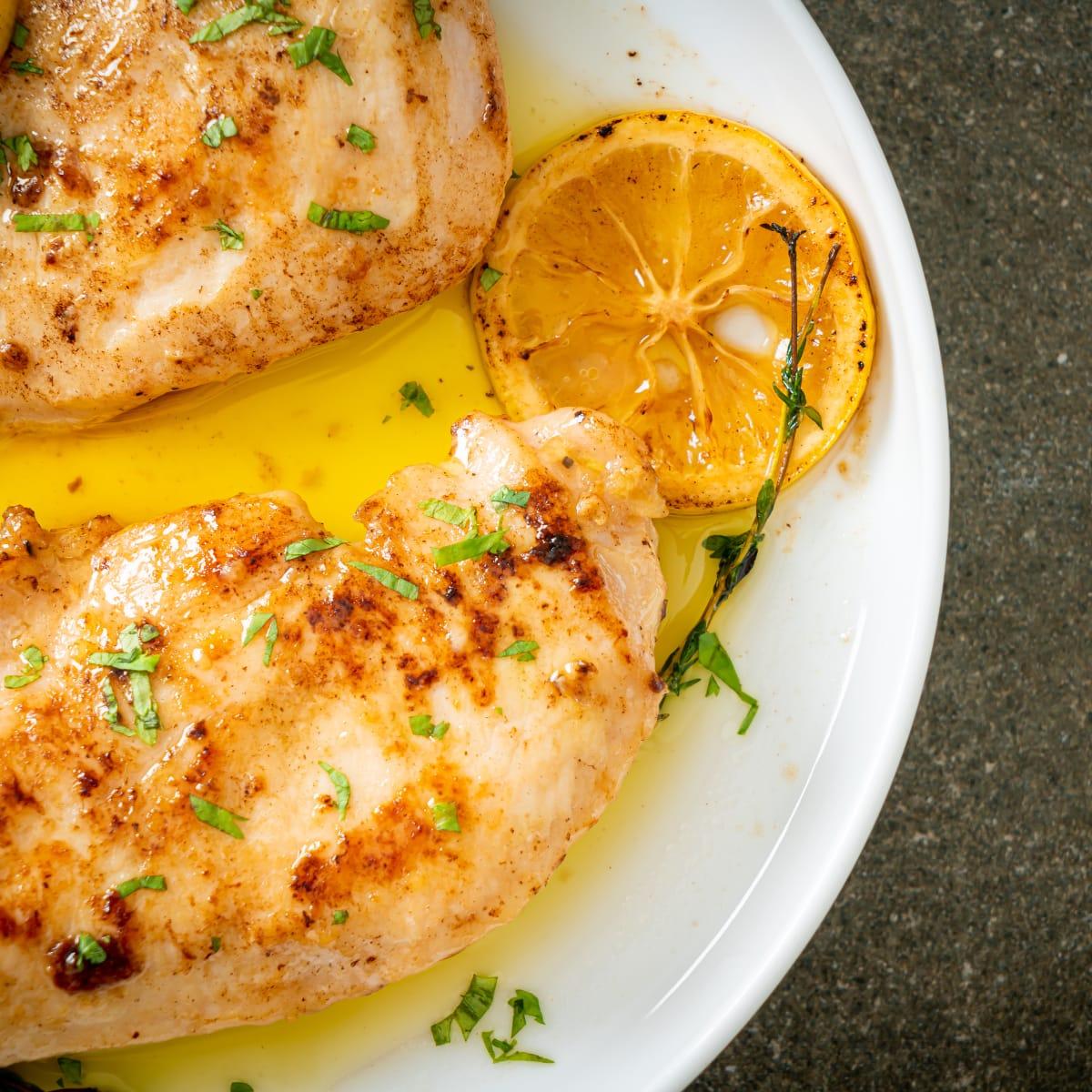
Try the recipe: If you're looking for a flavorful chicken recipe without any added sugar, try this keto lemon chicken — get the recipe.
Sources
- Sports & Fitness Industry Association. Pickleball sees unprecedented growth: will require 25,000 courts built, $900 million investment to keep up with demand. August 10, 2023. View source
- Casper JM, Bocarro JN, Drake NR. Physical activity associated with older adult pickleball participation: a pilot study. Recreat Sports J. 2023;47(1):49-56. View source
- Webber SC, Anderson S, Biccum L, Jin S, Muhammad S, Porter MM. Physical activity intensity of singles and doubles pickleball in older adults. J Aging Phys Act. 2023;31(3):365-370. View source
- Cerezuela JL, Lirola MJ, Cangas AJ. Pickleball and mental health in adults: a systematic review. Front Psychol. 2023;14:1137047. View source
- Schuch FB, Vancampfort D, Firth J, et al. Physical activity and incident depression: a meta-analysis of prospective cohort studies. Am J Psychiatry. 2018;175(7):631-648. View source
- Heo J, Ryu J, Yang H, Kim KM. Serious leisure and depression in older adults: a study of pickleball players. Leis Stud. 2018;37(5):561-573. View source
This article is for general education and isn't medical advice. Please talk with your doctor before starting a new exercise, nutrition or supplement routine. See our health disclaimer.

About the author
Kristen Nielsen
Kristen founded TogetherWON after watching what strength training could do for older adults — including her own grandparents. She's an ACE Certified Personal Trainer with 10+ years in functional aging, a University of Central Florida graduate, and a former Division I swimmer and track & field athlete.
Senior Fitness Specialist · Functional Aging Specialist · Parkinson's Disease Specialist · Brain Health Trainer · Corrective Exercise Specialist
want these in your inbox?
Get my Saturday letters
One idea for your body, brain or balance each week, usually with a recipe. Unsubscribe any time.
Keep reading
Body · Balance
Is One Side Weaker? How to Fix Muscle Imbalances
Favoring your stronger side can hide weakness and widen the gap between sides. How to notice the pattern and give your weaker side safe practice.
August 8, 2026 · 5 min read
Body · Balance
What to Add to Your Walking Routine After 60
Walking is a great foundation after 60, but it doesn't train everything. How to add strength, balance and brain-body work to your walks.
July 25, 2026 · 5 min read
Body · Balance
3 Common Exercise Mistakes Older Adults Make
Doing only cardio, skipping balance work and training at the wrong intensity are three common exercise mistakes after 60. Here's what to do instead.
February 7, 2026 · 3 min read