3 Daily Moves to Protect Your Joints as You Age
By Kristen Nielsen, Founder & Senior Fitness Specialist
· Updated · Body · 3 minute read
Part of our guide: Bone and Joint Health After 60: Exercises That Help
Key takeaways
- Three simple daily moves protect your knees, hips and ankles: seated leg extensions (10 per leg), chair squats (8–10 reps) and ankle pumps (30 seconds per foot).
- Research shows regular exercise is one of the most effective ways to reduce arthritis symptoms like pain and stiffness.
- Staying hydrated also helps your joints, since cartilage is made mostly of water.
The best way to protect your joints as you age is to keep them moving, and three simple daily moves (seated leg extensions, chair squats and ankle pumps) are a great place to start. The best medicine for your joints doesn't come in a bottle — it comes from movement. It's the foundation of bone and joint health after 60.
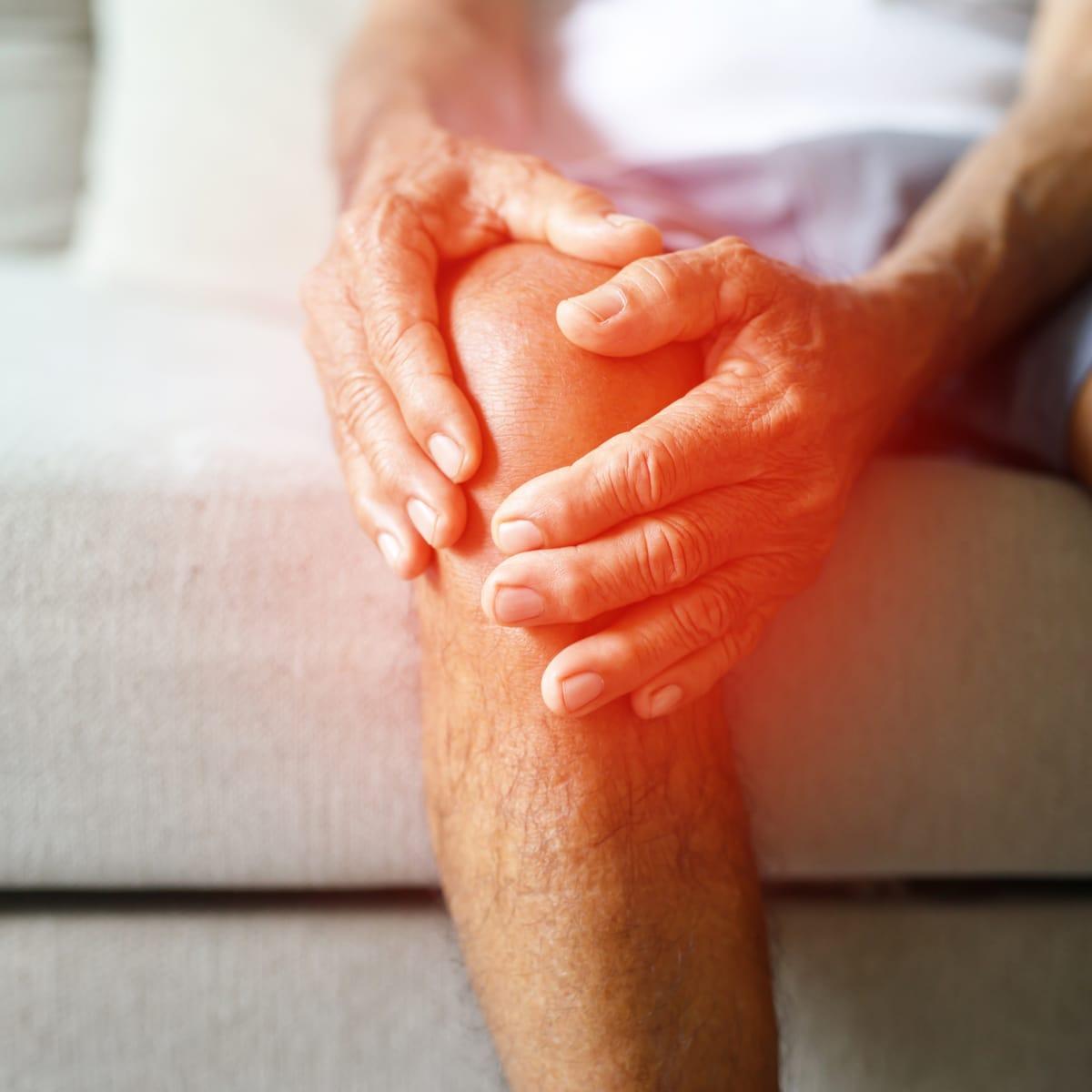
Osteoarthritis, the most common joint condition in older adults, often shows up in the knees, hips, hands, and lower back. And while it may feel like something you just have to "live with," the truth is: you can do a lot to protect your joints and reduce pain — starting today.
In fact, research shows that regular exercise is one of the most effective ways to reduce arthritis symptoms.
- A 2015 Cochrane review found that exercise significantly improved pain, physical function, and quality of life in people with knee osteoarthritis.
- Another study from the University of Sydney showed that just 20–30 minutes of moderate activity most days can help protect cartilage and joint structure.
What Are the Best Daily Exercises for Your Joints?
Here are 3 simple moves you can do every day to support your joints — whether you're already dealing with stiffness or trying to prevent it:
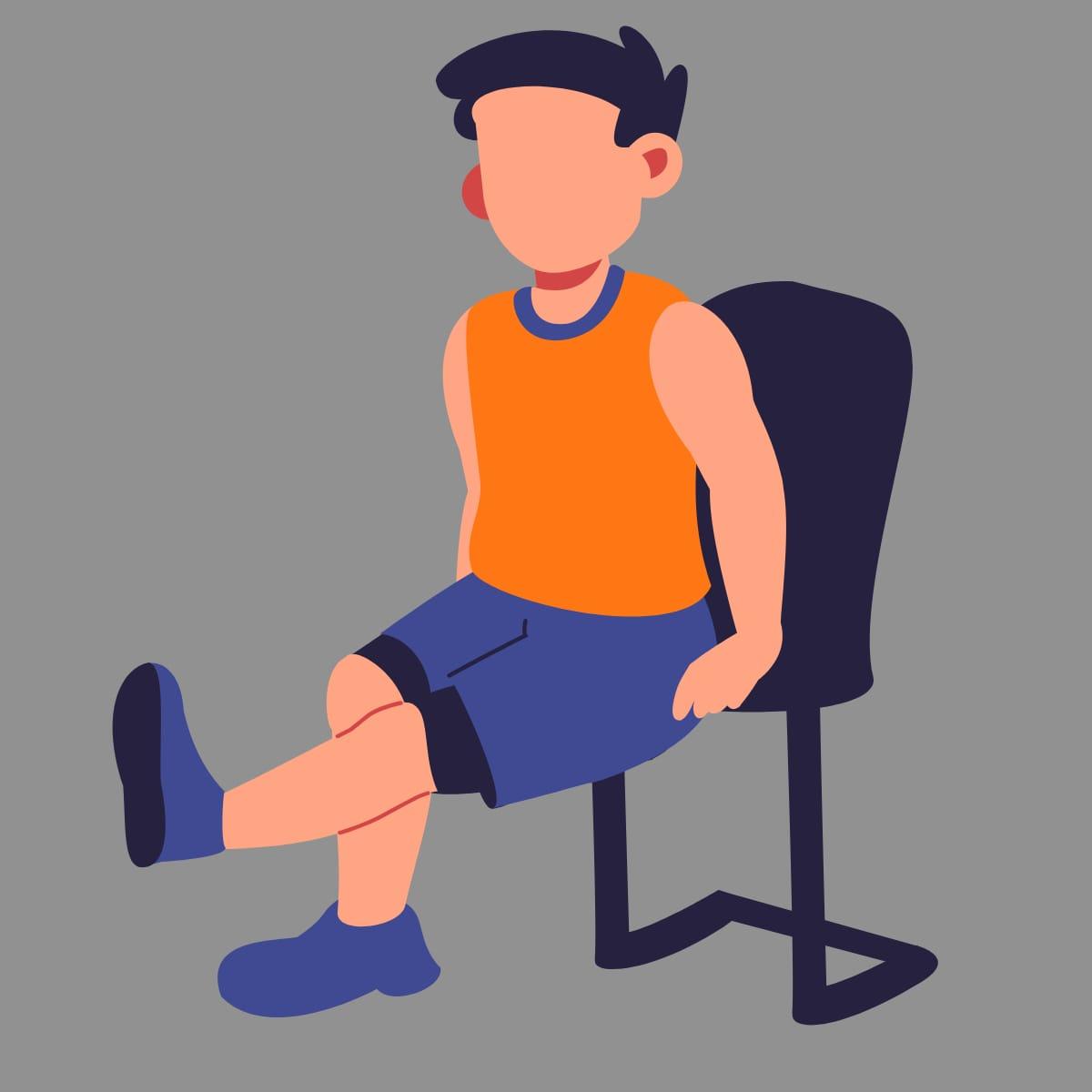
1. Seated Leg Extensions
Sit tall in a chair. Slowly lift one foot, straightening your leg, and hold for 3 seconds. Lower with control. Repeat 10x per leg.
Why it helps: Strengthens the quadriceps, which help stabilize and protect your knees.
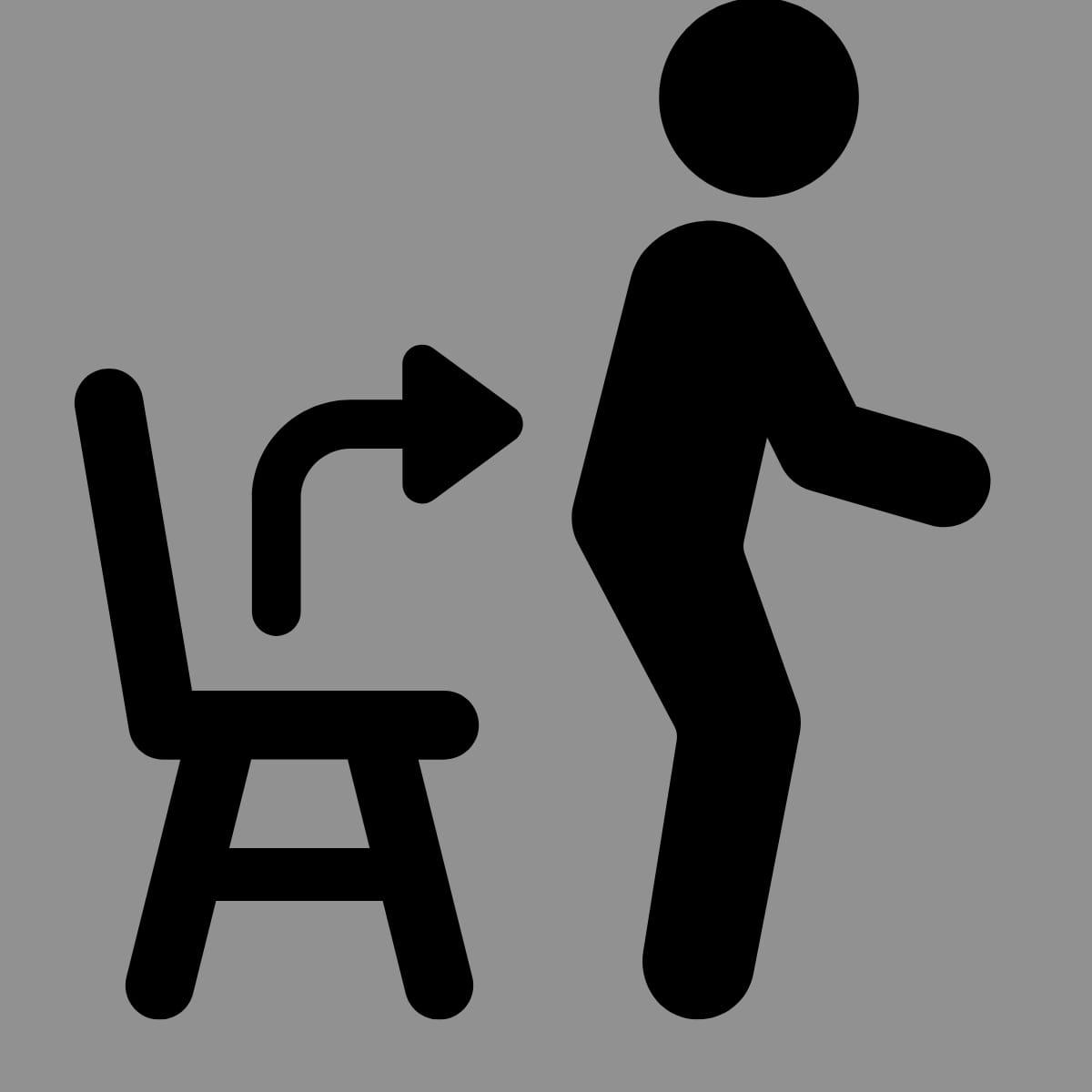
2. Chair Squats
Stand in front of a sturdy chair. Lower your hips toward the seat as if you're going to sit, then stand back up (or lightly touch down). Do 8–10 reps.
Why it helps: Builds strength in your hips, glutes, and thighs — key muscles for joint support. Curious how your legs measure up? Try our 30-second chair stand test.
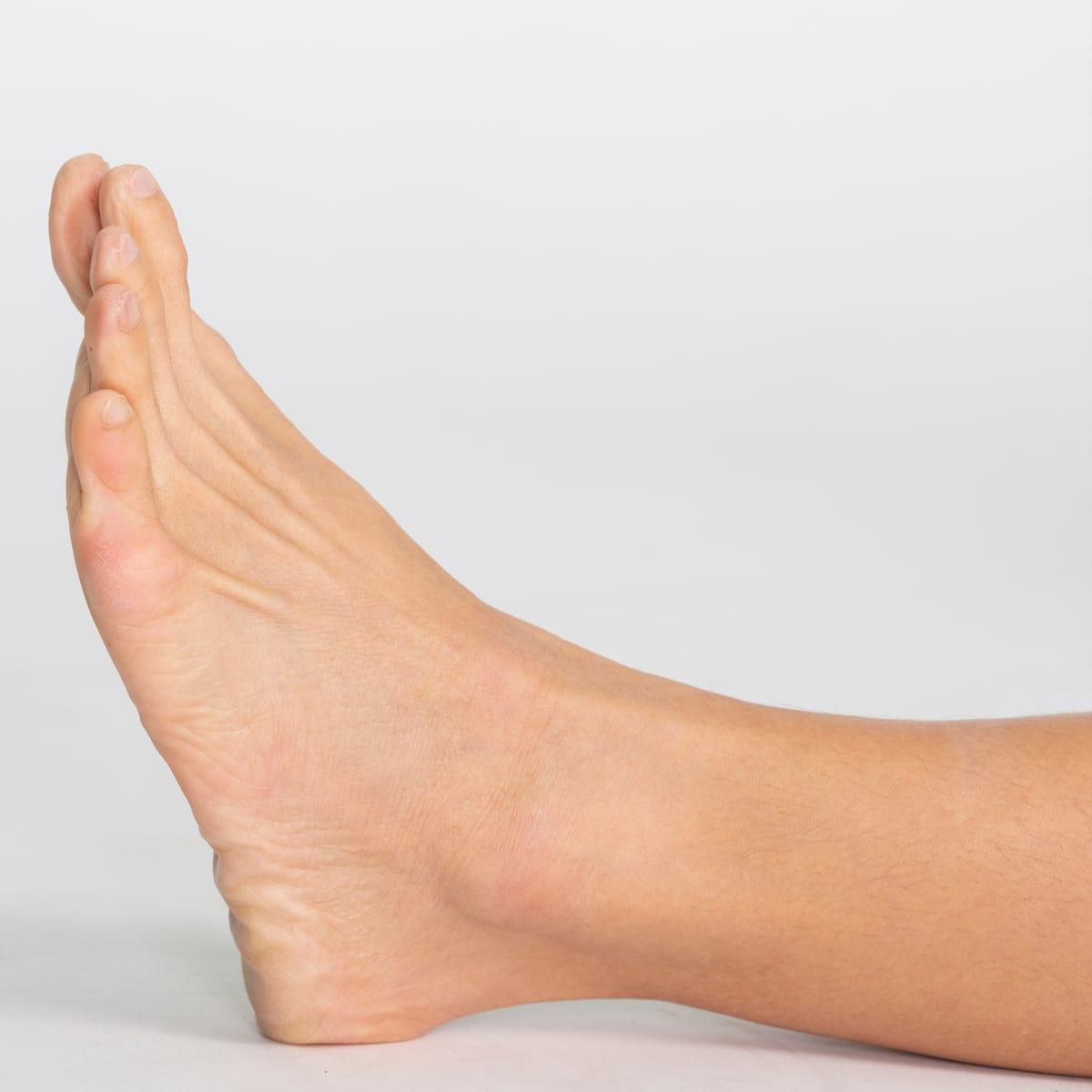
3. Ankle Pumps
While seated, gently flex and point your feet up and down for 30 seconds per foot.
Why it helps: Promotes circulation and keeps ankle joints mobile.
Does Drinking Water Help Your Joints?
Staying hydrated helps. Cartilage is made mostly of water, and good hydration supports your whole body — joints included. Here's how much water older adults need.
Is It Too Late to Start Protecting Your Joints?
No! Remember, it's never too late to get moving. If you haven't started, today is the perfect day! And if a joint replacement is in your future, joint replacement prehab can help you go into surgery stronger.
Hydrating Snack: Cucumber & Hummus Bites

Why it works: Cucumbers are over 95% water — great for hydration. Paired with hummus, you also get fiber, healthy fats, and plant-based protein.
How to make it: Slice a cucumber into thick rounds, top each with a spoonful of hummus, and sprinkle with paprika or fresh herbs.
Bonus tip: Add a slice of cherry tomato or olive on top for a flavor boost and antioxidants.
Kristen
Sources
- Fransen M, McConnell S, Harmer AR, Van der Esch M, Simic M, Bennell KL. Exercise for osteoarthritis of the knee. Cochrane Database Syst Rev. 2015;1:CD004376. View source
- Sophia Fox AJ, Bedi A, Rodeo SA. The basic science of articular cartilage: structure, composition, and function. Sports Health. 2009;1(6):461-468. View source
This article is for general education and isn't medical advice. Please talk with your doctor before starting a new exercise, nutrition or supplement routine. See our health disclaimer.

About the author
Kristen Nielsen
Kristen founded TogetherWON after watching what strength training could do for older adults — including her own grandparents. She's an ACE Certified Personal Trainer with 10+ years in functional aging, a University of Central Florida graduate, and a former Division I swimmer and track & field athlete.
Senior Fitness Specialist · Functional Aging Specialist · Parkinson's Disease Specialist · Brain Health Trainer · Corrective Exercise Specialist
want these in your inbox?
Get my Saturday letters
One idea for your body, brain or balance each week, usually with a recipe. Unsubscribe any time.
Keep reading
Body · Stories
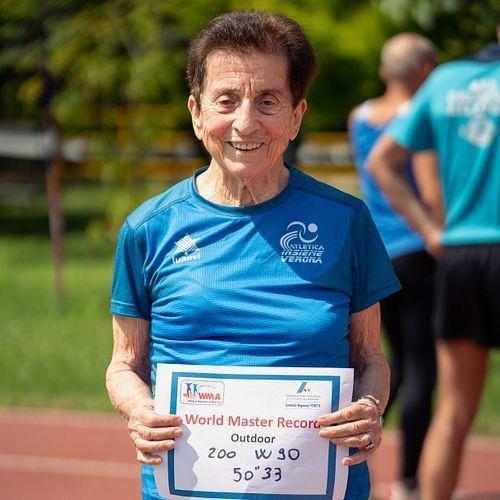
Building Muscle at 91: What a Sprinter Teaches Us
Researchers tested the muscles of a 91-year-old world-record sprinter. What they found shows why strength and power stay trainable as we age.
September 19, 2026 · 3 min read
Brain · Body
Music and Movement: A Brain-Body Workout to a Song
Pick a favorite song and let it set your pace. This simple music-and-movement workout challenges your brain and body at any fitness level.
September 12, 2026 · 2 min read
Body
2-Minute Step Test: Check Your Cardio Fitness at Home
The 2-Minute Step Test is a simple at-home check of your endurance. Here's how to do it, how to compare your score, and why cardio fitness matters.
September 5, 2026 · 2 min read