Bone and Joint Health After 60: Exercises That Help
By Kristen Nielsen, Founder & Senior Fitness Specialist · Updated · 12 minute read
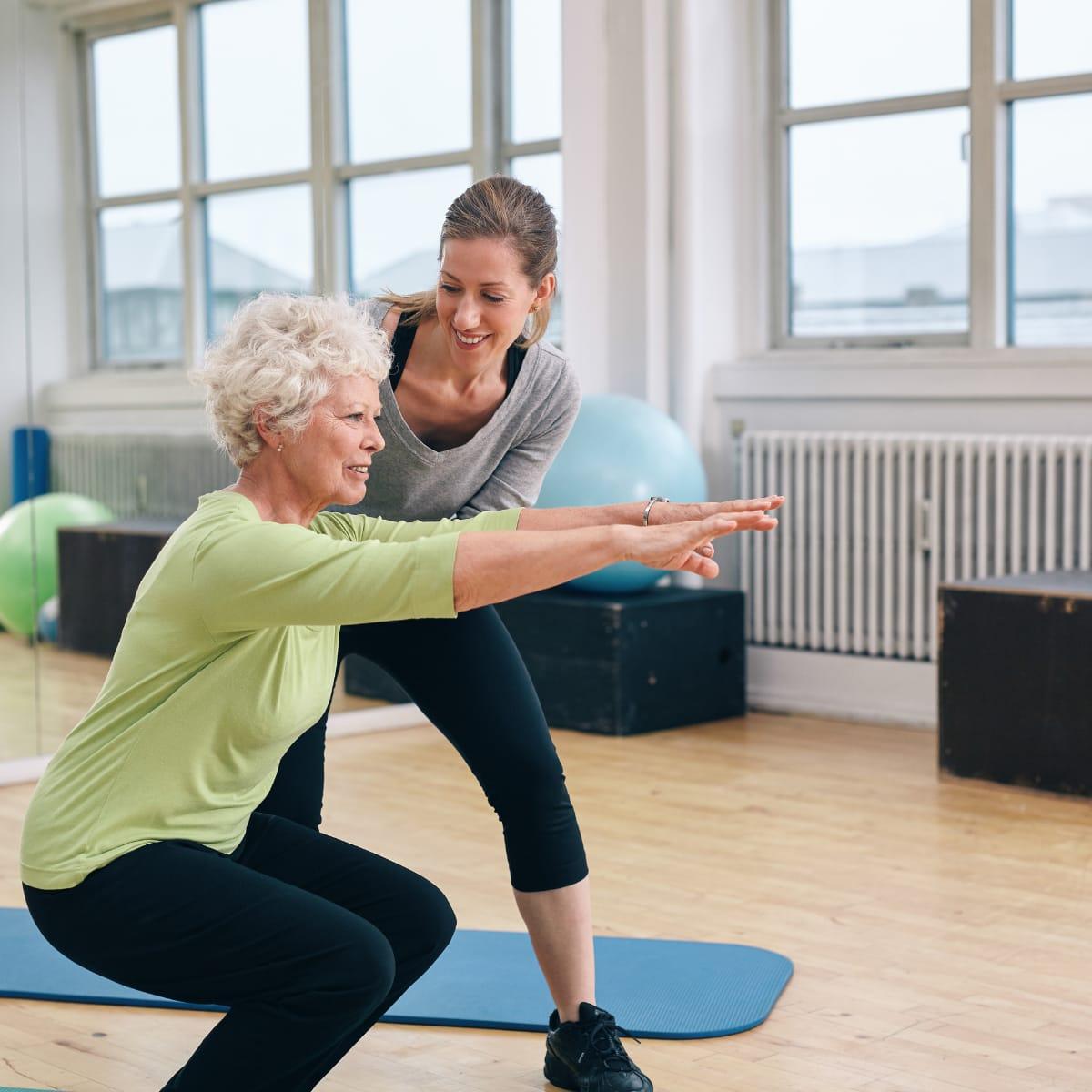
Adults over 60 keep bones and joints strong by loading them regularly: progressive strength training two to three days a week, weight-bearing or gentle impact work if it's safe for you, and daily balance practice. Pair that with enough calcium, vitamin D and protein. Exercise is also a first-line treatment for knee and hip arthritis.
Key takeaways
- In 2017–2018, about 43% of U.S. adults 50 and older had low bone mass and nearly 13% had osteoporosis. Bone keeps responding to the right kind of load at any age.
- Progressive strength training is the strongest exercise signal for bone. Walking is great for your health, but on its own it does little for the spine.
- Exercise is a first-line treatment for knee and hip osteoarthritis. Stronger muscles support the joint and usually mean less pain, not more.
- Most adults over 60 need 1,000–1,200 mg of calcium and 600–800 IU of vitamin D a day. Stay under the upper limits of 2,000 mg of calcium and 4,000 IU of vitamin D.
- Most hip fractures come from falls, so balance training protects your bones too.
Two worries come up again and again with my clients: "My doctor says my bones are thinning," and "My knees (or hips, or back) hurt, so I'm afraid exercise will make it worse."
I understand both. But here's what I want you to know from the start: your bones and joints are living tissue, and they respond to how you use them. The right kind of movement is one of the best things you can do for both, even if you already have osteoporosis or arthritis.
This guide brings together what I've written over the years about bones and joints: what changes after 60, whether you can rebuild bone, which exercises help (and which to avoid), how to train around arthritis and back pain, and the nutrition that supports it all.
What Happens to Bones and Joints After 60?
Bone is constantly being broken down and rebuilt. As we age, and especially after menopause, the breakdown starts to outpace the rebuilding, and bones gradually become thinner and more fragile.
Doctors describe this in two stages:
- Osteopenia (low bone mass): bone density is lower than normal, but not yet in the osteoporosis range.
- Osteoporosis: bones have become porous and fragile enough that a simple fall from standing height can cause a fracture.
It's more common than most people think. In a national U.S. survey from 2017–2018, 43% of adults 50 and older had low bone mass and nearly 13% had osteoporosis. Women were hit hardest: almost 1 in 5 women over 50 had osteoporosis, compared with fewer than 1 in 20 men.1 The Bone Health & Osteoporosis Foundation estimates that about 1 in 2 women over 50 will break a bone because of osteoporosis.2
Osteoporosis is often called silent because you can't feel your bones thinning. The first sign is often a broken bone. That's why the U.S. Preventive Services Task Force recommends a bone density (DXA) scan for all women 65 and older, and for younger postmenopausal women at higher risk.3 If you're a man with risk factors, ask your doctor too.
Joints change as well. Cartilage, the smooth cushion at the ends of your bones, can wear down over time. That's osteoarthritis, and it most often shows up in the knees, hips, hands and lower back. It can cause stiffness and pain, which often leads to moving less, which leads to weaker muscles and even stiffer joints.
The good news is that the same thing helps both problems: loading your body the right way, consistently.
Can You Rebuild Bone Density After 60?
Yes, to a meaningful degree. Bones get stronger when they're asked to handle more force than usual. When your muscles pull on your bones and your body pushes against gravity, bone-building cells get the signal to lay down new bone. When that signal disappears, like during long periods of sitting or bed rest, bone is lost.
For years, people with low bone mass were told to avoid heavy lifting. The LIFTMOR trial challenged that. Researchers in Australia randomly assigned 101 postmenopausal women with low bone mass (average age 65) to either a home program of light exercise or a supervised program of heavy strength and impact training: twice a week, 30 minutes a session, for 8 months.4
The results:
- The strength group improved spine bone density by about 3%, while the light-exercise group lost about 1%.
- At the hip, the strength group held steady while the light-exercise group lost about 2%.
- The strength group also gained a little height while the light-exercise group lost a little, and they improved on every physical function test.
- There was only one minor injury, a lower back muscle spasm.
It's important to note that these women were carefully screened, built up gradually and closely supervised the entire time. They didn't just walk into a gym and start lifting heavy weights. But the message is powerful: bones respond to meaningful challenge, even after 60 and even with low bone mass.
A larger review of 53 exercise trials in postmenopausal women found the same pattern. Higher-intensity exercise produced bigger gains in spine bone density than low or moderate intensity, and strength training, possibly combined with impact, looked like the most effective signal for the spine and hip.5
What about walking? Walking has many benefits, and I encourage it for almost everyone (walking for seniors covers them all). But a review of walking programs found no meaningful effect on spine bone density and only a small benefit at the hip.6 Walking is a great foundation. Your bones need something more on top of it.
I explain the different types of bone-building exercise in more detail in how to increase bone density naturally with exercise.
Exercise won't replace the treatment your doctor recommends, but it can work alongside it.
What Are the Best Exercises for Bone Density?
An international expert panel strongly recommends that older adults with osteoporosis do a program that includes both strength and balance training, not just aerobic exercise like walking or cycling.7 Here's how I put that together with my clients.
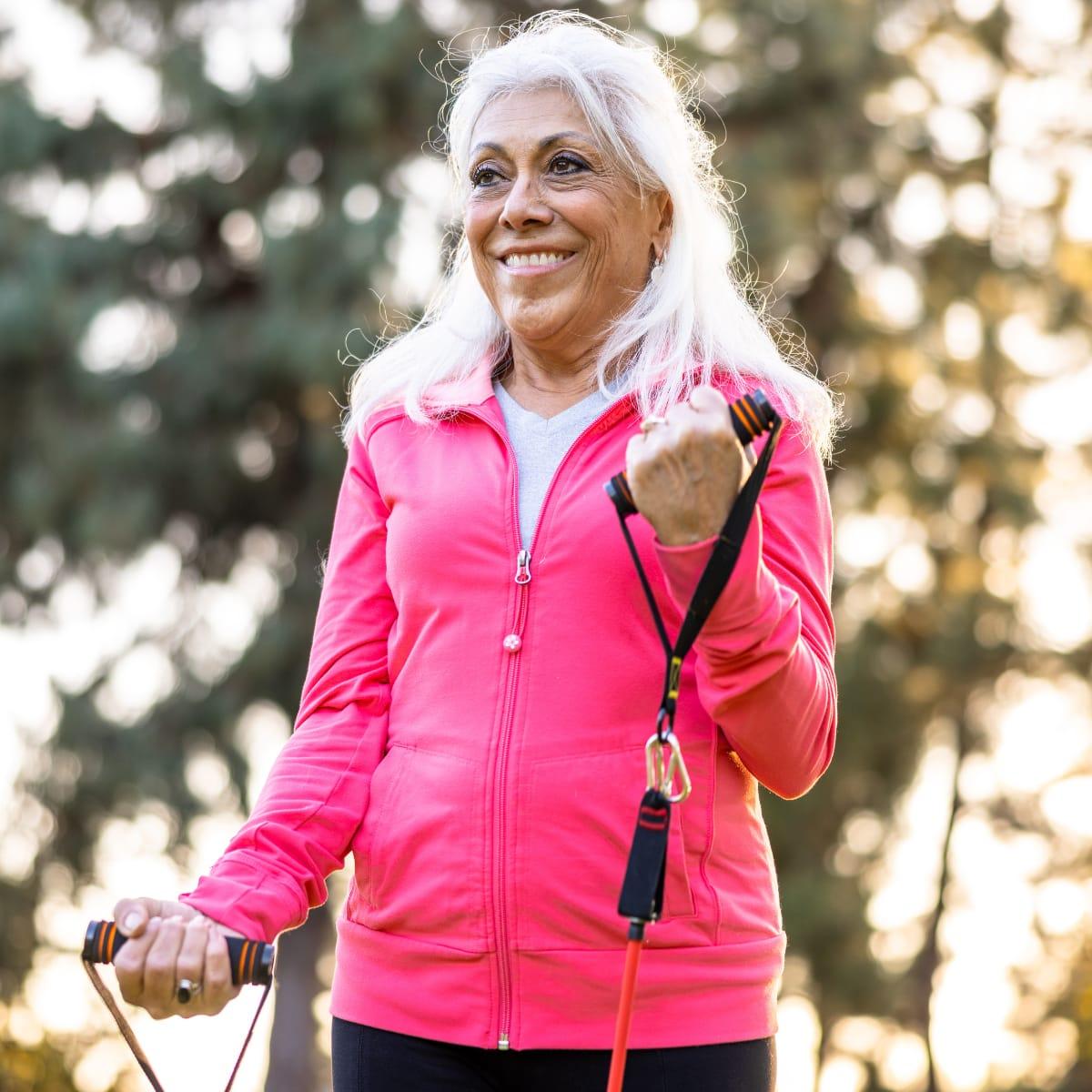
1. Progressive strength training, 2–3 days a week
Focus on exercises that load your hips and spine, since those are where the most serious fractures happen:
- Sit-to-stands and squats (to a chair at first)
- Step-ups onto a low, sturdy step
- Deadlift-style hip hinges, keeping your back flat
- Rows and back extensions to strengthen the muscles that hold you upright
- Carries, like holding a weight in one or both hands and walking
The key word is progressive. Your bones adapt to what they're used to, so the load has to gradually increase over weeks and months. I cover how to start safely and how hard to work in the strength training for seniors guide.
2. Weight-bearing and gentle impact, if it's safe for you
The Bone Health & Osteoporosis Foundation lists both high-impact options (like dancing, hiking, jogging and stair climbing) and low-impact ones (like fast walking and elliptical machines) as bone-friendly weight-bearing exercise.8
With my clients, I often start with very gentle impact, like heel drops: rise up on your toes, then let your heels drop to the floor with a small thud. A handful of these a day, holding a counter, is a simple way to introduce impact. If you've been medically cleared, stair climbing and small hops can come later.
3. Balance work, every day
Stronger bones are only half the story. Not falling in the first place matters just as much (more on that below). Even 5 minutes a day of balance practice helps. Start with the exercises in the balance exercises for seniors guide.
If you already have osteoporosis
Exercise is still recommended, but a few adjustments keep your spine safe. The Bone Health & Osteoporosis Foundation advises people with osteoporosis to avoid bending forward from the waist, twisting to an extreme, and exercises like toe touches, sit-ups and crunches, which squeeze the front of the spinal bones.9 If you've already broken a bone from osteoporosis, you may need to skip high-impact exercise too.8
Instead:
- Hinge at your hips with a flat back when you bend to pick something up.
- Strengthen your back with exercises like prone back extensions and rows.
- Build up gradually and get guidance from a physical therapist or trainer who understands osteoporosis.
Nutrition supports all of this too. I share what one supplement study found, and how to build on it with exercise, in bone density: supplements, exercise and the COMB study.
Is Exercise Good for Arthritic Knees and Hips?
Yes, and it's one of the best treatments available. That surprises a lot of people, because when a joint hurts, our instinct is to rest it. But resting too much weakens the muscles that support and protect the joint.
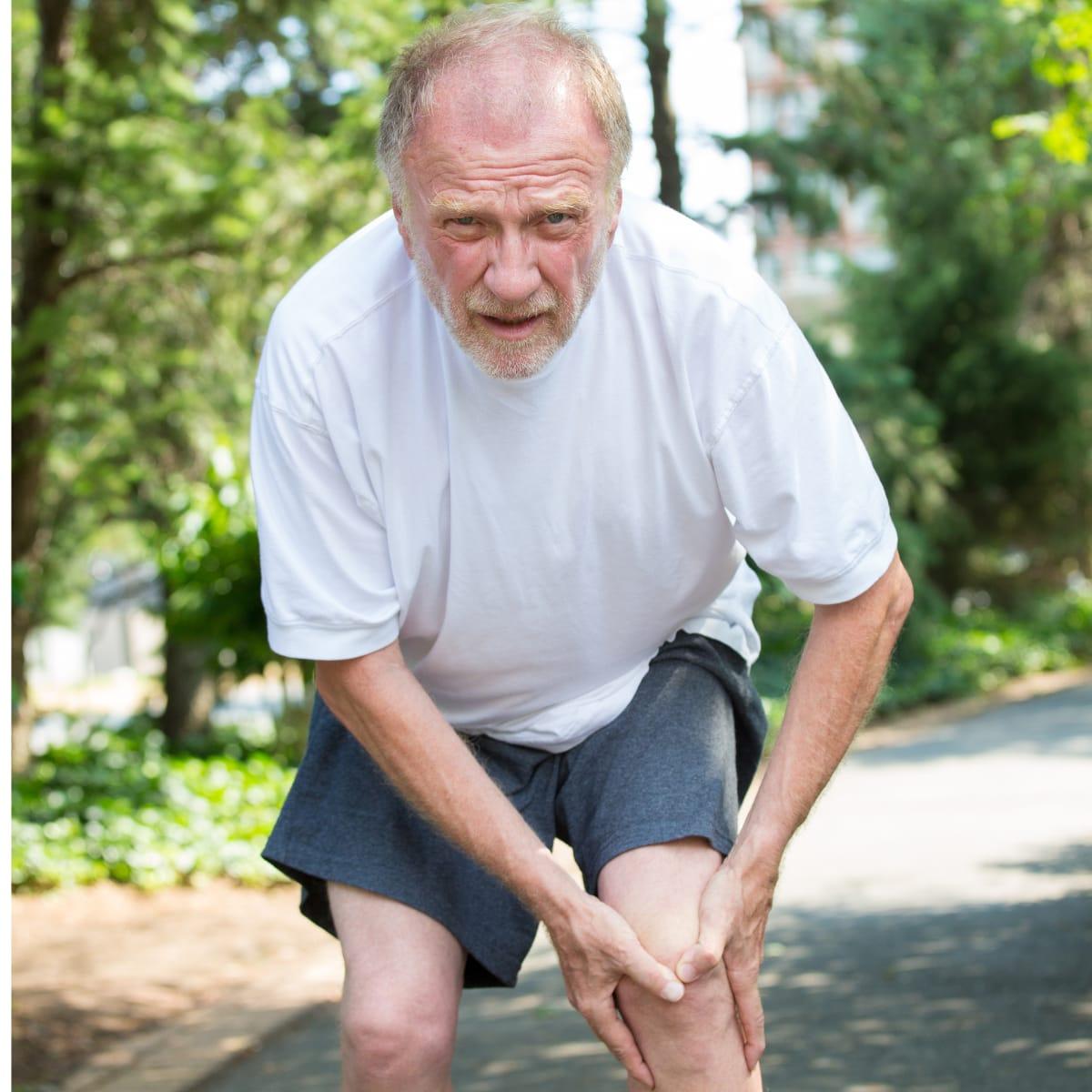
The research is strong:
- Knees: A Cochrane review of 44 trials found that exercise reduced knee osteoarthritis pain and improved physical function, with benefits similar in size to those reported for anti-inflammatory pain medications. The benefits lasted at least two to six months after the programs ended.10
- Hips: A Cochrane review of hip osteoarthritis found that exercise reduced pain and improved function, and the improvements were still there three to six months later.11
- Guidelines: The American College of Rheumatology and Arthritis Foundation strongly recommend exercise for people with knee, hip or hand osteoarthritis, along with weight loss for people with knee or hip arthritis who are overweight, tai chi, and using a cane when needed.12
In other words, exercise isn't something to do once your arthritis is under control. It's a first-line treatment.
Joint-friendly strength work
A few principles I use with clients who have arthritis:
- Strengthen the muscles around the joint. Your quadriceps and hip muscles act like shock absorbers for your knees. Simple moves like seated leg extensions, chair squats and ankle pumps are a great place to start. Try the three I recommend in 3 daily moves to protect your joints.
- Choose a range of motion that feels okay. A shallow squat to a high chair still builds strength. You can deepen it over time.
- Go slow and controlled. Smooth movements are gentler on sore joints than quick, jerky ones.
- Mix in low-impact cardio. Walking, cycling and water exercise keep joints moving without pounding them.
- Train both sides. When one knee or hip hurts, it's natural to lean on the other side. Over time, that can widen the gap. Side-to-side strength differences have been linked to less steady walking in older women.13 I explain how to spot and fix this in is one side weaker? how to fix muscle imbalances.
How much pain is okay?
Some discomfort during exercise is normal with arthritis. It doesn't mean you're damaging the joint. I use a simple pain scale:
- 0–2 out of 10: green light.
- 3–5 out of 10: yellow light. Proceed with caution.
- 6 or more: red light. Back off or modify.
If soreness or swelling lingers into the next day, do a little less next time. My full approach to coming back from pain or injury is in how to rebuild strength after an injury over 60.
If you're facing a knee or hip replacement
Getting stronger before surgery can make recovery smoother. I work with clients before a knee or hip replacement and after they come home, and also help people bridge the gap once physical therapy ends.
What Helps Low Back Pain and Posture?
Lower back pain is one of the most common complaints I hear, and exercise helps here too. A Cochrane review of 249 trials found that exercise reduced chronic low back pain compared with no treatment or usual care.14 Most of the people in those studies were middle-aged, but in my experience the same principles apply after 60: a stronger core, stronger hips and a more mobile spine.
In lower back pain exercises for seniors, I walk through which kinds of back pain respond to exercise, which need a doctor instead, and eight simple moves like bird-dog, glute bridges and the figure 4 stretch.
One important note: if you have osteoporosis, skip the curl-ups and any movement that rounds your spine forward under load. Choose the back-strengthening and hip exercises instead.9
Posture matters more than looks
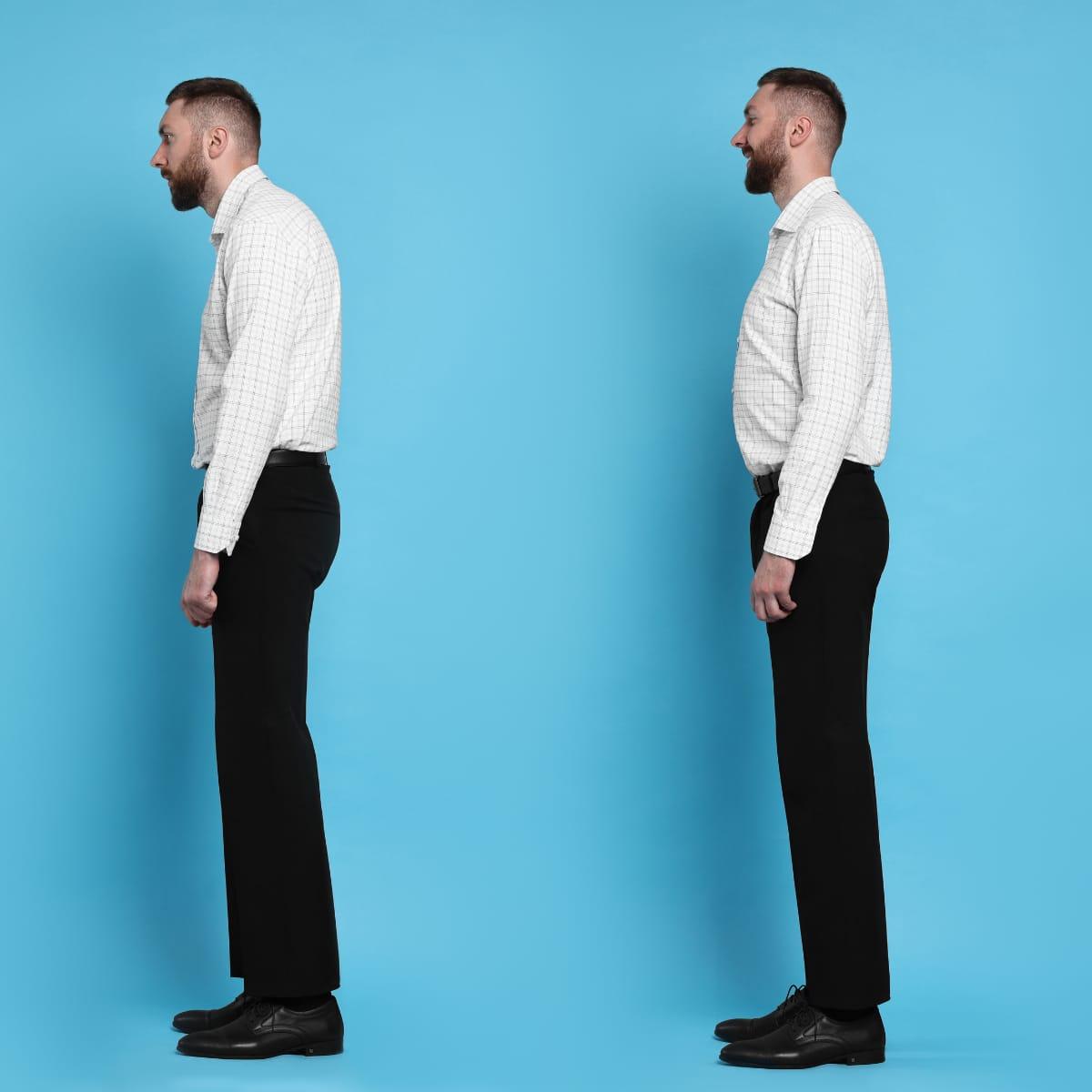
Posture and bone health are connected. A rounded upper back (called hyperkyphosis) affects up to 40% of adults over 60, and a 2025 review found it's linked to poorer balance and a higher risk of falls.15 A forward head position also adds strain to your neck and upper back.
Strengthening your upper back and opening up your chest can help. Wall angels, chin tucks, band pull-aparts and the doorway stretch take just a few minutes. You'll find step-by-step instructions, plus a quick arm-lift test, in posture exercises for seniors.
How Much Calcium, Vitamin D and Protein Do Your Bones Need?
Exercise gives your bones the signal to grow. Nutrition gives them the building materials.
Here are the official daily recommendations for older adults, along with the upper limits (the most you should get a day from food and supplements combined unless your doctor advises otherwise):16,17
| Recommended daily amount | Upper limit | |
|---|---|---|
| Calcium, women 51–70 | 1,200 mg | 2,000 mg |
| Calcium, men 51–70 | 1,000 mg | 2,000 mg |
| Calcium, everyone 71+ | 1,200 mg | 2,000 mg |
| Vitamin D, ages 51–70 | 600 IU (15 mcg) | 4,000 IU (100 mcg) |
| Vitamin D, ages 71+ | 800 IU (20 mcg) | 4,000 IU (100 mcg) |
A few practical tips:
- Food first for calcium. Yogurt, milk, cheese, canned salmon or sardines with bones, tofu made with calcium, fortified plant milks and leafy greens all count. If dairy doesn't agree with you, try this creamy broccoli and white bean soup, made with fortified plant milk.
- Ask about vitamin D. It's hard to get enough from food alone. Ask your doctor to check your level before you supplement, and stay under the upper limit.
- Don't forget protein. An expert consensus paper found that in older adults, higher protein intakes are linked to higher bone density, slower bone loss and fewer hip fractures, as long as calcium intake is adequate.18 Protein also builds the muscle that protects your joints. See the protein for older adults guide for how much you need.
A simple bone-friendly day might include a Greek yogurt parfait for breakfast and lemon garlic sheet pan salmon for dinner.
If you're considering bone supplements beyond calcium and vitamin D, talk with your doctor first. Some, like strontium, can make bone density scans read higher than the true change, as I explain in the COMB study post.
How Are Falls and Fractures Connected?
This is the part of bone health that often gets overlooked. Most fractures don't happen because a bone breaks on its own. They happen because someone falls.
According to the CDC, falls cause 88% of emergency visits and hospital stays for hip fractures, and nearly 319,000 older adults are hospitalized for a hip fracture each year. More than 1 in 4 older adults falls each year.19
That means protecting your bones has two parts: making them stronger, and making falls less likely. Exercise does both. A Cochrane review of 108 trials found that exercise reduced the rate of falls in older adults by 23%, and programs combining balance and functional exercise with strength training worked especially well. Exercise may also reduce the number of people who break a bone in a fall, though that evidence is less certain.20
To see where you stand, try the 30-second chair stand test. It measures leg strength, which plays a big role in both balance and bone loading, and it's easy to retest every few months.
Where to Start This Week
You don't have to do everything at once. Here's a simple way to begin:
- Two strength sessions this week, focusing on sit-to-stands, step-ups, rows and a back-strengthening exercise.
- A few minutes of balance practice most days, holding on to a counter at first.
- A handful of heel drops each day, if your doctor says impact is safe for you.
- Check your plate for calcium and protein at each meal.
- Ask your doctor whether it's time for a bone density test, and whether your vitamin D level has been checked.
If you have osteoporosis, significant joint pain, a recent fracture or surgery, check with your doctor before starting. New or worsening pain, a joint that gives way, or pain after a fall should always be checked by a healthcare professional.
And if you'd like a program built around your bones, your joints and your goals, I'd be happy to help, right in your home.
Strong bones and happy joints aren't about luck. They're built one rep, one step and one meal at a time.
This guide is for general education and isn't medical advice. Please talk with your doctor before starting a new exercise, nutrition or supplement routine.
Read more from Kristen
Body
Which Exercises Build Bone Density? Weights vs. Walking
Resistance training, walking and impact exercise can slow bone loss and modestly build bone density. What works best, plus tips to stay motivated.
September 14, 2024 · 4 min read
Body · Nutrition
The COMB Study: Can Supplements Raise Bone Density?
What the COMB micronutrient study found about bone density, and how resistance training, impact exercise and balance work can build on it.
May 31, 2025 · 3 min read
Body
3 Daily Moves to Protect Your Joints as You Age
Exercise is one of the best tools for easing arthritis symptoms. Try these 3 simple daily moves for your knees, hips and ankles, plus a hydrating snack.
May 24, 2025 · 3 min read
Body · Recovery
Lower Back Pain Exercises for Seniors
Which kinds of back pain respond to exercise, when to see a doctor instead, and eight simple moves to strengthen and loosen a sore lower back.
February 1, 2025 · 6 min read
Body · Balance
Posture Exercises for Seniors: Why Posture Matters
Good posture is about more than looks. It affects your balance, breathing and back. Try a quick arm-lift test, then five simple posture exercises.
January 11, 2025 · 5 min read
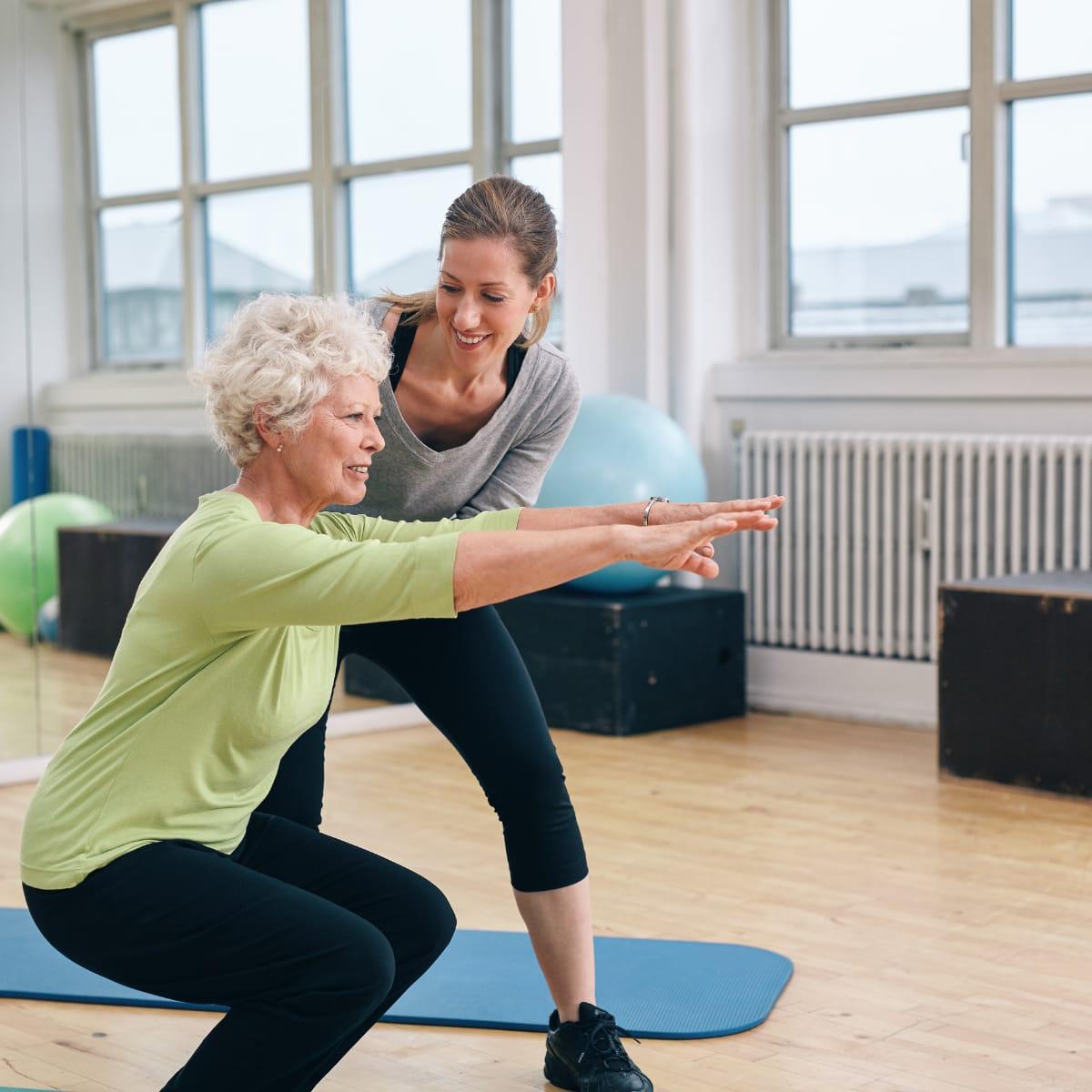
Recovery · Body
How to Rebuild Strength After an Injury Over 60
Coming back from an injury after 60? Six steps to rebuild strength safely, from respecting healing time and easing back into load to using pain as a guide.
July 12, 2025 · 3 min read
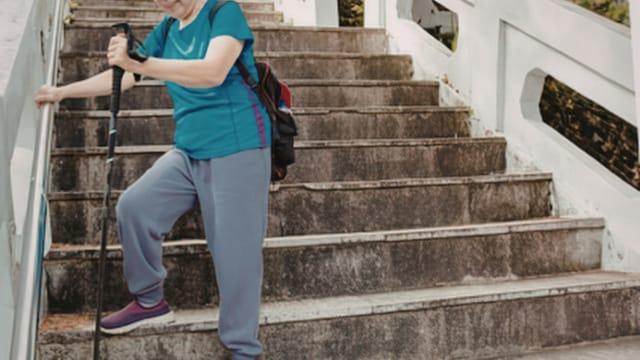
Body · Balance
Is One Side Weaker? How to Fix Muscle Imbalances
Favoring your stronger side can hide weakness and widen the gap between sides. How to notice the pattern and give your weaker side safe practice.
August 8, 2026 · 5 min read
Recipes to try
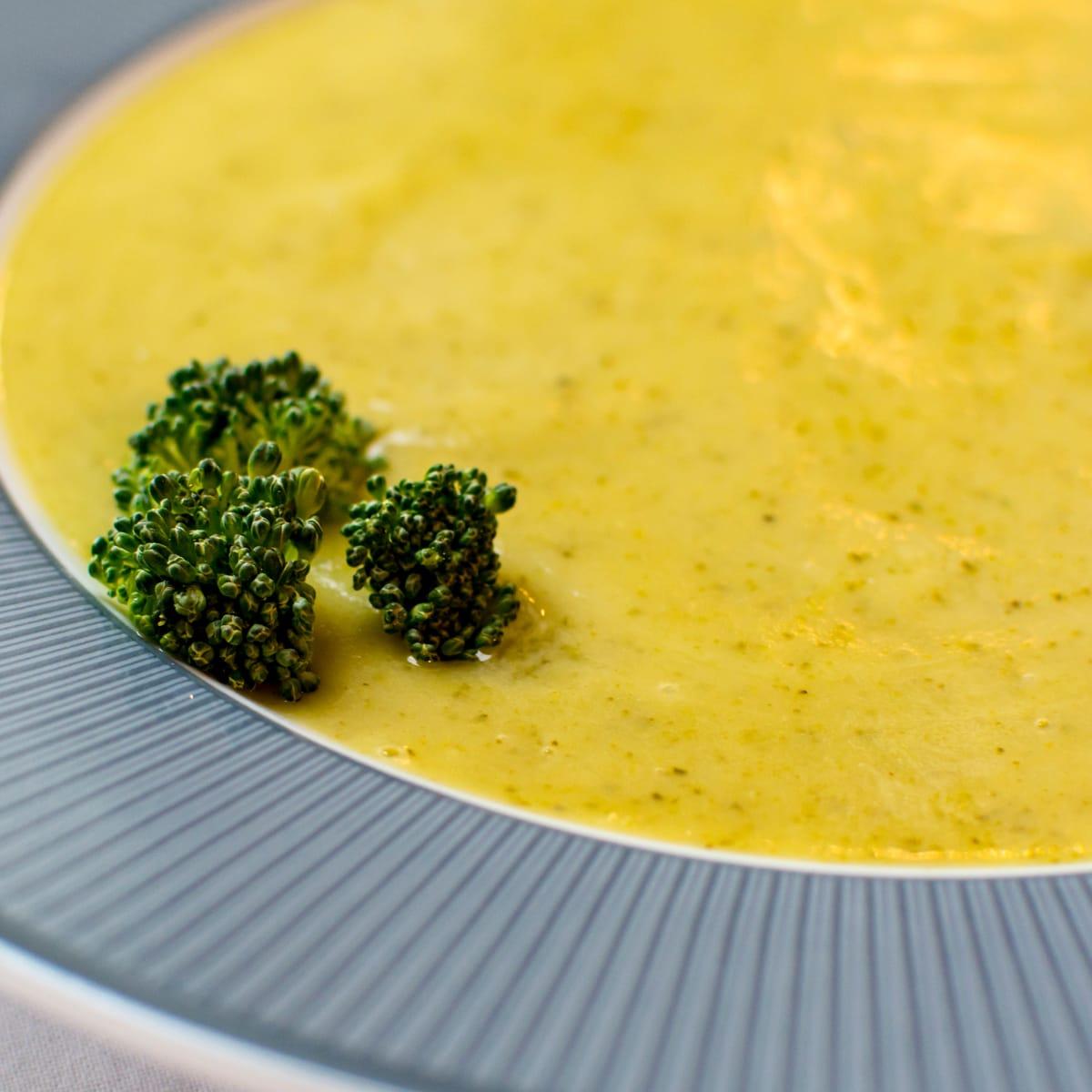
Lunch
Creamy Broccoli & White Bean Soup
A dairy-free, calcium-rich soup of broccoli, white beans, tahini and fortified almond or oat milk, blended until smooth and creamy.
4 servings
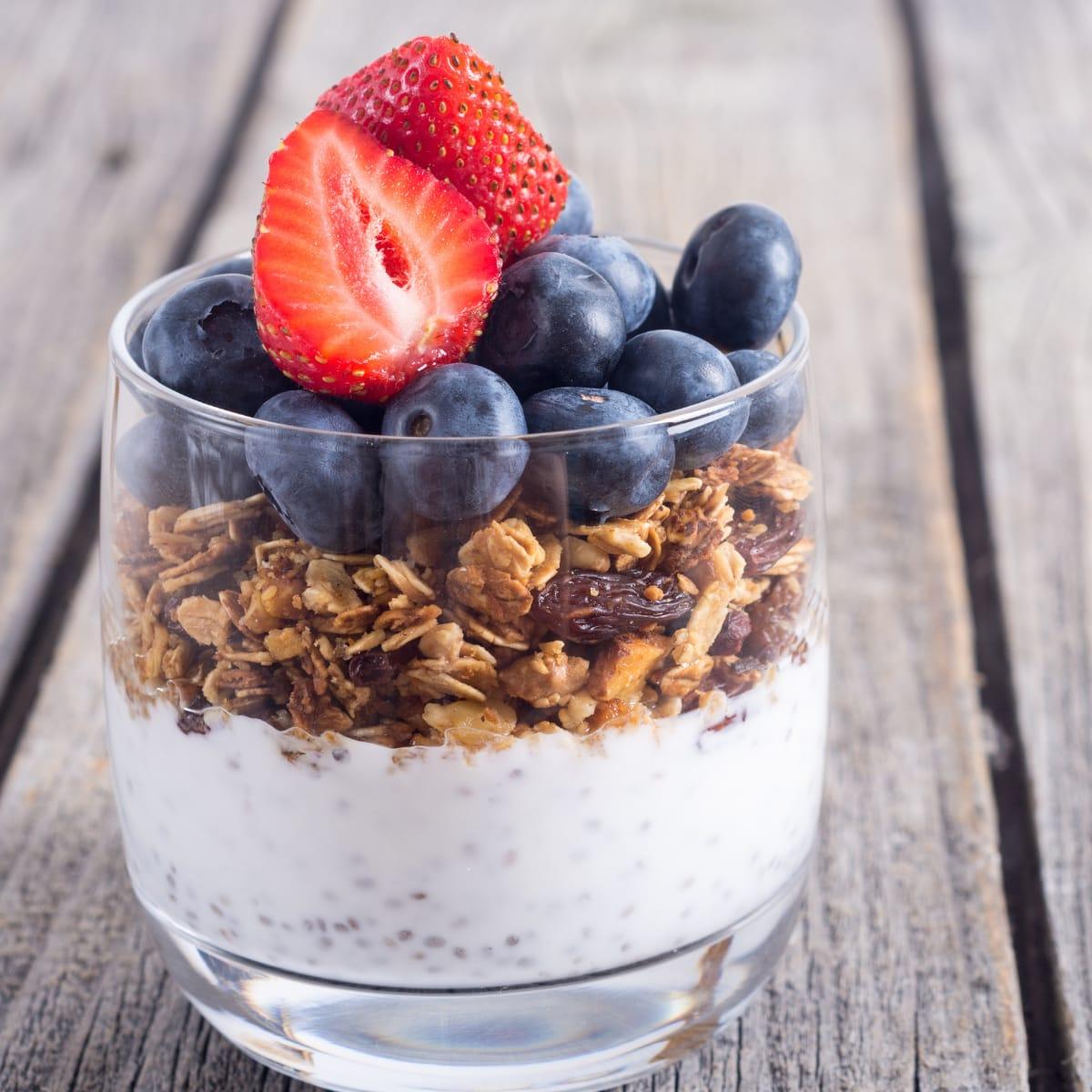
Snack
Greek Yogurt Parfait with Berries & Nuts
Greek yogurt layered with berries, nuts, seeds and a little granola — a quick post-workout snack with protein, healthy fats and carbs.
1 serving
Dinner
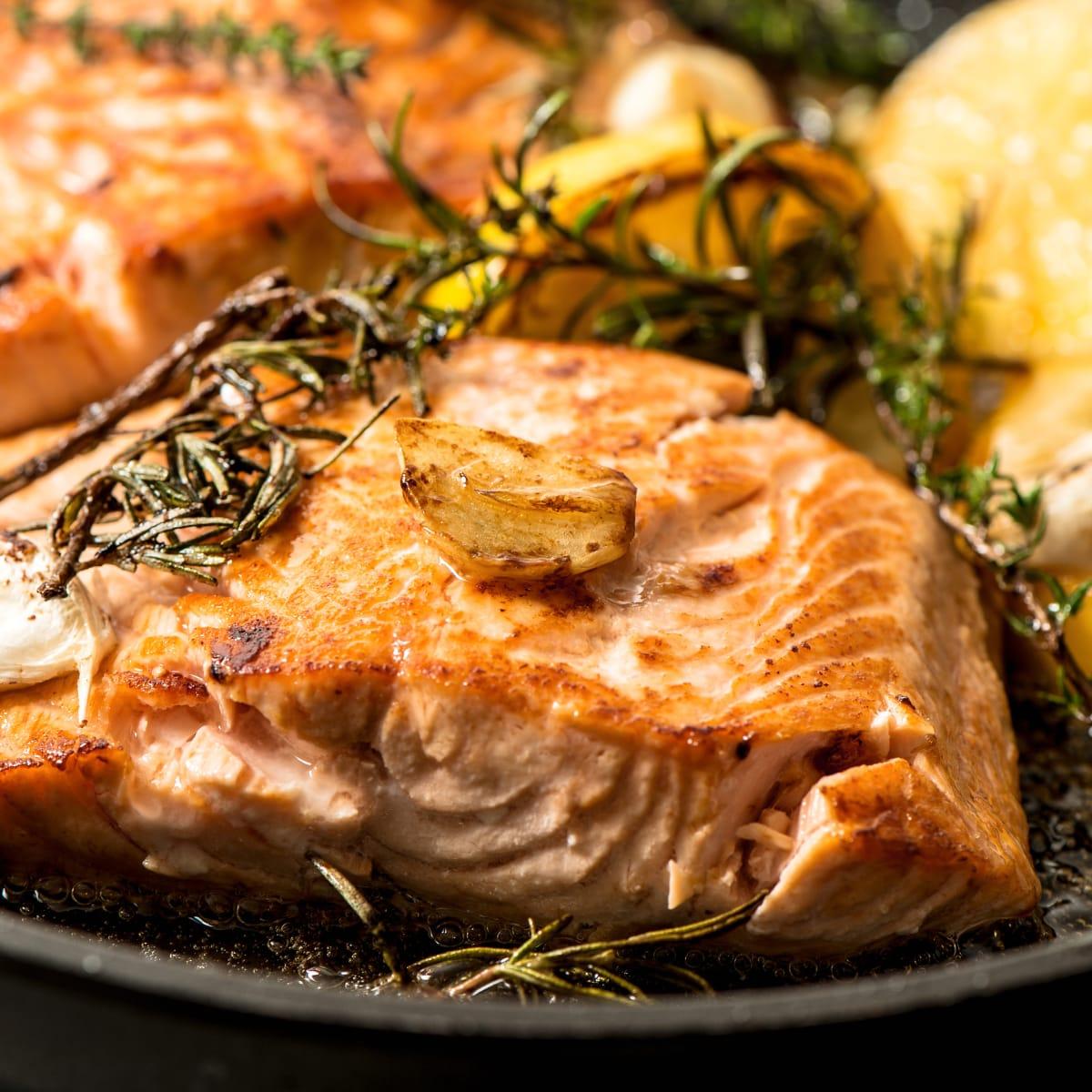
Lemon Garlic Sheet Pan Salmon & Veggies
Salmon roasted on one pan with broccoli, carrots and bell pepper in lemon, garlic and olive oil — a quick, protein-packed dinner with easy cleanup.
2–4 servings
Frequently asked questions
Can walking alone build bone density after 60?
Walking is wonderful for your heart, mood and joints, but on its own it does little for bone. A review of walking programs in postmenopausal women found no meaningful effect on spine bone density and only a small benefit at the hip.
To give your bones a stronger signal, add strength training two to three days a week and, if it's safe for you, some gentle impact like heel drops or stair climbing.
What exercises should I avoid if I have osteoporosis?
The Bone Health & Osteoporosis Foundation advises avoiding movements that bend your spine forward from the waist or twist it to an extreme, such as toe touches, sit-ups and crunches, and lifting heavy objects with a rounded back.
If you've broken a bone from osteoporosis or are at high risk, you may also need to skip high-impact exercise. Strength training, balance work and back-strengthening exercises are still encouraged. A physical therapist or experienced trainer can help you choose safe versions.
Is it okay to exercise when my knees hurt?
Usually, yes. Some discomfort during exercise is common with arthritis and isn't a sign of damage. I use a simple scale: pain of 0–2 out of 10 is fine, 3–5 means proceed with caution, and 6 or more means back off or modify the exercise.
If pain lingers into the next day or your knee swells, do a little less next time. Sudden swelling, a knee that locks or gives way, or pain after a fall should be checked by your doctor.
When should I get a bone density test?
The U.S. Preventive Services Task Force recommends a bone density test for all women 65 and older, and for younger postmenopausal women who are at increased risk of fracture.
For men, the task force found there isn't enough evidence to recommend routine screening, so talk with your doctor about your personal risk, especially if you've broken a bone from a minor fall, take long-term steroids or have lost height.
Do I need to take a calcium supplement?
Not necessarily. Try to get most of your calcium from food first, like yogurt, milk, cheese, canned salmon with bones, tofu made with calcium, fortified plant milks and leafy greens.
If you still fall short, a supplement can fill the gap, but more isn't better. Adults over 50 should stay under 2,000 mg a day from food and supplements combined. Ask your doctor before starting one, especially if you've had kidney stones.
Sources
- Sarafrazi N, Wambogo EA, Shepherd JA. Osteoporosis or low bone mass in older adults: United States, 2017–2018. NCHS Data Brief, no. 405. National Center for Health Statistics; 2021. View source
- Bone Health & Osteoporosis Foundation. What women need to know. Accessed September 30, 2026. View source
- US Preventive Services Task Force. Screening for osteoporosis to prevent fractures: US Preventive Services Task Force recommendation statement. JAMA. 2025;333(6):498-508. doi:10.1001/jama.2024.27154 View source
- Watson SL, Weeks BK, Weis LJ, Harding AT, Horan SA, Beck BR. High-intensity resistance and impact training improves bone mineral density and physical function in postmenopausal women with osteopenia and osteoporosis: the LIFTMOR randomized controlled trial. J Bone Miner Res. 2018;33(2):211-220. doi:10.1002/jbmr.3284 View source
- Kistler-Fischbacher M, Weeks BK, Beck BR. The effect of exercise intensity on bone in postmenopausal women (part 2): a meta-analysis. Bone. 2021;143:115697. doi:10.1016/j.bone.2020.115697 View source
- Martyn-St James M, Carroll S. Meta-analysis of walking for preservation of bone mineral density in postmenopausal women. Bone. 2008;43(3):521-531. doi:10.1016/j.bone.2008.05.012 View source
- Giangregorio LM, Papaioannou A, Macintyre NJ, et al. Too Fit To Fracture: exercise recommendations for individuals with osteoporosis or osteoporotic vertebral fracture. Osteoporos Int. 2014;25(3):821-835. doi:10.1007/s00198-013-2523-2 View source
- Bone Health & Osteoporosis Foundation. Be Bone Strong: osteoporosis exercise for strong bones. Accessed September 30, 2026. View source
- Bone Health & Osteoporosis Foundation. Protecting your spine. Accessed September 30, 2026. View source
- Fransen M, McConnell S, Harmer AR, Van der Esch M, Simic M, Bennell KL. Exercise for osteoarthritis of the knee. Cochrane Database Syst Rev. 2015;1(1):CD004376. doi:10.1002/14651858.CD004376.pub3 View source
- Fransen M, McConnell S, Hernandez-Molina G, Reichenbach S. Exercise for osteoarthritis of the hip. Cochrane Database Syst Rev. 2014;2014(4):CD007912. doi:10.1002/14651858.CD007912.pub2 View source
- Kolasinski SL, Neogi T, Hochberg MC, et al. 2019 American College of Rheumatology/Arthritis Foundation guideline for the management of osteoarthritis of the hand, hip, and knee. Arthritis Care Res (Hoboken). 2020;72(2):149-162. doi:10.1002/acr.24131 View source
- LaRoche DP, Cook SB, Mackala K. Strength asymmetry increases gait asymmetry and variability in older women. Med Sci Sports Exerc. 2012;44(11):2172-2181. doi:10.1249/MSS.0b013e31825e1d31 View source
- Hayden JA, Ellis J, Ogilvie R, Malmivaara A, van Tulder MW. Exercise therapy for chronic low back pain. Cochrane Database Syst Rev. 2021;9(9):CD009790. doi:10.1002/14651858.CD009790.pub2 View source
- Gasavi Nezhad Z, Gard SA, Arazpour M. The effects of hyperkyphosis on balance and fall risk in older adults: a systematic review. Gait Posture. 2025;118:154-167. doi:10.1016/j.gaitpost.2025.02.005 View source
- Ross AC, Manson JE, Abrams SA, et al. The 2011 report on dietary reference intakes for calcium and vitamin D from the Institute of Medicine: what clinicians need to know. J Clin Endocrinol Metab. 2011;96(1):53-58. doi:10.1210/jc.2010-2704 View source
- National Institutes of Health Office of Dietary Supplements. Vitamin D: fact sheet for health professionals. View source
- Rizzoli R, Biver E, Bonjour JP, et al. Benefits and safety of dietary protein for bone health—an expert consensus paper endorsed by the European Society for Clinical and Economical Aspects of Osteoporosis, Osteoarthritis, and Musculoskeletal Diseases and by the International Osteoporosis Foundation. Osteoporos Int. 2018;29(9):1933-1948. doi:10.1007/s00198-018-4534-5 View source
- Centers for Disease Control and Prevention. Facts about older adult falls. Accessed September 30, 2026. View source
- Sherrington C, Fairhall NJ, Wallbank GK, et al. Exercise for preventing falls in older people living in the community. Cochrane Database Syst Rev. 2019;1(1):CD012424. doi:10.1002/14651858.CD012424.pub2 View source
This guide is for general education and isn't medical advice. Please talk with your doctor before starting a new exercise, nutrition or supplement routine. See our health disclaimer.

About the author
Kristen Nielsen
Kristen founded TogetherWON after watching what strength training could do for older adults — including her own grandparents. She's an ACE Certified Personal Trainer with 10+ years in functional aging, a University of Central Florida graduate, and a former Division I swimmer and track & field athlete.
Senior Fitness Specialist · Functional Aging Specialist · Parkinson's Disease Specialist · Brain Health Trainer · Corrective Exercise Specialist
want these in your inbox?
Get my Saturday letters
One idea for your body, brain or balance each week, usually with a recipe. Unsubscribe any time.