Which Exercises Build Bone Density? Weights vs. Walking
By Kristen Nielsen, Founder & Senior Fitness Specialist
· Updated · Body · 4 minute read
Part of our guide: Bone and Joint Health After 60: Exercises That Help
Key takeaways
- Resistance training plus weight-bearing exercise like walking and stairs can slow bone loss and modestly increase bone density, especially at the hips and spine.
- Higher-impact moves like jumping load bones the most, while walking and swimming have a more moderate effect on bone density.
- If you have osteoporosis, get guidance before adding jumping, and use exercise alongside the treatment your doctor recommends, not instead of it.
The exercises that do the most for your bones are resistance training with weights or bands and weight-bearing activities like walking and stair climbing, with impact work added carefully. Together they're a cornerstone of bone and joint health after 60.
One topic that comes up fairly regularly with my clients is the topic of bone density. There's a reason for concern. In the United States, a 2014 study estimated that 44% of adults over age 50 have osteopenia, and worldwide, 1 in 3 women and 1 in 5 men over 50 are expected to experience an osteoporotic fracture. Oftentimes people feel hesitant to go on medication for this condition because of the side effects. What many people don't realize is that exercise can slow bone loss and even modestly increase bone density!
Does Walking Help Bone Density?
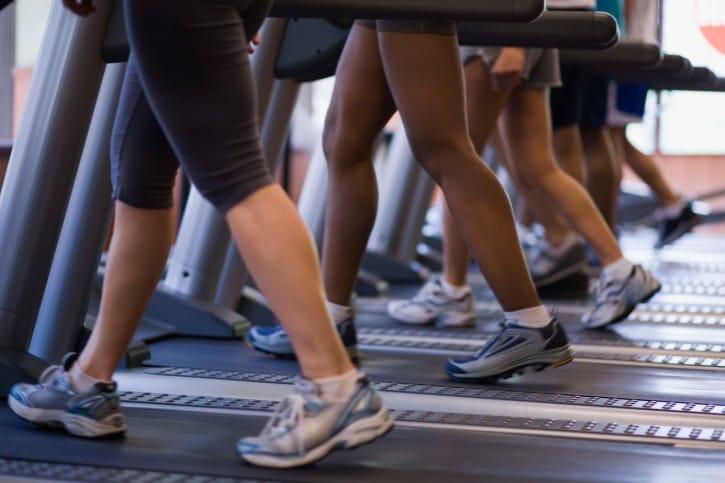
Yes, walking and other weight-bearing exercise can help maintain bone density.
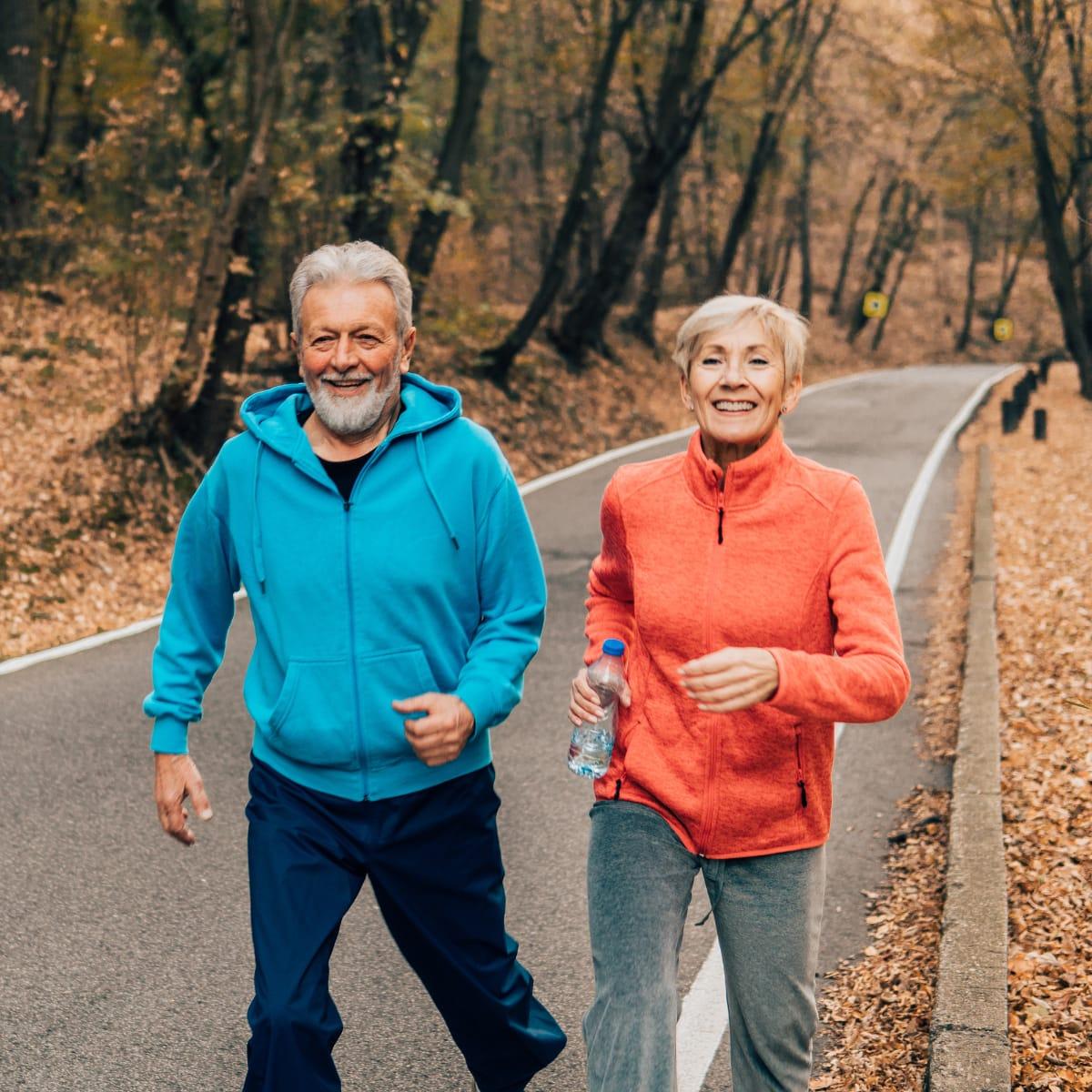
Impact on bone density: Weight-bearing exercises, such as walking, jogging, dancing, and climbing stairs, force your bones to support the weight of your body against gravity. This stimulates bone-forming cells (osteoblasts) and helps maintain or even increase bone density.
Why it works: When you engage in weight-bearing activities, the bones respond to the mechanical stress by remodeling and becoming stronger. The stress signals the bones to retain minerals like calcium, which strengthens their structure.
Is Strength Training Good for Bone Density?
Yes, and it's especially helpful for the hips and spine.
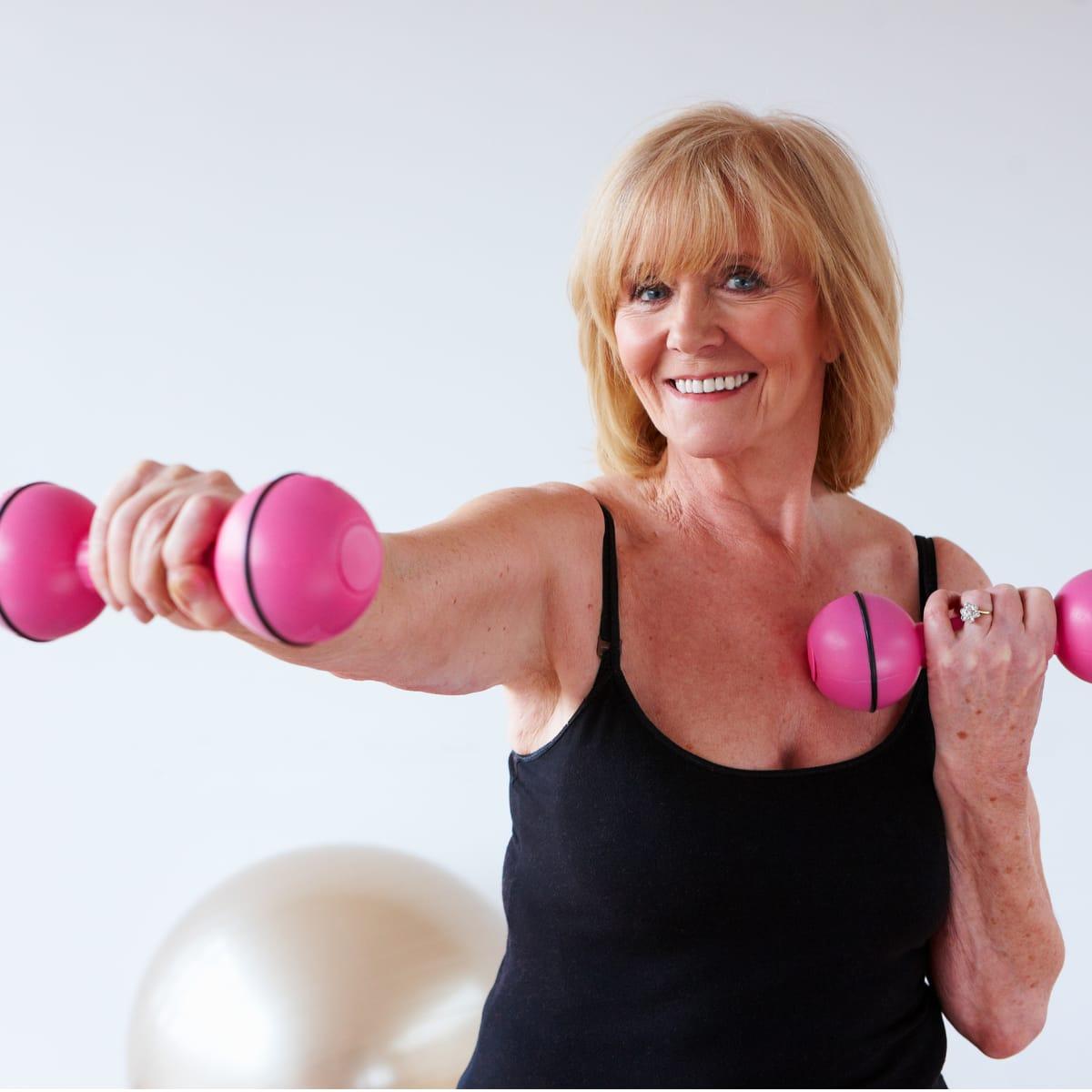
Impact on bone density: Lifting weights or using resistance bands places stress on muscles and bones, stimulating the growth and strengthening of bone tissue. This is especially effective for increasing bone density in areas prone to fractures, such as the hips and spine.
Why it works: The pulling action of muscles on bones during resistance training stimulates the production of new bone tissue. Over time, this can help slow bone loss and even reverse bone density decline in certain areas. The weight needs to be challenging, though. Here's how heavy you should lift to see results.
High-Impact vs. Low-Impact Exercise
High-impact activities: Exercises like running, jumping, or plyometrics provide more intense bone-loading forces, which are highly effective for building bone density, particularly in weight-bearing bones like the legs, hips, and spine. If you have osteoporosis or fragile bones, get guidance from your doctor or a qualified trainer before adding jumping or plyometrics.
Low-impact activities: While activities like walking or swimming are still beneficial for overall health, they have a more moderate impact on bone density compared to high-impact exercises. However, for those with fragile bones or joint issues, low-impact exercises can still help maintain bone health without putting too much strain on the body.
How Does Exercise Build Bone?
Constant renewal: Bones are living tissues that undergo continuous remodeling throughout life. Exercise increases bone turnover by enhancing the removal of old bone (resorption) and the formation of new bone. This process keeps bones dense and strong.
Age-related bone loss: As people age, bone density naturally declines. Regular exercise can slow down this process and help prevent conditions like osteopenia and osteoporosis, which weaken bones.
Can Exercise Replace Osteoporosis Medication?
No. If you already have osteoporosis, exercise works best alongside the treatment your doctor recommends, not instead of it. Still, exercise is a medication-free way to help build bone density while giving your body the added benefits that come with exercise! (If you're weighing calcium and vitamin D too, I cover bone density supplements and exercise in another post.) Just one more reason to get the sneakers on and head outside!
Questions for the Trainer
How do I stay motivated to work out?
Staying motivated to exercise regularly can be challenging, but there are several strategies to help you stay on track:
Set clear, realistic goals: Break down your larger fitness goals into smaller, achievable milestones. For example, aim to walk for 20 minutes three times a week and gradually increase from there.
Find activities you enjoy: Choose exercises that you actually like doing, whether it's walking, swimming, dancing, or strength training. Enjoying the process makes it easier to stick with it.
Create a routine: Schedule exercise sessions into your day, just like appointments. Having a set time for your workout builds a habit.
Track your progress: Keep a journal or use a fitness app to track your progress. Seeing improvements, no matter how small, can boost your motivation.
Mix things up: Avoid boredom by varying your workouts. Try new exercises, work out in different locations, or include different types of activities, such as strength, balance, and flexibility training.
Work out with a friend or trainer: Having someone to exercise with can make workouts more fun and hold you accountable. That's a big part of why people love small group training. A trainer can also help you stay motivated with personalized programs and encouragement.
Celebrate your successes: Reward yourself for meeting your goals — whether it's with a treat, a new workout outfit, or simply acknowledging how far you've come.
Kristen
Try the recipe: For an easy high-protein snack, try these cucumber tuna boats — get the recipe.
Sources
- Wright NC, Looker AC, Saag KG, et al. The recent prevalence of osteoporosis and low bone mass in the United States based on bone mineral density at the femoral neck or lumbar spine. J Bone Miner Res. 2014;29(11):2520-2526. doi:10.1002/jbmr.2269 View source
- International Osteoporosis Foundation. Epidemiology of osteoporosis and fragility fractures. Accessed September 25, 2026. View source
- Kanis JA, Johnell O, Oden A, et al. Long-term risk of osteoporotic fracture in Malmö. Osteoporos Int. 2000;11(8):669-674. doi:10.1007/s001980070064 View source
- Howe TE, Shea B, Dawson LJ, et al. Exercise for preventing and treating osteoporosis in postmenopausal women. Cochrane Database Syst Rev. 2011;(7):CD000333. doi:10.1002/14651858.CD000333.pub2 View source
- Kemmler W, Shojaa M, Kohl M, von Stengel S. Effects of different types of exercise on bone mineral density in postmenopausal women: a systematic review and meta-analysis. Calcif Tissue Int. 2020;107(5):409-439. doi:10.1007/s00223-020-00744-w View source
- Watson SL, Weeks BK, Weis LJ, et al. High-intensity resistance and impact training improves bone mineral density and physical function in postmenopausal women with osteopenia and osteoporosis: the LIFTMOR randomized controlled trial. J Bone Miner Res. 2018;33(2):211-220. doi:10.1002/jbmr.3284 View source
- Zhao R, Zhao M, Xu Z. The effects of differing resistance training modes on the preservation of bone mineral density in postmenopausal women: a meta-analysis. Osteoporos Int. 2015;26(5):1605-1618. doi:10.1007/s00198-015-3034-0 View source
- Martyn-St James M, Carroll S. A meta-analysis of impact exercise on postmenopausal bone loss: the case for mixed loading exercise programmes. Br J Sports Med. 2009;43(12):898-908. doi:10.1136/bjsm.2008.052704 View source
- Martyn-St James M, Carroll S. Meta-analysis of walking for preservation of bone mineral density in postmenopausal women. Bone. 2008;43(3):521-531. doi:10.1016/j.bone.2008.05.012 View source
- Su Y, Chen Z, Xie W. Swimming as treatment for osteoporosis: a systematic review and meta-analysis. Biomed Res Int. 2020;2020:6210201. doi:10.1155/2020/6210201 View source
- Schinzel E, Kast S, Kohl M, et al. The effect of aquatic exercise on bone mineral density in older adults: a systematic review and meta-analysis. Front Physiol. 2023;14:1135663. doi:10.3389/fphys.2023.1135663 View source
- Office of the Surgeon General (US). Bone Health and Osteoporosis: A Report of the Surgeon General. Rockville, MD: US Department of Health and Human Services; 2004. View source
This article is for general education and isn't medical advice. Please talk with your doctor before starting a new exercise, nutrition or supplement routine. See our health disclaimer.


About the author
Kristen Nielsen
Kristen founded TogetherWON after watching what strength training could do for older adults — including her own grandparents. She's an ACE Certified Personal Trainer with 10+ years in functional aging, a University of Central Florida graduate, and a former Division I swimmer and track & field athlete.
Senior Fitness Specialist · Functional Aging Specialist · Parkinson's Disease Specialist · Brain Health Trainer · Corrective Exercise Specialist
want these in your inbox?
Get my Saturday letters
One idea for your body, brain or balance each week, usually with a recipe. Unsubscribe any time.
Keep reading
Body · Stories
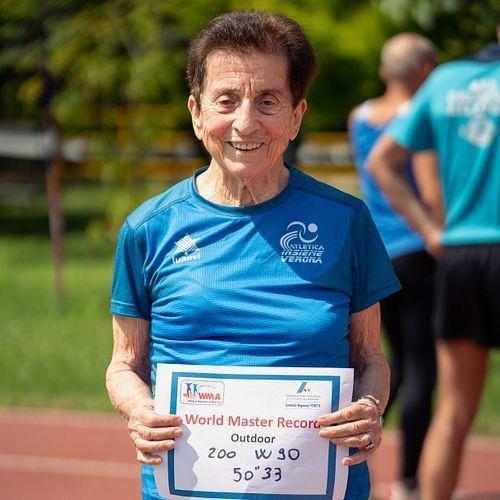
Building Muscle at 91: What a Sprinter Teaches Us
Researchers tested the muscles of a 91-year-old world-record sprinter. What they found shows why strength and power stay trainable as we age.
September 19, 2026 · 3 min read
Brain · Body
Music and Movement: A Brain-Body Workout to a Song
Pick a favorite song and let it set your pace. This simple music-and-movement workout challenges your brain and body at any fitness level.
September 12, 2026 · 2 min read
Body
2-Minute Step Test: Check Your Cardio Fitness at Home
The 2-Minute Step Test is a simple at-home check of your endurance. Here's how to do it, how to compare your score, and why cardio fitness matters.
September 5, 2026 · 2 min read