Healthy Fats for Brain Health: What to Eat
By Kristen Nielsen, Founder & Senior Fitness Specialist
· Updated · Nutrition & Brain · 4 minute read

Part of our guide: Exercise for Brain Health After 60
Key takeaways
- For brain health, eat fatty fish, avocados, nuts, seeds and olive oil. Nearly 60% of your brain's dry weight is fat, so the type you eat matters for memory and focus.
- Omega-3 fats, especially DHA from fatty fish, help build brain cell membranes, and healthy fats may help calm the inflammation linked to cognitive decline.
- Easy swaps include cooking with olive oil instead of refined oils, snacking on walnuts, and eating at least two servings of fatty fish a week.
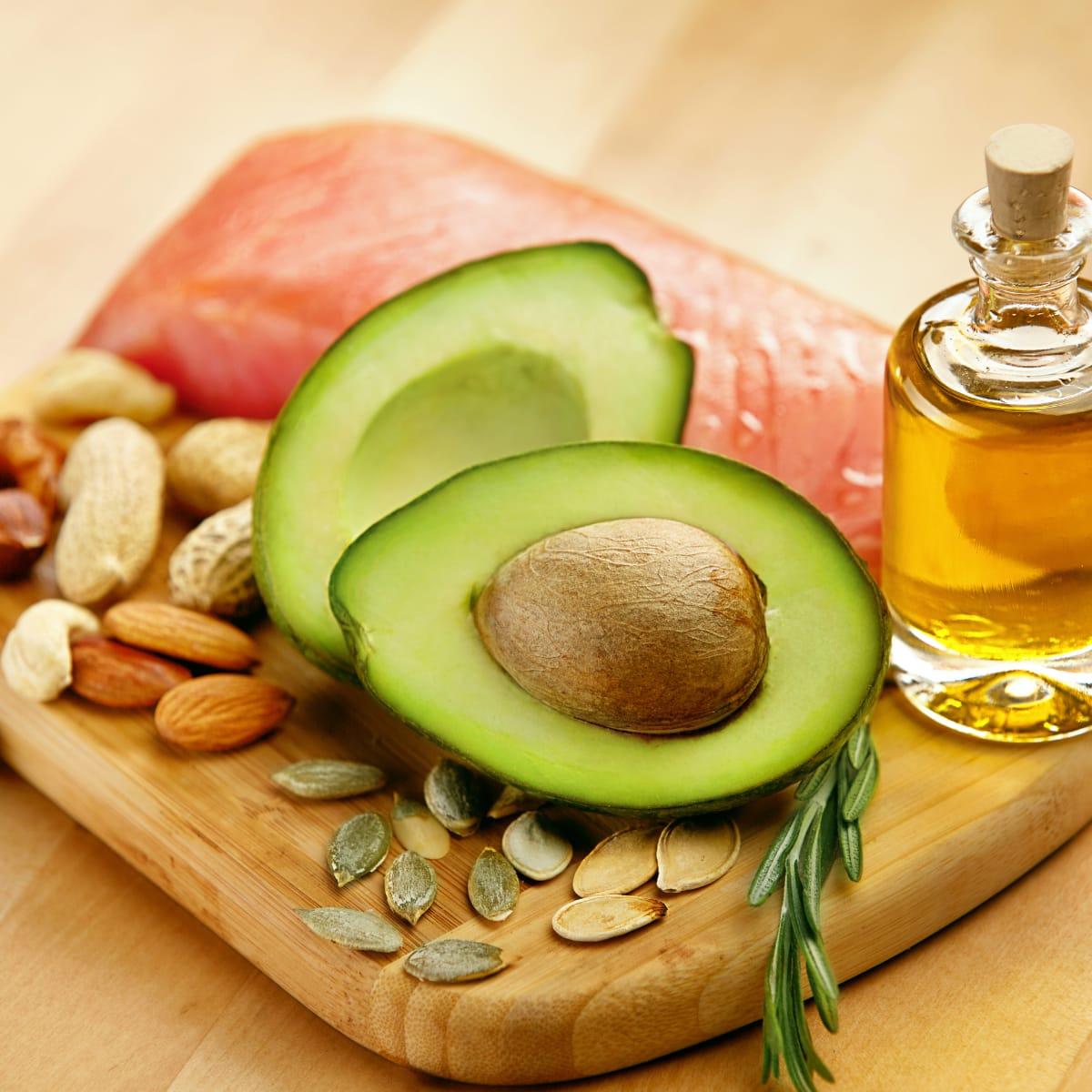
The best fats for your brain come from fatty fish, avocados, nuts, seeds and olive oil. Your brain is built largely from fat, so what you eat matters, right alongside exercise for brain health.
Many of us remember the days when fat was vilified as the root cause of weight gain and poor health, leading many to adopt low-fat diets. This widespread belief shaped the habits of an entire generation. However, our understanding of dietary fat has evolved dramatically. Today, we know that fat itself isn't inherently bad — what truly matters is the type of fat you consume. Not only that, we now know that the type of fat we consume is related to brain health.
Unhealthy fats, such as trans fats and refined seed oils, can contribute to inflammation and chronic health issues. Common seed oils like soybean, canola, sunflower, safflower, and corn oil are processed at high temperatures and contain unhealthy omega-6 fatty acids that disrupt the body's balance. These oils — which are found in most processed foods and restaurants — may have damaging effects on overall health.
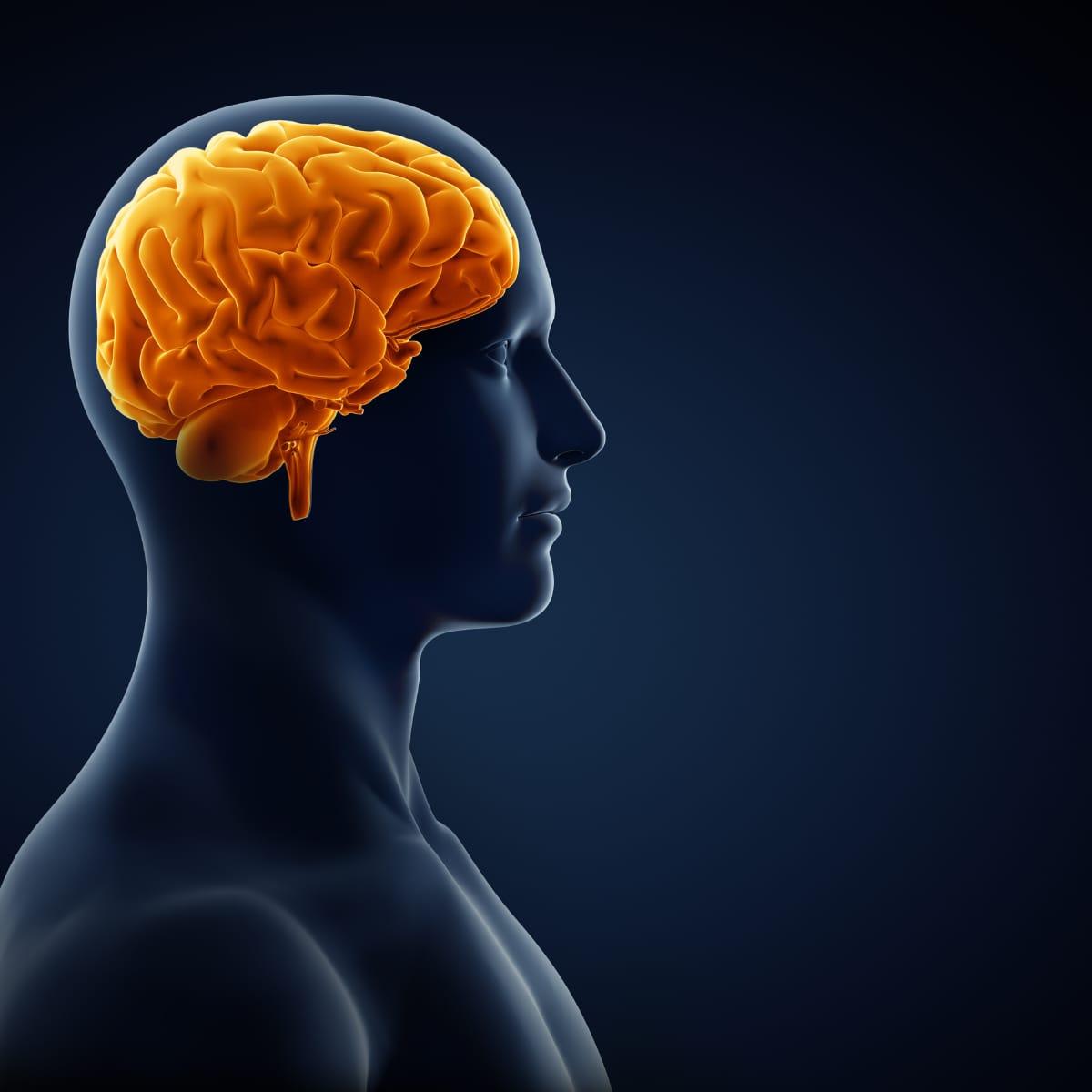
On the other hand, good fats — like those found in avocados, nuts, seeds, fatty fish, olive oil, and coconut oil — are essential for brain health. With nearly 60% of your brain's dry weight made up of fat, nourishing it with the right kinds of fat can enhance memory, improve focus, and even help prevent cognitive decline.
I read Reversing Alzheimer's by Heather Sandison, and I highly recommend it. In her book, Dr. Heather Sandison highlights how incorporating good fats into your diet is one of the most effective strategies for protecting and improving brain function. Let's explore why good fats are vital and how to incorporate them into your meals for optimal health.
Why Does Your Brain Need Healthy Fats?
Your brain relies on healthy fats for its structure, for help calming inflammation and as a source of fuel.
Structural support: Fats play a critical role in forming the structure of brain cells. Omega-3 fatty acids, particularly DHA (docosahexaenoic acid), are vital for maintaining the integrity of neuronal cell membranes, which ensures smooth communication between brain cells.
Inflammation reduction: Healthy fats, such as those found in avocados, nuts, and fatty fish, are known for their anti-inflammatory properties. Chronic inflammation is a significant contributor to cognitive decline, and consuming anti-inflammatory fats can help mitigate this risk.
Fuel for brain function: The brain thrives on ketones, an energy source produced when the body burns fat. As highlighted in Reversing Alzheimer's, Dr. Sandison emphasizes the role of ketogenic diets, which are rich in good fats, in providing a steady fuel supply for the brain. This can enhance focus, memory, and overall brain function.
What Are the Best Healthy Fats for Brain Health?
The best sources are fatty fish, avocados, nuts and seeds, and olive oil, with coconut oil as another option. To maximize brain health, it's essential to include high-quality fats in your diet. Here are some of the best sources:
Fatty fish: Salmon, mackerel, and sardines are rich in omega-3 fatty acids, particularly DHA and EPA, which are critical for brain function.
Avocados: Packed with monounsaturated fats, avocados support healthy blood flow to the brain.
Nuts and seeds: Walnuts, flaxseeds, and chia seeds are excellent sources of omega-3s and other brain-boosting nutrients.
Olive oil: Extra virgin olive oil contains antioxidants and healthy monounsaturated fats that support brain health.
Coconut oil: Coconut oil contains some medium-chain triglycerides (MCTs), which the body quickly converts into ketones, providing energy for the brain. MCT oil, which is made from coconut or palm oil, is a more concentrated source.
Insights from Reversing Alzheimer's
In her book, Dr. Heather Sandison underscores the critical role of diet in preventing and even reversing cognitive decline. She advocates for a high-fat, low-carbohydrate ketogenic diet as a cornerstone of brain health. According to Dr. Sandison, good fats not only fuel the brain but also help reduce amyloid plaques and tau tangles, which are hallmarks of Alzheimer's disease.
How Can You Add More Good Fats to Your Meals?
Start your day right: Add a tablespoon of pure butter, coconut oil or a slice of avocado to a morning smoothie for a brain-boosting start.
Choose smart snacks: Swap out processed snacks for a handful of walnuts or a small portion of guacamole with veggies.
Cook with healthy oils: Use olive oil or coconut oil for cooking instead of refined vegetable oils.
Incorporate fatty fish: Aim for at least two servings of fatty fish per week to boost your omega-3 intake.
Start With One Simple Swap
Good fats are vital for maintaining a healthy brain and an overall sense of well-being. By adding more high-quality fats into your meals, you're not just fueling your brain — you're actively supporting your memory, focus, and long-term cognitive health. Dr. Sandison's insights remind us that the choices we make today, even the foods we eat, shape the health of our brains tomorrow. Why not start small? Swap out refined oils for olive or coconut oil, or snack on a handful of walnuts. You can also try the tasty avocado and salmon salad recipe linked below. And pair good food with regular movement, on your own or with in-home personal training, because cardio is good for your brain too. Let's fuel our brains with the good stuff!
Kristen
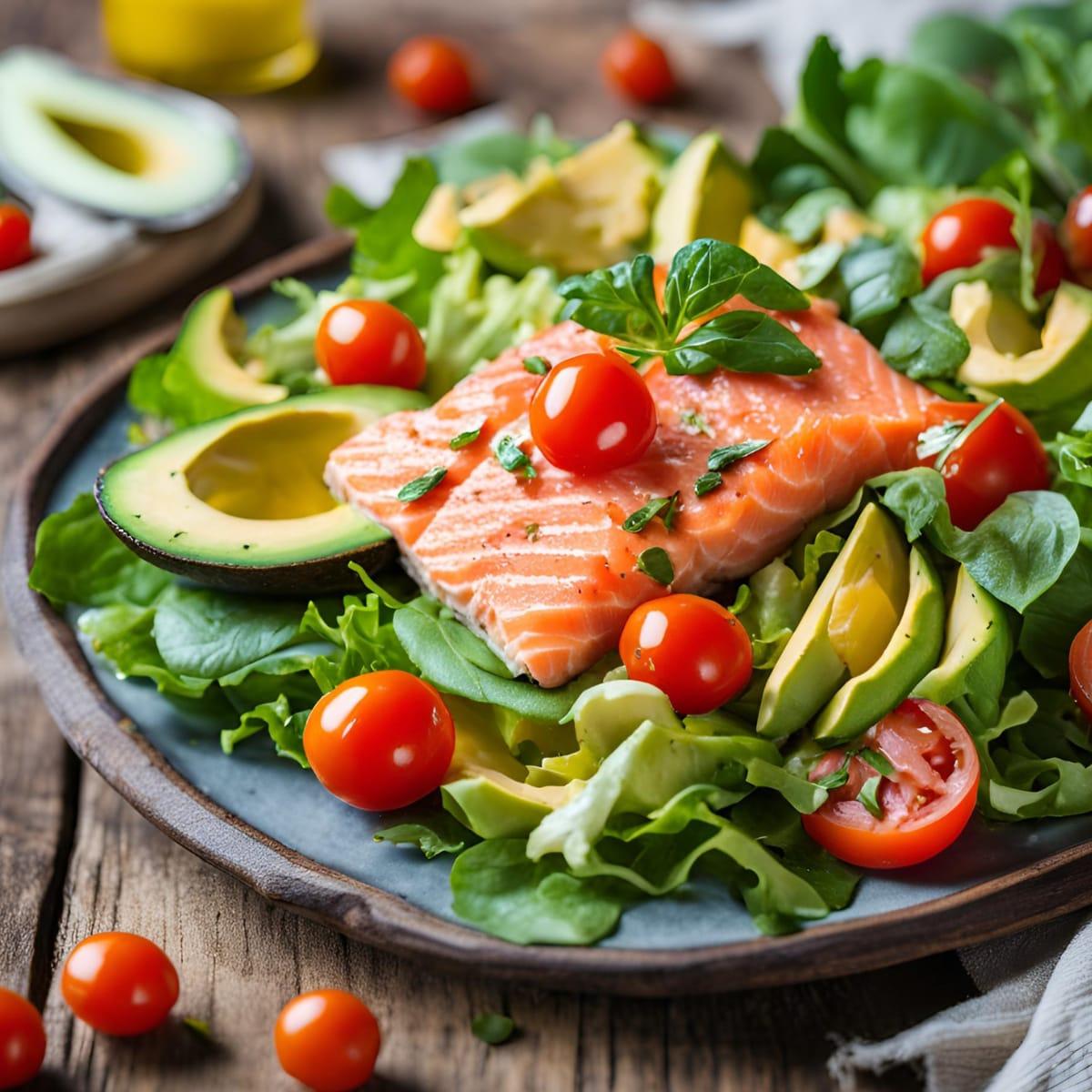
Try the recipe: For an easy meal full of omega-3s and healthy fats, try this avocado and salmon salad — get the recipe.
Sources
- Ramsden CE, Zamora D, Majchrzak-Hong S, et al. Re-evaluation of the traditional diet-heart hypothesis: analysis of recovered data from Minnesota Coronary Experiment (1968-73). BMJ. 2016;353:i1246. View source
- Simopoulos AP. The importance of the ratio of omega-6/omega-3 essential fatty acids. Biomed Pharmacother. 2002;56(8):365-379. View source
- Chang CY, Ke DS, Chen JY. Essential fatty acids and human brain. Acta Neurol Taiwan. 2009;18(4):231-241. View source
- Bazinet RP, Layé S. Polyunsaturated fatty acids and their metabolites in brain function and disease. Nat Rev Neurosci. 2014;15(12):771-785. View source
- Sacks FM, Lichtenstein AH, Wu JHY, et al. Dietary fats and cardiovascular disease: a presidential advisory from the American Heart Association. Circulation. 2017;136(3):e1-e23. View source
- Valls-Pedret C, Sala-Vila A, Serra-Mir M, et al. Mediterranean diet and age-related cognitive decline: a randomized clinical trial. JAMA Intern Med. 2015;175(7):1094-1103. View source
- Cunnane SC, Courchesne-Loyer A, St-Pierre V, et al. Can ketones compensate for deteriorating brain glucose uptake during aging? Implications for the risk and treatment of Alzheimer's disease. Ann N Y Acad Sci. 2016;1367(1):12-20. View source
- Croteau E, Castellano CA, Richard MA, et al. Ketogenic medium chain triglycerides increase brain energy metabolism in Alzheimer's disease. J Alzheimers Dis. 2018;64(2):551-561. View source
- Phillips MCL, Deprez LM, Mortimer GMN, et al. Randomized crossover trial of a modified ketogenic diet in Alzheimer's disease. Alzheimers Res Ther. 2021;13(1):51. View source
- Sandison H. Reversing Alzheimer's: The New Toolkit to Improve Cognition and Protect Brain Health. HarperCollins; 2024. View source
- Rimm EB, Appel LJ, Chiuve SE, et al. Seafood long-chain n-3 polyunsaturated fatty acids and cardiovascular disease: a science advisory from the American Heart Association. Circulation. 2018;138(1):e35-e47. View source
This article is for general education and isn't medical advice. Please talk with your doctor before starting a new exercise, nutrition or supplement routine. See our health disclaimer.

About the author
Kristen Nielsen
Kristen founded TogetherWON after watching what strength training could do for older adults — including her own grandparents. She's an ACE Certified Personal Trainer with 10+ years in functional aging, a University of Central Florida graduate, and a former Division I swimmer and track & field athlete.
Senior Fitness Specialist · Functional Aging Specialist · Parkinson's Disease Specialist · Brain Health Trainer · Corrective Exercise Specialist
want these in your inbox?
Get my Saturday letters
One idea for your body, brain or balance each week, usually with a recipe. Unsubscribe any time.
Keep reading
Brain · Nutrition
Inflammation and Brain Health: Natural Ways to Lower It
Chronic inflammation is linked to brain aging and dementia. Here's how food, exercise, sleep and stress management can help calm it naturally.
August 16, 2025 · 3 min read

Nutrition · Brain
How Much Water Should Seniors Drink? Hydration Tips
Why hydration matters more as we age, how much fluid women and men need each day, and when a no-sugar electrolyte drink beats plain water.
March 15, 2025 · 3 min read

Brain · Body
Music and Movement: A Brain-Body Workout to a Song
Pick a favorite song and let it set your pace. This simple music-and-movement workout challenges your brain and body at any fitness level.
September 12, 2026 · 2 min read