How Exercise Boosts BDNF, Your Brain's Fertilizer
By Kristen Nielsen, Founder & Senior Fitness Specialist
· Updated · Brain & Body · 2 minute read
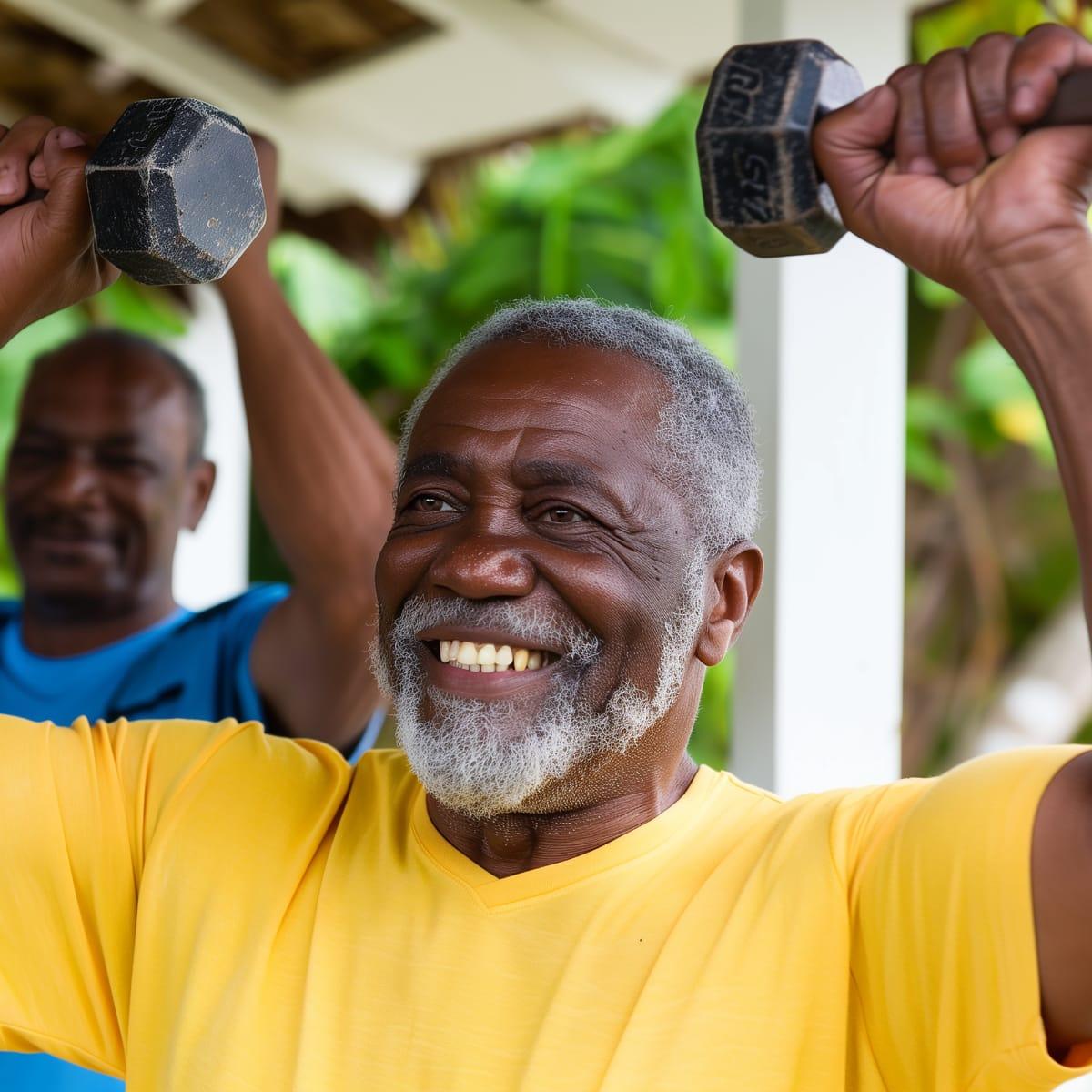
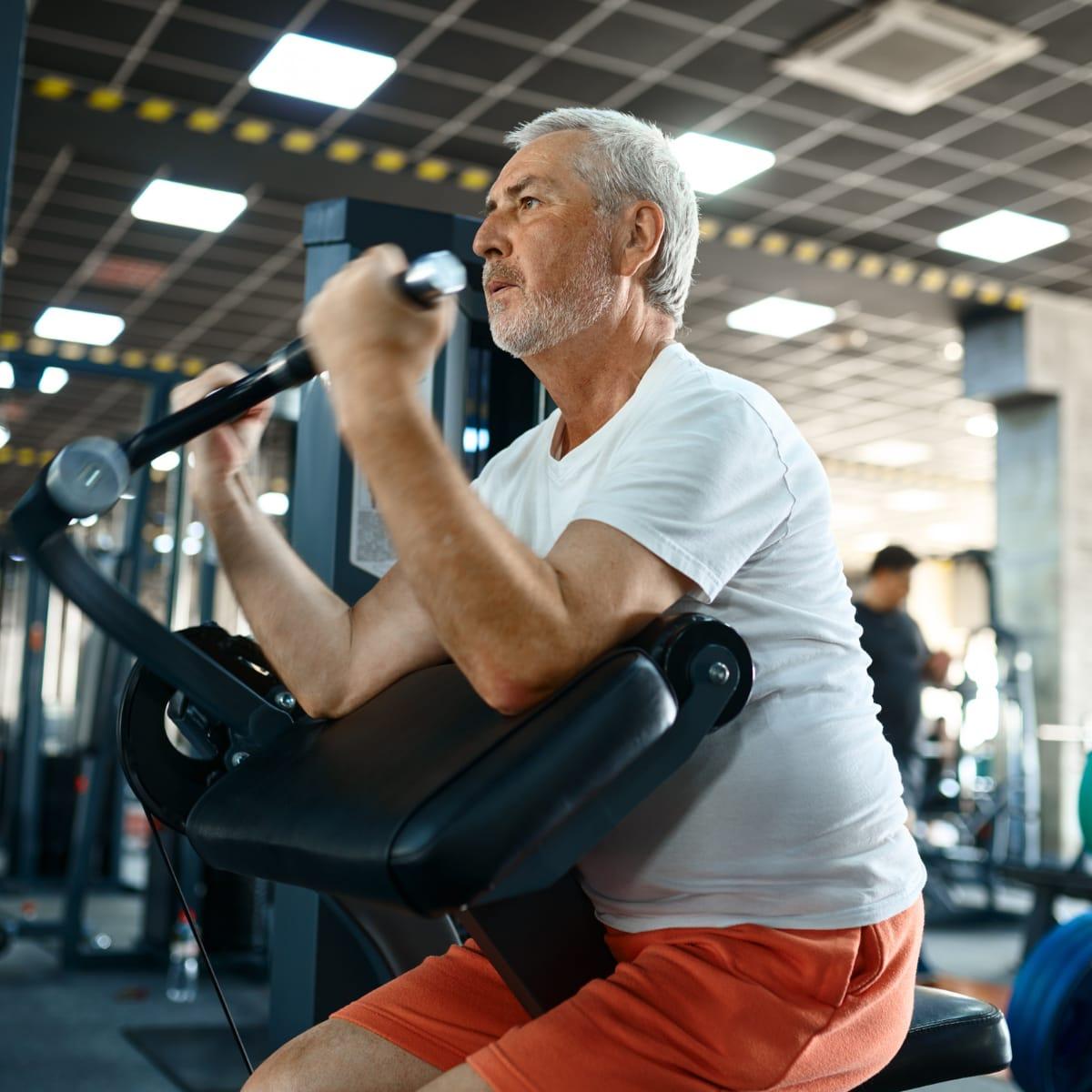
Part of our guide: Exercise for Brain Health After 60
Key takeaways
- Exercise boosts BDNF, a brain "fertilizer," most when it makes you a little breathless, because hard-working muscles release lactate, which helps trigger BDNF.
- Moderate-to-challenging exercise that makes you breathe faster and feel warm seems to help the brain most, and you don't need extreme workouts.
- Try brisk walking intervals, sit-to-stand challenges or step-ups, and add a thinking task like counting backward for an extra brain bonus.
Exercise boosts BDNF, a protein that works like fertilizer for your brain, and getting a little breathless seems to help most. In other words, some of the best "brain medicine" is made inside your own body — when you move.
Research, including a 2020 review of lactate and BDNF, is helping us understand why exercise improves memory, focus, and brain health as we age, and why exercise for brain health doesn't have to be extreme. The answer comes down to two powerful helpers your body releases when you exercise.
What Happens in Your Brain When You Exercise?
When you exercise, your body releases two helpers that work together.
1. BDNF (Brain-Derived Neurotrophic Factor)
Think of BDNF as fertilizer for your brain.
It helps:
- Grow new brain cells
- Strengthen memory
- Improve learning and focus
- Protect against age-related brain decline
2. Lactate
Lactate used to get a bad reputation, but science now shows it's actually a powerful brain signal.
- When your muscles work hard, lactate increases.
- Lactate travels to the brain.
- Lactate helps trigger the release of BDNF.
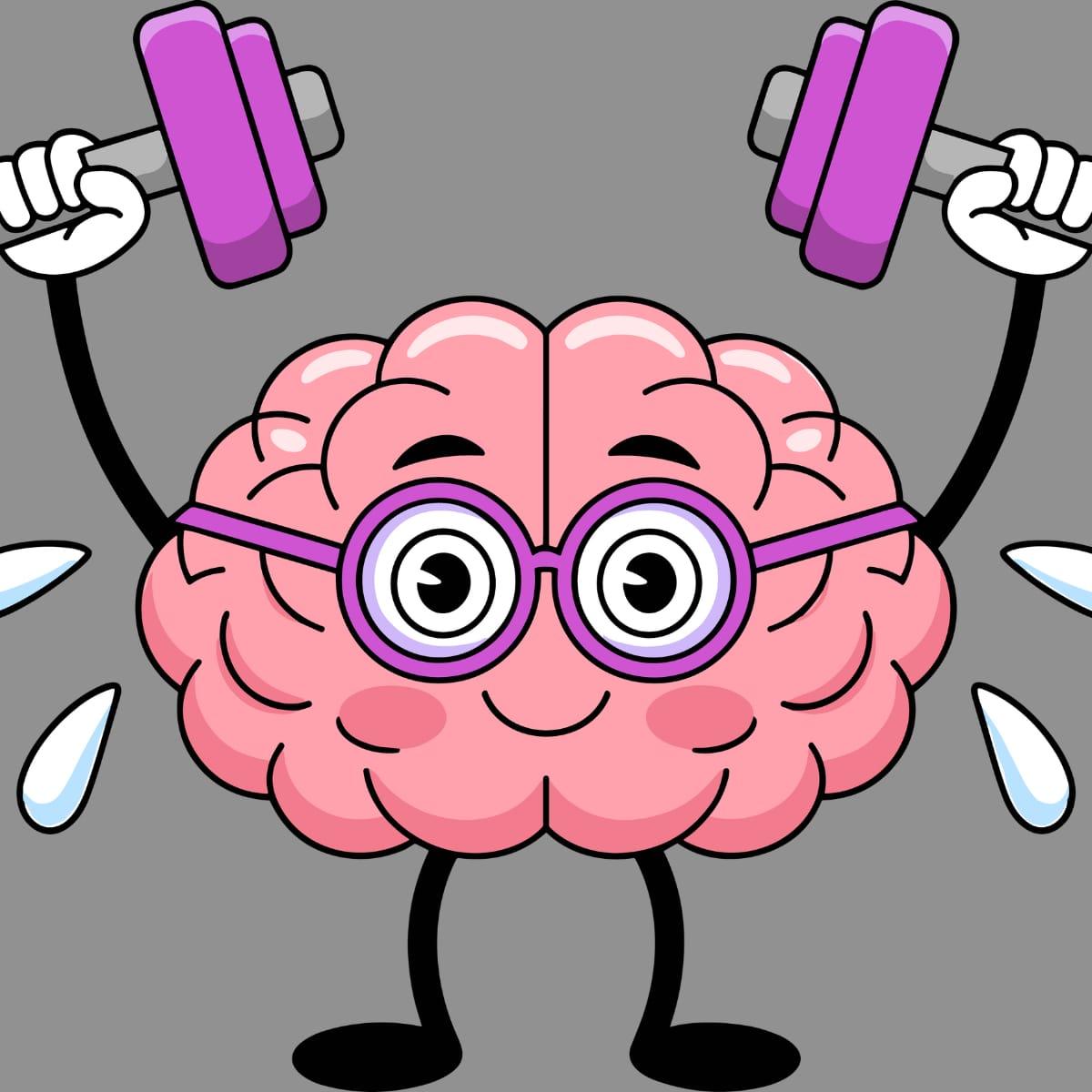
In simple terms: a little hard work tells your brain to grow stronger.
Want to See the Research?
Here's the research article this is based on (written for scientists, but very solid evidence): Lactate and BDNF: Key Mediators of Exercise Induced Neuroplasticity?
What Kind of Exercise Helps the Brain Most?
Moderate-to-challenging exercise helps most. The research shows that moderate-to-challenging exercise works best — especially activities that make you:
- breathe faster
- feel warm
- say "I'm working hard, but I can keep going"
You do not need extreme workouts or long gym sessions.
Brain-Boosting Exercises for Adults Over 60
Try adding 1–2 of these to your week:
1. Brisk walking intervals (more ideas in my post on interval training for seniors)
- Walk at a comfortable pace for 2 minutes
- Walk faster for 30–60 seconds
- Repeat 5–10 times
Great for lactate and BDNF.
2. Sit-to-stand challenges
- Stand up from a chair 10–15 times
- Rest 30–60 seconds
- Repeat 2–3 rounds
Simple, powerful, and very effective. (It's also the basis of our 30-second chair stand test.)
3. Stair or step-ups
- Step up and down slowly for 30–60 seconds
- Rest and repeat 3–5 rounds
Excellent brain and balance benefits.
4. Strength circuits. Pick 3–4 exercises:
- Squats or chair squats
- Wall push-ups
- Resistance band rows
- Carrying weights
Move continuously for 2–3 minutes before resting.
5. Add the brain bonus. Combine movement with thinking:
- Count backwards by 3s or 4s
- Name animals or cities while walking
- Change directions or speeds on cue
This combination is especially powerful for brain health. Try the Rule-Switch March for a simple example.
Do You Need Intense Workouts to Help Your Brain?
No. You don't need to exercise forever or exercise perfectly.
You just need to challenge yourself a little — often enough to tell your brain: "Hey, we're still using this!"
And your brain responds by getting stronger, sharper, and more resilient. If you'd like help finding your right level of challenge, that's exactly what we do in in-home personal training.
Kristen
Try the recipe: For a brain-boosting recovery snack, try Greek yogurt with berries and nuts — get the recipe.
Sources
- Müller P, Duderstadt Y, Lessmann V, Müller NG. Lactate and BDNF: key mediators of exercise induced neuroplasticity? J Clin Med. 2020;9(4):1136. View source
This article is for general education and isn't medical advice. Please talk with your doctor before starting a new exercise, nutrition or supplement routine. See our health disclaimer.


About the author
Kristen Nielsen
Kristen founded TogetherWON after watching what strength training could do for older adults — including her own grandparents. She's an ACE Certified Personal Trainer with 10+ years in functional aging, a University of Central Florida graduate, and a former Division I swimmer and track & field athlete.
Senior Fitness Specialist · Functional Aging Specialist · Parkinson's Disease Specialist · Brain Health Trainer · Corrective Exercise Specialist
want these in your inbox?
Get my Saturday letters
One idea for your body, brain or balance each week, usually with a recipe. Unsubscribe any time.
Keep reading

Brain · Body
Music and Movement: A Brain-Body Workout to a Song
Pick a favorite song and let it set your pace. This simple music-and-movement workout challenges your brain and body at any fitness level.
September 12, 2026 · 2 min read
Brain · Body
Brain-Body Exercises for Seniors: The Rule-Switch March
Brain-body exercises pair movement with a mental challenge. Try the Rule-Switch March, a simple standing or seated drill for focus and balance.
July 11, 2026 · 3 min read

Brain · Body
What Super Agers Teach Us About Brain Health
A Nature study found super agers over 80 have more immature neurons in the hippocampus. What that means, and why we train body and brain together.
April 18, 2026 · 2 min read