How to Help an Aging Parent Start Exercising
By Kristen Nielsen, Founder & Senior Fitness Specialist · Updated · 13 minute read
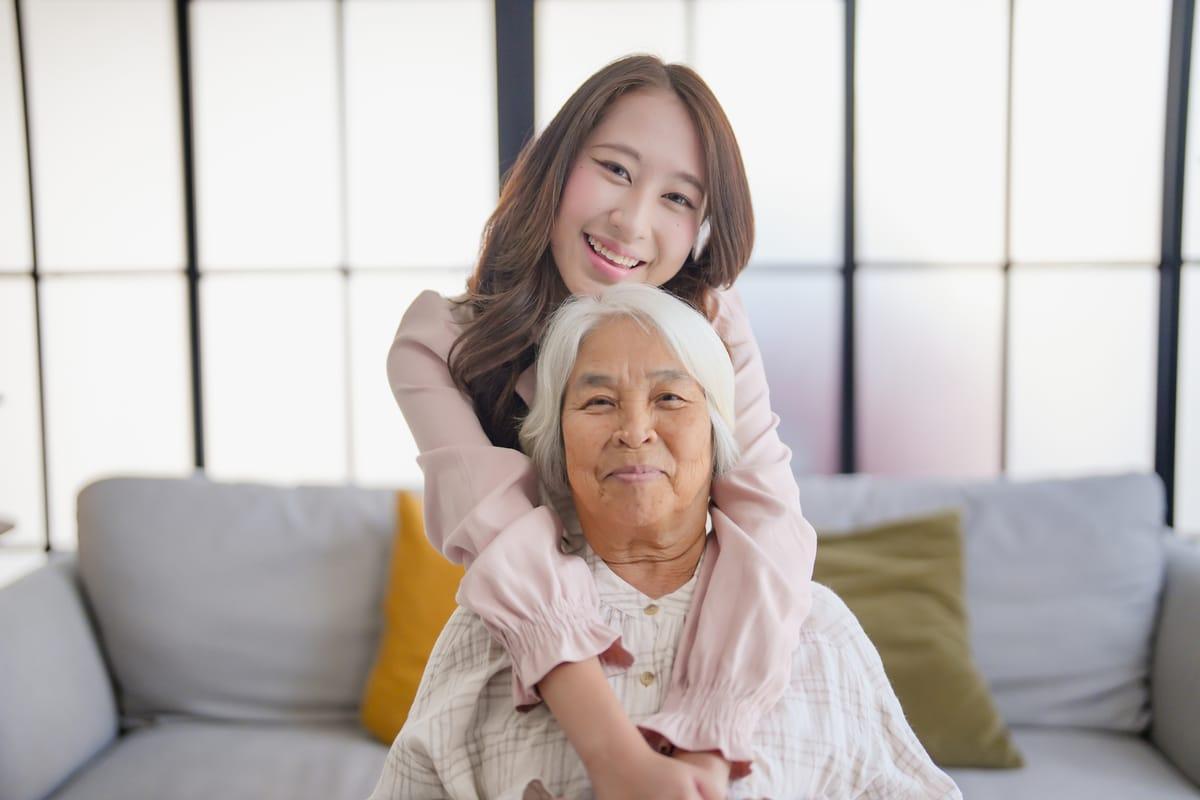
Start with what your parent wants, not what you want for them. Ask about the things they hope to keep doing, offer choices instead of instructions, and begin with a few minutes of strength and balance work. Join in when you can, check in often, and bring in a doctor or trainer when health concerns call for it.
Key takeaways
- Resistance usually has a reason. Fear of falling, pain, and the belief that exercise is pointless or risky at their age are common barriers for older adults.
- Asking beats telling. Exercise tends to last when people do it for reasons of their own, so link movement to your parent's goals and let them choose.
- Most older adults can start light-to-moderate activity without a doctor's clearance, but new symptoms, known heart, metabolic or kidney disease, or a recent hospital stay mean checking first.
- Your support matters. Older adults who get encouragement for exercise, especially from family, tend to be more active.
If you're reading this, you've probably already had the conversation. Maybe more than once. You mentioned that Mom might feel better if she moved more, and she changed the subject. You bought Dad a pair of walking shoes, and they're still in the box.
You're not doing anything wrong by caring. But the way we bring up exercise with an aging parent can make the difference between a new habit and a closed door.
I've seen this from both sides. My very first client, back in 2016, was my own mom, Julie. Years later, after a hip replacement, she was hesitant to get going again. What helped wasn't a lecture. It was starting with what she could handle, and, as she put it in her own words, the fact that someone cared and checked in with her. At 75, she tells people it is never too late.
This guide walks you through why parents resist, how to talk about it, when to check with a doctor, where to start, and a simple four-week plan your family can use.
Why Your Parent Might Be Saying No
Before you can help, it helps to understand what's behind the "no." A large review of qualitative research, pulling together 132 studies and nearly 6,000 older adults, found the same barriers again and again: pain or discomfort, concerns about falling, other health conditions, and the belief that exercise is unnecessary or even harmful at their age.1
Fear of falling is a big one, and it isn't only found in people who have already fallen. Older adults who have never fallen can develop it too.2 The trouble is that fear can lead to moving less, and moving less is linked to declining physical performance, more falls, and a lower quality of life.2 It becomes a loop: afraid to fall, so they sit more, so they get weaker, so they're more likely to fall.
Beliefs about aging matter too. If your parent thinks "I'm just old now," exercise can feel pointless. Research from Becca Levy and colleagues suggests these beliefs aren't harmless. In one study of 660 adults, people with more positive views of their own aging lived an average of 7.5 years longer than those with more negative views.3 In another small experiment, older adults who were subtly exposed to positive messages about aging walked faster afterward.4 I've written more about this in how a positive view of aging helps you age better.
Low confidence is often the quiet barrier. Many parents aren't against exercise. They just don't believe they can do it, or they worry about looking foolish or getting hurt.
And then there's the part families don't always see: nobody wants to feel managed. Your parent raised you. Being told what to do by their child, however lovingly, can feel like a loss of independence. When "you should exercise" lands as "you're getting old and frail," resistance is a very human response.
Start With Their Reasons, Not Yours
The most useful shift you can make is this: stop trying to convince your parent to exercise, and start helping them find their own reasons.
Self-determination theory, one of the most studied ideas in exercise motivation, says people stick with things when they feel a sense of choice, a sense that they're capable, and a sense of connection. A systematic review of 66 studies found consistent links between more self-directed motivation and exercise, and between feeling competent and actually taking part. Enjoying exercise for its own sake was the stronger predictor of sticking with it long-term.5
In plain terms, exercise that your parent chooses, can succeed at, and connects to what they care about is exercise that lasts. Exercise that's imposed tends to fade the moment you stop reminding them.
A counseling approach called motivational interviewing uses the same idea. Instead of giving advice, you ask open questions, listen, and help the person hear their own reasons for change. In a 2024 review of 97 randomized trials, mostly in adults with health conditions, programs that included motivational interviewing increased physical activity by the equivalent of about 1,300 extra steps a day, though the evidence was low certainty and the effect faded over time.6 You don't need training in it. You just need to ask more than you tell.
Some questions that open the door:
- "What's something you'd love to still be doing five years from now?"
- "Is there anything that's gotten harder lately that you wish was easier?"
- "What would make it easier to stay in this house for as long as you want to?"
Listen for the answer that lights them up. It might be hiking with the grandkids, traveling to a granddaughter's wedding, getting down on the floor to play, or simply carrying their own groceries. That's your starting point, not the step count.
What to Say (and What to Avoid)
Small wording changes can turn a lecture into an invitation. Here are some swaps to try.
| Instead of this | Try this |
|---|---|
| "You need to exercise more." | "What would help you feel stronger day to day?" |
| "The doctor says you have to." | "What did the doctor say? What do you think about it?" |
| "You're going to fall if you don't." | "Would you like to feel steadier on the stairs?" |
| "I signed you up for a class." | "I found a couple of options. Want to look at them with me?" |
| "Did you do your exercises today?" | "How did your walk feel this week?" |
| "You're not too old for this." | "What would you want to be able to do at 85?" |
| "Just try harder." | "What's the smallest thing that would feel doable?" |
| "I worry about you all the time." | "I love you and I want you to keep doing what you love." |
A few more things to avoid:
- Comparing them to a friend, a sibling or their younger self.
- Talking about weight or appearance. For most older adults, the real goals are strength, balance and independence.
- Making every visit about exercise. One good conversation beats ten reminders.
- Doing everything for them. It's loving, but it can take away the everyday movement that keeps them strong.
Does Your Parent Need a Doctor's OK First?
This question stops a lot of families before they start, so it's worth knowing what the experts actually recommend.
In 2015, the American College of Sports Medicine updated its screening guidance because the old approach sent too many people to the doctor unnecessarily, which could itself become a barrier to exercise. The updated approach rests on three questions: how active the person is now, whether they have symptoms or known heart, metabolic or kidney disease, and how hard they plan to exercise. It also notes that exercise is safe for most people and that serious cardiac events are often preceded by warning signs.7
Under that approach, an inactive older adult with no symptoms and no known heart, metabolic or kidney disease can generally begin with light-to-moderate activity and build up gradually.7
Check with the doctor first if your parent:
- Has chest pain or pressure, unusual shortness of breath, dizziness or fainting, especially with activity
- Has known heart disease, kidney disease, or diabetes
- Recently had surgery or a hospital stay
- Has fallen recently or keeps falling
- Has a condition that isn't well controlled, or has noticed new symptoms
It's also worth asking about medications. Several common types can affect balance, and I've covered them in medications that can affect balance.
This isn't medical advice for your parent specifically. If you're not sure, a quick call to their doctor's office is always a good idea. And a doctor's encouragement can be a powerful motivator for a parent who doesn't want to hear it from you.
Where to Start: Smaller Than You Think
Families often aim too high. The goal isn't to get Dad to the gym five days a week. It's to get him moving a little more than he is now.
The Physical Activity Guidelines for Americans recommend that older adults do multicomponent activity, meaning a mix of aerobic, muscle-strengthening and balance work. They also stress that moving more and sitting less benefits nearly everyone, and that the people doing the least gain the most from even modest increases.8 The full targets are at least 150 minutes a week of moderate activity plus two days of strength work, but if health conditions get in the way, older adults should be as active as their abilities allow. Some activity is better than none.9 You can see the complete picture in how much exercise seniors need.
If you're choosing where to focus, prioritize strength and balance. More than one in four people over 65 fall each year. In a Cochrane review of 108 trials, exercise reduced the rate of falls by 23%. Programs built mainly on balance and functional exercises, like standing up from a chair or stepping in different directions, cut falls by 24%, and programs that combined those with strength training probably cut them by about a third.10
Start tiny. In how to start an exercise habit that sticks, I suggest starting small, then smaller, then even smaller, until the goal is something you know you can do. For your parent, that might be:
- Five sit-to-stands from a sturdy chair during a TV commercial
- Holding the kitchen counter and standing on one foot while the coffee brews
- A walk to the end of the driveway and back after lunch
These short bursts are what I call exercise snacks, and they add up. For a safe set of moves to build from, see balance exercises for seniors.
If your parent likes numbers, the 30-second chair stand test is a simple way to see where their leg strength is today and to watch it improve.
And remember hope. In is it too late to start exercising?, I wrote that the one thing my successful clients share is the belief that what they do today shapes tomorrow. Small wins build that belief.
Be Part of It: Why Your Support Counts
You may feel like your role is to motivate. It's actually bigger than that. Your role is to make exercise something your parent does with people they love.
A systematic review of 27 studies found that older adults who received more support for physical activity were more active in their leisure time, especially when that support came from family members.11 That's you.
Support can look like:
- Exercising together. Walk with them, do their balance exercises alongside them, or turn a visit into a short workout. I share more of the research on this in why a workout partner makes exercise easier.
- Noticing progress. "You got up from that chair so easily" means more than you'd think.
- Removing obstacles. Sturdy shoes, a clear path in the living room, a ride to class.
- Staying curious, not critical. Ask how it's going, and listen.
If you're a caregiver, you can join your parent's workouts in the TogetherWON app for free and do them together. If your parent has a professional caregiver at home, our home care partnership makes that caregiver their workout partner between trainer visits.
Some parents do better with peers than with family. Small group training gives them a trainer's guidance plus the fun and accountability of a group, and many people join with a spouse, friend or neighbor.
Most people don't stay consistent because of willpower. They stay consistent because someone else is counting on them.
Helping From a Distance
Many adult children live hours or states away. You can still make a real difference.
Online exercise works for older adults. A 2025 review of 28 randomized trials of live video exercise for adults over 65 found average attendance of about 80% and completion rates of about 93%, with improvements in physical function compared with no exercise and adverse events comparable to control groups.12
Ideas for long-distance families:
- Set a standing check-in. A weekly video call where you do five minutes of exercise together, then catch up. Consistency beats length.
- Ask about wins, not misses. "What did you do this week that felt good?"
- Recruit local help. A neighbor, church friend or grandchild nearby can be the walking buddy you can't be.
- Help with technology once. Set up the tablet, prop it so the camera sees them head to toe, and do a practice call.
- Consider live online coaching. With online personal training, a trainer coaches your parent one-on-one over Zoom from anywhere in the U.S.
In the TogetherWON app, which our clients use now in beta, family members can join as Teammates, following progress, sending videos and messages, and celebrating wins wherever they live. My mom has told me that my comments on her logged workouts feel like the smiley face on top of a first-grade paper. Never underestimate a small cheer from far away.
When to Bring In Help
Sometimes encouragement isn't enough, and that's not a failure. Watch for these signs that it's time to involve professionals:
- Frequent falls or near-falls, or a new fear of walking
- A rapid decline in strength, walking or daily tasks over weeks or months
- A recent hospital stay. Hospitalization-associated disability, the loss of the ability to do basic daily activities, occurs in about one-third of patients over 70, even when the illness itself is treated successfully.13
- Memory changes that make it hard to follow a routine
- Pain that keeps getting worse with movement
After surgery, a hospital stay or an injury, the usual path is physical therapy first, then a trainer who can help your parent keep getting stronger once therapy ends. That's what our post-rehab training is for. If falls are the main worry, fall prevention and balance training focuses on the strength and steadiness that matter most at home.
Conditions like dementia or Parkinson's call for a different approach, with simpler instructions, music and visual cues. You can see what that looks like in Brenda's story.
A trainer can also take the pressure off your relationship. When someone else handles the accountability, you get to go back to being a son or daughter. With in-home personal training, a trainer comes to your parent's home in the Colorado Springs and Tri-Lakes area, so there's no gym to get to.
One of our clients' daughters, Kim, described what she valued most: a program that adjusts to her mom's injuries and lifestyle changes. That flexibility is what helps people stay with it.
A 4-Week Starter Plan for Families
Use this as a loose guide, not a rulebook. Let your parent set the pace, and repeat a week whenever it feels right.
Week 1: Listen
- Ask what they'd like to keep doing, or get back to doing
- Ask what worries them about exercise, and just listen
- Check whether they need to talk to their doctor first, using the list above
- Pick one tiny daily habit together, like five sit-to-stands
Week 2: Start Small, Together
- Do the tiny habit with them at least once, in person or on video
- Try a short balance exercise at the kitchen counter
- Clear a safe space at home: a sturdy chair, a counter to hold, no loose rugs
- Celebrate every day they did something, not just full days
Week 3: Add a Little
- Add one short walk, even five minutes, two or three times this week
- Add a second strength move, like wall push-ups
- Try the chair stand test to get a starting number
- Set a regular check-in time that works for both of you
Week 4: Build the Routine
- Ask what's working and what isn't, and adjust
- Invite a friend, neighbor or grandchild to join a walk
- Decide on next steps: keep going on your own, try a small group, or get a trainer's help
- Book a free one-hour consultation if you'd like a professional plan
If you'd like help getting started, family members are always welcome at our free consultation. We'll talk with your parent about their goals, check their strength, movement and balance, and create a plan that fits their life, in person or over Zoom.
This guide is for general education and isn't medical advice. Please talk with your doctor before starting a new exercise, nutrition or supplement routine.
Read more from Kristen
Stories
Strong at 75 After a Hip Replacement: Julie's Story
For Mother's Day, Kristen interviews her first and longest-standing client, her mom Julie, on hip replacement, consistency and being strong at 75.
May 10, 2025 · 5 min read
Body
How to Start an Exercise Habit That Sticks
Start small, then smaller, then even smaller. A simple way to build an exercise habit that sticks, plus tips for anchoring habits and bouncing back.
March 7, 2026 · 5 min read

Body · Balance
Exercise Snacks for Seniors: 5-Minute Movement Breaks
Short 1–5 minute bursts of movement through the day add up. What the research says, plus three 5-minute snack routines for morning, midday and evening.
April 19, 2025 · 4 min read

Body
Why a Workout Partner Makes Exercise Easier
Sticking with exercise matters more than starting. Research on spouses, groups and supportive accountability shows why a workout partner helps.
October 18, 2025 · 3 min read

Brain · Stories
How a Positive View of Aging Helps You Age Better
Believing "I can improve" helps older adults start and stick with exercise. What research on self-efficacy and age beliefs shows, and how to build it.
May 23, 2026 · 4 min read

Stories · Body
Is It Too Late to Start Exercising? A Trainer's Answer
It's not too late to start exercising. A trainer on the one thing her successful clients share, whatever their starting point — hope that today matters.
May 3, 2025 · 2 min read
Frequently asked questions
What if my parent refuses to exercise?
Stop pushing for a moment and get curious. Ask what worries them about it. Refusal often hides a specific fear, like falling, pain or embarrassment, and you can't solve a fear you haven't heard.
Then offer something so small it's easy to say yes to, like a short walk to the mailbox together or standing up from a chair five times during a TV commercial. If they still say no, respect it, stay warm, and ask again in a few weeks. The relationship matters more than any single workout.
How do I get my elderly mother to exercise without nagging?
Ask instead of tell, and tie movement to something she already cares about, like gardening, travel or playing with the grandkids. Let her choose what to do and when.
Replace reminders with invitations ("Want to walk with me after lunch?") and celebrate what she does rather than pointing out what she skipped. If you find yourself becoming the exercise police, a trainer can take over the accountability so you can go back to being her son or daughter.
Should my parent see a doctor before starting to exercise?
Under the American College of Sports Medicine's screening approach, most people with no symptoms and no known heart, metabolic or kidney disease can start with light-to-moderate activity and build gradually.
Check with the doctor first if your parent has chest pain, unusual shortness of breath, dizziness or fainting, known heart, kidney or metabolic disease like diabetes, a recent surgery or hospital stay, or has been falling. When in doubt, a quick call to their doctor's office is always reasonable.
How can I help my parent exercise if I live far away?
Set a regular check-in, such as a weekly video call where you do a few minutes of exercise together, and ask about what they did rather than what they didn't.
Live online training lets a trainer coach your parent over video from anywhere in the country, and a local friend, neighbor or church group can be the in-person walking buddy you can't be.
My dad has fallen before. Is it still safe for him to exercise?
For most older adults, the right kind of exercise is one of the best ways to lower fall risk. A large Cochrane review found that exercise programs built around balance and functional movement reduced the rate of falls by about a quarter.
After a fall, it's worth letting his doctor know, since medications, blood pressure or other health issues can play a role. Then start with supported balance and leg-strength exercises near a counter or sturdy chair, ideally with a trainer who can match the challenge to what he can safely handle.
Sources
- Franco MR, Tong A, Howard K, et al. Older people's perspectives on participation in physical activity: a systematic review and thematic synthesis of qualitative literature. Br J Sports Med. 2015;49(19):1268-1276. View source
- Scheffer AC, Schuurmans MJ, van Dijk N, van der Hooft T, de Rooij SE. Fear of falling: measurement strategy, prevalence, risk factors and consequences among older persons. Age Ageing. 2008;37(1):19-24. View source
- Levy BR, Slade MD, Kunkel SR, Kasl SV. Longevity increased by positive self-perceptions of aging. J Pers Soc Psychol. 2002;83(2):261-270. View source
- Hausdorff JM, Levy BR, Wei JY. The power of ageism on physical function of older persons: reversibility of age-related gait changes. J Am Geriatr Soc. 1999;47(11):1346-1349. View source
- Teixeira PJ, Carraça EV, Markland D, Silva MN, Ryan RM. Exercise, physical activity, and self-determination theory: a systematic review. Int J Behav Nutr Phys Act. 2012;9:78. View source
- Zhu S, Sinha D, Kirk M, et al. Effectiveness of behavioural interventions with motivational interviewing on physical activity outcomes in adults: systematic review and meta-analysis. BMJ. 2024;386:e078713. View source
- Riebe D, Franklin BA, Thompson PD, et al. Updating ACSM's recommendations for exercise preparticipation health screening. Med Sci Sports Exerc. 2015;47(11):2473-2479. View source
- Piercy KL, Troiano RP, Ballard RM, et al. The Physical Activity Guidelines for Americans. JAMA. 2018;320(19):2020-2028. View source
- Centers for Disease Control and Prevention. Older adult activity: an overview. Updated December 4, 2025. View source
- Sherrington C, Fairhall NJ, Wallbank GK, et al. Exercise for preventing falls in older people living in the community. Cochrane Database Syst Rev. 2019;1(1):CD012424. View source
- Lindsay Smith G, Banting L, Eime R, O'Sullivan G, van Uffelen JGZ. The association between social support and physical activity in older adults: a systematic review. Int J Behav Nutr Phys Act. 2017;14(1):56. View source
- Toledano-Shubi A, Shapira AL, Fuchsman R, et al. Feasibility and effectiveness of physical exercise for older adults delivered remotely via videoconferencing: systematic review and meta-analysis. Age Ageing. 2025;54(6):afaf171. View source
- Covinsky KE, Pierluissi E, Johnston CB. Hospitalization-associated disability: "She was probably able to ambulate, but I'm not sure." JAMA. 2011;306(16):1782-1793. View source
This guide is for general education and isn't medical advice. Please talk with your doctor before starting a new exercise, nutrition or supplement routine. See our health disclaimer.

About the author
Kristen Nielsen
Kristen founded TogetherWON after watching what strength training could do for older adults — including her own grandparents. She's an ACE Certified Personal Trainer with 10+ years in functional aging, a University of Central Florida graduate, and a former Division I swimmer and track & field athlete.
Senior Fitness Specialist · Functional Aging Specialist · Parkinson's Disease Specialist · Brain Health Trainer · Corrective Exercise Specialist
want these in your inbox?
Get my Saturday letters
One idea for your body, brain or balance each week, usually with a recipe. Unsubscribe any time.