How to Start an Exercise Habit That Sticks
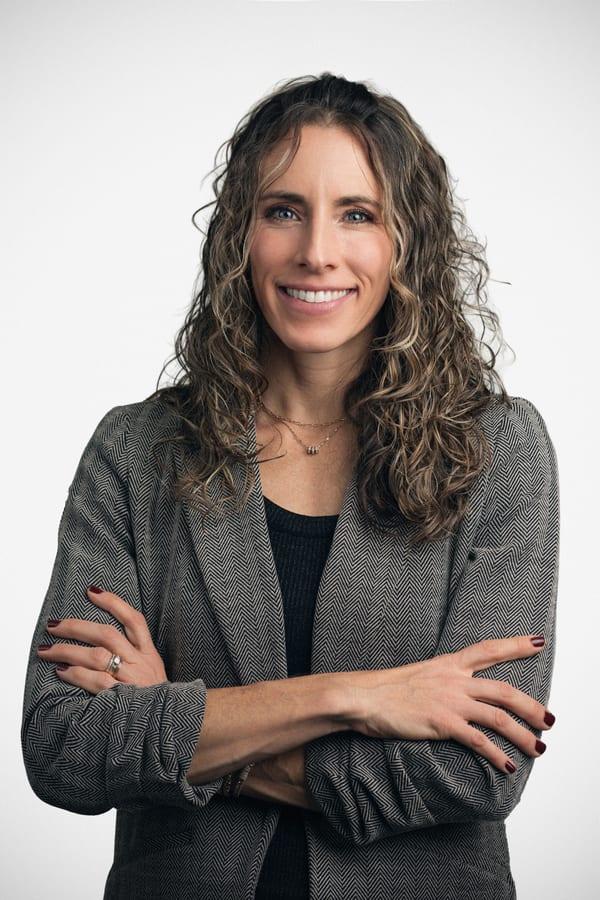
By Kristen Nielsen, Founder & Senior Fitness Specialist
· Updated · Body · 5 minute read
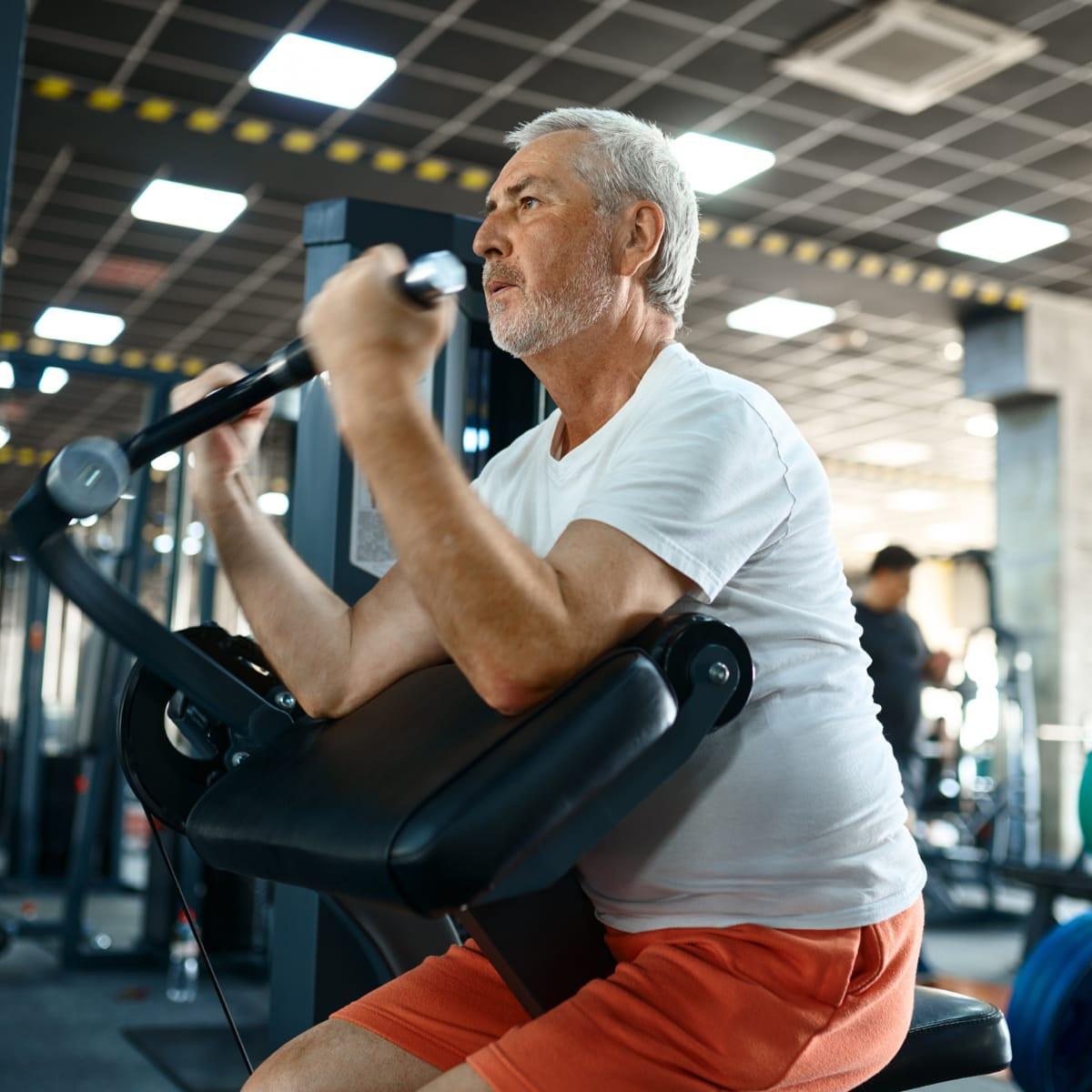

Part of our guide: How Much Exercise Do Seniors Need? A Weekly Plan
Key takeaways
- To start an exercise habit that sticks, start small, then smaller, then even smaller, until you have a goal you know you can accomplish.
- Focus on showing up consistently first, then build toward bigger goals as your confidence grows.
- Tie a new habit to an existing one, celebrate small wins, and when setbacks happen, bounce back with something you can do.
- Aim your habits at strength, balance and brain-engaging movement, which help you stay independent and keep showing up for the people you love.
The secret to starting an exercise habit that sticks is to start small, then smaller, then even smaller, until your first step is so easy you know you can do it. Once you're showing up consistently, you can build toward the amount of exercise seniors need each week.
For many years I refused to set New Year's resolutions. It wasn't because I don't believe in setting goals. It was because I didn't want to fail. After talking with lots of other people, I've found I'm not alone. Many of us are scared of failure, and because of that, miss out on the opportunities we've been given. The book "Failing Forward" by John Maxwell is a powerful reminder that failing is not the enemy, fear of failing is. I love this quote from his book:
"Little progress is better than no progress at all. Success comes in taking many small steps. If you stumble in a small step, it rarely matters. Don't gift wrap the garbage. Let little failures go." — John C. Maxwell, Failing Forward: Turning Mistakes into Stepping Stones for Success
In this vein, here's the approach that has helped me start new habits. This post focuses on exercise, but these principles are true of starting any new habit.
What Is the Best Way to Start an Exercise Habit?
The best way to start a new habit is to make it really, really small. It needs to be so small, you know you can accomplish it.
Start Here
What is a new habit you would like to start around exercise? Is it going for a walk 3 times a week? Strength training for the first time? Completing daily balance exercises? Whatever it is, write down the goal you have.
Make It Smaller
Your goal might be wonderful, but it's likely too big to start. What is something you can do that's more manageable to start? Maybe it's walking one time a week? Maybe it's doing one strength exercise twice a week? Perhaps doing a balance exercise before bed?
Make It Even Smaller
Your smaller goal is likely good, but you still might find it difficult to implement regularly. Find an even smaller goal that you absolutely know you can commit to. Maybe it's putting on your shoes and walking to the end of the driveway. Perhaps it's reading an article about strength training. Or, maybe it's learning about one balance exercise. Whatever you choose, you need to know that you can complete the task with very little effort. This is powerful because it creates momentum!
Build Consistency First
Focus on showing up. Complete the small goal and enjoy the feeling of accomplishment. Consistency beats intensity in the long run.
Build Off Your Success
As you start to have success with your smallest goal, you will find your mindset shifts to realizing that you can accomplish more. Gradually start implementing your larger goals, giving yourself grace when you fail. Remember, you can always return to your smallest goal, and this is still a win!
What If I Fail?
Failure is part of the process, but overcoming it builds resilience. When it comes to exercise, setbacks happen — life throws surprises our way. The key is to bounce back quickly with something you can do. For example, if I sprain my ankle and can't walk, I focus on arm strength exercises instead. Progress isn't about perfection; it's about keeping momentum, even if it's two steps forward and one step back. Just keep moving!
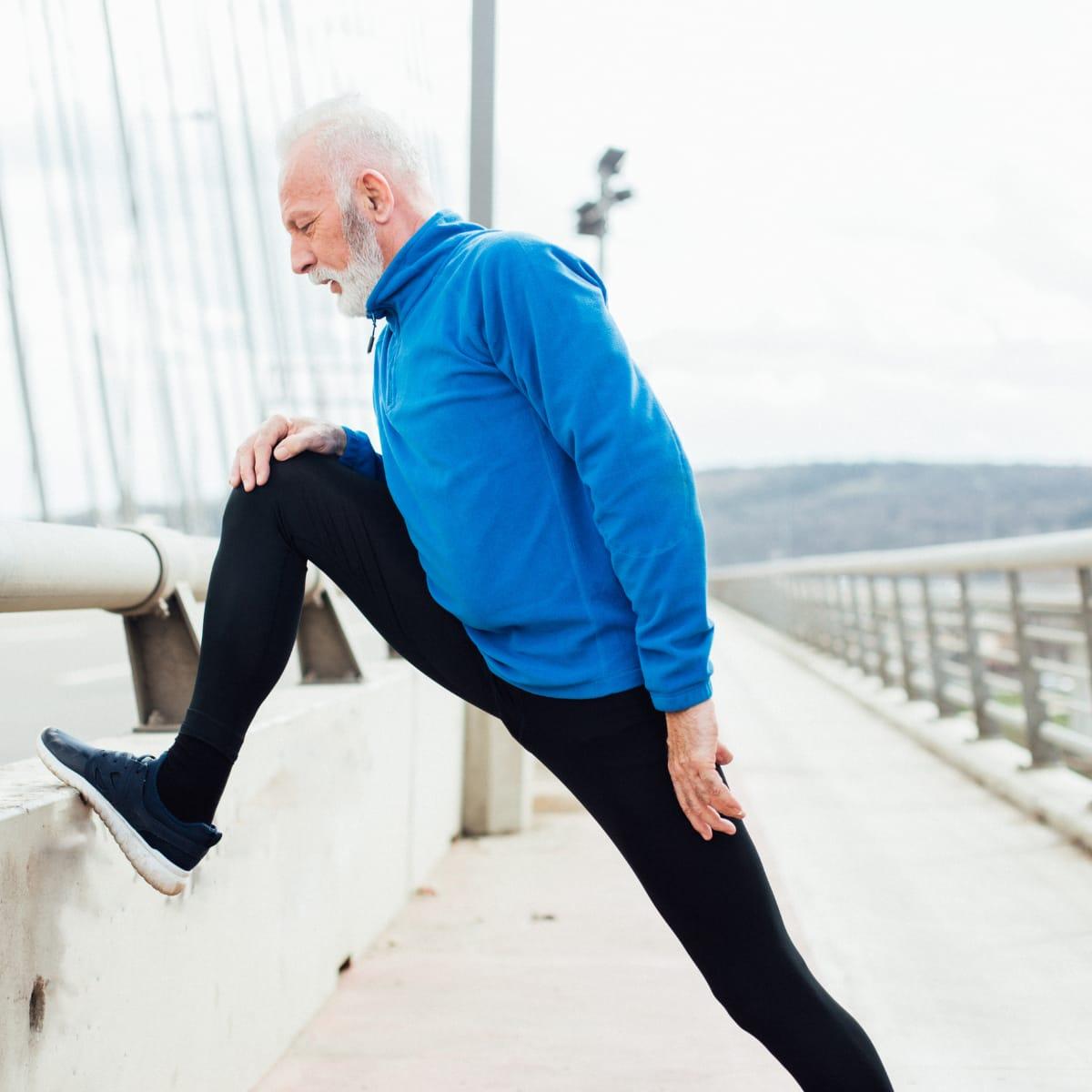
Which Exercise Habits Matter Most After 60?
If you're not sure which habit to start, instead of asking, "What should I change?" try asking, "What would help me stay strong enough to keep showing up?" For most of us, the answer comes back to three things: strength, balance, and the brain.
Strength Is About Staying Engaged
As we get older, staying strong isn't about looks or competition. It's about:
- Getting up from the floor with confidence
- Walking without fear
- Carrying groceries, luggage, or grandchildren
- Having the energy to show up where you're needed
Large, long-term studies on aging consistently show that maintaining strength is one of the most important factors for independence and quality of life — even more than weight or cardio fitness. And the encouraging part? Strength can improve at any age (it's never too late to start), with the right kind of movement done consistently.
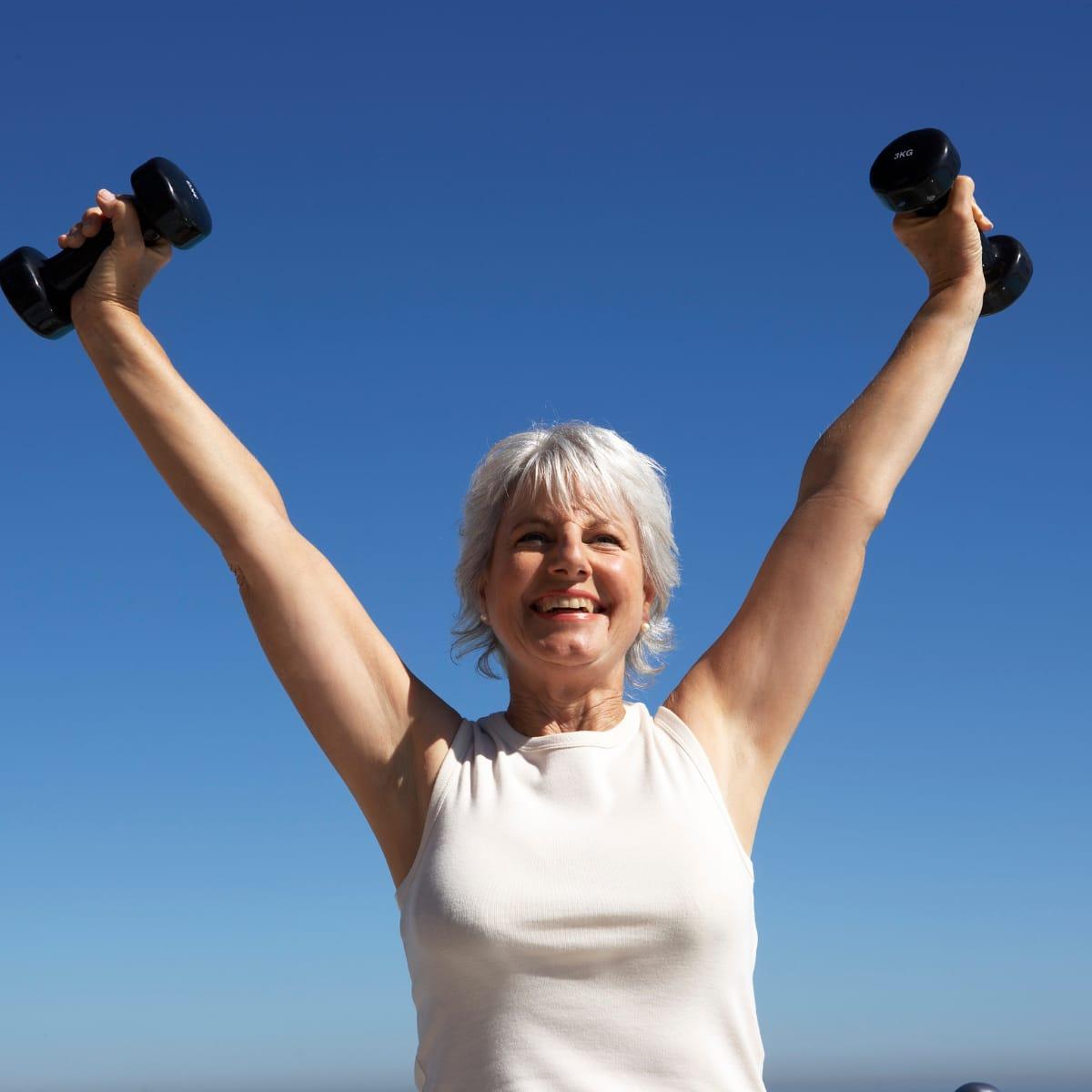
Balance Protects Freedom
Falls are one of the biggest threats to independence — but they are not inevitable. Programs that include balance, coordination, and gentle challenges to the brain and body together have been shown to significantly reduce fall risk. That's the heart of our fall prevention and balance training.
Balance isn't just standing on one foot. It's how your eyes, head, brain, and body work together in real life. Like strength, balance improves with practice.
Movement Keeps the Mind Alive
Regular physical activity — especially when it includes coordination, rhythm, or thinking — has been linked to better memory, sharper attention, improved mood, and greater confidence. (Try these brain-body exercises to get started.) Movement helps keep us not just alive, but engaged.
Why This Matters So Much
I don't train people just so they can exercise. I do it so they can stay involved in their families, share wisdom with younger generations, volunteer, mentor, listen, lead, and love, and continue giving what only they can give.
The world doesn't just need youth. It needs experience, perspective, and steady presence.
And staying physically capable helps make that possible.
How Do You Make an Exercise Habit Stick?
Anchor it, celebrate it and plan for obstacles. Here are some additional tips that may help as you pursue a new exercise habit:
- Anchor it: Tie your new habit to an existing one, like doing a one leg stand while brushing your teeth. This is not only a powerful way to build new habits, it's also time efficient!
- Celebrate wins: Celebrate small victories. Every success strengthens the habit loop.
- Plan for obstacles: Anticipate challenges and prepare solutions. Too tired? Do a 2-minute routine instead. Have company visiting? Think of something active you can do with them instead of your regular routine.
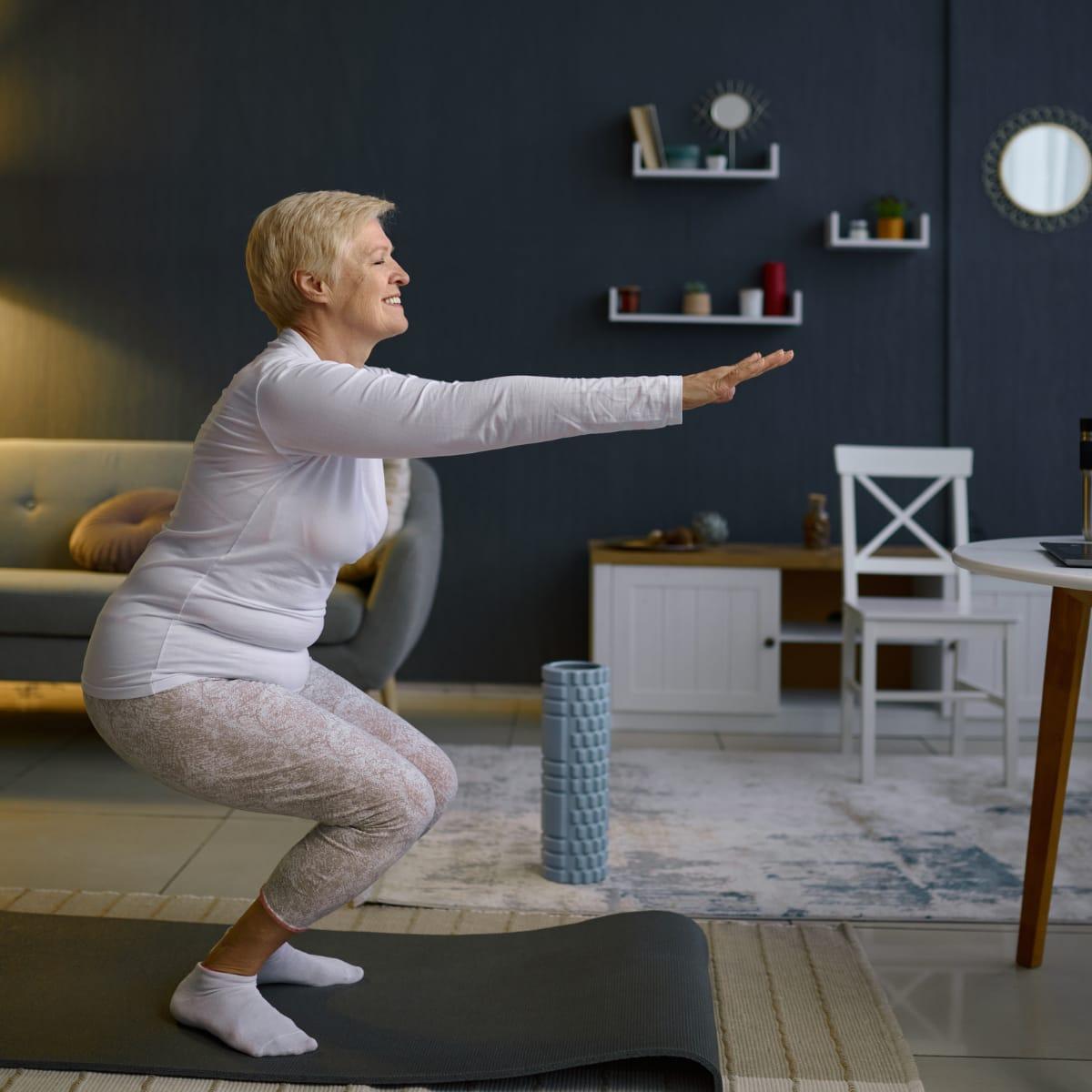
Start Smaller Than You Think
You have what it takes to change your exercise habits! Remember to start, then start smaller, and then start even smaller.
Kristen
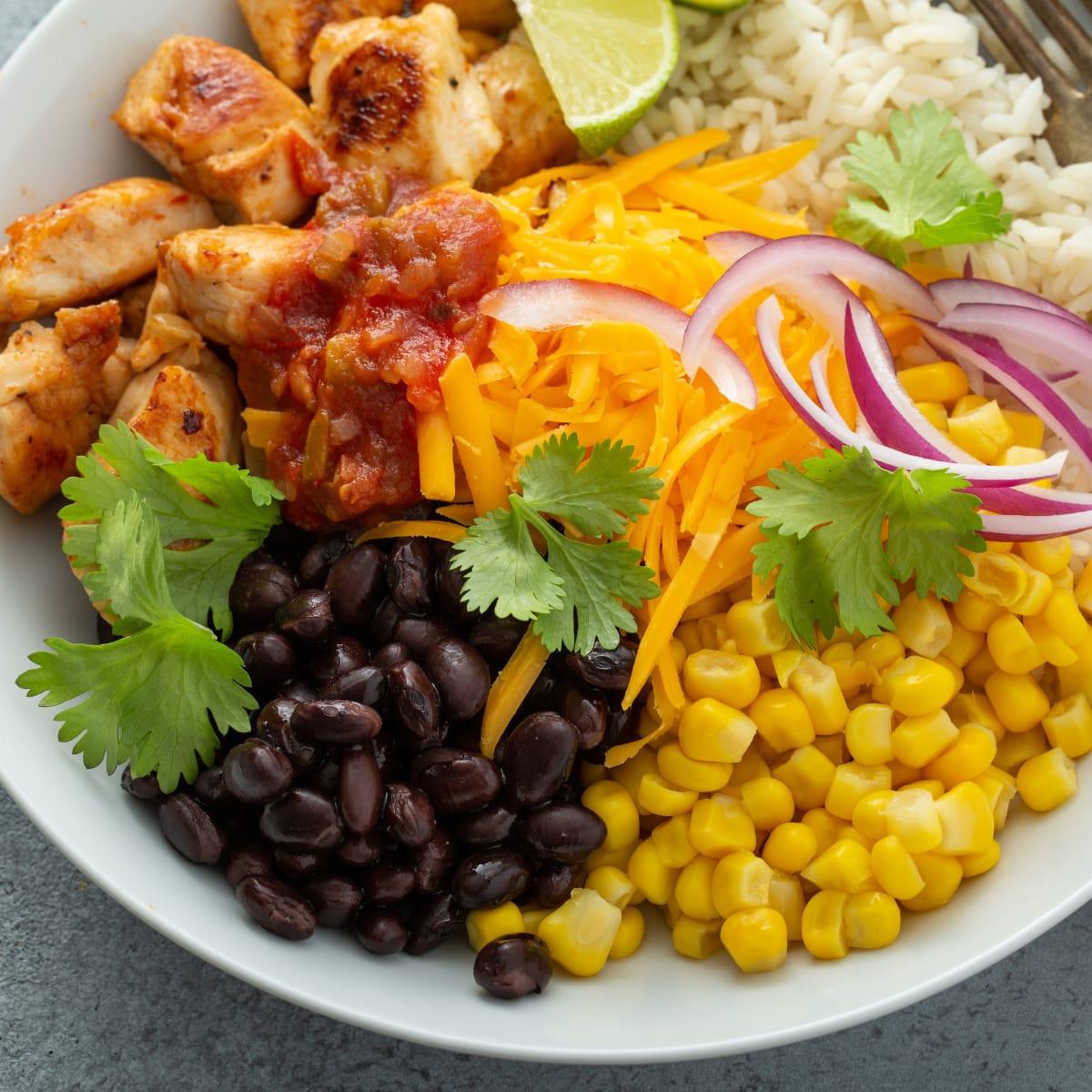
Try the recipe: For a high-protein, flavorful meal, try my Mexican protein bowl — get the recipe.
Sources
- Rantanen T, Guralnik JM, Foley D, et al. Midlife hand grip strength as a predictor of old age disability. JAMA. 1999;281(6):558-560. View source
- Fiatarone MA, Marks EC, Ryan ND, Meredith CN, Lipsitz LA, Evans WJ. High-intensity strength training in nonagenarians: effects on skeletal muscle. JAMA. 1990;263(22):3029-3034. View source
- Sherrington C, Fairhall NJ, Wallbank GK, et al. Exercise for preventing falls in older people living in the community. Cochrane Database Syst Rev. 2019;1(1):CD012424. View source
- Northey JM, Cherbuin N, Pumpa KL, Smee DJ, Rattray B. Exercise interventions for cognitive function in adults older than 50: a systematic review with meta-analysis. Br J Sports Med. 2018;52(3):154-160. View source
This article is for general education and isn't medical advice. Please talk with your doctor before starting a new exercise, nutrition or supplement routine. See our health disclaimer.
About the author
Kristen Nielsen
Kristen founded TogetherWON after watching what strength training could do for older adults — including her own grandparents. She's an ACE Certified Personal Trainer with 10+ years in functional aging, a University of Central Florida graduate, and a former Division I swimmer and track & field athlete.
Senior Fitness Specialist · Functional Aging Specialist · Parkinson's Disease Specialist · Brain Health Trainer · Corrective Exercise Specialist
want these in your inbox?
Get my Saturday letters
One idea for your body, brain or balance each week, usually with a recipe. Unsubscribe any time.
Keep reading
Body · Stories
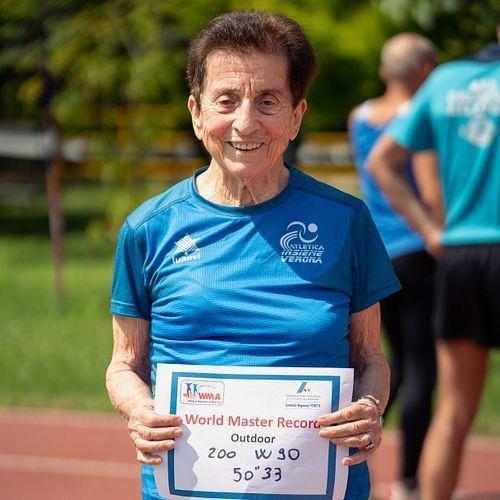
Building Muscle at 91: What a Sprinter Teaches Us
Researchers tested the muscles of a 91-year-old world-record sprinter. What they found shows why strength and power stay trainable as we age.
September 19, 2026 · 3 min read

Brain · Body
Music and Movement: A Brain-Body Workout to a Song
Pick a favorite song and let it set your pace. This simple music-and-movement workout challenges your brain and body at any fitness level.
September 12, 2026 · 2 min read
Body
2-Minute Step Test: Check Your Cardio Fitness at Home
The 2-Minute Step Test is a simple at-home check of your endurance. Here's how to do it, how to compare your score, and why cardio fitness matters.
September 5, 2026 · 2 min read