Sample 7-Day Workout Schedule for Adults Over 60
By Kristen Nielsen, Founder & Senior Fitness Specialist
· Updated · Body & Balance · 3 minute read

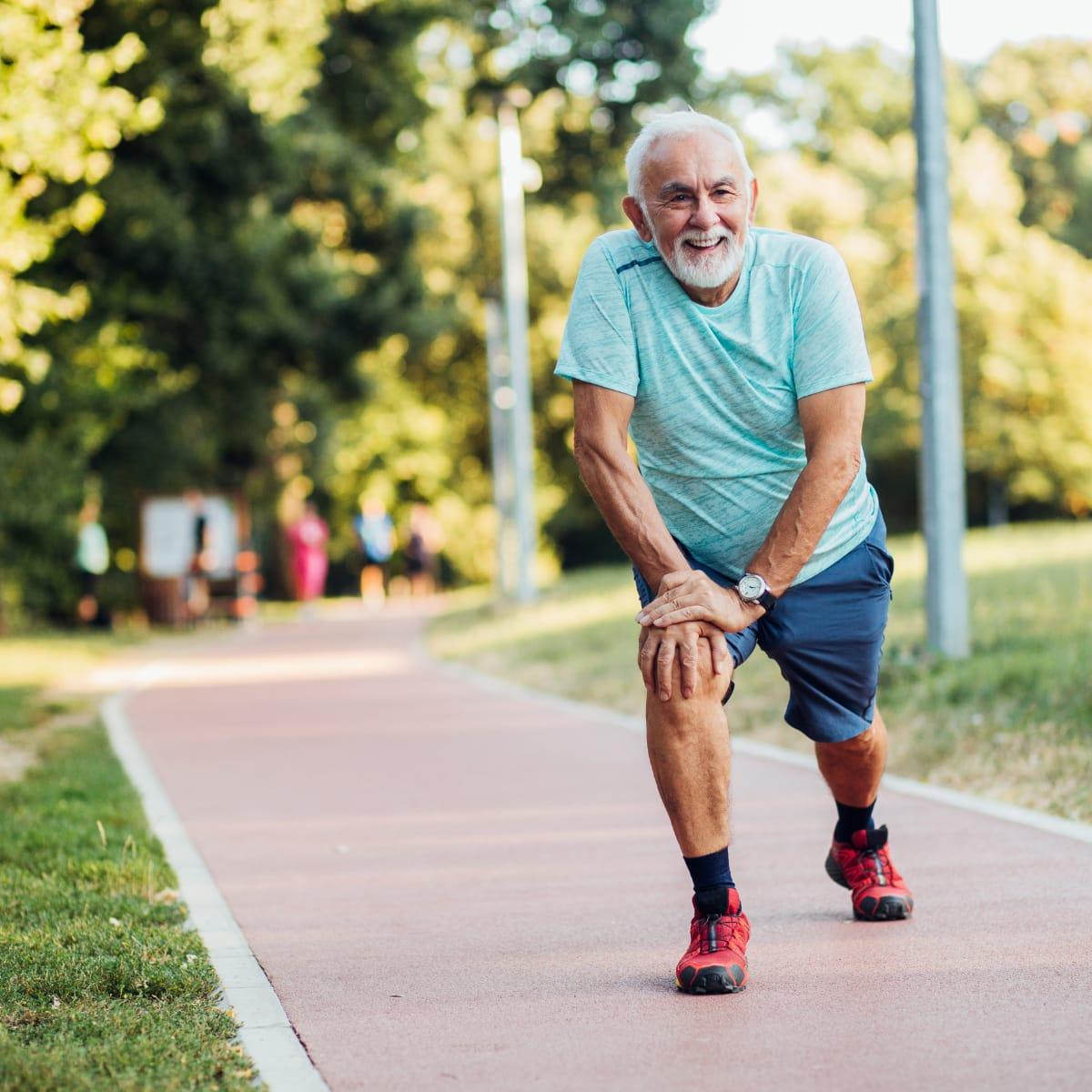
Part of our guide: How Much Exercise Do Seniors Need? A Weekly Plan
Key takeaways
- A balanced 7-day schedule includes at least 150 minutes of moderate cardio (or 75 vigorous), strength training 2+ days, balance work 3+ days, regular stretching and a rest day.
- A sample plan alternates strength and balance days with cardio days, and builds in active recovery and a full rest day.
- Rest and recovery are just as important as workouts, so listen to your body and adjust the plan to fit your needs.
A balanced week of workouts after 60 mixes cardio, strength, balance and flexibility, with at least one true rest day. It answers one of the most common questions I get: "How often should I be working out, and what should I be doing?" For the full picture of how much exercise seniors need, see my guide. This post builds on my posts about exercising too much or too hard and recovering like a pro. The key to staying strong, mobile, and pain-free isn't just about how much you exercise — it's about balancing different types of movement throughout the week.
Before we dive in, keep in mind that everyone is different. What works for most people might not work for you. Use this post as a guideline, but feel free to reach out if you need specific advice tailored to your body.
How Much Exercise Do You Need Each Week?
Aim for 150 minutes of moderate cardio, 2 strength days and 3 balance sessions. According to the American Heart Association and CDC, older adults should aim for:
- Cardiovascular Exercise – At least 150 minutes per week of moderate-intensity activity (like brisk walking) or 75 minutes per week of vigorous activity (like jogging, fast cycling or interval training).
- Strength Training – At least 2 days per week, targeting all major muscle groups to maintain strength, mobility, and bone density.
- Balance – Balance training at least 3 times per week to reduce fall risk — the World Health Organization recommends balance-and-strength activities on 3 or more days a week for older adults, and the American College of Sports Medicine (ACSM) and the National Institute on Aging (NIA) also recommend regular balance training, especially for those at risk of falling (it's the focus of our fall prevention and balance training).
- Flexibility – Regular flexibility exercises to help with daily activities and joint health, as recommended by the National Institute on Aging (NIA).
That seems like a lot! However, when you break it down, it becomes much more manageable. A well-rounded plan should include cardio, strength training, balance work, and flexibility. Here's what a balanced week might look like for an older adult:
What Does a Balanced Week of Workouts Look Like?
Strength and balance on Monday and Friday, harder cardio on Tuesday and Saturday, and easier days in between.
Monday – Strength & Balance
- Strength Training (20–30 min): All major muscle groups with emphasis on posture and core
- Mobility/Flexibility (5 min): Gentle stretching and/or foam rolling
- Balance Training (10 min): Stability drills with eye training exercises — can be incorporated throughout the day
Tuesday – Higher Intensity Cardio
- Moderate-to-Vigorous Cardio (30 min): Cardio exercise at a challenging pace
- Mobility/Flexibility (10 min): Gentle stretching and/or foam rolling
Wednesday – Recovery Cardio & Balance
- Light Cardio (30 min): Cardio exercise at an easy to moderate effort
- Balance Training (10 min): Stability drills with eye training exercises — can be incorporated throughout the day
Thursday – Active Recovery or Rest
- Light movement: Gardening, housework, or an easy walk
- Optional stretching or mobility work
Friday – Strength & Balance
- Strength Training (20–30 min): All major muscle groups
- Mobility/Flexibility (5 min): Gentle stretching and/or foam rolling
- Balance Training (10 min): Stability drills with eye training exercises — can be incorporated throughout the day
Saturday – Higher Intensity Cardio
- Moderate-to-Vigorous Cardio (30 min): Intervals of brisk walking, cycling, or swimming with effort-based bursts (here's how to start interval training)
- Mobility/Flexibility (10 min): Gentle stretching and/or foam rolling
Sunday – Recovery Day
- Rest day — read a book, take a bath, do what makes you feel rejuvenated!
How Many Rest Days Do Seniors Need?
At least one full rest day a week, plus lighter days as your body needs them. Rest and recovery are just as important as workouts! Listen to your body and take recovery days as needed. I explain more in my post on rest days between workouts.
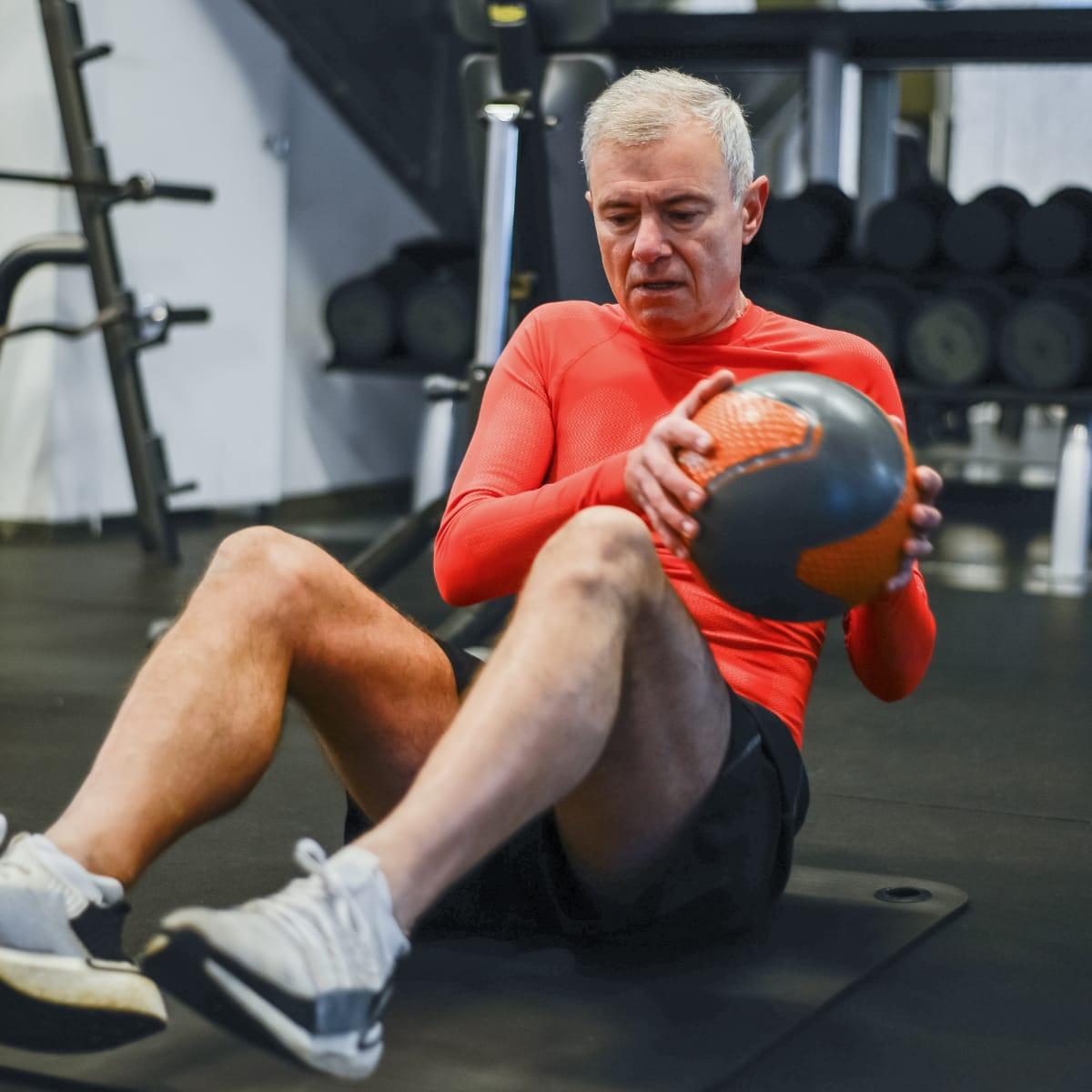
By following a balanced mix of movement, you'll stay strong, energized, and independent for years to come. If you'd like help tailoring a plan to your specific needs, that's exactly what we do in in-home personal training.
Kristen
Try the recipe: For a quick, delicious high-protein, low-carb meal, try this garlic butter chicken and veggies — get the recipe.
Sources
- Piercy KL, Troiano RP, Ballard RM, et al. The Physical Activity Guidelines for Americans. JAMA. 2018;320(19):2020-2028. View source
- American Heart Association. American Heart Association recommendations for physical activity in adults and kids. View source
- Centers for Disease Control and Prevention. Physical activity recommendations for older adults. View source
- Bull FC, Al-Ansari SS, Biddle S, et al. World Health Organization 2020 guidelines on physical activity and sedentary behaviour. Br J Sports Med. 2020;54(24):1451-1462. View source
- Chodzko-Zajko WJ, Proctor DN, Fiatarone Singh MA, et al. American College of Sports Medicine position stand: exercise and physical activity for older adults. Med Sci Sports Exerc. 2009;41(7):1510-1530. View source
- Garber CE, Blissmer B, Deschenes MR, et al. American College of Sports Medicine position stand: quantity and quality of exercise for developing and maintaining cardiorespiratory, musculoskeletal, and neuromotor fitness in apparently healthy adults. Med Sci Sports Exerc. 2011;43(7):1334-1359. View source
- Sherrington C, Fairhall NJ, Wallbank GK, et al. Exercise for preventing falls in older people living in the community. Cochrane Database Syst Rev. 2019;1(1):CD012424. View source
- National Institute on Aging. Four types of exercise can improve your health and physical ability. View source
This article is for general education and isn't medical advice. Please talk with your doctor before starting a new exercise, nutrition or supplement routine. See our health disclaimer.


About the author
Kristen Nielsen
Kristen founded TogetherWON after watching what strength training could do for older adults — including her own grandparents. She's an ACE Certified Personal Trainer with 10+ years in functional aging, a University of Central Florida graduate, and a former Division I swimmer and track & field athlete.
Senior Fitness Specialist · Functional Aging Specialist · Parkinson's Disease Specialist · Brain Health Trainer · Corrective Exercise Specialist
want these in your inbox?
Get my Saturday letters
One idea for your body, brain or balance each week, usually with a recipe. Unsubscribe any time.
Keep reading

Body · Balance
Is One Side Weaker? How to Fix Muscle Imbalances
Favoring your stronger side can hide weakness and widen the gap between sides. How to notice the pattern and give your weaker side safe practice.
August 8, 2026 · 5 min read
Body · Balance
What to Add to Your Walking Routine After 60
Walking is a great foundation after 60, but it doesn't train everything. How to add strength, balance and brain-body work to your walks.
July 25, 2026 · 5 min read

Body · Balance
3 Common Exercise Mistakes Older Adults Make
Doing only cardio, skipping balance work and training at the wrong intensity are three common exercise mistakes after 60. Here's what to do instead.
February 7, 2026 · 3 min read