Losing Muscle After 60? Start Strength Training Now
By Kristen Nielsen, Founder & Senior Fitness Specialist
· Updated · Body & Balance · 5 minute read
Part of our guide: Strength Training for Seniors: The Complete Guide
Key takeaways
- After age 30, adults can lose about 3–8% of their muscle mass per decade and the loss speeds up after 60, so it pays to start strength training now.
- Strength training helps preserve muscle, may improve bone density, reduces fall risk, lifts mood and supports your independence.
- Start slowly with body weight, resistance bands or light weights, and focus on good form.
If you're over 60, strength training is one of the best things you can start now, because muscle loss speeds up with age and strength is what keeps you steady and independent. Begin slowly with body weight, bands or light weights, and use our guide to strength training for seniors as you progress.
One of the main misconceptions I encounter when discussing fitness is that strength training is optional or just for people who want to improve their appearance. However, strength training is essential for lifelong health and function, especially as we age.
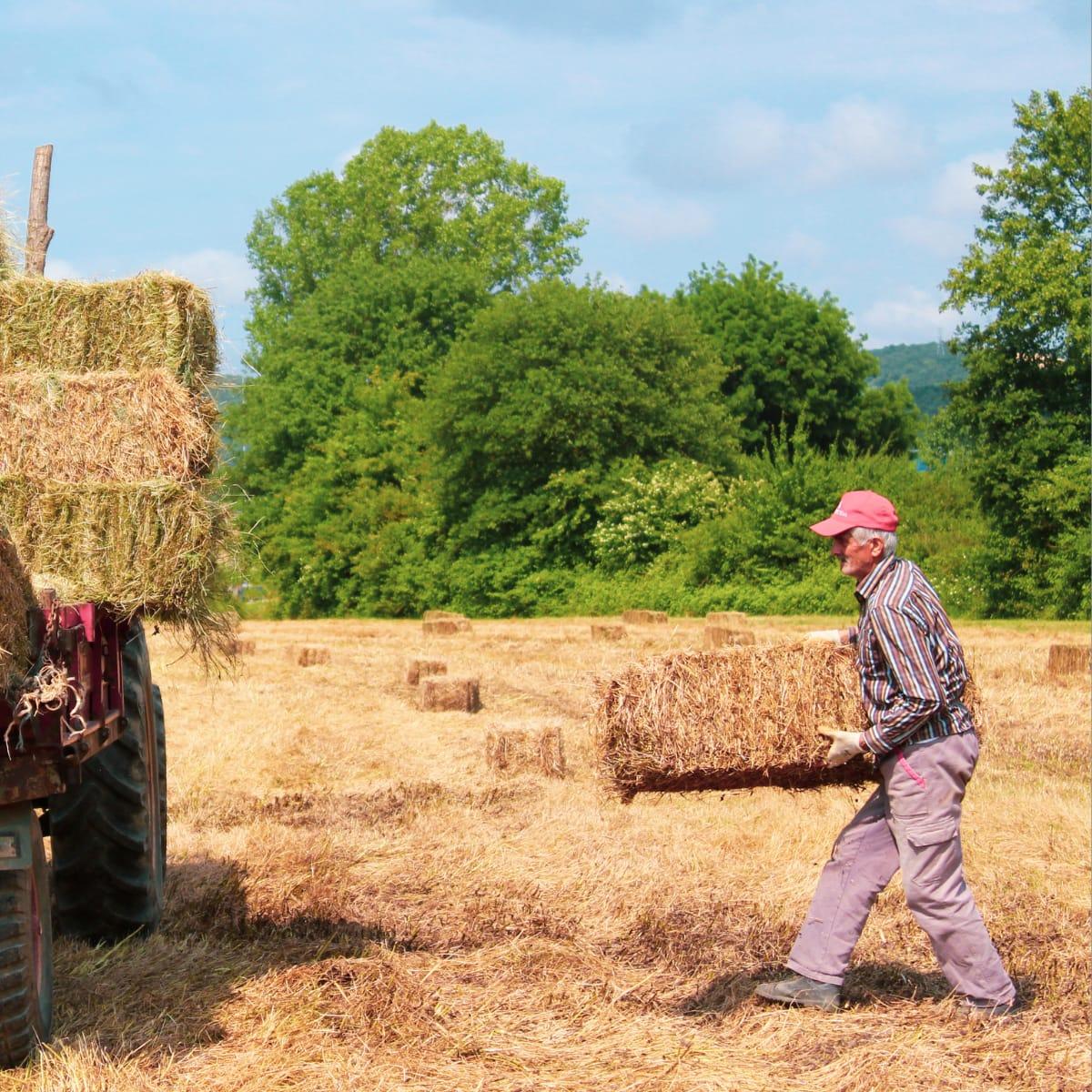
In past cultures, strength training was a natural part of life. People bent, lifted, and carried heavy loads daily for tasks like farming, building, and gathering food. Strength training wasn't an activity they set aside time for — it was built into everyday life.
How Much Muscle Do You Lose After 60?
More than most people realize, and it speeds up with age. Today, most of us don't need to use our muscles regularly for survival, and this has consequences. After age 30, adults begin losing about 3–8% of their muscle mass per decade if they aren't actively maintaining it, and this rate accelerates after age 60. In practical terms, this can mean losing about half a pound of muscle per year, resulting in decreased strength, balance, and stability over time (source: Ageing Research Reviews and Journal of Cachexia, Sarcopenia and Muscle).
This gradual muscle loss is a major reason many people over 60 experience balance issues and an increased risk of falls (see my 4 easy balance exercises too). Strength training is one of the most effective ways to rebuild and maintain the muscle, balance, and coordination we need to stay strong and active as we age.
Embracing strength training as part of your routine isn't just about looking fit — it's about supporting a vibrant, independent lifestyle for years to come.
What Are the Benefits of Strength Training After 60?
Let's dive into some of the specific reasons that strength training is a game changer:
1. Preserves Muscle Mass and Boosts Metabolism
By age 60, we start losing muscle mass at a rate of up to 1–2% per year if we're not actively working to maintain it. This loss not only reduces strength but also slows down metabolism, making weight gain more likely. Strength training is the best way to combat this natural process, helping you build and maintain muscle, keeping your metabolism high, and managing your weight more easily.
2. Improves Bones
Osteoporosis and brittle bones become more common with age, especially among women, increasing the risk of fractures. Weight-bearing exercises like strength training put gentle stress on bones, signaling them to build new tissue, which improves bone density and may help reduce fracture risk. I share more in my post on exercise to increase bone density.
3. Reduces Fall Risk
Strength training is essential for improving balance and stability. By regularly challenging our muscles, we train them to respond more effectively when we encounter unstable surfaces or sudden obstacles, like a slippery floor or an unexpected step. When muscles are strong, they can shift weight quickly and provide the power needed to keep us steady. Weak muscles, however, can't respond with the same speed or control, increasing the likelihood of falls. Strength training builds this critical muscle responsiveness, helping us maintain balance and move confidently in all kinds of environments.

4. Increases Energy Levels and Boosts Mental Health
Strength training releases endorphins, the body's "feel-good" chemicals, which can elevate mood and reduce symptoms of depression and anxiety. Studies also show that strength training can improve cognitive function, helping with memory, focus, and even decision-making. With regular workouts, you'll feel more energetic, clear-headed, and ready to take on each day.
5. Manages Chronic Conditions
Many chronic conditions, like arthritis, diabetes, and heart disease, benefit from regular strength training. By strengthening the muscles around joints, strength training can reduce joint pain and stiffness associated with arthritis. It also helps with blood sugar control, which is essential for managing diabetes, and has been shown to improve heart health.
6. Maintains Independence and Quality of Life
Strength training improves your ability to perform everyday tasks — lifting groceries, climbing stairs, or even rising from a chair without assistance. (Our 30-second chair stand test is a quick way to see where you are.) By keeping your muscles strong, you retain the physical capabilities needed to stay independent and lead an active, fulfilling life.

How Should You Start Strength Training After 60?
Start slowly and focus on form. If you're new to strength training or it's been a while since you exercised, starting slow and focusing on good form is key. Simple exercises with body weight, resistance bands, or light weights are a perfect place to begin. Programs like Silver Sneakers offer free strength training classes at local fitness centers, which can be a great way to ease into a routine. Another option is working with a trainer who understands the needs of older adults to help you build strength safely. For example, I work with clients one-on-one or in small groups and can design programs to suit individual needs — and for those who prefer it, training can happen right at home, so there's no need to travel.
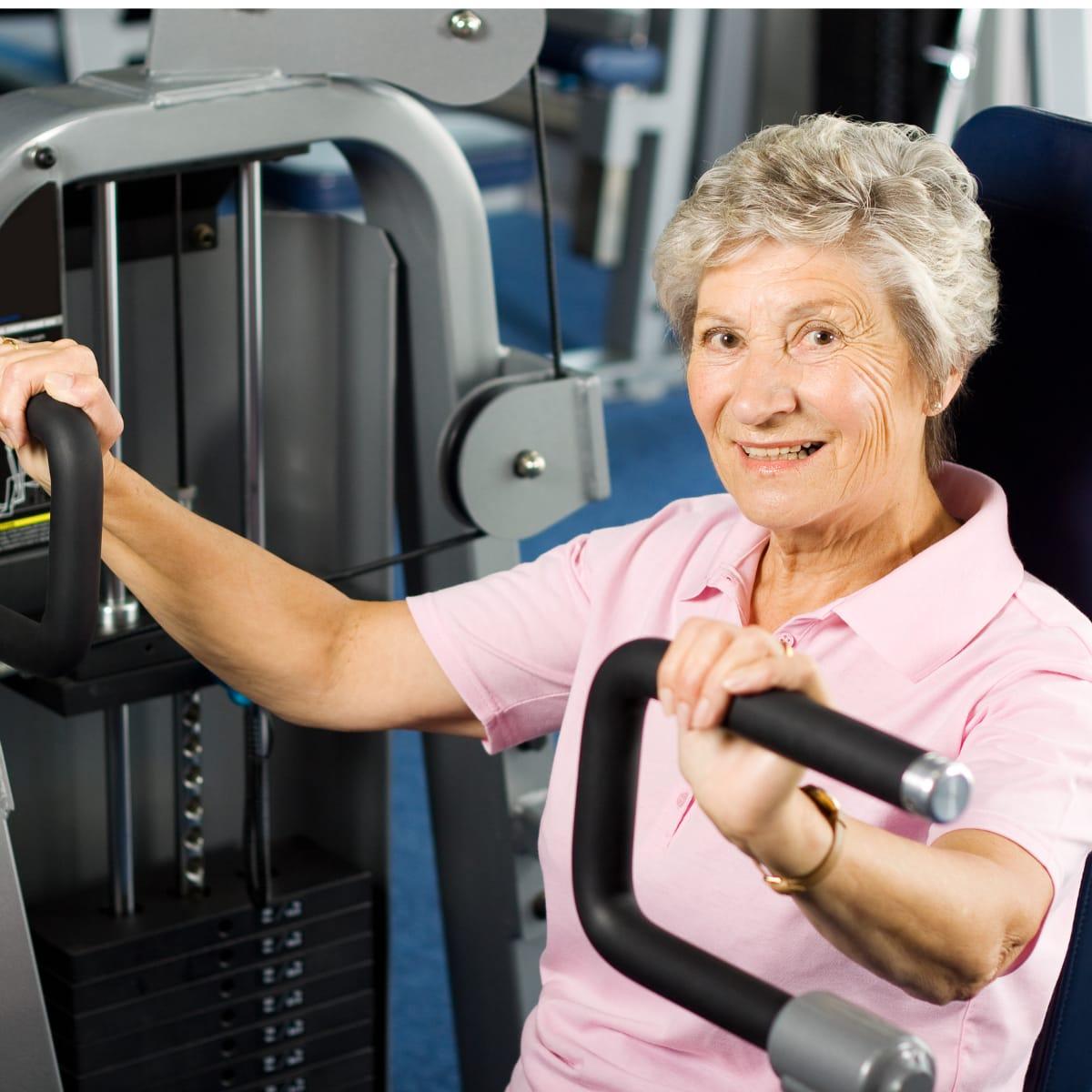
By making strength training part of your routine, you're investing in a more vibrant future. Embrace the power of strength training and enjoy the many benefits it brings to your body, mind, and daily life!
Will Strength Training Make Knee Arthritis Worse?
My knees hurt because of osteoarthritis, won't strength training make it worse?
No, proper strength training will most likely lead to a decrease in pain. Strength training helps reduce joint pain and improves flexibility. Just be sure to start with low-impact exercises and focus on proper form.
Kristen
Try the recipe: One of my favorite simple recipes is this easy salsa chicken, with about 5 minutes of prep — get the recipe.
Sources
- Volpi E, Nazemi R, Fujita S. Muscle tissue changes with aging. Curr Opin Clin Nutr Metab Care. 2004;7(4):405-410. doi:10.1097/01.mco.0000134362.76653.b2 View source
- Westcott WL. Resistance training is medicine: effects of strength training on health. Curr Sports Med Rep. 2012;11(4):209-216. doi:10.1249/JSR.0b013e31825dabb8 View source
- Wilkinson DJ, Piasecki M, Atherton PJ. The age-related loss of skeletal muscle mass and function: measurement and physiology of muscle fibre atrophy and muscle fibre loss in humans. Ageing Res Rev. 2018;47:123-132. doi:10.1016/j.arr.2018.07.005 View source
- von Haehling S, Morley JE, Anker SD. An overview of sarcopenia: facts and numbers on prevalence and clinical impact. J Cachexia Sarcopenia Muscle. 2010;1(2):129-133. doi:10.1007/s13539-010-0014-2 View source
- Mitchell WK, Williams J, Atherton P, Larvin M, Lund J, Narici M. Sarcopenia, dynapenia, and the impact of advancing age on human skeletal muscle size and strength; a quantitative review. Front Physiol. 2012;3:260. doi:10.3389/fphys.2012.00260 View source
- Watson SL, Weeks BK, Weis LJ, Harding AT, Horan SA, Beck BR. High-intensity resistance and impact training improves bone mineral density and physical function in postmenopausal women with osteopenia and osteoporosis: the LIFTMOR randomized controlled trial. J Bone Miner Res. 2018;33(2):211-220. doi:10.1002/jbmr.3284 View source
- Sherrington C, Fairhall NJ, Wallbank GK, et al. Exercise for preventing falls in older people living in the community. Cochrane Database Syst Rev. 2019;1(1):CD012424. doi:10.1002/14651858.CD012424.pub2 View source
- Gordon BR, McDowell CP, Hallgren M, Meyer JD, Lyons M, Herring MP. Association of efficacy of resistance exercise training with depressive symptoms: meta-analysis and meta-regression analysis of randomized clinical trials. JAMA Psychiatry. 2018;75(6):566-576. doi:10.1001/jamapsychiatry.2018.0572 View source
- Gordon BR, McDowell CP, Lyons M, Herring MP. The effects of resistance exercise training on anxiety: a meta-analysis and meta-regression analysis of randomized controlled trials. Sports Med. 2017;47(12):2521-2532. doi:10.1007/s40279-017-0769-0 View source
- Northey JM, Cherbuin N, Pumpa KL, Smee DJ, Rattray B. Exercise interventions for cognitive function in adults older than 50: a systematic review with meta-analysis. Br J Sports Med. 2018;52(3):154-160. doi:10.1136/bjsports-2016-096587 View source
- Fransen M, McConnell S, Harmer AR, Van der Esch M, Simic M, Bennell KL. Exercise for osteoarthritis of the knee. Cochrane Database Syst Rev. 2015;1(1):CD004376. doi:10.1002/14651858.CD004376.pub3 View source
- Colberg SR, Sigal RJ, Yardley JE, et al. Physical activity/exercise and diabetes: a position statement of the American Diabetes Association. Diabetes Care. 2016;39(11):2065-2079. doi:10.2337/dc16-1728 View source
- Paluch AE, Boyer WR, Franklin BA, et al. Resistance exercise training in individuals with and without cardiovascular disease: 2023 update: a scientific statement from the American Heart Association. Circulation. 2024;149(3):e217-e231. doi:10.1161/CIR.0000000000001189 View source
- Momma H, Kawakami R, Honda T, Sawada SS. Muscle-strengthening activities are associated with lower risk and mortality in major non-communicable diseases: a systematic review and meta-analysis of cohort studies. Br J Sports Med. 2022;56(13):755-763. doi:10.1136/bjsports-2021-105061 View source
- Liu CJ, Latham NK. Progressive resistance strength training for improving physical function in older adults. Cochrane Database Syst Rev. 2009;2009(3):CD002759. doi:10.1002/14651858.CD002759.pub2 View source
This article is for general education and isn't medical advice. Please talk with your doctor before starting a new exercise, nutrition or supplement routine. See our health disclaimer.


About the author
Kristen Nielsen
Kristen founded TogetherWON after watching what strength training could do for older adults — including her own grandparents. She's an ACE Certified Personal Trainer with 10+ years in functional aging, a University of Central Florida graduate, and a former Division I swimmer and track & field athlete.
Senior Fitness Specialist · Functional Aging Specialist · Parkinson's Disease Specialist · Brain Health Trainer · Corrective Exercise Specialist
want these in your inbox?
Get my Saturday letters
One idea for your body, brain or balance each week, usually with a recipe. Unsubscribe any time.
Keep reading

Body · Balance
Is One Side Weaker? How to Fix Muscle Imbalances
Favoring your stronger side can hide weakness and widen the gap between sides. How to notice the pattern and give your weaker side safe practice.
August 8, 2026 · 5 min read
Body · Balance
What to Add to Your Walking Routine After 60
Walking is a great foundation after 60, but it doesn't train everything. How to add strength, balance and brain-body work to your walks.
July 25, 2026 · 5 min read
Body · Balance
3 Common Exercise Mistakes Older Adults Make
Doing only cardio, skipping balance work and training at the wrong intensity are three common exercise mistakes after 60. Here's what to do instead.
February 7, 2026 · 3 min read