Suitcase Carry: The Best Core Exercise for Real Life
By Kristen Nielsen, Founder & Senior Fitness Specialist
· Updated · Body & Balance · 2 minute read

Part of our guide: Strength Training for Seniors: The Complete Guide
Key takeaways
- The suitcase carry trains your core to keep you upright and centered under uneven loads like groceries, which supports posture, walking stability and balance.
- Your core includes the muscles around your trunk, hips and lower back that keep you stable when something pulls you off center.
- Hold a light object in one hand, walk slowly and tall for about 10 seconds, then switch sides, using a counter or wall for support if needed.
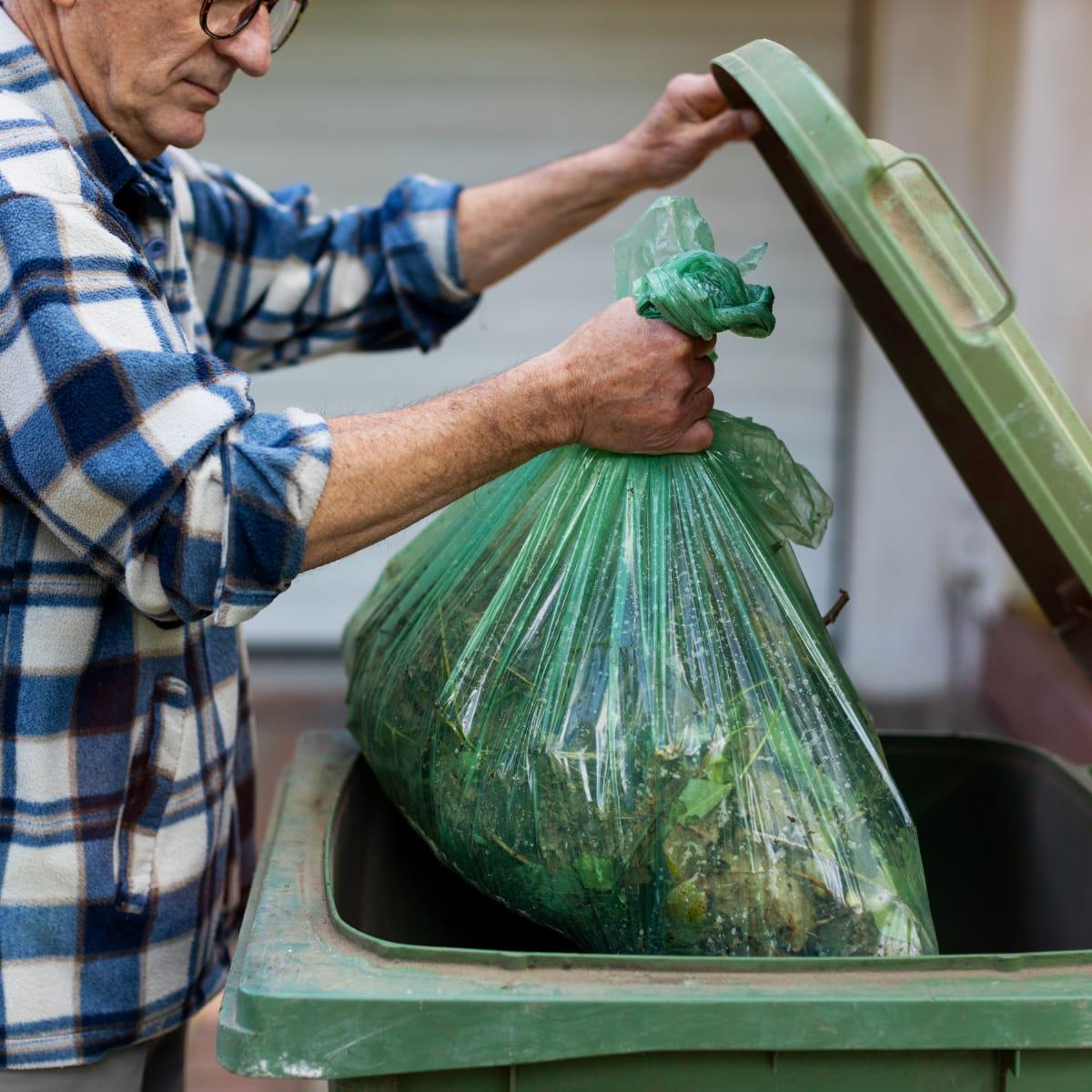
The suitcase carry, or one-arm carry, is one of the best core exercises for real life because it trains your body to stay tall and centered while you carry weight on one side. It's part of the simple starter routine in my guide to strength training for seniors.
Most of us carry weight on one side every single day — groceries, a purse, a laundry basket, a backpack, even a suitcase. But very few people train their bodies to handle that imbalance well.
When you carry weight on one side, your body has to work harder to stay upright. This is where your core comes in.
What Muscles Make Up Your Core?
Your core includes the muscles around your trunk, hips, and lower back that help keep you stable when something pulls you off center. These muscles play a huge role in balance, walking confidence, and fall prevention.
When the core isn't doing its job well, the body often compensates by:
- Leaning to one side
- Taking shorter or shuffling steps
- Feeling unsteady when carrying everyday items
Over time, those compensations can increase stress on the knees, hips, and back — and raise the risk of losing balance.
Why Are One-Sided Carries Good for Balance?
One-sided carries train your core and hip stabilizers to keep you centered when the load is uneven, which is why I often use one-sided carries in training.
Holding weight on one side teaches your body to:
- Stay centered under uneven load
- Activate core and hip stabilizers naturally
- Improve posture and walking stability
- Build strength that transfers directly to daily life
You don't need heavy weight for this to be effective. Lighter weight is still effective and can be safer — especially if balance is a concern.
How to Do the One-Arm Suitcase Carry
- Hold an object in one hand (a grocery bag, dumbbell, or even a milk jug)
- Stand tall and walk slowly for about 10 seconds
- Switch sides
Use a counter or wall for light support if needed and focus on posture, not speed. If you notice yourself leaning, that's useful feedback. Slow down, reset, and continue. Small adjustments matter. Holding the weight also works your grip, which you can check with our grip strength test.
I recorded a 1-minute video detailing this exercise. Watch the one-arm carry video on YouTube.
Building Confidence for Everyday Life
This exercise doesn't just build strength — it builds confidence.
Confidence carrying groceries, walking through parking lots, navigating uneven ground, and moving through daily life with more control.
Try this once a day, and look for ways to incorporate this exercise into your daily activities. When you do this exercise you're training movement that prepares you for real life!
Kristen
Try the recipe: For a warm, protein-rich dinner, try this easy healthy meatball soup — get the recipe.
Sources
- Granacher U, Gollhofer A, Hortobágyi T, Kressig RW, Muehlbauer T. The importance of trunk muscle strength for balance, functional performance, and fall prevention in seniors: a systematic review. Sports Med. 2013;43(7):627-641. View source
This article is for general education and isn't medical advice. Please talk with your doctor before starting a new exercise, nutrition or supplement routine. See our health disclaimer.


About the author
Kristen Nielsen
Kristen founded TogetherWON after watching what strength training could do for older adults — including her own grandparents. She's an ACE Certified Personal Trainer with 10+ years in functional aging, a University of Central Florida graduate, and a former Division I swimmer and track & field athlete.
Senior Fitness Specialist · Functional Aging Specialist · Parkinson's Disease Specialist · Brain Health Trainer · Corrective Exercise Specialist
want these in your inbox?
Get my Saturday letters
One idea for your body, brain or balance each week, usually with a recipe. Unsubscribe any time.
Keep reading
Body · Balance
Is One Side Weaker? How to Fix Muscle Imbalances
Favoring your stronger side can hide weakness and widen the gap between sides. How to notice the pattern and give your weaker side safe practice.
August 8, 2026 · 5 min read
Body · Balance
What to Add to Your Walking Routine After 60
Walking is a great foundation after 60, but it doesn't train everything. How to add strength, balance and brain-body work to your walks.
July 25, 2026 · 5 min read
Body · Balance
3 Common Exercise Mistakes Older Adults Make
Doing only cardio, skipping balance work and training at the wrong intensity are three common exercise mistakes after 60. Here's what to do instead.
February 7, 2026 · 3 min read