Glute Exercises for Seniors: Why Strong Glutes Matter
By Kristen Nielsen, Founder & Senior Fitness Specialist
· Updated · Body & Balance · 2 minute read
Part of our guide: Strength Training for Seniors: The Complete Guide
Key takeaways
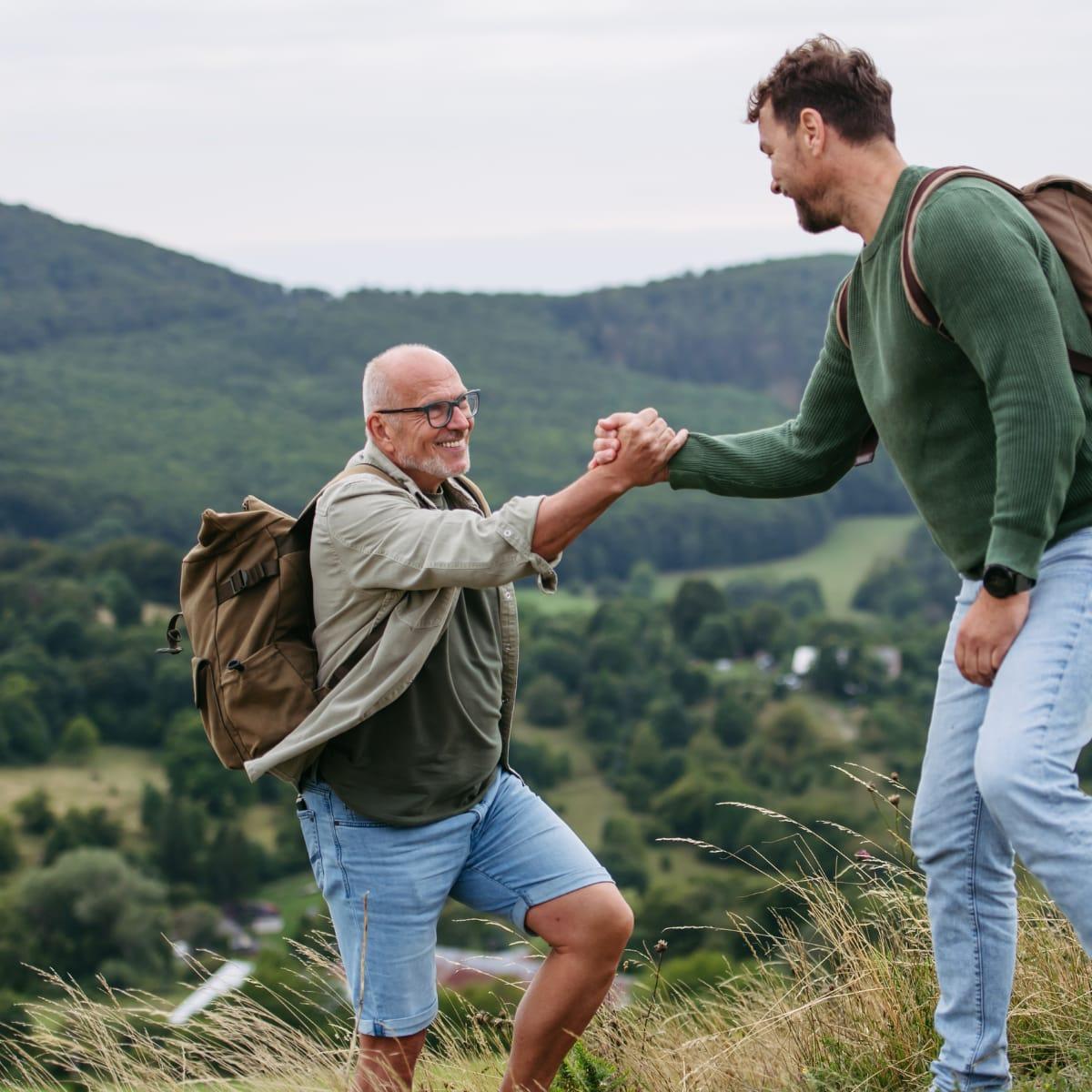
- Strong glutes matter because they stabilize your hips and pelvis, protect your knees and back, and power walking, climbing stairs, balance and getting up from a chair.
- The seated glute squeeze wakes these muscles up. Squeeze for 3–5 seconds and repeat 10–15 times, once or twice a day.
- Each time you stand up from a chair, think "glutes first" and press through your heels to power up with your hips.
Strong glutes are what let you walk confidently, get up from a chair and climb stairs without your knees and back doing all the work. When we think about moving well, it's easy to focus on the knees or back.
But the real power players live just behind you: your glutes (the muscles of your hips and backside). That's why they're a big part of any plan for strength training for seniors.
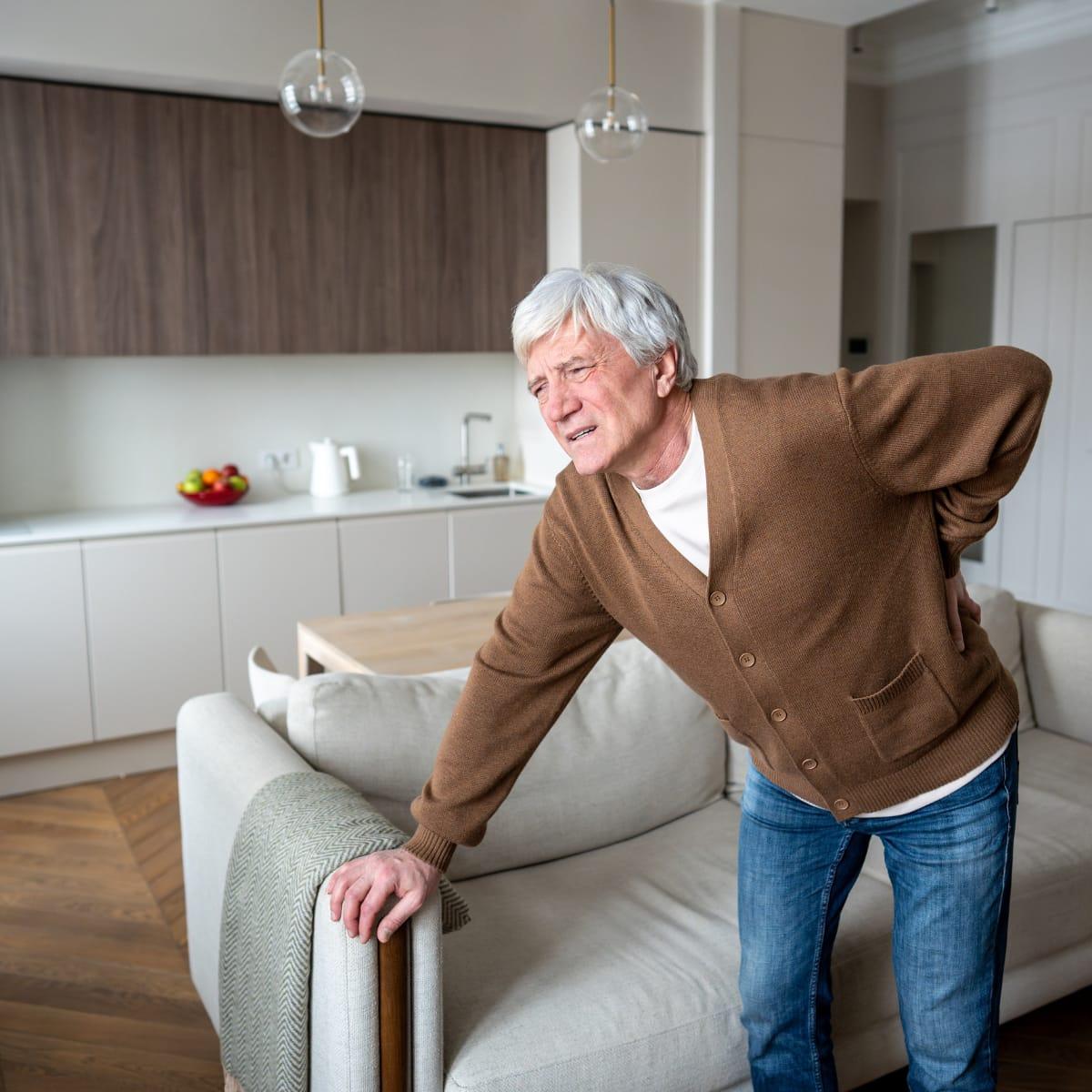
Your glutes are your body's engine. They stabilize your hips and pelvis, protect your knees and back, and help you stand tall. When they're weak or "asleep," other muscles take over — often your lower back or thighs — and that's when we start to notice stiffness, wobbly balance, or nagging aches. (If your back is already complaining, these lower back pain exercises are a good companion.)
What Do Strong Glutes Help You Do?
Strong glutes help you:
- Walk and climb stairs with less effort
- Maintain balance and recover quickly if you stumble (the reason glute work is part of our fall prevention and balance training)
- Protect your back by reducing strain on your spine
- Support joint health through better alignment of hips and knees
Even a little improvement in glute strength can make daily movement feel easier and more stable.
What's an Easy Glute Exercise for Seniors?
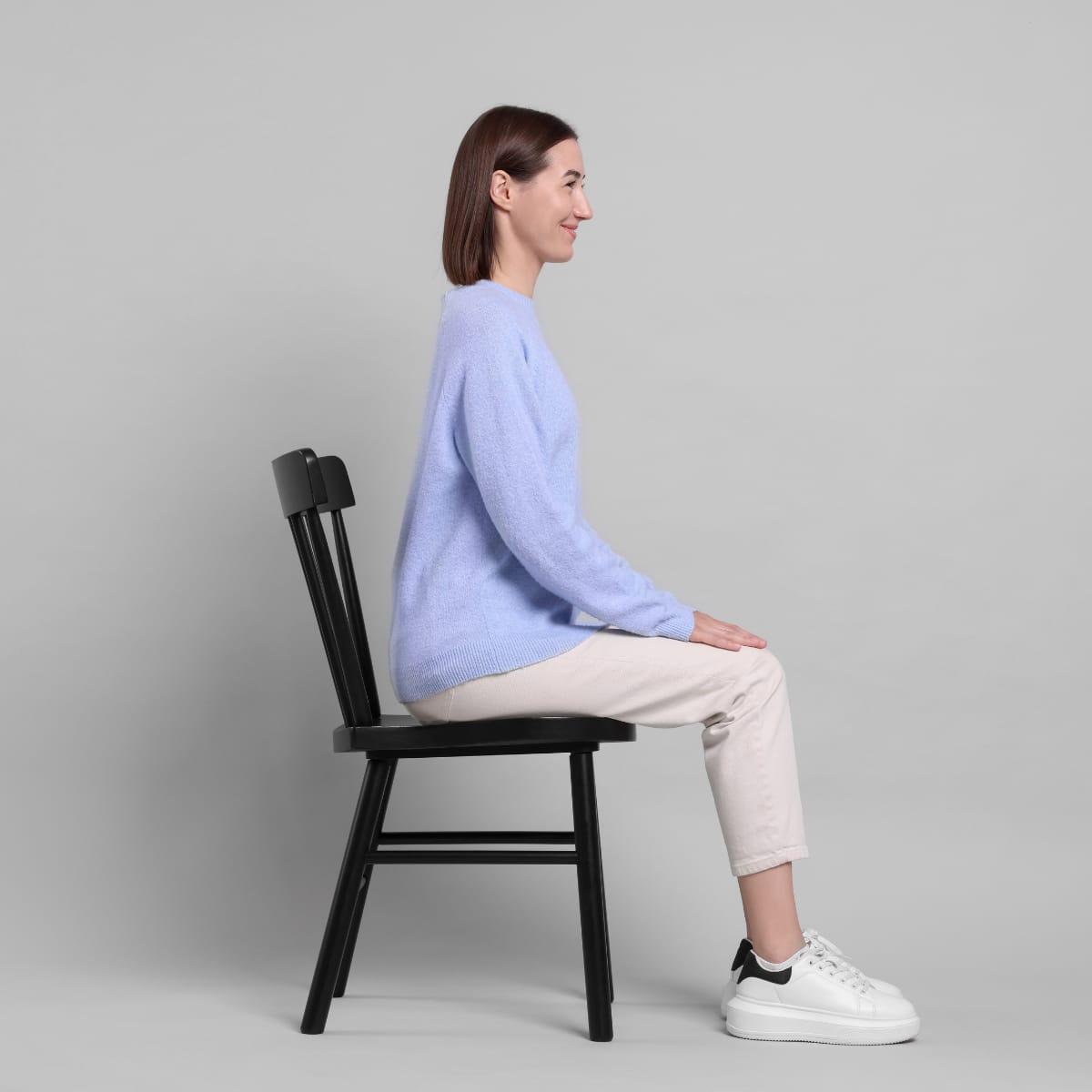
The seated glute squeeze is one of the easiest places to start. This one's simple, safe, and surprisingly effective. It teaches your brain to "find" and activate your glutes again — perfect if you've been sitting a lot.
How to do it:
- Sit tall at the edge of a chair, feet flat, shoulders relaxed.
- Gently squeeze your buttocks together as if you're trying to lift yourself just slightly off the seat (don't actually move).
- Hold for 3–5 seconds, then relax.
- Repeat 10–15 times, once or twice a day.
Tip: If you can, progress to doing the same squeeze while standing — especially when brushing your teeth or waiting for the microwave. You'll start to feel those muscles waking up and working for you again.
How Should You Stand Up From a Chair?
Each time you stand up from a chair, think "glutes first." Press through your heels and use your hips — not your knees — to power up. It's a simple habit that can completely change how your body feels when you move. Curious how your legs and hips are doing? Try the 30-second chair stand test.
Why Glute Strength Keeps You Independent
Glute strength is about stability, ease, and independence.
Wake them up, keep them active, and you'll be stronger and more stable every step of the way!
Kristen
Try the recipe: For a simple snack with big flavor, try this roasted red pepper and feta dip — get the recipe.
Sources
- Cooper NA, Scavo KM, Strickland KJ, et al. Prevalence of gluteus medius weakness in people with chronic low back pain compared to healthy controls. Eur Spine J. 2016;25(4):1258-1265. View source
- Addison O, Inacio M, Bair WN, Beamer BA, Ryan AS, Rogers MW. Role of hip abductor muscle composition and torque in protective stepping for lateral balance recovery in older adults. Arch Phys Med Rehabil. 2017;98(6):1223-1228. View source
This article is for general education and isn't medical advice. Please talk with your doctor before starting a new exercise, nutrition or supplement routine. See our health disclaimer.

About the author
Kristen Nielsen
Kristen founded TogetherWON after watching what strength training could do for older adults — including her own grandparents. She's an ACE Certified Personal Trainer with 10+ years in functional aging, a University of Central Florida graduate, and a former Division I swimmer and track & field athlete.
Senior Fitness Specialist · Functional Aging Specialist · Parkinson's Disease Specialist · Brain Health Trainer · Corrective Exercise Specialist
want these in your inbox?
Get my Saturday letters
One idea for your body, brain or balance each week, usually with a recipe. Unsubscribe any time.
Keep reading
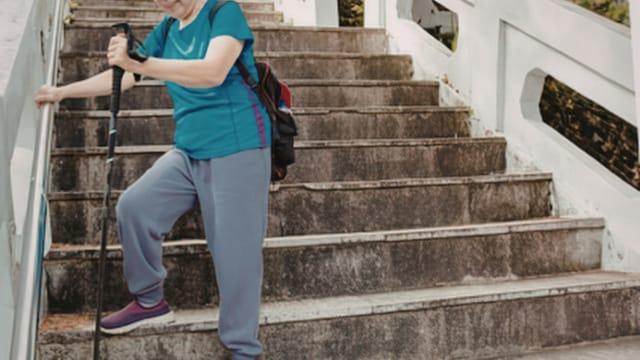
Body · Balance
Is One Side Weaker? How to Fix Muscle Imbalances
Favoring your stronger side can hide weakness and widen the gap between sides. How to notice the pattern and give your weaker side safe practice.
August 8, 2026 · 5 min read
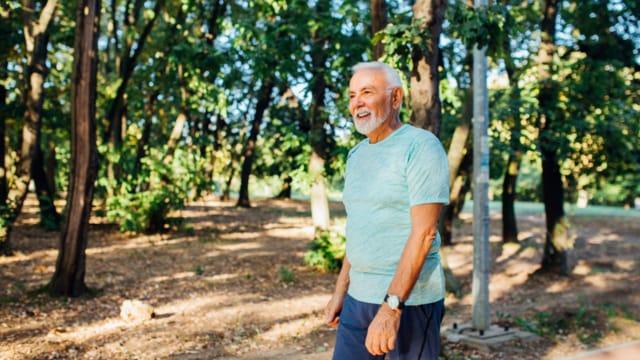
Body · Balance
What to Add to Your Walking Routine After 60
Walking is a great foundation after 60, but it doesn't train everything. How to add strength, balance and brain-body work to your walks.
July 25, 2026 · 5 min read
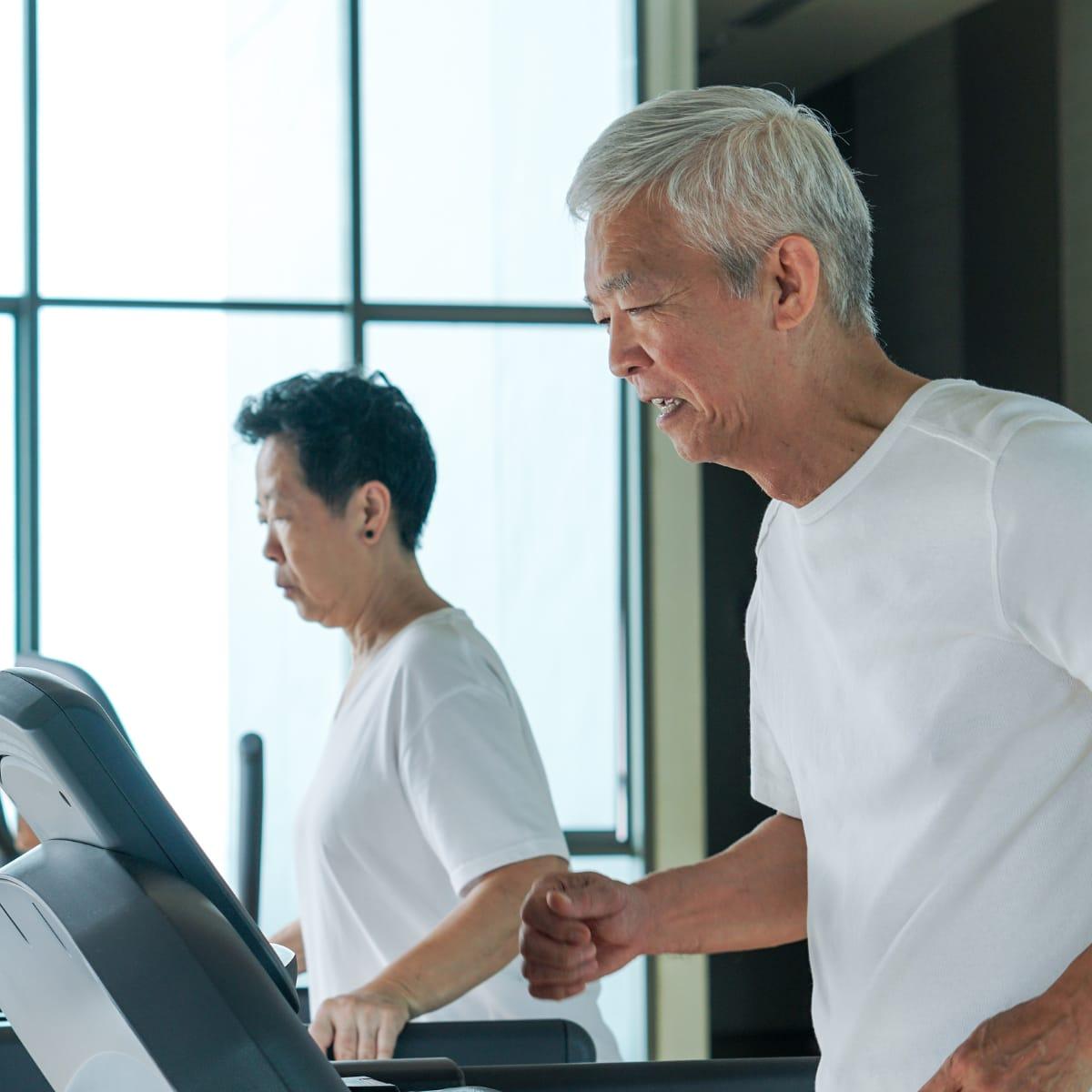
Body · Balance
3 Common Exercise Mistakes Older Adults Make
Doing only cardio, skipping balance work and training at the wrong intensity are three common exercise mistakes after 60. Here's what to do instead.
February 7, 2026 · 3 min read