What Super Agers Teach Us About Brain Health
By Kristen Nielsen, Founder & Senior Fitness Specialist
· Updated · Brain & Body · 2 minute read

Part of our guide: Exercise for Brain Health After 60
Key takeaways
- Super agers show the brain can stay adaptable: a 2026 Nature study found adults over 80 with exceptional memory had more new or immature brain cells in the hippocampus.
- People who age well tend to stay active, remain mentally engaged, and consistently challenge both body and brain.
- Combining movement with simple brain challenges strengthens communication between your brain and body, which helps you keep function as you age.
Super agers teach us that the brain can stay adaptable well into our 80s, and that staying active while regularly challenging both body and brain matters. That's the heart of exercise for brain health.
If you're anything like me, you've probably met someone in their 70s or 80s who just seems sharp. They remember details, move with confidence, and stay engaged in conversations and activities.
Researchers actually have a name for this group — "super agers" — and they've been trying to understand what sets them apart.
What Did the Nature Study on Super Agers Find?
A 2026 peer-reviewed study published in Nature found that super agers — adults over 80 with exceptional memory — had significantly more new or immature brain cells than typical older adults in the part of the brain responsible for memory, called the hippocampus. What they found was compelling.
That doesn't mean we fully understand how or why this happens, and it's important not to overstate it. But it does suggest something meaningful: the brain may be more adaptable with age than we once thought.
What Do Super Agers Do Differently?
People who age well — both physically and mentally — tend to stay active, remain mentally engaged, and regularly challenge both their body and their brain. Those patterns show up consistently when researchers study them. Not in extreme ways, and not perfectly, but consistently over time. That's encouraging, because those are things that are within our control.
Why We Train Body and Brain Together
This is one of the main reasons we combine physical movement with simple brain-body exercises in our training sessions. When you do both at the same time, you're not just strengthening muscles — you're strengthening communication between the brain and the body. This process, often referred to as neuroplasticity, is one of the key ways we maintain function and independence as we age.
A Quick Example From a Training Session
I filmed a short video with one of my clients to show what this can look like in a real session. She's working on building leg strength with a simple movement, while at the same time responding to a small brain challenge layered into the exercise.
It's not complicated, but it is intentional — and it reflects how we actually move in everyday life, where we're rarely just going through the motions without thinking, reacting, and adjusting.
Watch the video: Stronger Body, Sharper Brain — At the Same Time
Does the Brain Have to Decline With Age?
No. It is encouraging to know that the brain doesn't simply decline with age. It responds to how we use it. When we consistently challenge both the body and the brain — even in small ways — we give ourselves a much better chance of staying strong, steady, and sharp over time.
Kristen
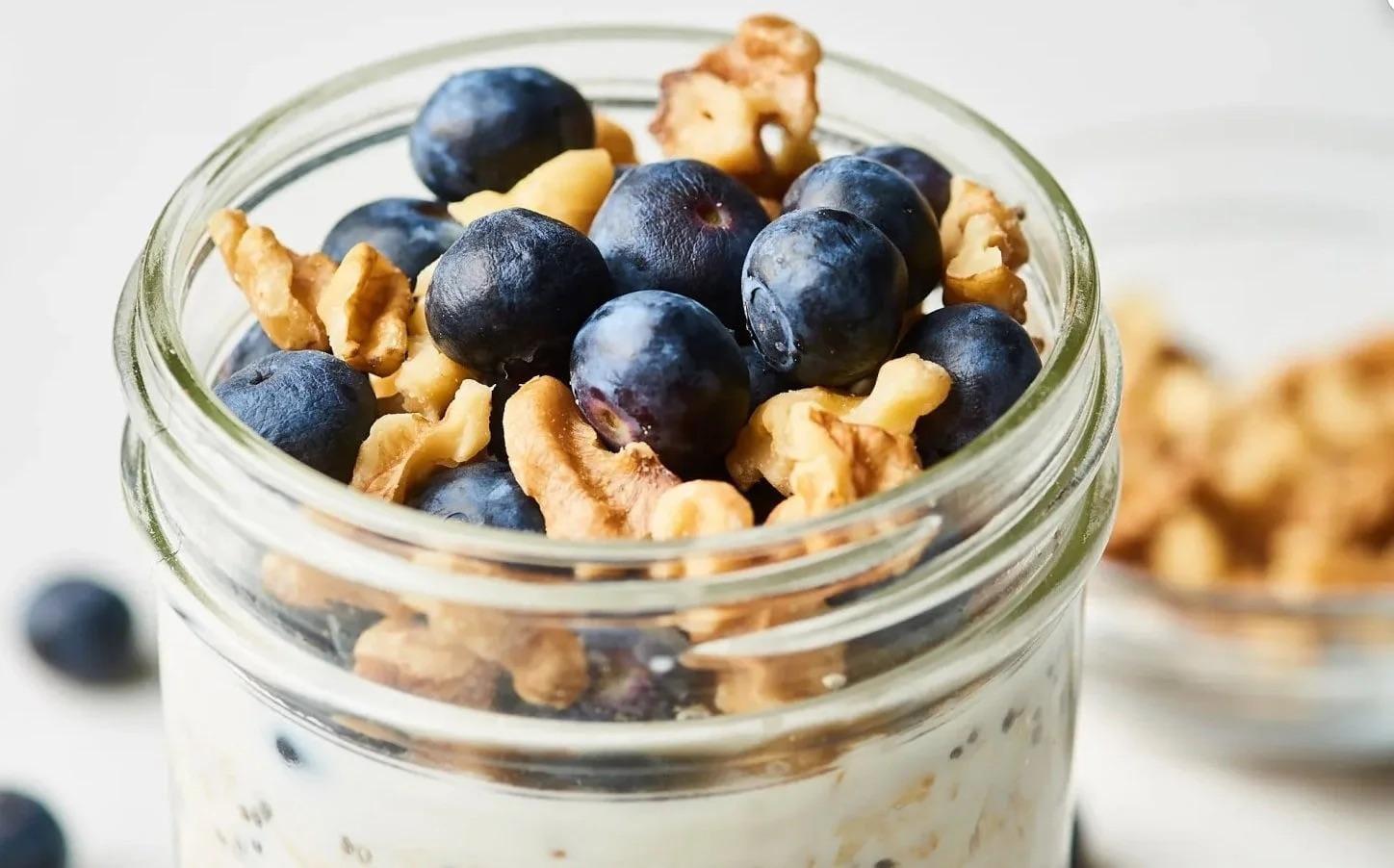
Try the recipe: Here is a brain-friendly snack — my blueberry walnut brain bowl — get the recipe.
Sources
- Disouky A, Sanborn MA, Sabitha KR, et al. Human hippocampal neurogenesis in adulthood, ageing and Alzheimer's disease. Nature. 2026;652(8112):1264-1273. View source
- Weintraub S, Gefen T, Geula C, Mesulam MM. The first 25 years of the Northwestern University SuperAging Program. Alzheimers Dement. 2025;21(8):e70312. View source
This article is for general education and isn't medical advice. Please talk with your doctor before starting a new exercise, nutrition or supplement routine. See our health disclaimer.

About the author
Kristen Nielsen
Kristen founded TogetherWON after watching what strength training could do for older adults — including her own grandparents. She's an ACE Certified Personal Trainer with 10+ years in functional aging, a University of Central Florida graduate, and a former Division I swimmer and track & field athlete.
Senior Fitness Specialist · Functional Aging Specialist · Parkinson's Disease Specialist · Brain Health Trainer · Corrective Exercise Specialist
want these in your inbox?
Get my Saturday letters
One idea for your body, brain or balance each week, usually with a recipe. Unsubscribe any time.
Keep reading

Brain · Body
Music and Movement: A Brain-Body Workout to a Song
Pick a favorite song and let it set your pace. This simple music-and-movement workout challenges your brain and body at any fitness level.
September 12, 2026 · 2 min read
Brain · Body
Brain-Body Exercises for Seniors: The Rule-Switch March
Brain-body exercises pair movement with a mental challenge. Try the Rule-Switch March, a simple standing or seated drill for focus and balance.
July 11, 2026 · 3 min read

Brain · Body
Leg Strength and Brain Health: A 10-Year Study
A 10-year study of women and twins found that stronger legs were linked to sharper thinking a decade later. Here's why, and what it looks like in real life.
March 28, 2026 · 2 min read