10 Easy Ways to Build a Daily Walking Habit
By Kristen Nielsen, Founder & Senior Fitness Specialist
· Updated · Body · 3 minute read
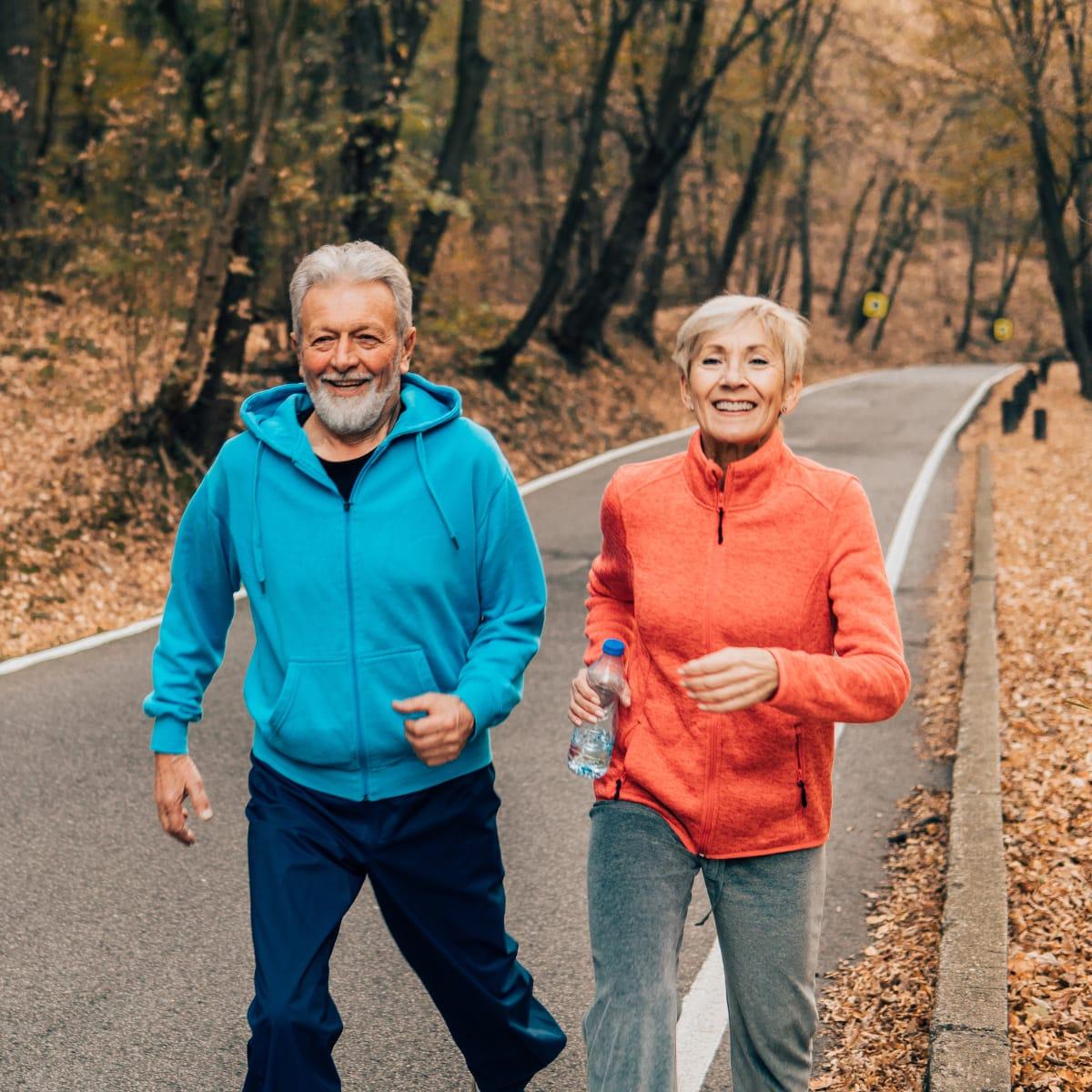

Part of our guide: Walking for Seniors: Benefits and How to Get Started
Key takeaways
- The easiest way to build a daily walking habit is to fold walking into what you already do: errands on foot, a short walk after meals, and walks with friends or family.
- Walking with purpose helps, like running errands on foot or parking at the far end of the lot.
- If long walks feel hard, break them into 10-minute walks, and use a free app or step counter to track your progress.
The easiest way to build a walking habit is to fold walking into things you already do, like errands, meals, time with friends and even phone calls. In another post, I shared studies that highlight the incredible benefits of walking, and my guide to walking for seniors covers how much to aim for. But I understand that starting a new habit can be challenging, especially if you're not used to it. Here are 10 practical strategies to help you get started with walking:
1. Walk with Purpose
- Errands on foot: Walk to the grocery store, post office, or pharmacy instead of driving.
- Park farther away: When driving is necessary, park at the far end of the lot to add extra steps.

2. Set a Walking Routine
- Morning walks: Start the day with a 15–30 minute walk around the neighborhood or a local park.
- Post-meal walks: Take a short walk after meals, especially after dinner, to aid digestion, reduce blood sugar levels, and improve metabolism. (Here's more on how a walk after eating helps avoid blood sugar spikes.)
3. Incorporate Social Walking
- Walking groups: Join or form a walking group with friends or neighbors. Socializing while walking can make it more enjoyable, and the same goes for exercising in a small group training class.
- Walk with family: Schedule regular walks with family members or grandchildren to make it a fun, shared activity.
4. Use Technology
- Step counters: Use a pedometer, smartwatch, or fitness app to track steps and set daily step goals (e.g., 5,000 or 10,000 steps).
- Challenge yourself: Set a weekly goal and gradually increase your step count over time.

5. Break It into Short Walks
- Mini walks: If long walks seem difficult, break them into 10-minute increments spread throughout the day.
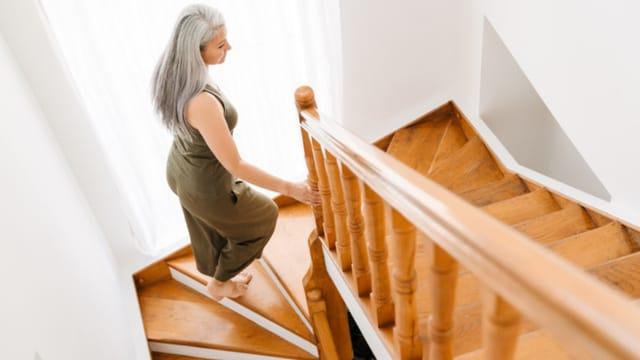
- Stair walks: If safe and comfortable, take the stairs instead of the elevator to add more walking into daily routines. Ready for more? Try this stair climbing workout.
6. Make Walking Enjoyable
- Change routes: Vary the routes you walk to keep things interesting. Try scenic paths or explore different parts of your neighborhood.
- Walk to a destination: Walk to a café, park, or local landmark to make it a purposeful and enjoyable activity.
7. Add Walking into Daily Activities
- Walk during TV: Walk in place or around the room during commercial breaks or while watching TV.
- Phone walking: Walk around the house or outside when talking on the phone.
- Indoor walking: In bad weather, malls or community centers often have safe, indoor spaces for walking.
8. Walk Your Pet
If you have a dog, regular walks are a great way to stay active and establish a routine.
9. Incorporate Nature
Outdoor walking: Walk in parks, by lakes, or in nature reserves. The natural environment can enhance relaxation and reduce stress.
10. Walk for Charity or Events
Participate in charity walks or community events where walking is involved. It can be motivating and give a sense of accomplishment.
How Do You Make Walking Feel Like Less of a Chore?
Make it part of your day instead of one more thing on your to-do list. By incorporating walking into your daily routine, you can meet your recommended activity levels without it feeling like a chore. And if you're wondering whether walking alone is enough exercise, I dig into that in is walking enough?
How Can You Track Your Walking Without Buying Anything?
Use a free fitness app on the phone you already have. There are many different fitness apps available to easily track walking. There are free versions available for each of the following apps:
- Google Fit
- Apple Health
- Pacer
- Map My Walk
- Strava
- Steps App
- Walk Meter
I have not personally used all of these apps but I do have experience with Strava and Walk Meter! Both offer simple ways to track.
Kristen
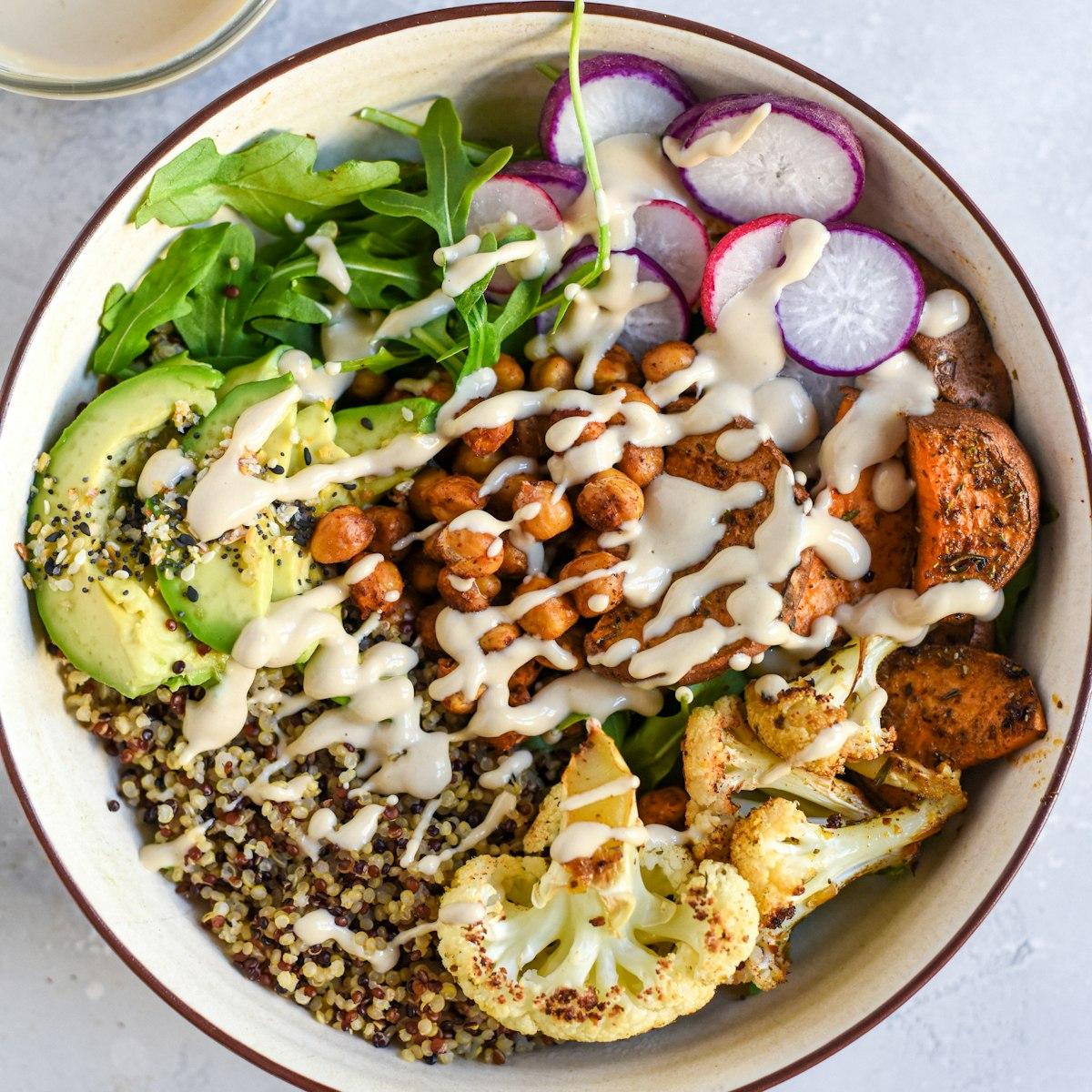
Try the recipe: I'm a huge fan of grain bowls, and these autumn harvest bowls are amazing — get the recipe.
Sources
- Buffey AJ, Herring MP, Langley CK, Donnelly AE, Carson BP. The acute effects of interrupting prolonged sitting time in adults with standing and light-intensity walking on biomarkers of cardiometabolic health in adults: a systematic review and meta-analysis. Sports Med. 2022;52(8):1765-1787. View source
- Centers for Disease Control and Prevention. Older adult activity: an overview. Updated December 4, 2025. View source
- Hunter MR, Gillespie BW, Chen SY. Urban nature experiences reduce stress in the context of daily life based on salivary biomarkers. Front Psychol. 2019;10:722. View source
This article is for general education and isn't medical advice. Please talk with your doctor before starting a new exercise, nutrition or supplement routine. See our health disclaimer.

About the author
Kristen Nielsen
Kristen founded TogetherWON after watching what strength training could do for older adults — including her own grandparents. She's an ACE Certified Personal Trainer with 10+ years in functional aging, a University of Central Florida graduate, and a former Division I swimmer and track & field athlete.
Senior Fitness Specialist · Functional Aging Specialist · Parkinson's Disease Specialist · Brain Health Trainer · Corrective Exercise Specialist
want these in your inbox?
Get my Saturday letters
One idea for your body, brain or balance each week, usually with a recipe. Unsubscribe any time.
Keep reading
Body · Stories
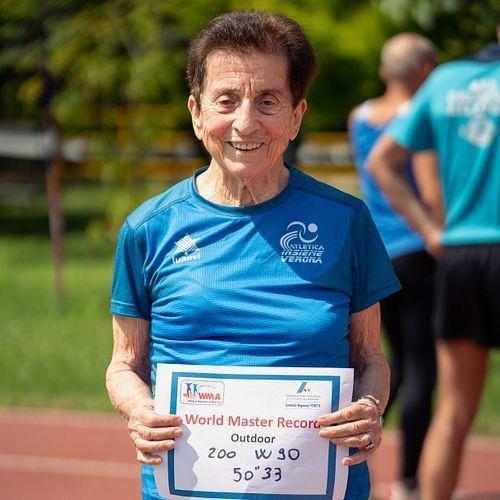
Building Muscle at 91: What a Sprinter Teaches Us
Researchers tested the muscles of a 91-year-old world-record sprinter. What they found shows why strength and power stay trainable as we age.
September 19, 2026 · 3 min read

Brain · Body
Music and Movement: A Brain-Body Workout to a Song
Pick a favorite song and let it set your pace. This simple music-and-movement workout challenges your brain and body at any fitness level.
September 12, 2026 · 2 min read
Body
2-Minute Step Test: Check Your Cardio Fitness at Home
The 2-Minute Step Test is a simple at-home check of your endurance. Here's how to do it, how to compare your score, and why cardio fitness matters.
September 5, 2026 · 2 min read