5 Surprising Benefits of Strength Training After 60
By Kristen Nielsen, Founder & Senior Fitness Specialist
· Updated · Body & Brain · 3 minute read
Part of our guide: Strength Training for Seniors: The Complete Guide
Key takeaways
- Five lesser-known benefits of strength training after 60: a sharper brain, better sleep, gut health support, stronger bones where fractures happen, and a better mood.
- In one study, women aged 65–75 who did resistance training twice a week for a year improved cognitive function, and the benefits continued a year after training ended.
- The LIFTMOR trial found that twice-weekly resistance and impact training for 8 months improved bone density at the spine and hips, where fractures are most likely.
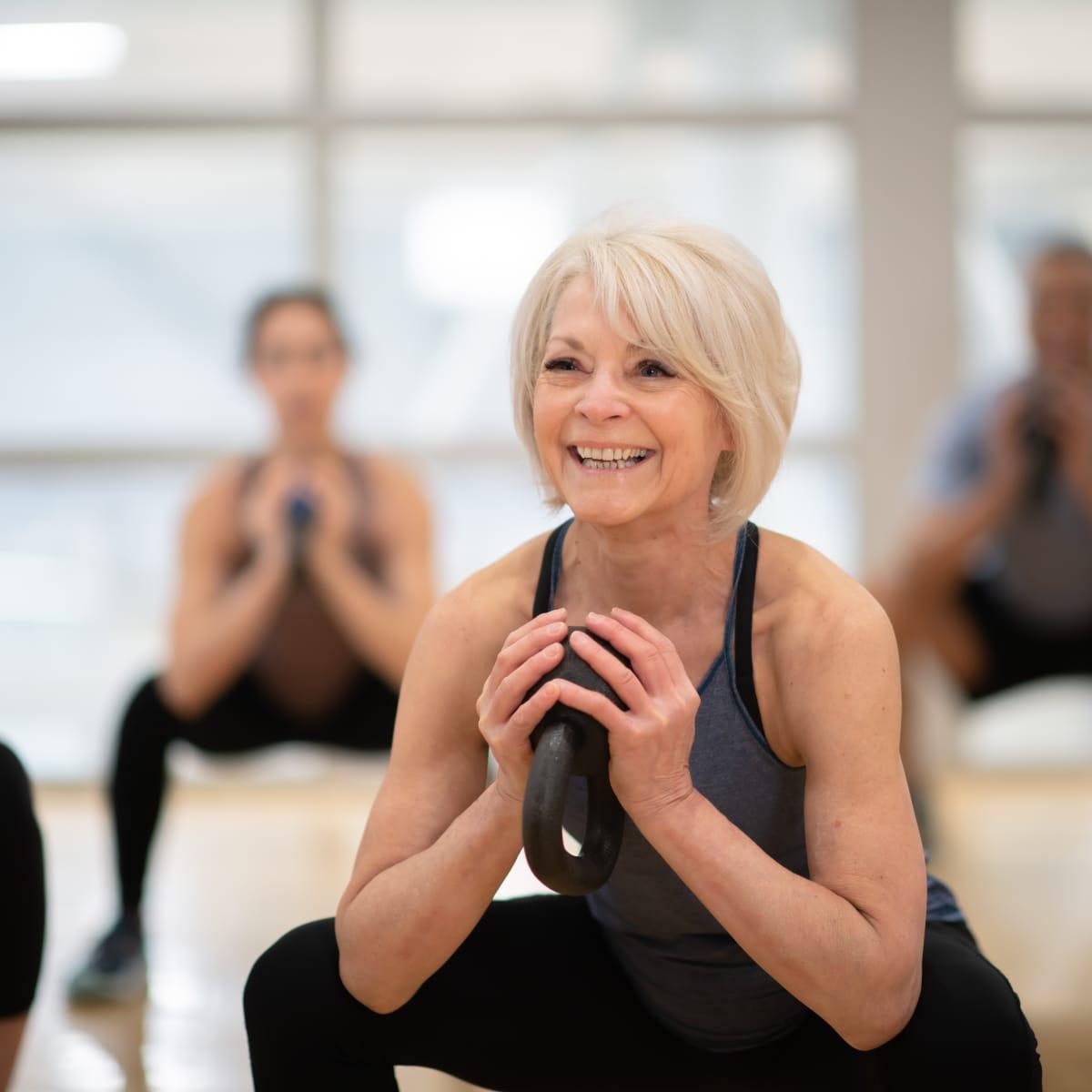
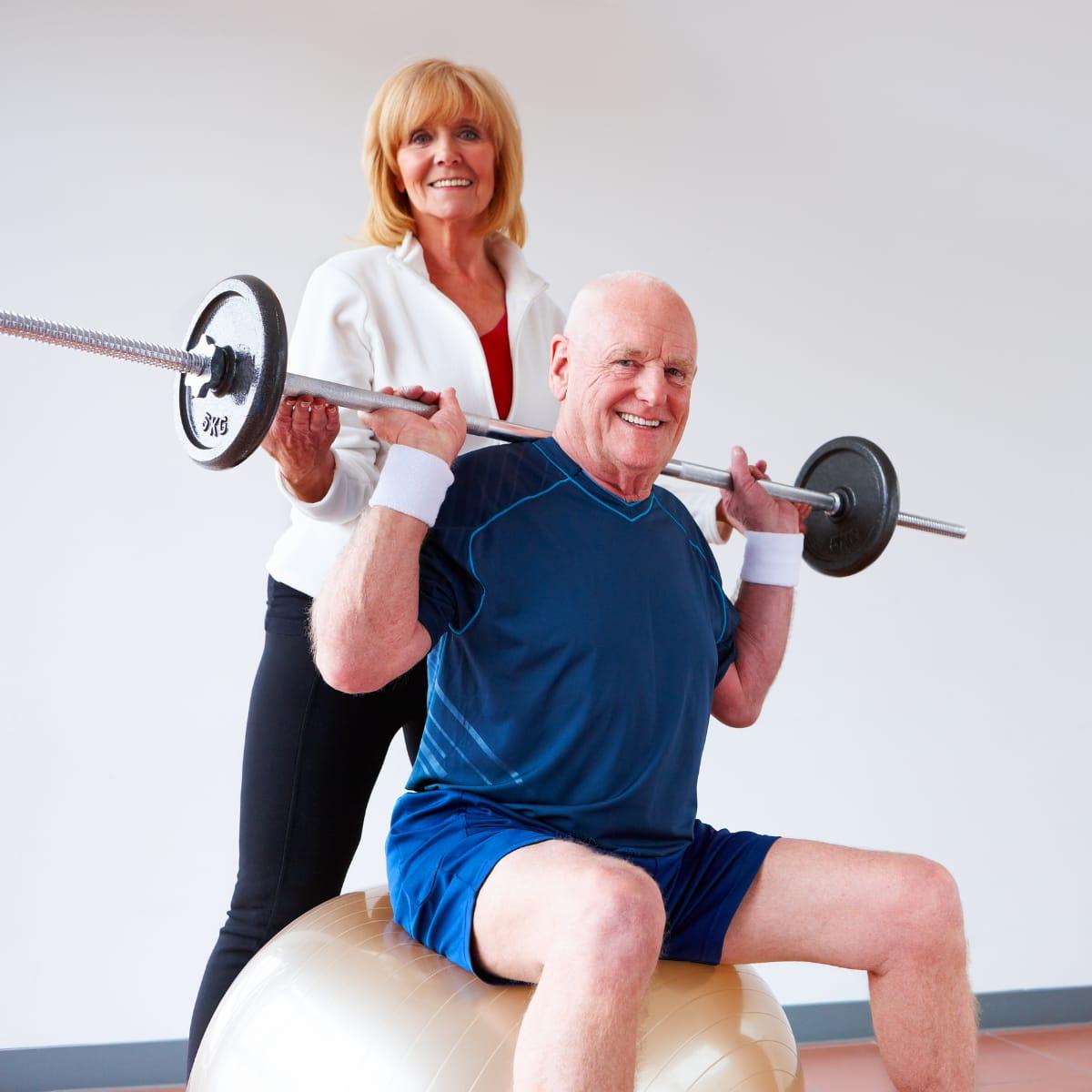
Beyond building muscle, strength training after 60 can sharpen your brain, improve your sleep, support your gut, strengthen your bones where they break most, and lift your mood. I've talked before about the benefits of strength training for seniors — and honestly, the list keeps growing. As more research comes out, it sometimes feels like there are too many great things to mention!
In this post, let's zoom in on 5 of the lesser-known (but no less powerful) reasons to keep picking up those bands, weights, or bodyweight moves.
When I'm running low on motivation for a workout, these are the benefits I remind myself of. They go far beyond appearance and deep into what it means to live fully.
1. Does Strength Training Help Your Brain?
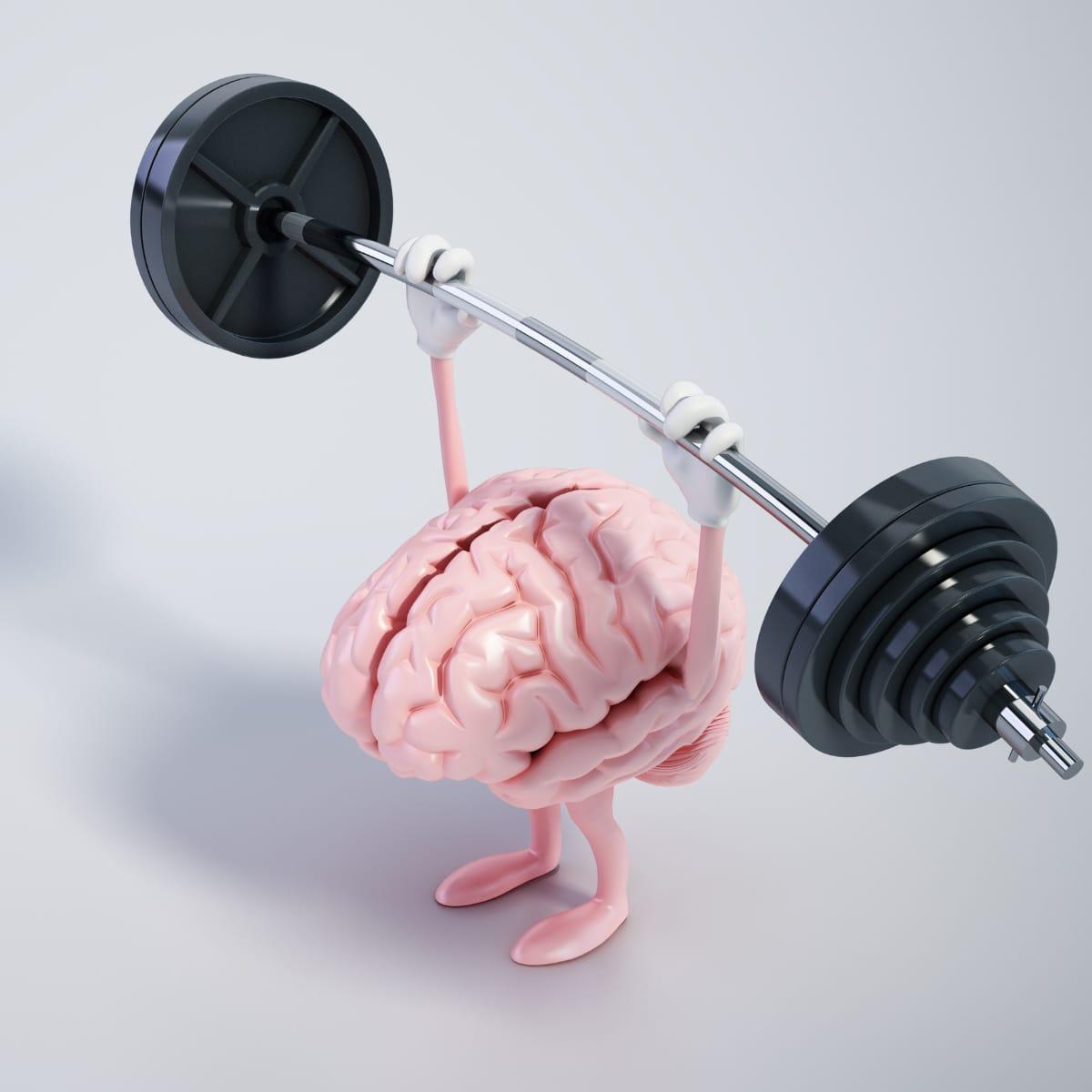
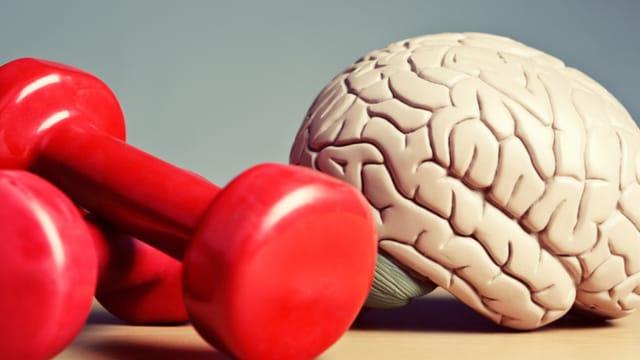
Yes. Strength training doesn't just help your muscles — it strengthens your brain's executive function, memory, and processing speed. (I dig into this more in does strength training help your brain and memory?)
In a study published in the Journal of the American Geriatrics Society (2015), women aged 65–75 who completed resistance training twice a week for one year significantly improved cognitive function and experienced less progression of white matter lesions in their brains — a key factor in age-related memory loss. Even better, those benefits continued a year after the training ended.
Resistance training is one of the few interventions with promising evidence that it can slow cognitive decline.
2. Can Strength Training Help You Sleep Better?
Yes. If you can't sleep, strength training might be a better solution than supplements. A review in Sleep Medicine Reviews (2018) found that adults who strength trained regularly experienced shorter time to fall asleep, fewer nighttime awakenings, and better overall sleep quality.
This happens because resistance training helps regulate melatonin and cortisol, and it enhances the body's natural sleep-wake cycles.
Better sleep improves energy, memory, and even immune function — making strength training a full-body investment.
3. It Supports Digestive and Gut Health
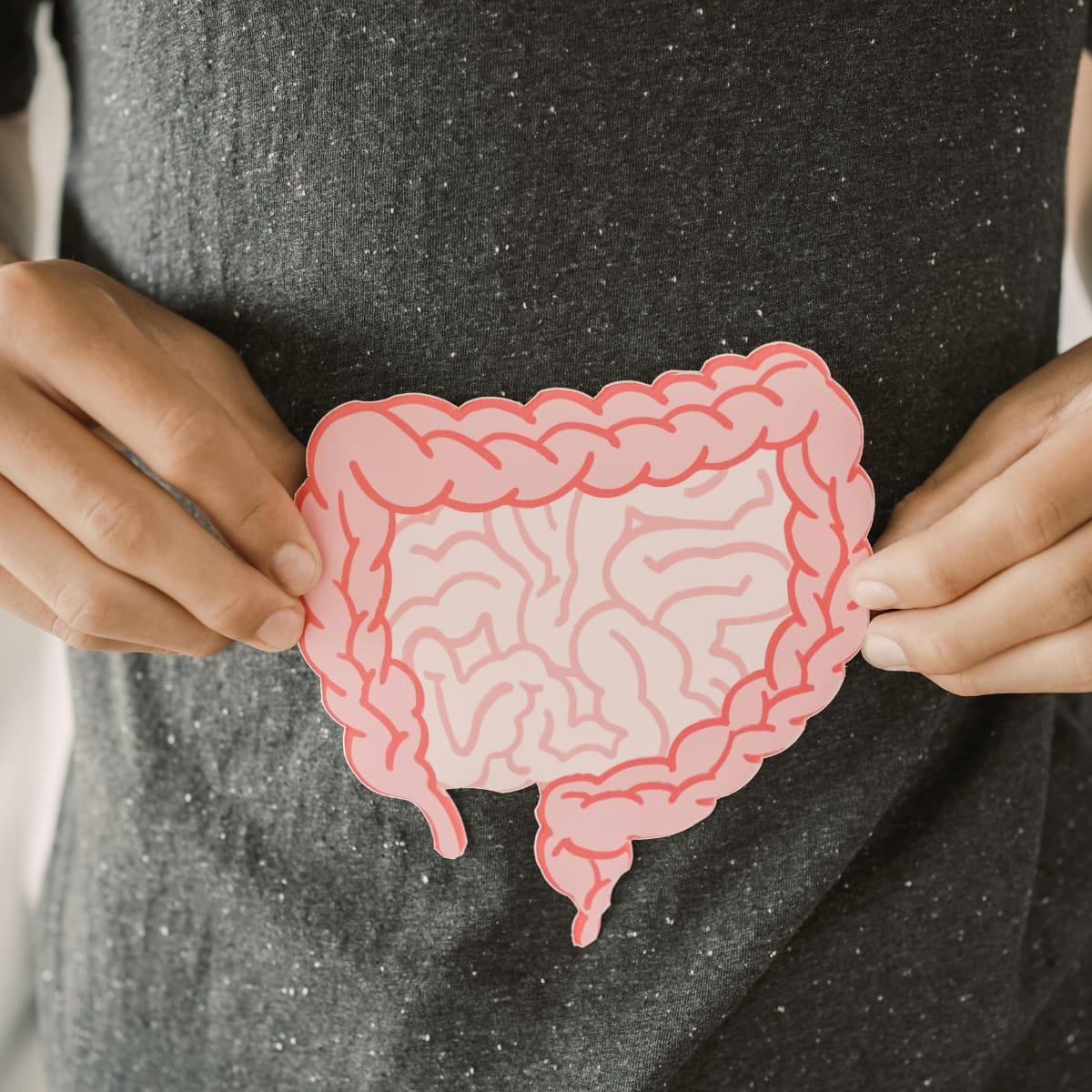
You might not think of the gym as a place to support digestion, but studies say otherwise. In a 2020 review published in Frontiers in Microbiology, researchers found that resistance training improves gut motility and positively alters the gut microbiome — the community of bacteria that influences mood, metabolism, and inflammation.
It also helps reduce constipation by stimulating the abdominal wall, diaphragm, and pelvic floor — especially important for older adults.
Healthy gut, healthy you.
4. It Builds Bone Where Fractures Happen Most
Osteoporosis prevention is more than calcium and walking (here's more on how to increase bone density with exercise). The LIFTMOR trial (2018), a landmark study in the Journal of Bone and Mineral Research, showed that women with low bone mass who performed high-intensity resistance and impact training twice weekly for 8 months saw significant gains in bone density at the spine and hips — the areas most prone to fracture.
And they did it safely, under supervision, with no increase in injury risk.
You don't need to train intensely to benefit — but using resistance to load the bones in the right places makes a measurable difference.
5. Can Lifting Weights Improve Your Mood?
Yes. Beyond the "feel-good" endorphins, strength training builds something deeper: self-efficacy — the belief that you're capable and strong.
In a 2018 meta-analysis published in JAMA Psychiatry, researchers reviewed over 30 clinical trials and found that resistance training significantly reduced symptoms of depression, even in people without a formal diagnosis. The consistent, measurable progress made during training gave participants a stronger sense of control and optimism.
That feeling doesn't just help you at the gym — it improves how you face everything else in life.
More Than Muscle
Strength training helps you move better, live longer, and feel stronger — but it also offers hidden gifts that most people overlook. If you'd like a simple way to track your progress, try the 30-second chair stand test.
Next time you're debating whether or not to work out, remember:
You're not just lifting weights. You're lifting your quality of life.
Kristen
Try the recipe: For a protein-packed, no-cook meal with brain-boosting colors, try my rainbow chickpea crunch salad — get the recipe.
Sources
- Bolandzadeh N, Tam R, Handy TC, et al. Resistance training and white matter lesion progression in older women: exploratory analysis of a 12-month randomized controlled trial. J Am Geriatr Soc. 2015;63(10):2052-2060. View source
- Liu-Ambrose T, Nagamatsu LS, Voss MW, Khan KM, Handy TC. Resistance training and functional plasticity of the aging brain: a 12-month randomized controlled trial. Neurobiol Aging. 2012;33(8):1690-1698. View source
- Best JR, Chiu BK, Liang Hsu C, Nagamatsu LS, Liu-Ambrose T. Long-term effects of resistance exercise training on cognition and brain volume in older women: results from a randomized controlled trial. J Int Neuropsychol Soc. 2015;21(10):745-756. View source
- Kovacevic A, Mavros Y, Heisz JJ, Fiatarone Singh MA. The effect of resistance exercise on sleep: a systematic review of randomized controlled trials. Sleep Med Rev. 2018;39:52-68. View source
- Watson SL, Weeks BK, Weis LJ, Harding AT, Horan SA, Beck BR. High-intensity resistance and impact training improves bone mineral density and physical function in postmenopausal women with osteopenia and osteoporosis: the LIFTMOR randomized controlled trial. J Bone Miner Res. 2018;33(2):211-220. View source
- Gordon BR, McDowell CP, Hallgren M, Meyer JD, Lyons M, Herring MP. Association of efficacy of resistance exercise training with depressive symptoms: meta-analysis and meta-regression analysis of randomized clinical trials. JAMA Psychiatry. 2018;75(6):566-576. View source
This article is for general education and isn't medical advice. Please talk with your doctor before starting a new exercise, nutrition or supplement routine. See our health disclaimer.


About the author
Kristen Nielsen
Kristen founded TogetherWON after watching what strength training could do for older adults — including her own grandparents. She's an ACE Certified Personal Trainer with 10+ years in functional aging, a University of Central Florida graduate, and a former Division I swimmer and track & field athlete.
Senior Fitness Specialist · Functional Aging Specialist · Parkinson's Disease Specialist · Brain Health Trainer · Corrective Exercise Specialist
want these in your inbox?
Get my Saturday letters
One idea for your body, brain or balance each week, usually with a recipe. Unsubscribe any time.
Keep reading

Brain · Body
Music and Movement: A Brain-Body Workout to a Song
Pick a favorite song and let it set your pace. This simple music-and-movement workout challenges your brain and body at any fitness level.
September 12, 2026 · 2 min read
Brain · Body
Brain-Body Exercises for Seniors: The Rule-Switch March
Brain-body exercises pair movement with a mental challenge. Try the Rule-Switch March, a simple standing or seated drill for focus and balance.
July 11, 2026 · 3 min read
Brain · Body
What Super Agers Teach Us About Brain Health
A Nature study found super agers over 80 have more immature neurons in the hippocampus. What that means, and why we train body and brain together.
April 18, 2026 · 2 min read