Why Grip Strength Matters and How to Improve It
By Kristen Nielsen, Founder & Senior Fitness Specialist
· Updated · Body · 3 minute read
Part of our guide: Strength Training for Seniors: The Complete Guide
Key takeaways
- Grip strength is one of the strongest predictors of health as you age. In a 2015 study of nearly 140,000 adults, weaker grip was linked to higher risk of heart disease, stroke and early death.
- Farmer's carries, which simply mean picking up something heavy and walking tall with it, challenge your grip, core, posture and balance at once.
- Everyday tasks like opening jars, carrying groceries and wringing out towels can build hand strength when you approach them with intention.
Grip strength matters because it reflects how strong and resilient your whole body is, and the good news is that you can improve it with simple carries and everyday tasks. When you think of strength, your hands probably aren't the first thing that come to mind. But research suggests they should be.
Grip strength isn't just about opening jars or carrying groceries — it's actually one of the most powerful predictors of overall health as we age.
Doctors and researchers often use grip strength as a stand-in for total body strength, because it correlates closely with how well the rest of the body is functioning. That's why hand strength belongs in any plan for strength training for seniors.
One large study published in The Lancet (2015) followed nearly 140,000 adults across 17 countries. It found that lower grip strength was linked to a higher risk of heart disease, stroke, and even early death — more so than blood pressure in some cases. That's a big statement for something as simple as how hard you can squeeze.
Why Does Grip Strength Matter So Much?
Grip strength matters because it often reflects the health of your muscles, your nervous system, and your overall physical resilience. And the good news is: you can train it.
What's the Best Exercise to Improve Grip Strength?
My favorite is the farmer's carry. If you want one exercise that gives you a lot of bang for your buck, farmer's carries are it.
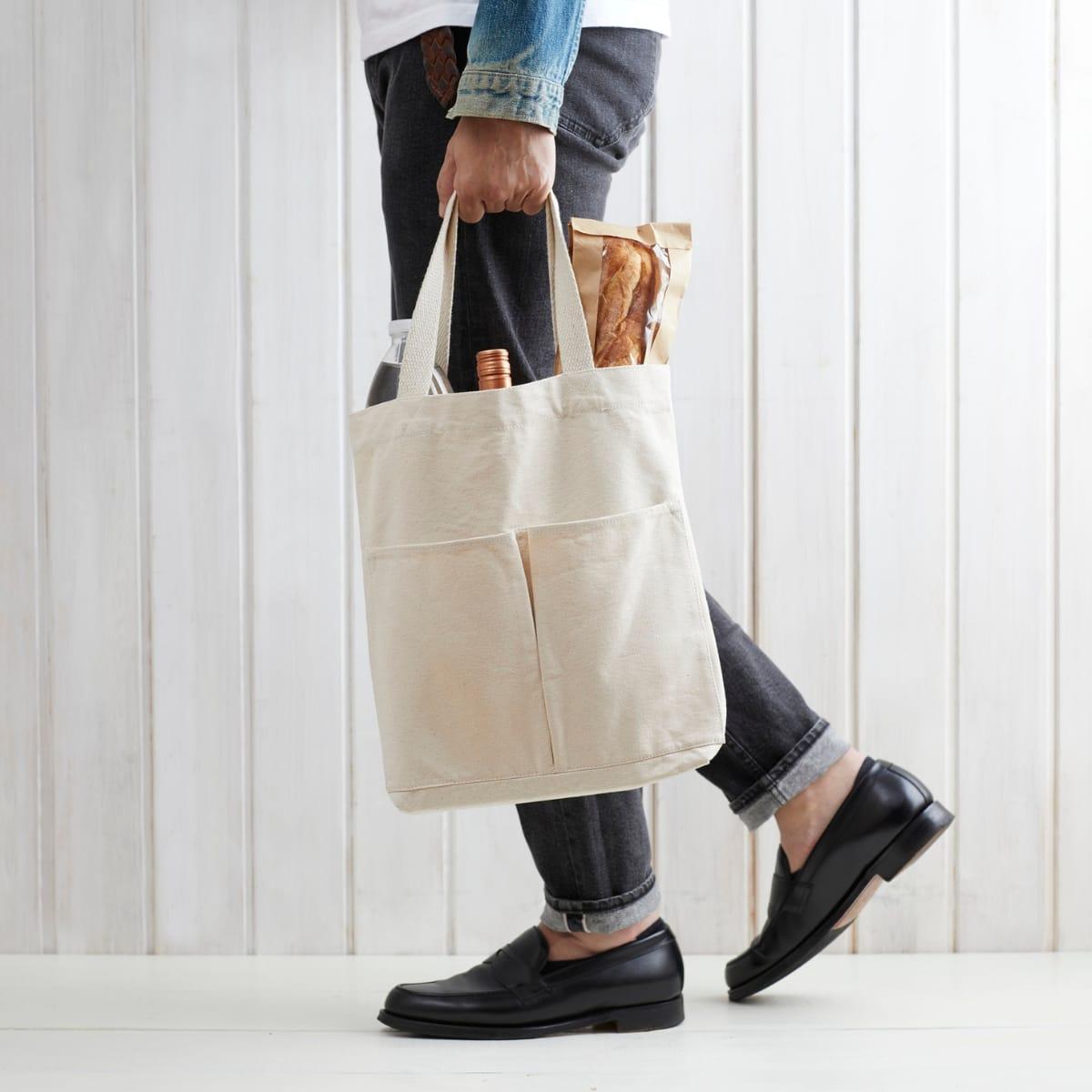
At its core, a farmer's carry is simple: pick up something heavy and walk with it. (Make sure you keep your posture tall and your core engaged while doing this.) This movement challenges your grip, core, posture, balance, and even cardiovascular system — all at once.
Here are a few ways to do farmer's carries:
- Grocery Bag Carry: Grab two sturdy bags with some weight in them (water bottles, books, soup cans) and walk around your kitchen or driveway for 30–60 seconds.
- Uneven Carry: Hold something heavy in just one hand. This forces your core to stabilize and builds anti-rotation strength. (More on this one in my post on the suitcase carry.)
- Bucket Carry: Fill a bucket or tote with a manageable weight and carry it like you're hauling garden tools.
- Suitcase Walks: Use a dumbbell, kettlebell, or even a milk jug in each hand. Keep your shoulders down and your chest tall as you walk.
Start with short walks, and rest between rounds. The goal is to carry with control — not to race.
Can Everyday Tasks Build Grip Strength?
Yes. You don't need a workout to build grip strength. Everyday tasks can be strength training if you approach them with intention.
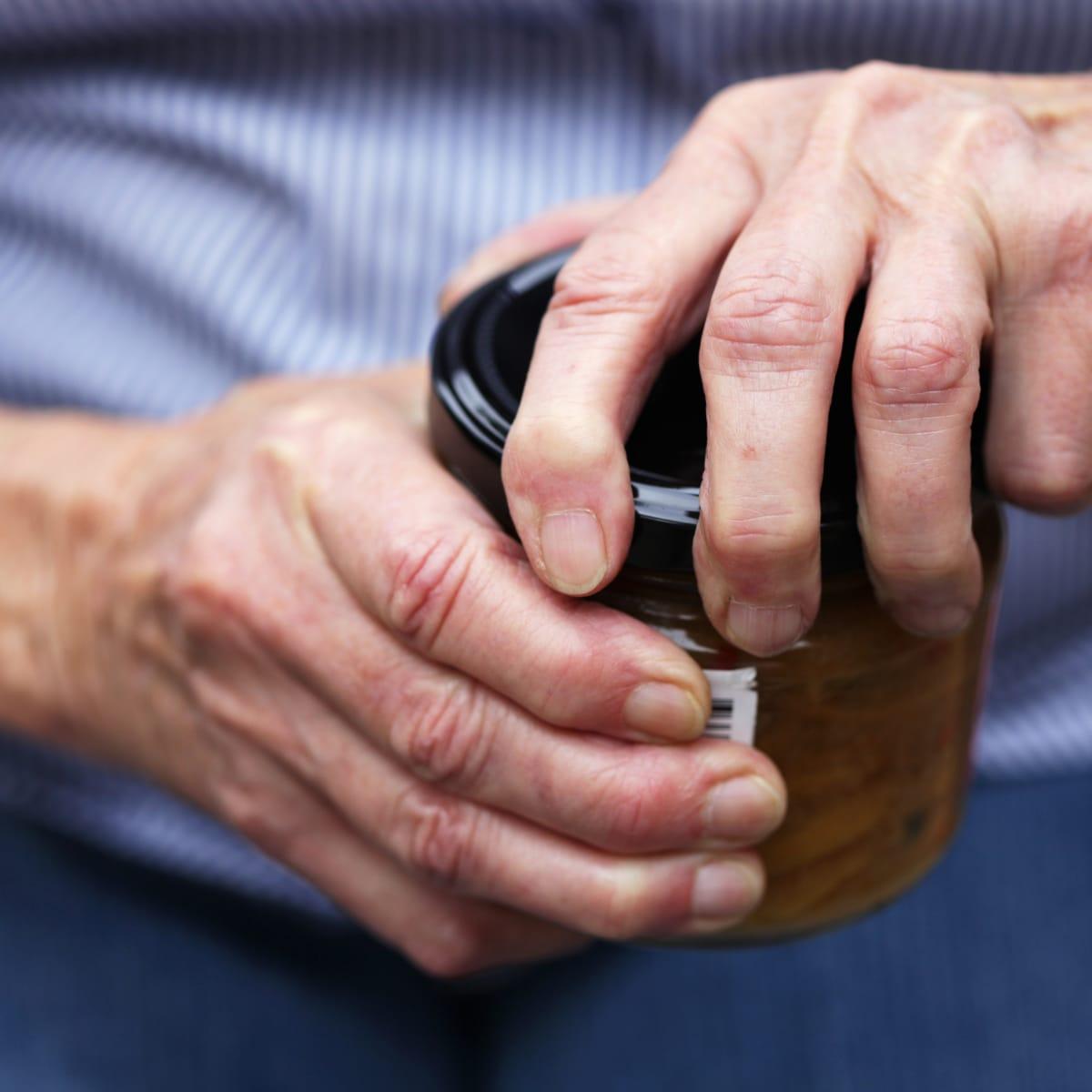
So next time you're struggling to open a jar, instead of handing it off or reaching for a gadget, give it a real try. That effort — even if it's tough — actually helps strengthen your hands. Same goes for carrying heavier grocery bags, wringing out wet towels, or twisting open bottles. These little moments add up over time.
Use them or lose them — and the good news is, you can always start using them again.
Why I Measure Grip Strength with New Clients
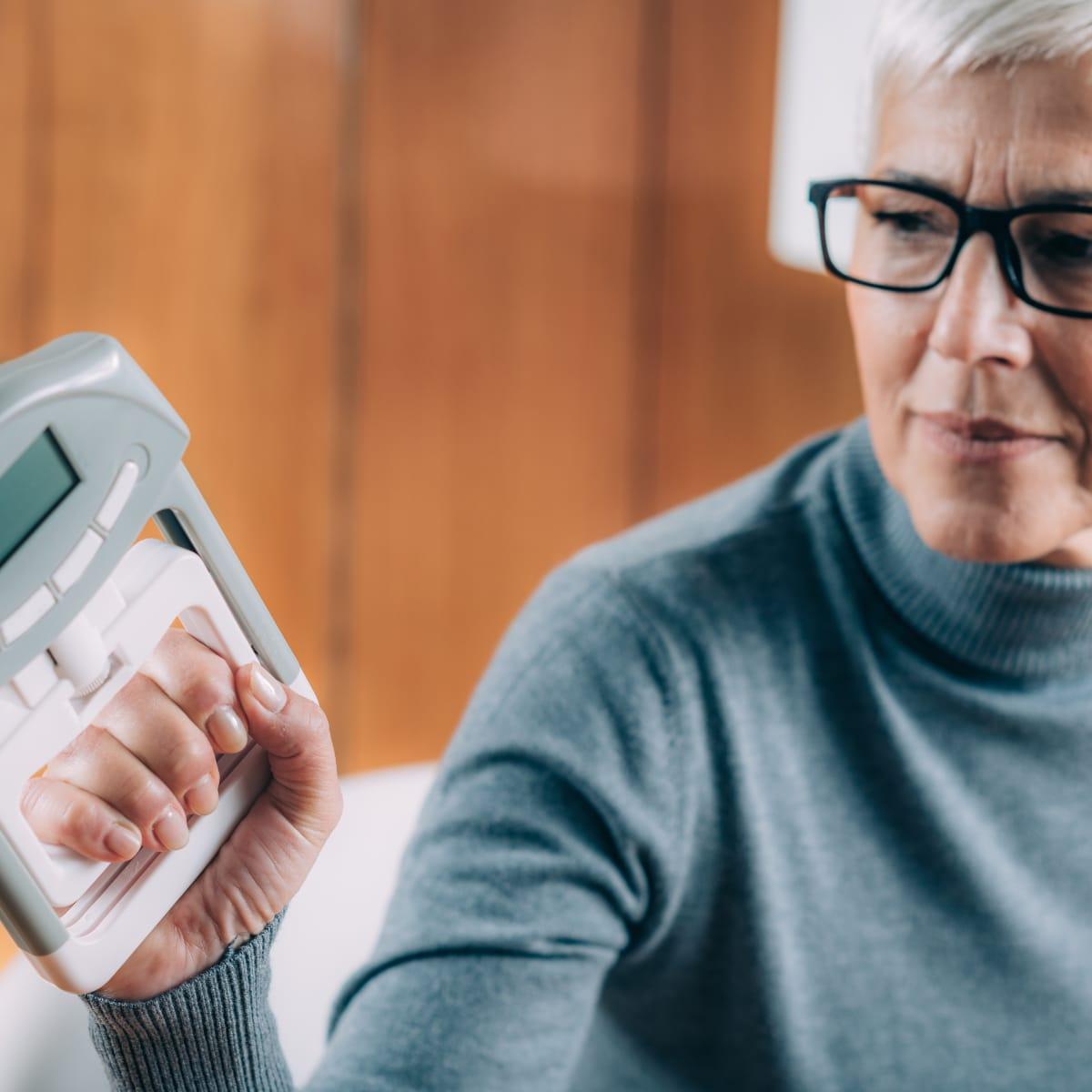
As a health and fitness coach who specializes in working with older adults, I use grip strength as one of my first assessments, whether we're training in your home or online. It's quick, non-invasive, and gives both me and my clients a snapshot of where their overall strength may be — and where we can improve.
If you have a reading from a hand dynamometer, you can see how it compares with others your age using our free grip strength calculator.
Your hands do a lot for you. Keeping them strong can help keep you strong — today and in the years ahead.
Kristen
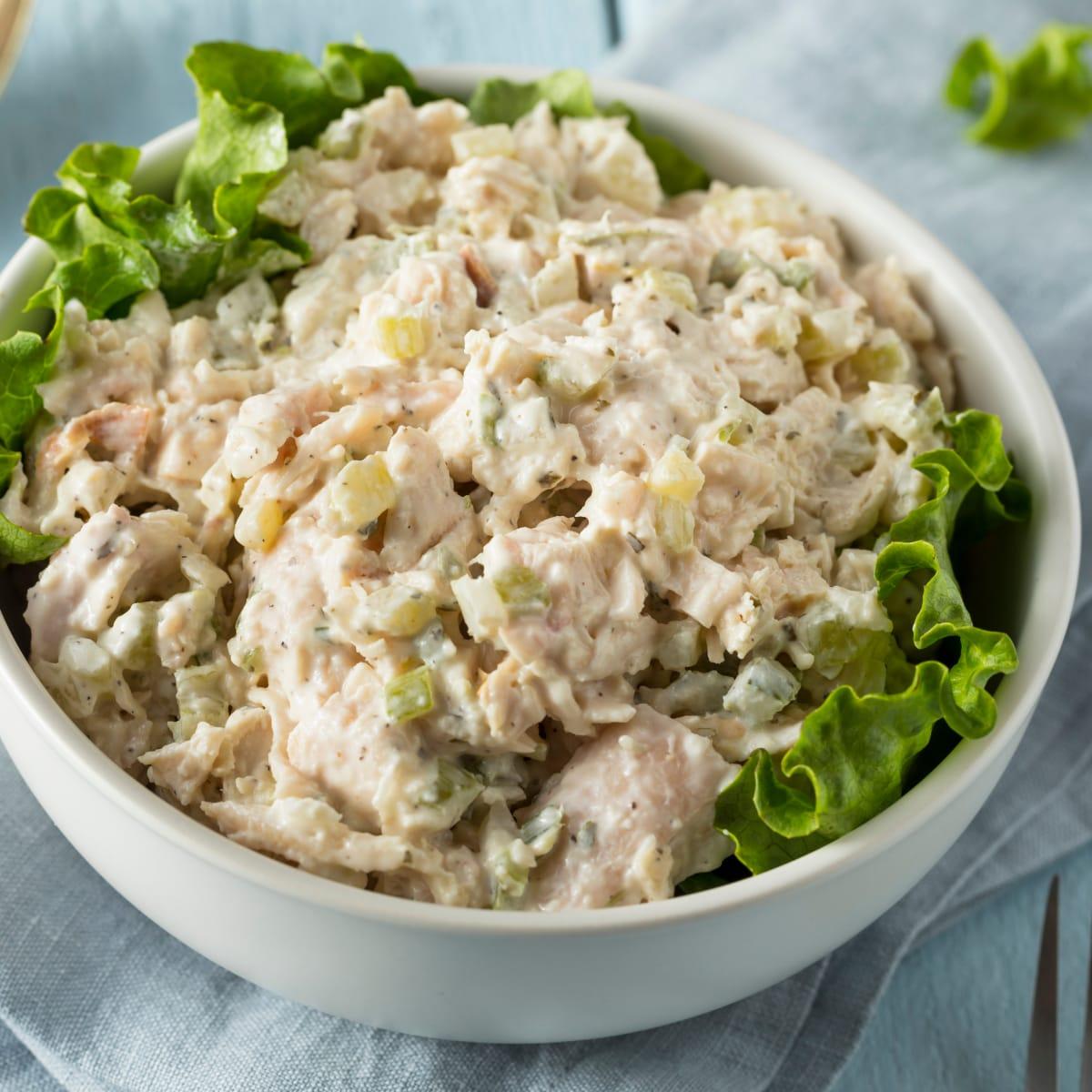
Try the recipe: Here's the perfect recipe to give you a good reason to open that pickle jar — get the recipe.
Sources
- Leong DP, Teo KK, Rangarajan S, et al. Prognostic value of grip strength: findings from the Prospective Urban Rural Epidemiology (PURE) study. Lancet. 2015;386(9990):266-273. View source
This article is for general education and isn't medical advice. Please talk with your doctor before starting a new exercise, nutrition or supplement routine. See our health disclaimer.

About the author
Kristen Nielsen
Kristen founded TogetherWON after watching what strength training could do for older adults — including her own grandparents. She's an ACE Certified Personal Trainer with 10+ years in functional aging, a University of Central Florida graduate, and a former Division I swimmer and track & field athlete.
Senior Fitness Specialist · Functional Aging Specialist · Parkinson's Disease Specialist · Brain Health Trainer · Corrective Exercise Specialist
want these in your inbox?
Get my Saturday letters
One idea for your body, brain or balance each week, usually with a recipe. Unsubscribe any time.
Keep reading
Body · Stories
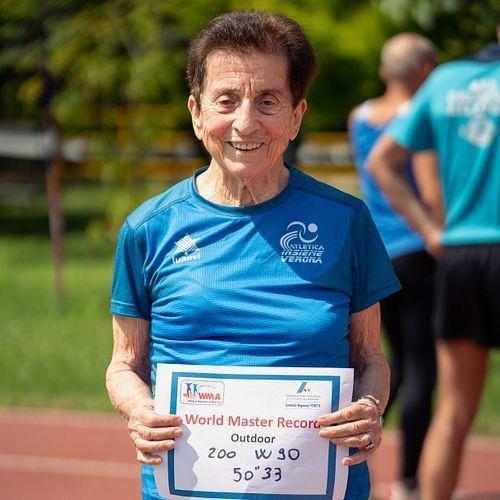
Building Muscle at 91: What a Sprinter Teaches Us
Researchers tested the muscles of a 91-year-old world-record sprinter. What they found shows why strength and power stay trainable as we age.
September 19, 2026 · 3 min read
Brain · Body
Music and Movement: A Brain-Body Workout to a Song
Pick a favorite song and let it set your pace. This simple music-and-movement workout challenges your brain and body at any fitness level.
September 12, 2026 · 2 min read
Body
2-Minute Step Test: Check Your Cardio Fitness at Home
The 2-Minute Step Test is a simple at-home check of your endurance. Here's how to do it, how to compare your score, and why cardio fitness matters.
September 5, 2026 · 2 min read