Functional Exercises for Seniors: 4 Movement Patterns
By Kristen Nielsen, Founder & Senior Fitness Specialist
· Updated · Body · 3 minute read
Part of our guide: Strength Training for Seniors: The Complete Guide
Key takeaways
- The 4 basic functional movement patterns for seniors are push and pull, bend and lift, single leg, and rotation, and everyday chores let you practice all of them.
- Vacuuming works push and pull, picking up trash works bend and lift, and reaching to put things away works rotation, so look for excuses to move and celebrate when you do.
- Taking the stairs keeps your single-leg strength; if stairs are already hard, start with a low step and work up to a normal stair height.
- Rest days matter too, because they support muscle recovery and help prevent overtraining and injury.
The four functional movement patterns I build workouts around are push and pull, bend and lift, single leg, and rotation, and you can practice every one of them during everyday chores. They're the foundation of strength training for seniors, and as a personal trainer (including in in-home personal training), I build my workouts around these basic movement patterns. When my clients use their bodies in these movement patterns, they are able to maintain the ability to complete everyday tasks easily. Instead of avoiding movement, look for everyday excuses to move, and then celebrate when you do! If you have an injury or chronic condition that makes one movement difficult, celebrate the movements that you can do.
The main idea is to just move!
Let's look at the basic movement patterns and how you can easily incorporate them into your life...
Push and Pull
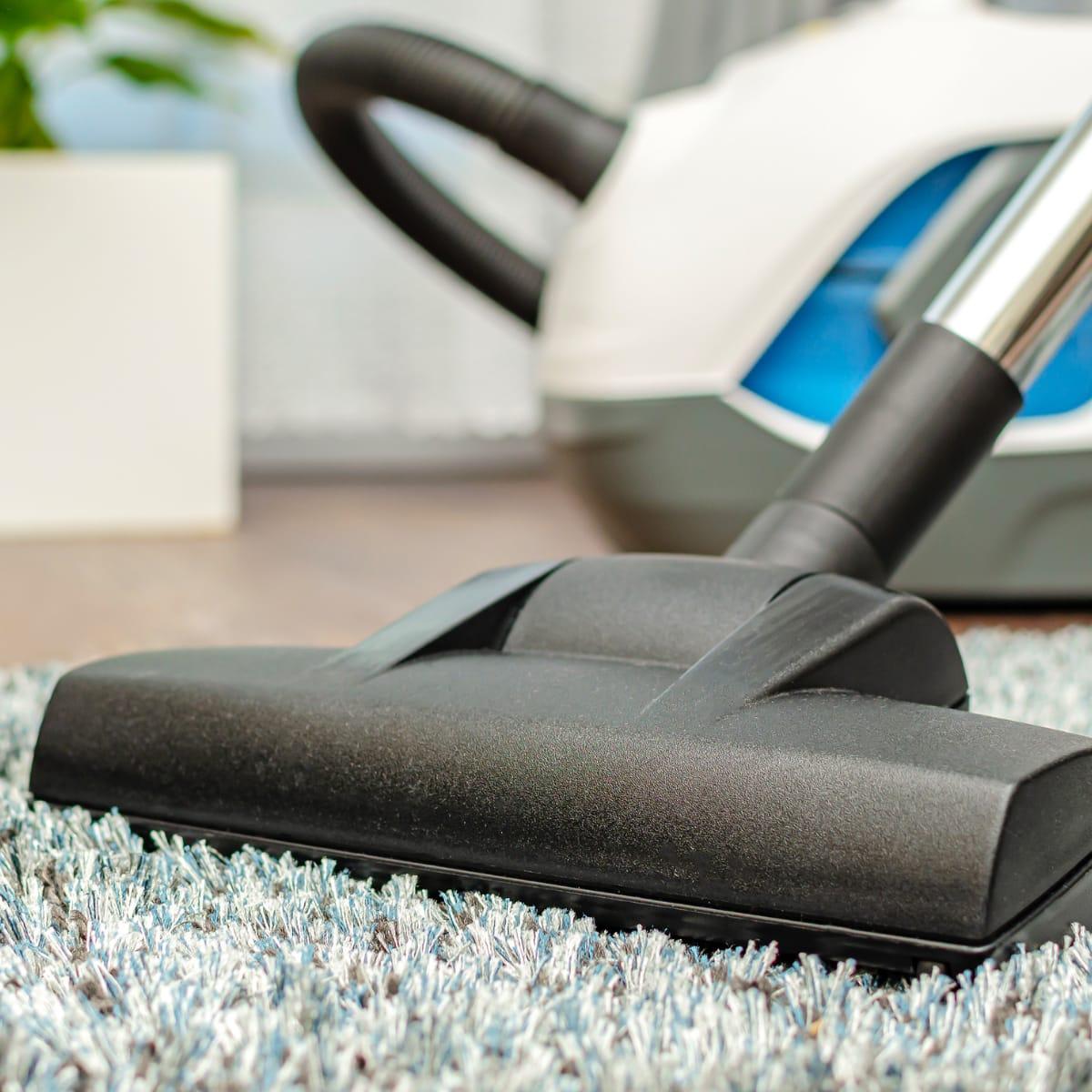
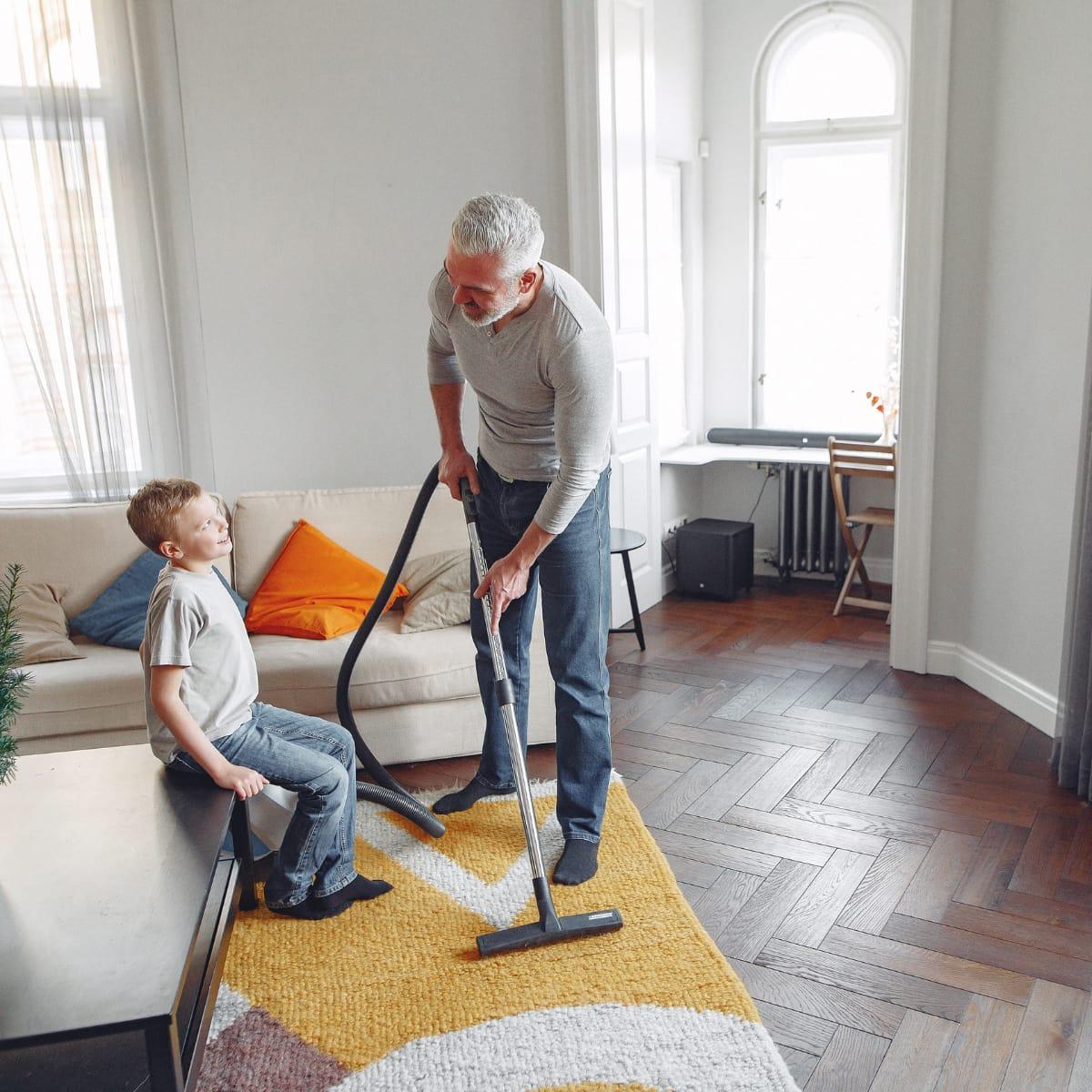
The push and pull motion is an essential upper body movement. The next time you vacuum, thank yourself for exercising your push and pull muscles. Not only will you be getting the carpet clean, you'll be building muscle for this essential movement as well!
Bend and Lift
Our bodies need to be able to bend and lift to continue to do everyday tasks. Bending over involves core muscles that need to be used to keep strong. Next time there is trash to pick up, embrace the task! You will get stronger in the process! Remember to always engage your core muscles when you bend over: gently draw your belly button in toward your spine each time you bend.

Single Leg
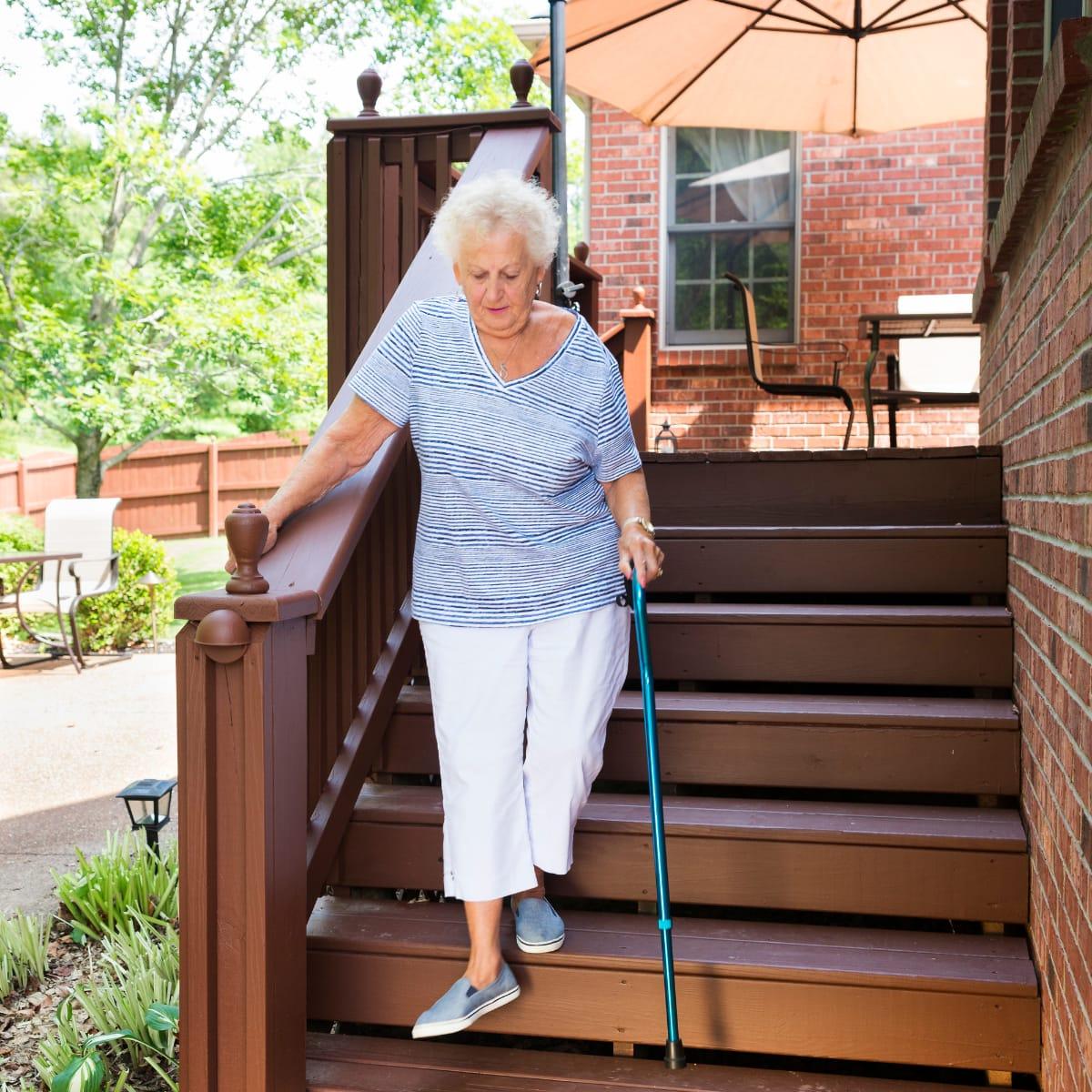
Single leg movement is vital to maintaining our ability to physically navigate through life. One important use of the single leg movement is climbing stairs. Many people choose homes without stairs so that they won't have to go up and down. However, people lose the ability to navigate stairs if they don't use this movement regularly. Instead of avoiding stairs, embrace the stairs! Take the stairs whenever you can to maintain the ability to do this single leg movement (here's a simple stair climbing workout to try). If stairs are already a problem for you, try stepping up and down to a low step and gradually progressing to a normal stair height. The 30-second chair stand test is an easy way to check your leg strength along the way.
Rotational
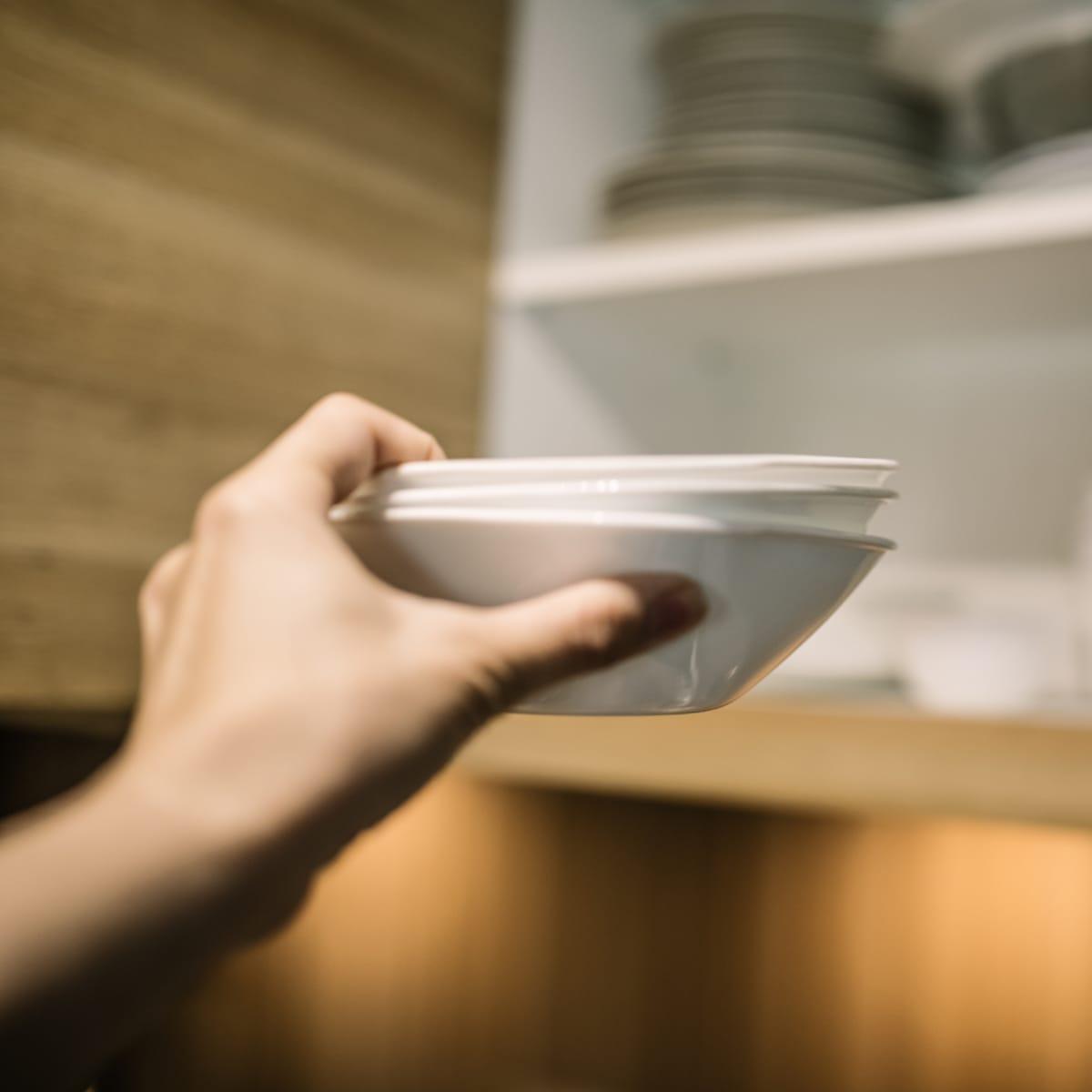
Rotational movement is a key movement that many adults begin to struggle with as they age. However, it's an essential movement in many everyday tasks. Next time you are reaching to put things away, intentionally rotate your torso instead of moving your feet to rotate. If this movement is painful or difficult, only rotate as far as possible, but keep using this movement daily to build up mobility.
Can Everyday Chores Count as Exercise?
Yes. Exercise is simply movement. Look for ways to incorporate all the basic movements into your daily life and celebrate when you do. Movement gives you freedom to keep doing the things you love!
Should You Take Rest Days When You Start a Workout Routine?
"I've recently started a workout routine, should I take rest days?"
Yes! Rest days are important for recovery and muscle repair. They prevent overtraining and reduce the risk of injury. If you are actively doing strength training or higher intensity workouts such as fast hiking, you will need to incorporate a day or two each week of resting, light walking, or stretching. Even if your workouts are generally low intensity, a rest day is still good for muscle recovery and to give yourself a mental reset.
Kristen
Sources
- American College of Sports Medicine. American College of Sports Medicine position stand. Progression models in resistance training for healthy adults. Med Sci Sports Exerc. 2009;41(3):687-708. View source
This article is for general education and isn't medical advice. Please talk with your doctor before starting a new exercise, nutrition or supplement routine. See our health disclaimer.

About the author
Kristen Nielsen
Kristen founded TogetherWON after watching what strength training could do for older adults — including her own grandparents. She's an ACE Certified Personal Trainer with 10+ years in functional aging, a University of Central Florida graduate, and a former Division I swimmer and track & field athlete.
Senior Fitness Specialist · Functional Aging Specialist · Parkinson's Disease Specialist · Brain Health Trainer · Corrective Exercise Specialist
want these in your inbox?
Get my Saturday letters
One idea for your body, brain or balance each week, usually with a recipe. Unsubscribe any time.
Keep reading
Body · Stories
Building Muscle at 91: What a Sprinter Teaches Us
Researchers tested the muscles of a 91-year-old world-record sprinter. What they found shows why strength and power stay trainable as we age.
September 19, 2026 · 3 min read

Brain · Body
Music and Movement: A Brain-Body Workout to a Song
Pick a favorite song and let it set your pace. This simple music-and-movement workout challenges your brain and body at any fitness level.
September 12, 2026 · 2 min read
Body
2-Minute Step Test: Check Your Cardio Fitness at Home
The 2-Minute Step Test is a simple at-home check of your endurance. Here's how to do it, how to compare your score, and why cardio fitness matters.
September 5, 2026 · 2 min read